
In the relentless pursuit of well-being, we often hear about caloric intake, macronutrients, and the delicate balance required for a healthy lifestyle. But beyond the essential fuel your body needs for survival and basic function, there exists a less discussed, yet crucial, concept: discretionary calories. Think of them as the “fun money” of your diet, the wiggle room that allows for enjoyment and indulgence without derailing your health goals. Understanding and strategically managing these discretionary calories can unlock significant benefits, not just for your physical health, but also by mirroring the principles of smart financial management and brand building that are central to thriving in the digital age.

This article will delve into the world of discretionary calories, exploring what they are, why they matter, and how you can harness them effectively. We’ll draw parallels to the strategic approaches found in technology, branding, and personal finance, illustrating how a mindful allocation of these “extra” calories can lead to a more sustainable, enjoyable, and ultimately, healthier life.
Understanding Your Caloric Budget: The Essentials and the Extras
Before we can truly grasp the concept of discretionary calories, it’s vital to understand the foundational components of our daily energy needs. Our total daily caloric intake is essentially divided into two main categories:
Essential Calories: Fueling the Machine
These are the calories your body requires to perform its most fundamental, life-sustaining functions. This baseline energy expenditure is known as your Basal Metabolic Rate (BMR), and it accounts for processes like breathing, circulation, cell production, and maintaining body temperature. Added to this are the calories burned through the Thermic Effect of Food (TEF) – the energy your body uses to digest, absorb, and metabolize the food you eat – and the calories expended through daily physical activity, from structured exercise to simply walking across the room.
These essential calories are non-negotiable for survival and basic functioning. Without sufficient essential calories, your body would struggle to maintain vital organs, repair tissues, and even think clearly. They form the bedrock of your caloric budget, and ensuring you meet these needs consistently is the primary goal of any healthy diet.
Discretionary Calories: The Flexibility Factor
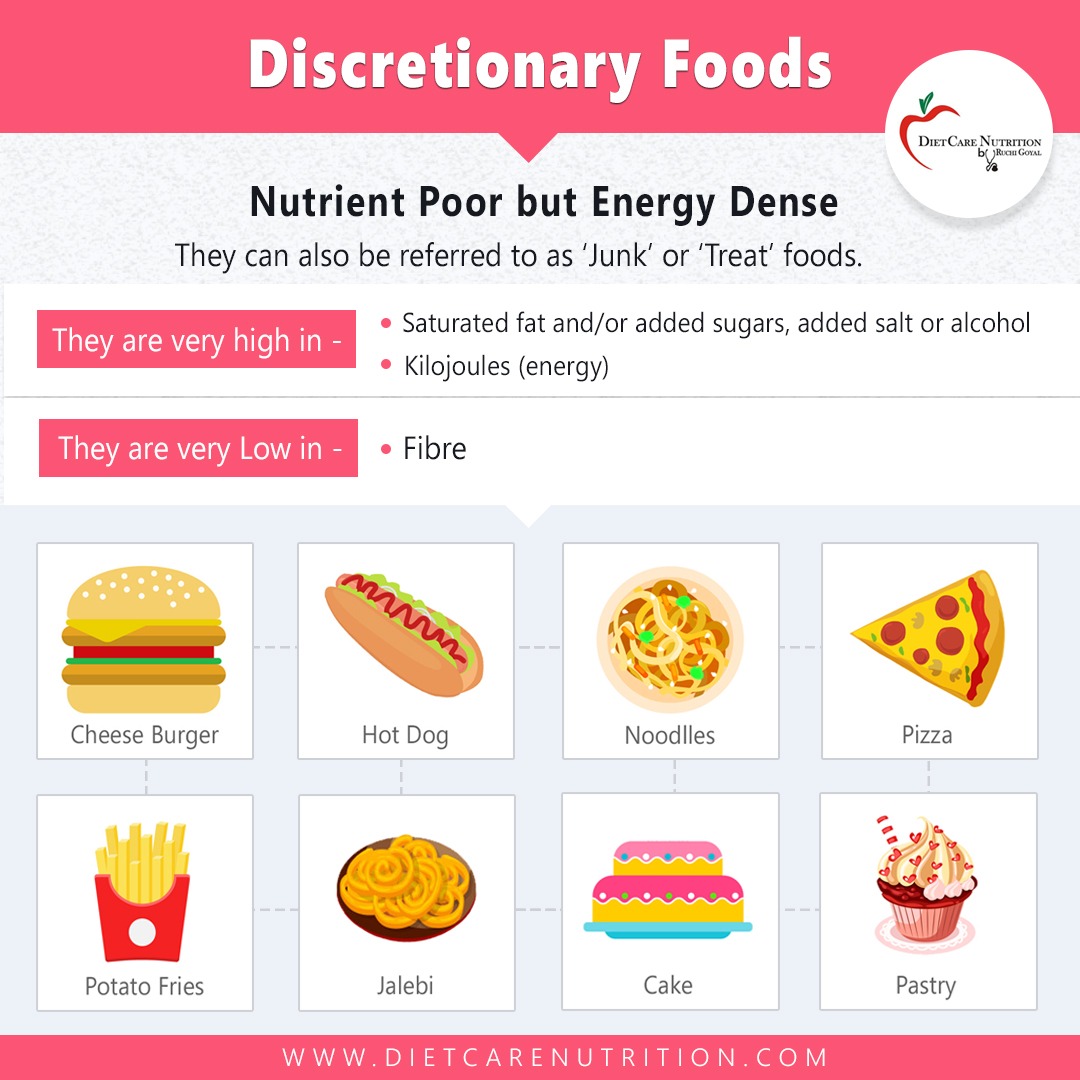
This is where discretionary calories come into play. Once your essential caloric needs are met – meaning your body has received all the fuel it requires for its fundamental operations and daily movement – any remaining calories within your recommended daily intake are considered discretionary. These are the calories that offer you flexibility and choice.
Think of it like this: your essential calories are like your rent, utilities, and basic groceries. They are the mandatory expenses that keep your household running. Discretionary calories, on the other hand, are like the money you have left over for entertainment, dining out, hobbies, or that occasional impulse purchase. They are not strictly necessary for survival, but they significantly contribute to your overall quality of life, enjoyment, and sense of satisfaction.
The number of discretionary calories an individual has varies based on several factors, including age, sex, weight, height, activity level, and metabolism. Generally, more active individuals and those with higher BMRs will have a larger pool of discretionary calories available within their recommended daily intake.
The Strategic Allocation of Discretionary Calories: Parallels in Technology, Branding, and Finance
The concept of discretionary calories, while rooted in nutrition science, offers a fascinating lens through which to view the strategic allocation of resources in other domains, particularly those championed by our website’s core topics: Tech, Brand, and Money. By applying the principles of thoughtful planning, deliberate choices, and value-driven investment, we can optimize not only our caloric intake but also our digital lives, personal brands, and financial well-being.
1. Tech: Optimizing Your Digital “Caloric” Budget
In the digital realm, the equivalent of “essential calories” could be seen as the core functionalities and essential applications that power our daily lives. Think of your operating system, essential communication tools (email, messaging), and basic productivity software. These are the non-negotiables that allow us to function in the modern world.
Discretionary “digital calories” would then represent the apps, software, gadgets, and online services we choose to adopt that go beyond the essentials. This could include:
- AI Tools for Productivity: Just as discretionary calories allow for enjoyment, AI tools can be seen as enhancing efficiency and output beyond basic task completion. A sophisticated AI writing assistant, for instance, might be considered a discretionary investment in boosting content creation capabilities, akin to using discretionary calories for a gourmet meal that elevates your dining experience.
- Gadgets and Entertainment Apps: A new smartphone with advanced features, a streaming service subscription, or a gaming console are clear examples of discretionary “digital calories.” They are not essential for survival, but they contribute to entertainment, connection, and personal enjoyment.
- Specialized Software and Learning Platforms: Investing in a niche design software or an online course platform to acquire a new skill could be viewed as a discretionary allocation of time and attention, much like spending discretionary calories on a cooking class to learn a new recipe.
The Strategic Approach:
- Prioritization: Just as you wouldn’t blow all your discretionary “food calories” on a single, unhealthy binge, you shouldn’t impulsively download every new app or gadget. Prioritize based on genuine need or significant enhancement to your life.
- ROI (Return on Investment): Evaluate the “return” you get from your discretionary digital choices. Does that new AI tool genuinely save you time and improve your work? Does that gadget offer a tangible benefit or just fleeting novelty? This is analogous to assessing the nutritional value or satisfaction derived from spending discretionary food calories.
- Security as a Foundation: In both nutrition and technology, a strong foundation is crucial. Ensure your essential digital security measures are robust before investing in discretionary upgrades. Similarly, meeting your essential caloric needs is paramount before indulging in discretionary options.
- Mindful Consumption: Avoid “digital overconsumption.” Just as eating too many discretionary calories can lead to weight gain, excessive engagement with non-essential digital content can lead to distraction, burnout, and a decline in productivity.
2. Brand: Curating Your Personal and Corporate “Caloric” Identity
In the realm of branding, essential “calories” can be likened to the core values, mission, and fundamental offerings of an individual or organization. These are the non-negotiables that define what you are and what you stand for. A company’s commitment to quality, an individual’s core ethical principles – these are the foundational elements.
Discretionary “brand calories” are the elements that enhance and differentiate your brand beyond these essentials. These are the strategic investments in how you present yourself and connect with your audience. This includes:
- Marketing and Design Investments: High-quality website design, compelling marketing campaigns, and professional photography are discretionary brand expenditures. They don’t change the core product or service but significantly influence perception and appeal, much like a beautifully presented meal enhances the dining experience.
- Personal Branding Nuances: For individuals, this could be investing in professional development that adds a unique skill, attending networking events that build connections, or curating a polished online presence. These are deliberate choices that go beyond basic professional competence.
- Corporate Identity Refinements: A rebrand that modernizes a logo, a strategic PR campaign to enhance reputation, or the adoption of a new corporate social responsibility initiative are all discretionary investments aimed at elevating the brand’s perceived value and impact.
The Strategic Approach:
- Authenticity First: Just as you wouldn’t advise someone to subsist solely on “junk food” calories, a brand’s discretionary investments should align with its core values. A company promoting sustainability shouldn’t be investing heavily in environmentally damaging marketing tactics. Authenticity ensures that your discretionary “brand calories” are well-spent.
- Targeted Impact: Discretionary brand efforts should be aimed at specific goals. Are you looking to increase brand awareness, attract a new demographic, or solidify customer loyalty? Just as you might use discretionary calories to try a new cuisine that aligns with your adventurous palate, brand investments should be targeted to achieve desired outcomes.
- Long-Term Brand Health: Excessive or poorly conceived discretionary spending can weaken a brand. Over-marketing a mediocre product, for example, is like indulging in too many unhealthy discretionary calories – it might offer short-term satisfaction but can harm long-term health. Strategic, consistent discretionary investments build a robust and enduring brand.
- Reputation Management: Protecting and enhancing your reputation is a crucial discretionary brand effort. Similar to how choosing nutrient-dense discretionary calories contributes to overall well-being, proactive reputation management safeguards your brand’s integrity.
3. Money: Mastering Your Financial “Caloric” Freedom
In the world of personal and business finance, essential “calories” represent your non-negotiable expenses – housing, utilities, basic food, debt repayments, and essential insurance. These are the costs of maintaining your financial stability and meeting your obligations.
Discretionary “money calories” are the funds you have available after all essential financial needs are met. This is your surplus, your financial flexibility, and the engine for wealth creation and personal enrichment. This includes:
- Investing for Growth: Allocating discretionary funds to stocks, bonds, real estate, or other investment vehicles is a prime example. These investments are not essential for immediate survival but are crucial for long-term financial security and wealth accumulation, akin to choosing nutrient-rich discretionary foods that contribute to sustained energy.
- Side Hustles and Business Ventures: Using discretionary funds to start a side business or invest in expanding an existing one is a strategic use of financial “calories” for future income generation.
- Personal Development and Skill Acquisition: Investing in courses, certifications, or educational programs that enhance earning potential can be considered a discretionary financial allocation with a high potential return.
- Leisure and Lifestyle Choices: While essential needs are met, discretionary funds allow for travel, hobbies, dining out, and other lifestyle enhancements that contribute to happiness and well-being.
The Strategic Approach:
- Budgeting as a Caloric Plan: Just as a nutritionist helps create a caloric plan, a solid budget is the foundation for managing your financial “caloric” intake and expenditure. It helps you track where your money is going and identify opportunities for discretionary allocation.
- Prioritize High-Yield Investments: When deciding where to allocate discretionary funds, prioritize investments that offer the highest potential return and align with your financial goals. This is akin to choosing nutrient-dense discretionary foods over empty calories.
- Avoid “Financial Junk Food”: Impulse spending on depreciating assets or high-interest debt can be considered “financial junk food.” While offering immediate gratification, they can significantly hinder long-term financial health. Be mindful of where your discretionary funds are directed.
- The Power of Compounding: Just as consistent, mindful consumption of nutrient-rich foods leads to sustained health, consistent and strategic investment of discretionary funds can lead to significant wealth accumulation through the power of compounding.
Making Discretionary Calories Work For You: Practical Strategies
The beauty of discretionary calories lies in their flexibility. They offer the freedom to enjoy life’s pleasures without compromising your health. The key is to approach their management with the same strategic mindset you would apply to optimizing your tech stack, building a strong brand, or growing your wealth.
1. Mindful Consumption and Informed Choices
Just as you wouldn’t mindlessly scroll through social media or impulsively buy the latest gadget, approach your discretionary calorie intake with intention.
- Track Your Intake: Use a food tracking app to get a clear picture of your current consumption. Understanding your baseline is the first step to making informed adjustments. This is akin to using financial tracking apps to understand your spending habits.
- Prioritize Nutrient Density: When choosing discretionary foods, opt for those that offer the most nutritional bang for their caloric buck. Think dark chocolate over candy bars, a small portion of nuts over chips, or a flavorful, lean protein dish over a fried appetizer.
- Savor the Experience: Discretionary calories are often associated with enjoyment. Don’t rush through these moments. Savor the taste, texture, and social experience. This mindful approach can lead to greater satisfaction with smaller portions, preventing overconsumption.
2. Strategic Planning and Goal Alignment
Your discretionary calories should serve your overall health and lifestyle goals.
- Define Your “Why”: Are you aiming for weight loss, maintenance, or simply a more balanced and enjoyable diet? Understanding your goals will guide your decisions.
- Allocate Strategically: If you have a special occasion coming up, you might choose to allocate more discretionary calories towards that event, perhaps by being more mindful of your intake in the days leading up to it. This is akin to saving up “financial calories” for a planned vacation.
- Balance is Key: Aim for a consistent pattern rather than extreme fluctuations. A little bit of indulgence regularly is often more sustainable than sporadic, excessive binges.
3. Leverage Technology and Tools
The same digital tools that enhance productivity and financial management can also aid in calorie management.
- Calorie Tracking Apps: As mentioned, these are invaluable for understanding your intake.
- Recipe Apps: Explore apps that offer healthy, yet delicious, recipes that can be incorporated into your discretionary calorie allowance.
- Wearable Technology: Fitness trackers can provide insights into your activity levels, helping you understand your energy expenditure and thus, your discretionary calorie availability.

Conclusion: A Holistic Approach to Well-being
Discretionary calories are not the enemy of a healthy diet; rather, they are an integral part of a sustainable and enjoyable approach to nutrition. By understanding their role, managing them strategically, and drawing parallels to the smart practices in technology, branding, and finance, we can unlock a more holistic approach to well-being.
Just as judicious investments build financial security, thoughtful allocation of discretionary calories contributes to long-term health and happiness. By viewing your caloric intake as a budget, your body’s essential needs as your non-negotiable expenses, and discretionary calories as your opportunity for enrichment, you can cultivate a life that is both healthy and fulfilling. Embrace the flexibility, make informed choices, and allow those discretionary calories to contribute to your overall success, not just on the plate, but in every facet of your digital, branded, and financial life.
aViewFromTheCave is a participant in the Amazon Services LLC Associates Program, an affiliate advertising program designed to provide a means for sites to earn advertising fees by advertising and linking to Amazon.com. Amazon, the Amazon logo, AmazonSupply, and the AmazonSupply logo are trademarks of Amazon.com, Inc. or its affiliates. As an Amazon Associate we earn affiliate commissions from qualifying purchases.