
In the intricate tapestry of formal wear, where every detail speaks volumes, the cummerbund stands as a quintessential element of sartorial elegance. Far from being a mere decorative accessory, this pleated sash serves a specific, historical, and aesthetic purpose in black-tie attire. While seemingly a relic from a bygone era, its continued presence in modern formalwear underscores its enduring significance. Yet, in an increasingly digital and financially savvy world, one might ponder its relevance beyond mere tradition. This article delves into the core identity of the cummerbund, exploring its origins and proper wear, before strategically connecting it to the broader landscape of technology, personal and corporate branding, and the intricate world of finance. We will uncover how a garment rooted in tradition can find its place—and even innovate—within contemporary discussions of digital transformation, market strategies, and investment choices.

The Timeless Elegance: Understanding the Cummerbund
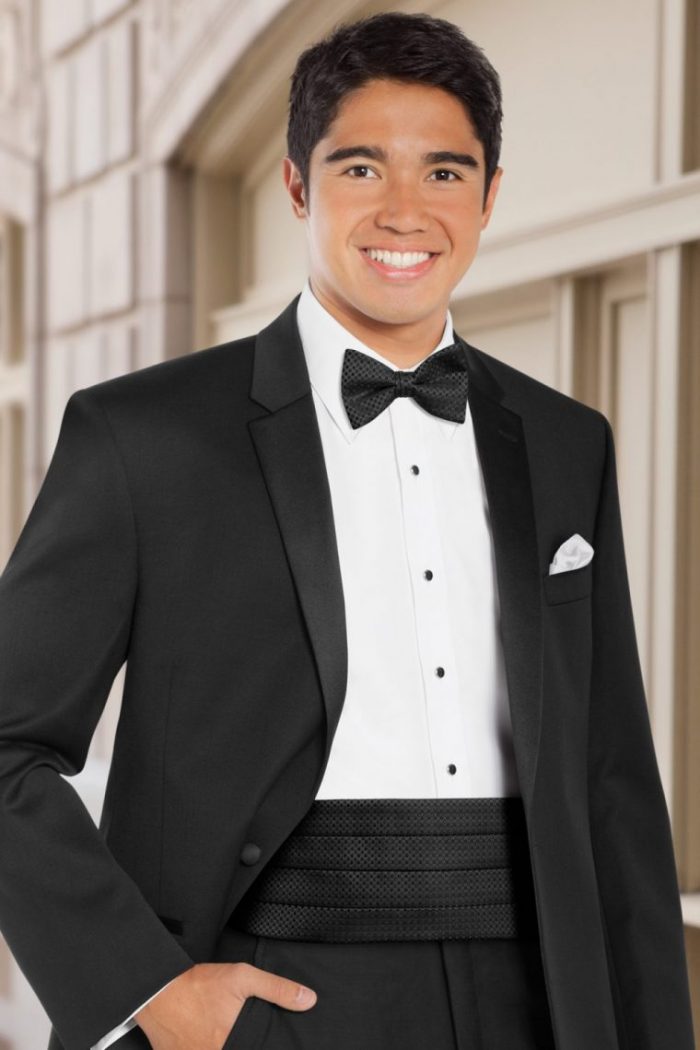
At its heart, the cummerbund is a formal waist-covering worn with a tuxedo, typically made of silk and characterized by its distinct pleats. Its primary function is to cover the waistline of the shirt, where it might otherwise bunch or tuck awkwardly, presenting a seamless and polished transition from the shirt to the trousers. It also historically served a practical purpose, offering a discreet place for gentlemen to store small items like theatre tickets or loose change within its inward-facing pleats. Today, its role is predominantly aesthetic, reinforcing the sleek silhouette of black-tie attire and signaling an unwavering commitment to formal dressing etiquette.
Origins and Evolution: A Sash of History
The cummerbund’s journey into Western formal wear is a fascinating tale rooted in colonial history. The term itself is derived from the Hindi word “kamarband,” meaning “loin-band” or “waist-band.” British military officers stationed in colonial India during the 19th century adopted this pleated sash from the local populace as an alternative to the cumbersome waistcoat in the region’s hot climate. Upon their return to England, the comfort and distinctive style of the cummerbund gradually found its way into civilian evening wear, particularly gaining traction in the early 20th century as a fashionable accompaniment to the dinner jacket (tuxedo). Its evolution from a practical military accessory to a hallmark of sophisticated formal attire highlights fashion’s fluid nature and its capacity for cross-cultural adaptation.
The Etiquette of Wear: Mastering Formal Attire
Wearing a cummerbund correctly is crucial to achieving a polished black-tie look. The most fundamental rule dictates that the pleats must always face upwards, a detail often overlooked but vital for both historical accuracy and the garment’s traditional function of holding small items. It should be worn over the waist of the trousers, covering the shirt’s waistband, and paired with a bow tie—never a long necktie, as the two accessories are stylistically incongruous with a tuxedo. The color is traditionally black, matching the tuxedo, but midnight blue has become an equally accepted and elegant alternative. Modern interpretations allow for a broader palette in specific contexts, but for true black-tie events, adherence to these classic conventions is paramount for signaling respect for the occasion and a sophisticated understanding of formal wear.
Beyond the Basics: Styles and Materials
While the classic black silk cummerbund remains the standard, variations exist to cater to evolving tastes and specific event requirements. Materials can range from traditional silk satin or faille to velvet, adding different textures and sheens to an ensemble. Patterned cummerbunds, though less common in strict black-tie, are sometimes seen at more festive or themed formal events. The width of the cummerbund can also vary slightly, though a standard proportion is generally maintained to ensure it effectively covers the shirt waist without appearing too narrow or overly broad. These subtle distinctions allow for a degree of personal expression within the rigid framework of formal dress codes, demonstrating that even a traditional accessory can offer avenues for individual style and choice.
The Cummerbund in the Digital Age: Tech & Innovation
In an era defined by rapid technological advancement, even the most traditional garments are not immune to innovation. The intersection of technology and fashion, often dubbed “fashion tech,” opens intriguing possibilities for the cummerbund. From digital design and e-commerce platforms to speculative smart features, technology is poised to redefine how we perceive, produce, and even wear formal accessories. This evolution speaks directly to current Technology Trends, embracing Software, AI Tools, and Apps to enhance everything from aesthetic customization to supply chain efficiency.
Smart Formal Wear: A Glimpse into the Future
Imagine a cummerbund that does more than just complete your ensemble. The concept of “smart formal wear” hints at a future where traditional accessories are infused with cutting-edge Gadgets and sensors. Picture a cummerbund with integrated biometric sensors discreetly monitoring your heart rate during a high-stakes presentation, or tiny, flexible displays that can subtly change patterns or colors via an accompanying App on your smartphone. While these concepts are still largely in the realm of speculation, the advancements in smart fabrics, wearable technology, and miniature electronics suggest such innovations are within the bounds of possibility. Further down the line, perhaps integrated AI Tools could offer personalized styling recommendations based on occasion, personal data, and even mood, transforming a passive accessory into an active component of one’s digital persona. Such innovations could bridge the gap between timeless elegance and modern functionality.
Digital Customization and E-commerce: Revolutionizing the Formal Wear Market
The process of acquiring a cummerbund has been significantly modernized by technology. Online retailers now offer extensive collections, often featuring virtual try-on Apps or detailed sizing Tutorials to ensure a perfect fit. Digital design Software allows for unparalleled customization, from selecting specific fabrics and colors to adding personalized monograms or patterns, all before the garment is physically produced. This democratizes access to bespoke formal wear, traditionally the domain of high-end tailors. Furthermore, detailed Reviews and customer feedback platforms enable consumers to make informed purchasing decisions, enhancing the online shopping experience. The efficiency of e-commerce, supported by robust digital security measures for transactions, has made it easier and more convenient than ever to access a wide array of formal wear options, transforming a niche market into a globally accessible one.
Supply Chain and Sustainability: Tech-Driven Efficiency

Beyond the consumer-facing aspects, technology plays a critical role in the background operations of the formal wear industry. Advanced Software for supply chain management optimizes everything from raw material sourcing to manufacturing and distribution. This includes leveraging data analytics to predict demand, minimize waste, and streamline logistics, contributing to greater productivity and cost efficiency. Furthermore, technology is a key driver in the pursuit of sustainability within fashion. Innovations in material science are leading to eco-friendly fabrics and production methods, while digital tools help track the environmental footprint of each garment. From blockchain technology ensuring ethical sourcing to AI-powered inventory management reducing overproduction, technology is making the formal wear industry more accountable and sustainable, addressing critical concerns for an environmentally conscious market.
The Power of Presentation: Cummerbunds and Branding
In the strategic world of Brand Strategy, how one presents oneself, whether as an individual or a corporation, is paramount. The cummerbund, as a symbol of meticulous dressing, plays an often-underestimated role in Personal Branding and even contributes to Corporate Identity. It communicates attention to detail, respect for tradition, and a commitment to excellence, all of which are crucial elements in building a strong Reputation.
Crafting Your Personal Brand Through Attire
For individuals, the decision to wear a cummerbund with a tuxedo is a subtle yet powerful statement about one’s Personal Branding. It signifies an understanding of etiquette, an appreciation for quality, and a commitment to presenting oneself in the best possible light. In professional settings that require black-tie, such as award ceremonies, charity galas, or high-profile corporate events, meticulously chosen formal wear, including the cummerbund, communicates professionalism and confidence. It suggests that one pays attention to detail in all aspects of life, a trait highly valued in business. This thoughtful approach to attire can enhance one’s Reputation and distinguish them in competitive environments, demonstrating that personal presentation is a crucial component of a successful personal brand strategy.
Corporate Identity and Event Presence
The collective presentation of an organization at formal events reflects directly on its Corporate Identity. When company representatives attend galas, conferences, or ceremonies requiring black-tie, their adherence to formal dress codes, including the proper use of accessories like cummerbunds, reinforces the company’s image of professionalism, sophistication, and respectability. This uniform attention to detail in presentation can elevate a brand’s Marketing efforts by projecting an image of reliability and excellence. For companies in the luxury sector or those targeting high-net-worth individuals, the impeccable presentation of their team at such events is not just a formality but a strategic aspect of their Brand Strategy, ensuring that their visual representation aligns perfectly with their brand values and desired market perception. It’s a subtle form of non-verbal communication that reinforces brand narratives.
The Brand Behind the Bow Tie: Designers and Reputation
Beyond individual or corporate branding, the formal wear industry itself is a landscape of established and emerging Brands. Designers specializing in tuxedos and accessories, including cummerbunds, build their Reputation on quality, Design, and innovation. Luxury brands often emphasize heritage, craftsmanship, and exclusive materials, using these narratives in their Marketing to justify premium pricing. Emerging designers, conversely, might focus on sustainability, contemporary aesthetics, or unique customization options to carve out their niche. Case Studies of successful formal wear brands often highlight how they’ve effectively managed their brand identity, navigated fashion cycles, and adapted to evolving consumer preferences, showcasing the intricate interplay between product, design, marketing, and reputation within this segment of the fashion industry.
Investing in Formality: The Financial Side of Cummerbunds
The world of formal wear, including the humble cummerbund, also intersects significantly with Money – from personal financial decisions to the broader economics of the fashion industry. Understanding these financial dynamics helps consumers make informed choices and reveals potential avenues for Online Income and Side Hustles within this niche market. This perspective engages with topics like Personal Finance, Investing, and Business Finance, illustrating that even accessories have a quantifiable economic impact.
Personal Finance: To Buy or To Rent?
For individuals requiring formal wear, a fundamental Personal Finance decision arises: should one buy a cummerbund and accompanying tuxedo, or opt for renting? The choice hinges on frequency of use, budget, and personal preference. For someone attending numerous black-tie events annually, Investing in a high-quality, well-fitting cummerbund and tuxedo might prove more cost-effective in the long run. It also offers the advantage of consistent quality and fit. Conversely, for sporadic use, renting presents a more economical option, avoiding a significant upfront expense and ongoing maintenance. Financial Tools like cost-per-wear calculators or budget planners can assist in this decision-making process, helping individuals weigh the initial outlay against long-term value and convenience, aligning formal wear choices with broader financial goals.
The Economics of Formal Wear: Market Insights
The formal wear market, encompassing everything from tuxedos and gowns to accessories like cummerbunds, represents a significant sector within Business Finance. This industry thrives on major life events such as weddings, proms, and corporate galas, alongside award ceremonies and charity events. Manufacturers and retailers navigate complex supply chains, managing inventory, pricing strategies, and marketing campaigns to capture market share. Rental businesses form a crucial part of this ecosystem, providing accessible options for consumers. Understanding market trends—such as the increasing demand for sustainable options or the shift towards online retail—is vital for businesses to remain competitive. The entire value chain, from fabric suppliers to tailors and logistics, contributes to a multi-million-dollar industry, highlighting the economic leverage of attire designed for special occasions.
Entrepreneurial Opportunities: Custom Formal Wear and Fashion Tech
The formal wear niche also presents fertile ground for Entrepreneurial Opportunities and Side Hustles. The rise of custom formal wear services, often facilitated by online platforms and digital design tools, allows aspiring entrepreneurs to offer bespoke cummerbunds and other accessories. This could range from personalized embroidery to unique fabric sourcing, tapping into a desire for individuality even within traditional dress codes. Furthermore, the burgeoning field of fashion tech opens doors for developing smart formal wear prototypes or creating innovative Apps that streamline the rental process, offer virtual styling, or connect consumers with local tailors. Individuals with a keen eye for Design and an understanding of Technology Trends could develop businesses specializing in eco-friendly formal wear or create platforms for peer-to-peer formal wear rental, generating Online Income by leveraging digital capabilities to meet specific market demands.
In conclusion, the cummerbund, while seemingly a simple garment, is a rich subject that transcends its traditional role. It serves as a fascinating lens through which to examine evolving societal norms, the impact of technology on age-old traditions, the strategic importance of branding, and the practicalities of personal and business finance. From its historical origins as a functional waist-band to its potential as a ‘smart’ accessory, the cummerbund continues to evolve, proving that even the most classic elements of formal attire can find renewed relevance in our modern, interconnected world.
aViewFromTheCave is a participant in the Amazon Services LLC Associates Program, an affiliate advertising program designed to provide a means for sites to earn advertising fees by advertising and linking to Amazon.com. Amazon, the Amazon logo, AmazonSupply, and the AmazonSupply logo are trademarks of Amazon.com, Inc. or its affiliates. As an Amazon Associate we earn affiliate commissions from qualifying purchases.