
Butter, a ubiquitous ingredient in kitchens worldwide, often seems simple. Yet, walk into any grocery store, and you’re immediately faced with a choice that can subtly, but significantly, alter your culinary outcomes: salted or unsalted? For many home cooks and professional chefs alike, this distinction isn’t just about taste; it’s a fundamental decision impacting texture, flavor balance, and even the economics of a dish. Beyond the mere culinary application, the journey of butter from dairy farm to your fridge is intricately tied to technological advancements, strategic branding, and complex financial considerations that underpin the modern food industry.
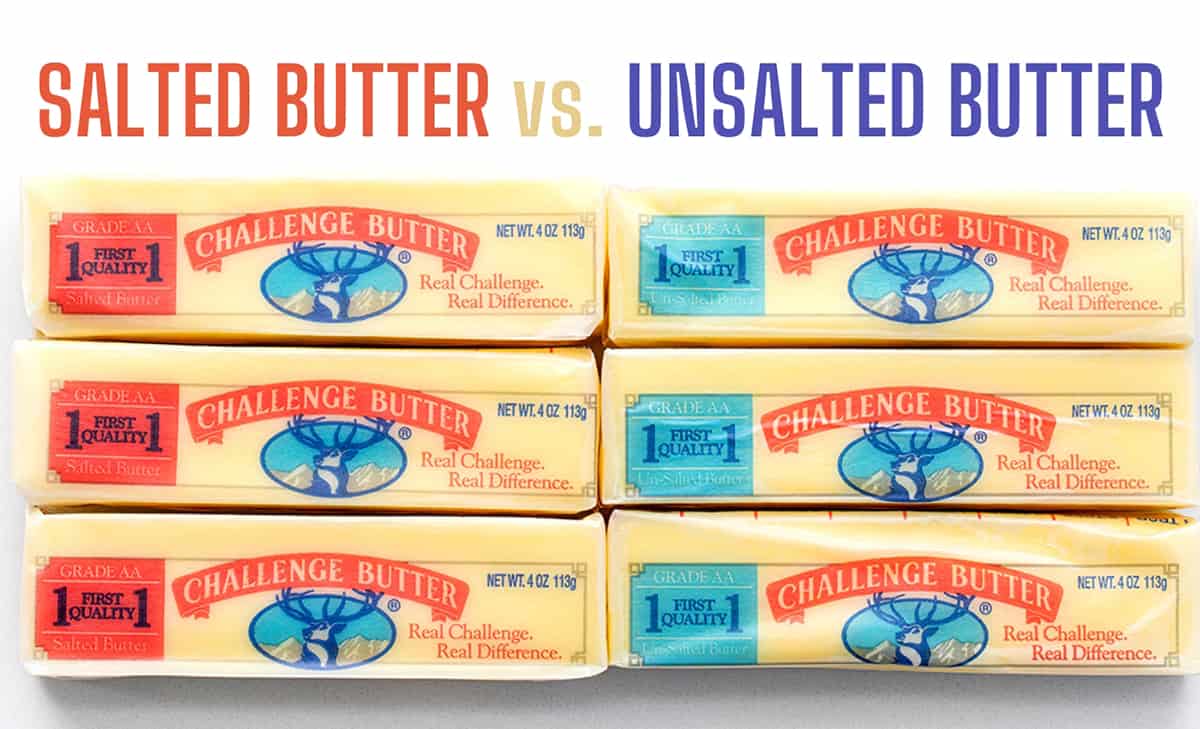
This seemingly straightforward question – “What’s the difference between salted and unsalted butter?” – opens a fascinating dialogue that extends far beyond the pantry. It delves into the precise science of food preservation, the art of brand positioning in a competitive market, and the economic forces that shape our grocery bills. Understanding this core difference is not just about making a better croissant; it’s about appreciating the broader ecosystem of food production, innovation, and consumer choice.
The Culinary Core: Understanding the Fundamental Differences
At its heart, the primary distinction between salted and unsalted butter lies in a single ingredient: salt. This might seem obvious, but the implications of its presence or absence are profound, dictating how each type performs in various culinary applications and influencing the final taste profile of a dish.
Salt: More Than Just Flavor
Salted butter, as the name suggests, has salt added during its churning process. The amount of salt can vary significantly between brands, often ranging from 1.5% to 2% by weight, but some artisan varieties might contain more or less. This variability is one of the key reasons why many professional chefs and experienced bakers prefer unsalted butter – it allows them complete control over the salt content in their recipes.
Beyond its role as a flavor enhancer, salt serves a crucial purpose as a natural preservative. Historically, salt was added to butter to extend its shelf life, particularly before refrigeration was commonplace. This preservative quality means that salted butter often has a slightly longer shelf life than its unsalted counterpart. The salt can also mask subtle off-flavors that might develop over time, contributing to a more consistent taste experience for consumers who aren’t always using butter at peak freshness.
From a texture perspective, the addition of salt can subtly alter butter’s consistency. It can make butter appear slightly firmer when cold, and some argue it impacts how butter melts and browns. While these differences are often minor and subject to the butter’s fat content and water ratio, they can be discernible in highly sensitive applications. For everyday use – spreading on toast, melting over vegetables, or quick sautéing – salted butter’s pre-seasoned nature offers convenience, providing a ready-to-use flavor boost without needing an extra shake of the salt shaker.
Unsalted: The Chef’s Blank Canvas
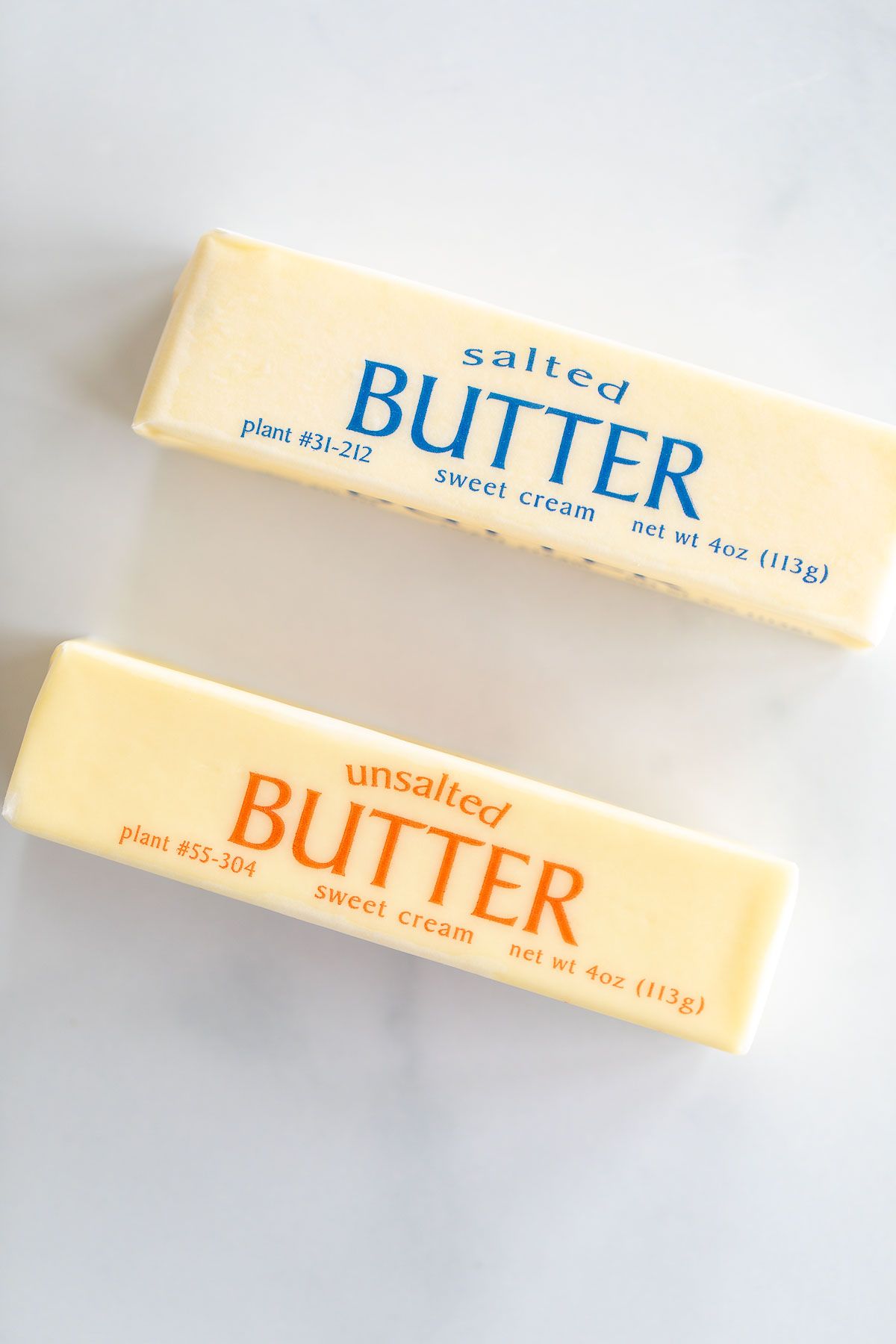
Unsalted butter, often referred to as “sweet cream butter,” contains no added salt. This makes it a blank canvas for culinary creativity, offering unparalleled control over the flavor profile of a dish. When a recipe calls for unsalted butter, it’s typically because the dish requires a very specific amount of salt, or because other salty ingredients (like cheese, cured meats, or broths) will be incorporated.
The absence of salt allows the pure, delicate flavor of the cream to shine through. This is particularly important in baking, where precision is paramount. The wrong amount of salt can throw off the balance of sweet baked goods, leading to an overly savory cake or cookie. Unsalted butter ensures that the leavening agents (baking soda, baking powder) react correctly and that the sugar and fats achieve their intended effect without interference from added sodium. Many professional bakers consider unsalted butter non-negotiable for this reason. They understand that even a slight variation in salt content from a particular brand of salted butter could alter the chemistry of their intricate recipes.
Similarly, in delicate sauces like béchamel, hollandaise, or butter sauces for seafood, unsalted butter allows the chef to build layers of flavor, adding salt at the precise moment and in the exact quantity needed. It ensures that the butter’s rich, creamy notes are the star, not overwhelmed by a premature salty edge. Given its purity, unsalted butter often has a slightly shorter shelf life than salted butter, making freshness a more critical consideration for consumers and retailers alike. This necessitates efficient supply chains and storage practices, often backed by modern technology.
Beyond the Kitchen: A Tech and Brand Perspective
The choice between salted and unsalted butter, while rooted in culinary practice, is profoundly influenced by technological innovation throughout the dairy industry and the strategic branding efforts of food companies. These elements shape how butter is produced, perceived, and ultimately purchased by consumers.
The Technology of Dairy: From Farm to Fridge
Modern dairy farming and butter production are far removed from traditional churning methods. Technology plays a critical role at every stage, ensuring efficiency, quality control, and consistency, which directly impacts the availability and characteristics of both salted and unsalted butter.
- Precision Dairy Farming: Smart agriculture technologies, including IoT sensors, AI-powered feed optimization systems, and automated milking parlors, monitor cow health and milk quality with unprecedented accuracy. This ensures a consistent supply of high-quality cream, the foundational ingredient for butter. Data analytics help farmers identify trends, predict yields, and optimize operations, leading to more efficient and sustainable dairy practices.
- Automated Processing and Quality Control: In butter manufacturing plants, highly automated systems manage every step from cream separation to churning, washing, and packaging. Advanced sensors continuously monitor fat content, moisture levels, and, crucially, salt distribution for salted varieties. Digital systems ensure that salt is evenly incorporated to a precise percentage, maintaining brand consistency across batches. AI tools can analyze production data to predict potential quality issues before they arise, minimizing waste and ensuring product uniformity.
- Packaging and Shelf Life Innovation: The packaging of butter also benefits from technology. Advanced materials and sealing techniques extend shelf life, particularly for unsalted butter which is more susceptible to spoilage. Modified atmosphere packaging (MAP) or vacuum sealing, though less common for traditional butter sticks, are examples of food tech advancements aimed at preserving freshness. QR codes on packaging can offer consumers traceability information, telling the story of the butter from farm to table, enhancing trust and transparency.
- Smart Kitchen Integration: In the consumer’s home, smart kitchen gadgets and apps are beginning to bridge the gap between butter choice and culinary success. AI-powered recipe generators can suggest whether to use salted or unsalted butter based on ingredients and desired outcomes. Smart scales can precisely measure ingredients, including butter, ensuring adherence to recipes that are sensitive to salt content. Future innovations might even see refrigerators equipped with sensors that detect butter type and freshness, offering recommendations or reorder prompts.
Branding Butter: Crafting Identity and Consumer Choice
In a market saturated with options, branding is crucial for differentiating salted and unsalted butter. Companies employ sophisticated brand strategies to guide consumer choices, leveraging design, messaging, and reputation to carve out their niche.
- Packaging Design and Messaging: The visual cues on butter packaging are meticulously designed. Premium brands often use elegant, minimalist designs to signal quality for their unsalted varieties, targeting bakers and gourmet cooks. Salted butter packaging might emphasize its “farm fresh” or “ready-to-use” convenience, appealing to a broader consumer base for everyday cooking and spreading. Colors, fonts, and imagery are all chosen to evoke specific feelings and associations, subtly communicating the product’s intended use and value proposition.
- Targeted Marketing Campaigns: Butter brands frequently run targeted marketing campaigns. Unsalted butter might be promoted through collaborations with celebrity chefs or food bloggers, highlighting its role in precise baking and gourmet cooking. These campaigns often emphasize control, quality, and the pursuit of culinary excellence. Salted butter, conversely, might feature in campaigns showcasing simple, comforting meals, emphasizing convenience and flavor enhancement for family cooking. Digital marketing, leveraging data analytics, allows brands to deliver highly personalized advertisements to consumers based on their past purchases and online behavior.
- Brand Reputation and Trust: A brand’s reputation for quality and consistency is paramount. Consumers often stick with brands they trust, especially when the subtle differences between salted and unsalted butter can significantly impact a dish. Companies invest heavily in maintaining a positive brand image through consistent product quality, ethical sourcing (e.g., grass-fed, organic), and transparent communication. Positive reviews on e-commerce platforms and social media endorsements play a significant role in building and maintaining this trust, impacting consumer perception of both their salted and unsalted offerings.
- Personal Branding in the Food Space: The impact of branding extends to personal branding for chefs, food influencers, and content creators. A baker who consistently advocates for unsalted butter in their online tutorials builds a personal brand around precision and quality, influencing their followers’ purchasing decisions. Conversely, a home cook known for simple, flavorful meals might champion salted butter for its convenience. These personal brands, amplified by social media and digital platforms, become powerful marketing channels for specific butter types and brands.
The Economic Implications: Money Matters in Butter Choices
The decision between salted and unsalted butter also carries economic weight, impacting everything from individual household budgets to the complex financial structures of the global dairy industry. Understanding these money matters provides a broader context for what might seem like a simple ingredient choice.
Cost, Value, and Supply Chains
While often priced similarly, there can be subtle cost differences between salted and unsalted butter, and these differences are tied to production, market dynamics, and perceived value.
- Production Costs: Theoretically, salted butter might incur a slightly higher cost due to the added ingredient and the precision required for its even distribution. However, this is often offset by economies of scale and the salt’s preservative properties, which can reduce spoilage and extend shelf life during distribution. Unsalted butter, needing to be fresher, might incur slightly higher costs related to faster turnover and more rigorous cold chain management.
- Market Demand and Pricing: Consumer demand plays a significant role in pricing. If unsalted butter is perceived as a premium ingredient for baking and gourmet cooking, brands might justify a slightly higher price point. Conversely, if salted butter is seen as an everyday commodity, its price might be more competitive. Global dairy commodity prices, influenced by factors like feed costs, weather patterns, and international trade policies, also dictate the base cost of butter for all varieties.
- Impact on Business Finance: For restaurants, bakeries, and food manufacturers, the choice between salted and unsalted butter has direct financial implications. Purchasing in bulk, negotiating supplier contracts, and minimizing waste are critical. A bakery using large quantities of unsalted butter will factor its cost per pound into the pricing of their baked goods. A restaurant might choose salted butter for certain applications to save on labor costs (not needing to add salt separately) or to ensure consistency across multiple chefs. Financial tools and software are increasingly used by businesses to track ingredient costs, manage inventory, and optimize purchasing decisions to maximize profitability.
- Investment Opportunities: The dairy industry, including butter production, represents a significant sector for investment. This spans traditional dairy farms to advanced food technology companies developing new processing techniques or sustainable packaging. Investors looking into the “Money” aspect might explore opportunities in dairy tech startups focused on efficiency, traceability, or alternative butter production methods (e.g., plant-based butter). The growing demand for high-quality, sustainably sourced ingredients, including specific types of butter, presents a compelling case for investment in responsible food production.
Smart Shopping and Financial Planning for Foodies
For the average consumer, the butter choice also impacts personal finance and budgeting for groceries. Making informed decisions can lead to smarter spending and better financial planning for food.
- Budgeting for Quality Ingredients: While a tub of butter might seem a minor expense, regular purchases add up. Consumers who prioritize gourmet or organic unsalted butter for specific recipes are making a conscious financial choice to invest in ingredient quality. Financial planning for foodies involves allocating budget segments for staple items versus specialty ingredients.
- Bulk Buying and Storage: Recognizing that unsalted butter has a shorter shelf life, financially savvy consumers might buy smaller quantities more frequently, or learn proper freezing techniques to extend its usability, thus reducing waste and saving money in the long run. Salted butter, with its longer shelf life, is often a safer bet for bulk purchases if freezer space is limited.
- Online Income and Monetization: The culinary interest spurred by the salted vs. unsalted debate also creates opportunities for online income. Food bloggers, YouTubers, and recipe developers often build content around such distinctions, offering tutorials, taste tests, and product reviews. Monetization through advertising, affiliate marketing (linking to specific butter brands or kitchen tools), and sponsored content can turn a passion for cooking into a side hustle or even a full-time business. These digital entrepreneurs effectively leverage the “Money” aspect by catering to a niche interest within the vast food landscape.
- Financial Tools for Grocery Management: Various apps and digital tools assist consumers in tracking grocery expenses, comparing prices between stores, and finding deals on specific ingredients like butter. These tools help individuals manage their food budget more effectively, allowing them to make informed choices about when and where to purchase salted or unsalted butter, especially when considering the subtle price variations.
Making the Right Choice: Practical Advice and Culinary Creativity
Ultimately, the choice between salted and unsalted butter often boils down to the specific culinary application and personal preference. However, understanding the nuances, informed by insights from technology, branding, and economics, empowers you to make a more deliberate and effective decision.
When to Use Which: A Quick Guide
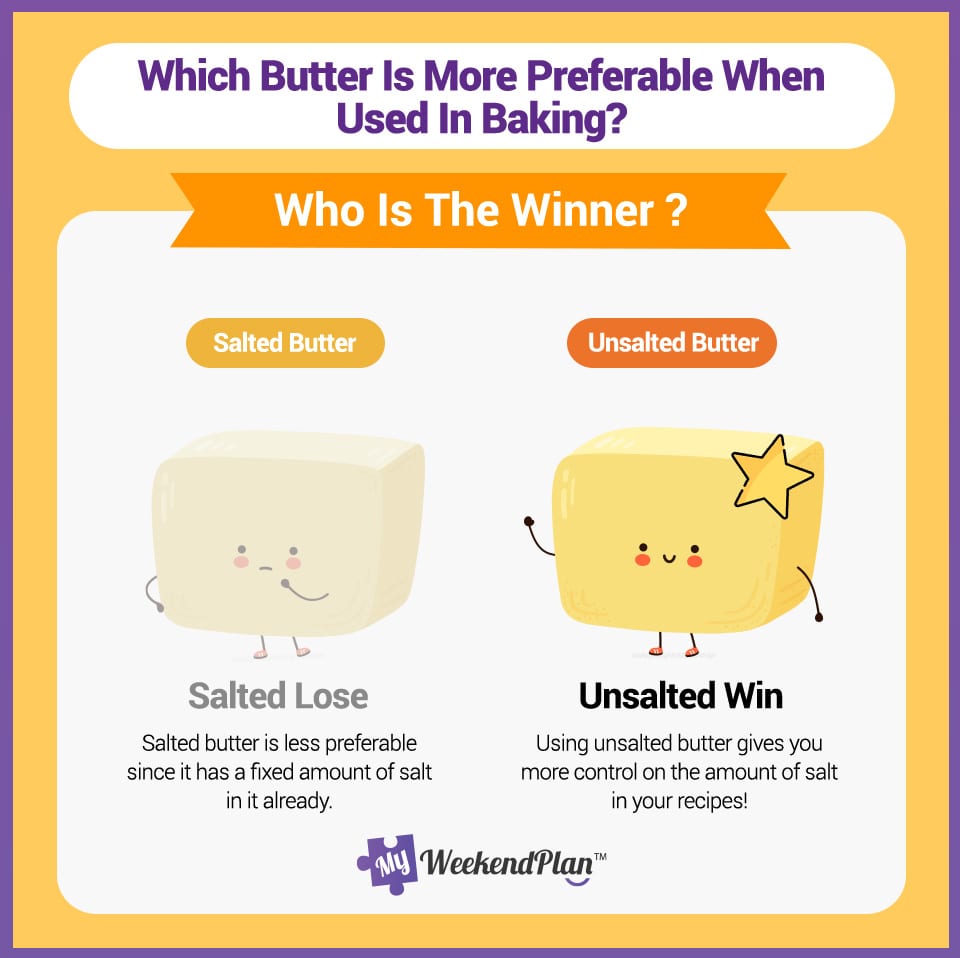
- Baking: For almost all baking, unsalted butter is the gold standard. It provides the precision needed for chemical reactions with leavening agents and allows you to control the exact salt content, ensuring a balanced flavor in cakes, cookies, pastries, and breads.
- Savory Cooking (where salt is added elsewhere): In dishes like delicate sauces (hollandaise, béchamel), risottos, or when making compound butters with other salty ingredients, unsalted butter is preferred. It gives you complete control over seasoning.
- Finishing Dishes: For whisking into a pan sauce at the last minute or melting over vegetables to add richness without excessive saltiness, unsalted butter is often the better choice.
- Spreading and Everyday Use: For spreading on toast, bagels, or using in simple sandwiches, salted butter offers convenience and a ready-to-eat flavor. It’s also often suitable for general sautéing of vegetables or meats where you’ll season to taste later.
- Recipes with Minimal Salt or Sweetness: If a savory recipe doesn’t call for much additional salt, or a sweet recipe isn’t overly sweet, salted butter can sometimes work, but always taste and adjust.
Experimentation and Personal Preference
While general guidelines exist, the beauty of cooking lies in experimentation. Don’t be afraid to try both types in various dishes and taste the difference.
- Leveraging Technology for Experimentation: Modern technology can even aid in this experimentation. Online recipe platforms and food apps allow you to easily find variations of recipes using both salted and unsalted butter. AI-powered tools can analyze ingredient lists and suggest optimal butter types or even predict the outcome of swapping one for the other. Digital journals or apps can help you log your experiments, tracking which butter worked best for which dish, and why.
- Community and Learning: Online food communities, forums, and social media groups are excellent resources for sharing experiences and learning from others. Chefs and home cooks regularly discuss the pros and cons of each butter type, offering practical tips and creative uses that extend beyond traditional advice. This collective knowledge, facilitated by digital platforms, enriches the culinary experience for everyone.
In conclusion, the difference between salted and unsalted butter is more than just a matter of taste; it’s a nuanced decision rooted in culinary science, propelled by technological advancements in dairy production, strategically shaped by brand marketing, and underscored by economic considerations. By understanding these multifaceted aspects, you can elevate your cooking, make informed purchasing choices, and appreciate the intricate journey of this humble yet indispensable ingredient.
aViewFromTheCave is a participant in the Amazon Services LLC Associates Program, an affiliate advertising program designed to provide a means for sites to earn advertising fees by advertising and linking to Amazon.com. Amazon, the Amazon logo, AmazonSupply, and the AmazonSupply logo are trademarks of Amazon.com, Inc. or its affiliates. As an Amazon Associate we earn affiliate commissions from qualifying purchases.