
It’s a question that has sparked countless debates, fueled online forums, and become a cultural meme: what exactly is the difference between a Left Twix and a Right Twix? For years, the Mars company, through its iconic Twix brand, has playfully perpetuated this confectionery conundrum, presenting two seemingly identical caramel-and-biscuit chocolate bars as distinct entities. The reality, of course, is that from a purely product perspective, there is no tangible difference. Yet, this brilliant marketing campaign isn’t about the chocolate bar itself; it’s a masterclass in brand strategy, a testament to the power of narrative, and a shrewd financial play that leveraged modern technology to captivate consumers worldwide.
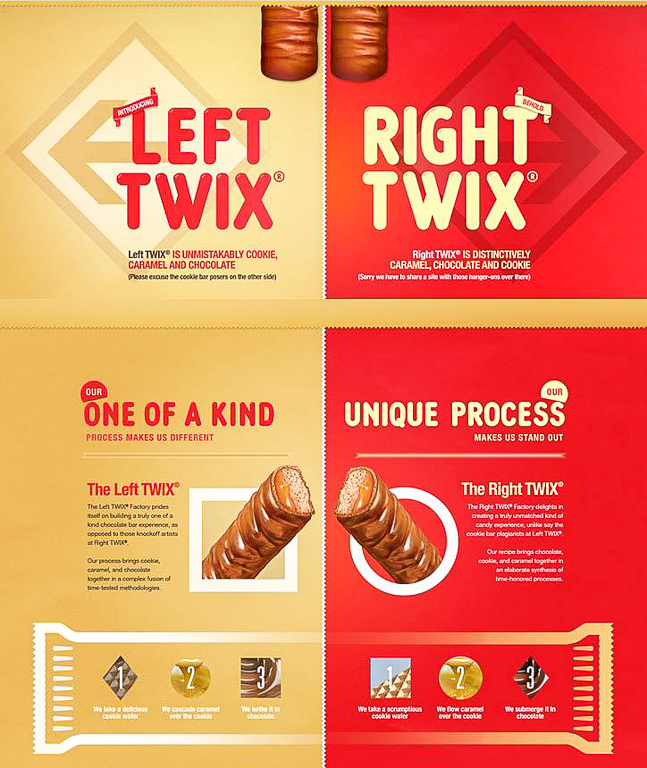
This article delves beyond the wrapper, exploring how this ingenious campaign exemplifies the intersection of branding, technology, and financial acumen. We’ll unpack the strategic genius that transformed a simple candy bar into a compelling cultural touchstone, demonstrating how brands can create engagement, drive sales, and build lasting equity through creativity and strategic execution, even when the “difference” is entirely fabricated.
The Ingenious Brand Strategy Behind the Divide
At its core, the “Left Twix vs. Right Twix” campaign is a study in brand building through imaginative storytelling. Mars didn’t just sell a chocolate bar; they sold a narrative, a friendly rivalry, and an invitation for consumers to take a side. This strategic move single-handedly revitalized the Twix brand, making it relevant and engaging for a new generation while reinforcing its classic appeal.
Crafting a Fictional Feud: The Origin Story
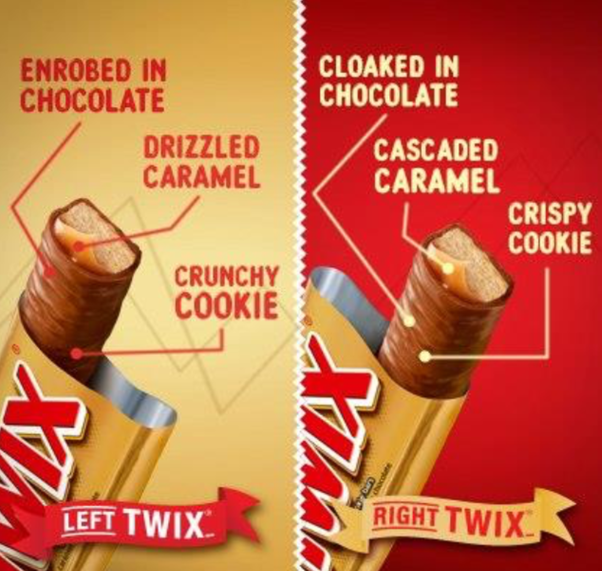
The campaign’s genesis lies in a cleverly fabricated backstory. Twix, according to Mars, was once a single, unified chocolate bar. However, due to an epic, albeit fictional, sibling rivalry between two brothers, Seamus and Earl, the original Twix factory split into two separate operations. Each brother, convinced of his superior method, began producing what he claimed was the “true” Twix bar. Thus, Left Twix was born, “flowing caramel on a crisp cookie, cloaked in chocolate,” created with “horizontal flow.” Meanwhile, Right Twix emerged, “cascading caramel on a crisp cookie, enrobed in chocolate,” made with “vertical cascade.”
This origin story is a textbook example of effective corporate identity creation. It imbues a mass-produced product with a unique, quirky personality. By inventing a narrative that explains a non-existent division, Mars tapped into fundamental human tendencies: curiosity, the desire to belong to a “side,” and the enjoyment of a good story. This wasn’t just an advertisement; it was an expansion of the Twix universe, giving consumers something to talk about and engage with beyond taste and texture. The “design” of the packaging further reinforced this, with distinct, albeit subtly different, descriptions and graphics for each “side.” It’s a testament to how deep a brand strategy can go in creating perceived value.
Marketing the Myth: Engagement Beyond the Wrapper
Once the origin story was established, the real work of marketing the myth began. Mars employed a multi-faceted approach, utilizing every available channel to propagate the “feud.” Television commercials depicted the rival factories, each boasting about its unique, superior process. Print ads showcased the supposed differences in caramel application and chocolate coating. But it was in the digital realm where the campaign truly flourished, transforming it from a clever ad into a cultural phenomenon.
The packaging itself became a primary marketing tool. Each Twix bar, clearly labeled “Left” or “Right,” presented consumers with an immediate choice, a subtle nudge to participate in the ongoing debate. This brilliant design choice turned a passive purchase into an active decision, no matter how trivial. Consumers were encouraged to “pick a side,” to champion their preferred Twix, even if, deep down, they knew the difference was psychological. This created an organic, user-generated marketing engine. People posted photos of their chosen Twix, debated online, and shared their “preference” with friends. The campaign wasn’t just about selling chocolate; it was about selling an experience, a conversation starter, and a piece of playful pop culture. The long-term impact on Twix’s reputation was immense, solidifying its place as a brand that understood how to connect with its audience on a deeper, more engaging level than its competitors.
Leveraging Technology to Amplify the Narrative
The “Left Twix vs. Right Twix” campaign wouldn’t have achieved its iconic status without a robust digital strategy. In an age dominated by connectivity, technology became the primary vehicle for disseminating the myth, engaging the audience, and measuring the campaign’s far-reaching impact.
Digital Dominance: Social Media and Content Marketing
The internet, particularly social media platforms, proved to be the perfect ecosystem for the Twix campaign to thrive. Platforms like Facebook, Twitter (now X), Instagram, and even YouTube became the battlegrounds for the “Left vs. Right” debate. Mars actively encouraged user-generated content, running polls, asking leading questions, and featuring fan submissions. Hashtags like #LeftTwix and #RightTwix became viral sensations, sparking millions of conversations, memes, and even fan fiction.
This digital dominance wasn’t accidental. It leveraged key technology trends of the era, understanding how consumers interacted with brands online. By framing the campaign as an ongoing, interactive debate rather than a static advertisement, Twix transformed its audience from passive viewers into active participants. Each share, like, comment, or retweet extended the campaign’s reach exponentially, effectively turning every Twix consumer into a brand ambassador. This strategy showcased the immense power of app-based social media and content marketing to create buzz and sustain engagement for years, far beyond the initial ad spend. It tapped into the human desire for social interaction and belonging, giving people a low-stakes topic to rally around.
Analytics and Engagement: Measuring the Brand’s Pulse
While the playful nature of the campaign was its public face, behind the scenes, sophisticated software and AI tools were likely employed to track its performance. Brands today rely heavily on data analytics to understand consumer behavior, measure campaign effectiveness, and refine future strategies. For Twix, this would involve monitoring social media sentiment, tracking engagement rates (likes, shares, comments), analyzing website traffic driven by the campaign, and correlating these metrics with sales data.
Such analytics provide invaluable insights into what resonates with the target audience, which platforms deliver the best ROI, and how the overall brand perception is evolving. AI tools could have been used to analyze vast amounts of unstructured social media data, identifying key trends, influential voices, and emerging consumer insights. This data-driven approach allows brands to move beyond guesswork, making informed decisions that optimize their marketing spend and deepen their connection with consumers. While direct digital security implications might not be immediately obvious for this specific campaign, robust digital security measures are always paramount to protect consumer data, brand assets, and proprietary campaign strategies from cyber threats, ensuring the integrity and longevity of such extensive digital marketing efforts.
Future-Proofing the Fun: Immersive Tech Possibilities
Looking ahead, imagine how a campaign like “Left Twix vs. Right Twix” could evolve with cutting-edge technology trends. Augmented Reality (AR) and Virtual Reality (VR) could create immersive experiences where consumers virtually tour the “Left Twix” and “Right Twix” factories, interacting with the “different” production processes in 3D. QR codes on wrappers could launch AR filters that overlay animations of caramel cascading or flowing over the chocolate bar when viewed through a smartphone app.
Gadgets like smart speakers or interactive displays could host AI-powered chatbots designed to playfully argue the merits of Left vs. Right Twix, making the debate even more personalized and engaging. Gamification could be introduced, allowing consumers to “earn points” for picking a side or participating in quizzes. The integration of blockchain technology could even offer tokenized rewards for brand loyalty or unique digital collectibles related to the Twix lore. These futuristic applications of technology demonstrate how brands can continually innovate their marketing strategies, using emerging tools to deepen engagement, create memorable experiences, and keep a classic campaign fresh and relevant for a digitally-native audience.
The Financial Dividends of a Clever Campaign
Ultimately, the goal of any marketing campaign, no matter how creative, is to positively impact a company’s bottom line. The “Left Twix vs. Right Twix” campaign stands as a shining example of how a shrewd brand strategy, amplified by technology, can generate significant financial dividends, enhancing brand equity and driving sales.
ROI Beyond the Chocolate Bar: Brand Equity and Sales
The return on investment (ROI) for the Twix campaign extended far beyond immediate sales figures. While direct sales increases were undoubtedly a primary objective and likely achieved, the most significant financial gain came in the form of elevated brand equity. Brand equity refers to the commercial value derived from consumer perception of a brand name, rather than from the product itself. By creating a unique narrative and fostering deep consumer engagement, Twix solidified its position in a highly competitive confectionery market. This increased equity translates into several financial benefits: greater customer loyalty, willingness to pay a premium, stronger leverage with retailers, and enhanced brand resilience against competitors.
Investing in such a creative, impactful campaign proved to be a strategic allocation of business finance. The initial marketing budget generated a long-term asset – a strong, memorable brand identity that continued to resonate with consumers for years. This investment allowed Twix to stand out, command attention, and ultimately capture a larger share of the market, proving that innovative marketing can be a powerful engine for business growth and a smart long-term investment in a company’s future. The viral nature of the campaign also meant a significant amount of “free” media coverage and user-generated content, dramatically extending its reach without additional ad spend, effectively boosting its ROI further.
Understanding Consumer Psychology and Spending
The financial success of the Twix campaign also highlights the critical role of understanding consumer psychology. Humans are inherently drawn to stories, to belonging, and to playful interactions. The “Left Twix vs. Right Twix” campaign tapped into these fundamental psychological principles, subtly influencing spending habits without overtly pushing a sales message.
By presenting a “choice,” even a trivial one, the campaign created a sense of ownership and personal connection for the consumer. People enjoy being part of a group, even if that group is simply “Team Left Twix.” This tribalism, coupled with the inherent curiosity about the “difference,” drove repeat purchases as consumers sought to “verify” their preference or simply engage with the ongoing joke. From a personal finance perspective, this illustrates how emotional connections and brand narratives can influence purchasing decisions more than rational product attributes. Brands that successfully leverage psychological insights often see greater engagement and, consequently, increased consumer spending on their products. This strategic manipulation of perception is a powerful tool in a brand’s arsenal.
Lessons for Modern Business: Budgeting for Brand Brilliance
The Twix campaign offers invaluable lessons for modern businesses on budgeting for marketing and brand development. It demonstrates that sheer ad spend isn’t always the most effective strategy; rather, it’s the creativity and strategic thinking behind the campaign that truly matter. Companies should allocate budget not just for advertising slots, but for cultivating innovative ideas that can cut through the noise and resonate deeply with consumers.
Financial tools and metrics are crucial here. Businesses need robust systems to track marketing expenditure, measure campaign performance against KPIs (Key Performance Indicators), and calculate the ROI accurately. This includes understanding the direct financial impact (e.g., sales lift) as well as the indirect, long-term benefits like increased brand awareness, improved perception, and enhanced customer loyalty. The Twix campaign underscores that investing in brand brilliance – campaigns that are clever, engaging, and unique – can generate disproportionately higher returns compared to generic advertising. It’s about building a brand asset, not just running an ad. This approach helps companies to prioritize strategic, high-impact campaigns over scattershot advertising, ensuring that marketing dollars are spent wisely and effectively to achieve both short-term sales goals and long-term brand building objectives.

The Enduring Legacy: A Masterclass in Marketing
In conclusion, the question “What’s the difference between Left Twix and Right?” is a rhetorical one, a testament to the unparalleled genius of modern marketing. The actual difference is precisely nothing, and yet, that very lack of difference is the campaign’s most profound strength. It is a brilliant example of how a brand can create immense value, engagement, and financial success by inventing a compelling narrative, leveraging technology to amplify its reach, and understanding the intricate psychology of its consumers.
The Twix campaign stands as an enduring masterclass, demonstrating that in the competitive landscape of the 21st century, the most impactful marketing isn’t always about superior product features. Sometimes, it’s about the superior story, the clever execution, and the invitation for consumers to participate in a shared, playful experience. It’s a powerful reminder that strong brands are built not just on products, but on perceptions, conversations, and a touch of marketing magic that makes the non-existent difference the most talked-about feature of all.
aViewFromTheCave is a participant in the Amazon Services LLC Associates Program, an affiliate advertising program designed to provide a means for sites to earn advertising fees by advertising and linking to Amazon.com. Amazon, the Amazon logo, AmazonSupply, and the AmazonSupply logo are trademarks of Amazon.com, Inc. or its affiliates. As an Amazon Associate we earn affiliate commissions from qualifying purchases.