
Summer brings with it the glorious sunshine, longer days, and often, the relentless heat. As temperatures climb, our thoughts inevitably turn to finding respite, and for many, the humble fan becomes an indispensable ally. But have you ever paused to consider the intricate mechanics, the evolving technology, the financial implications, and even the branding strategies behind this seemingly simple device? The question, “what way does fan turn in summer,” while appearing straightforward, opens a fascinating dialogue that intersects with cutting-edge technology, shrewd financial planning, and the art of brand positioning in the modern era. It’s more than just about a motor and blades; it’s about optimizing comfort, conserving energy, and leveraging innovation for a smarter, cooler future.
The Science of Summer Cooling: Understanding Fan Mechanics and Airflow
At its core, a fan doesn’t actually cool the air; it creates a wind chill effect by circulating it. This movement helps to evaporate moisture from our skin, tricking our bodies into feeling cooler, much like a natural breeze. But the way a fan turns, especially a ceiling fan, is crucial for maximizing this effect in summer.
Counter-Clockwise for Comfort: Ceiling Fan Fundamentals
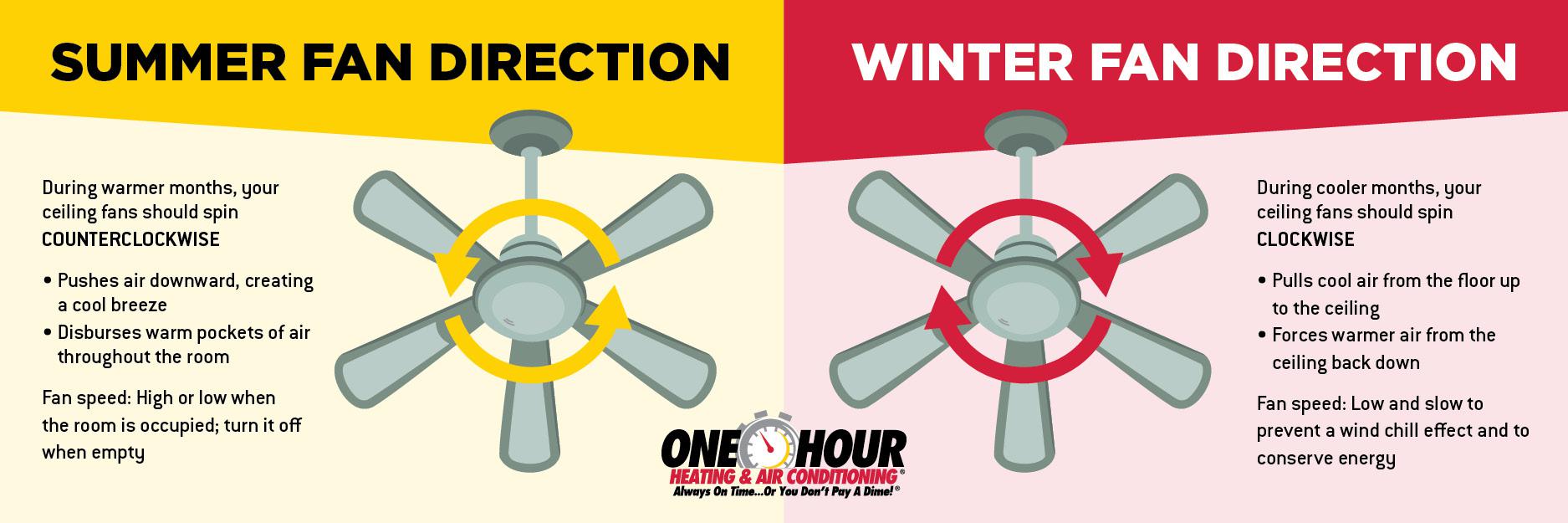
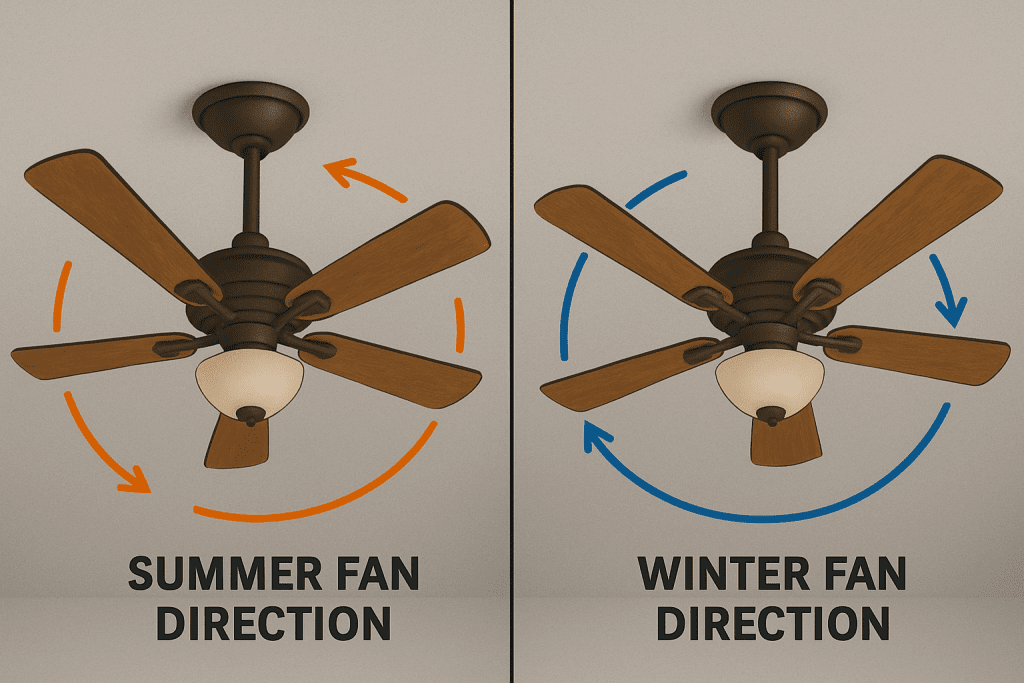
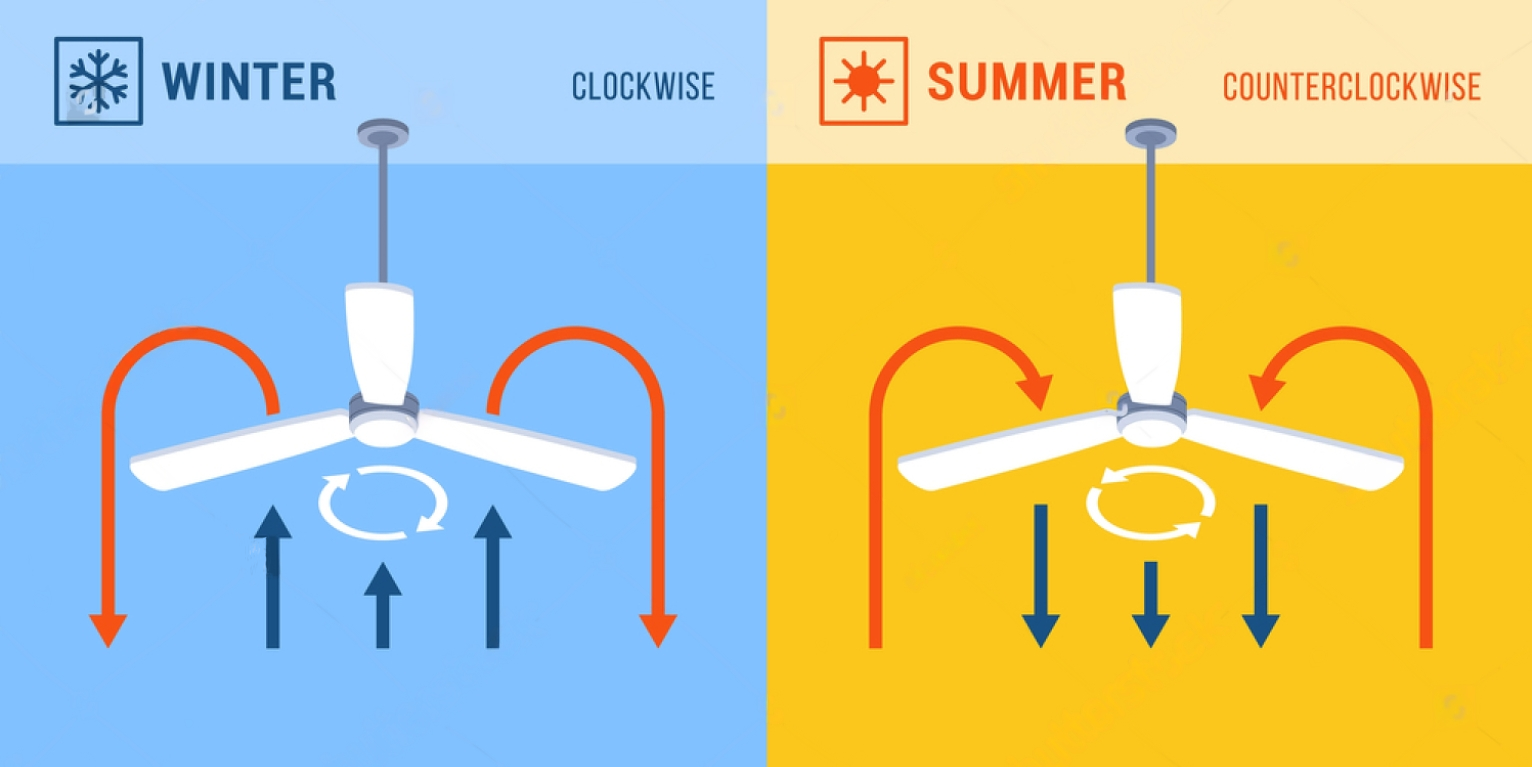
For ceiling fans, the optimal direction of rotation in summer is counter-clockwise when viewed from below. This specific rotation pushes air downwards, creating a direct downdraft that circulates air more effectively throughout the room. This direct breeze against your skin enhances evaporative cooling, making the room feel several degrees cooler without actually lowering the ambient temperature. It’s a simple yet powerful application of fluid dynamics: by directing air towards occupants, the fan accelerates the natural cooling process of the human body.
Compare this to winter operation, where a ceiling fan typically turns clockwise at a low speed, drawing cool air up and pushing warm air (which naturally rises) down along the walls. This gentle updraft helps redistribute heat without creating a chilling breeze. The ability to reverse direction is a testament to thoughtful engineering, allowing a single device to serve dual purposes for year-round climate control.
Beyond the Blades: Exploring Different Fan Technologies
While ceiling fans are iconic, the world of cooling technology extends far beyond. Modern advancements, deeply rooted in the “Tech” domain, have revolutionized fan design and functionality.
- Axial Fans: This is the most common type, including ceiling fans, box fans, and pedestal fans. They move air parallel to the fan’s axle, often with large blades designed for high airflow. Advances here include more aerodynamic blade designs for quieter operation and higher efficiency, often employing composite materials to reduce weight and vibration.
- Centrifugal (Blower) Fans: These fans draw air in perpendicular to the motor and discharge it outwards, often through a grille. Tower fans are a prime example, offering a space-saving vertical design and a wide oscillation range. They’re excellent for circulating air throughout a room but typically don’t create as strong a direct breeze as a large axial fan.
- Bladeless Fans: Epitomized by brands like Dyson, bladeless fans represent a significant leap in design and safety. They work by drawing air into a base unit, accelerating it through an aperture in an annular (ring-shaped) amplifier, and projecting it as a smooth, high-velocity stream. This “Air Multiplier” technology not only eliminates visible blades, making them safer and easier to clean, but also creates a consistent, powerful airflow. From a “Tech” perspective, these devices showcase sophisticated motor control, fluid dynamics, and aesthetic innovation, often integrating smart features.
The evolution of fan technology isn’t just about moving air; it’s about doing so more efficiently, quietly, and intelligently. This focus on performance and user experience sets the stage for the next wave of innovation: integrating fans into the broader smart home ecosystem.
The Smart Revolution in Home Cooling: Tech-Driven Comfort and Control
The question of “what way does fan turn” takes on a whole new dimension when viewed through the lens of modern technology. Today’s fans are no longer mere mechanical devices; many are intelligent components of a connected home, leveraging software, AI, and digital security to deliver unparalleled comfort and efficiency. This shift fundamentally transforms how we interact with our environment, moving from reactive adjustments to proactive, personalized climate control.
Integrating IoT: Smart Fans and Home Automation Ecosystems
The Internet of Things (IoT) has brought unprecedented connectivity to household appliances, and fans are no exception. Smart fans, equipped with Wi-Fi modules, can be controlled via dedicated smartphone apps, voice commands through virtual assistants like Amazon Alexa or Google Assistant, or integrated into broader smart home platforms. This means you can adjust fan speed, oscillation, direction (for reversible ceiling fans), and even set schedules from anywhere, whether you’re on the couch or halfway across the globe.
Beyond simple remote control, smart fans can interact with other smart home devices. Imagine your smart thermostat detecting rising temperatures and automatically activating your smart ceiling fan to help alleviate the load on your AC. Or perhaps your smart door/window sensors detect an open window, prompting the fan to turn off, preventing wasted energy. This seamless integration creates a truly responsive and energy-efficient living environment, moving beyond individual gadget control to a holistic comfort management system. These ecosystems represent the forefront of “Tech” innovation, offering users a new level of convenience and optimization.
AI and Adaptive Cooling: Predictive Comfort for Modern Living
The integration of Artificial Intelligence (AI) takes smart cooling a step further. AI-powered fans can learn your preferences and daily routines, adapting their operation without direct input. For instance, they can track outdoor weather forecasts, indoor temperature fluctuations, and even occupancy patterns to pre-emptively adjust settings. If the AI learns you typically return home at 6 PM and prefer a cooler environment, it can begin increasing fan speed or adjusting its direction shortly before your arrival, ensuring optimal comfort as you walk through the door.
Some advanced systems utilize machine learning to fine-tune their operation over time, optimizing airflow not just for comfort but also for energy efficiency. This predictive capability minimizes wasted energy by ensuring the fan operates only when and how it’s most effective. This application of AI Tools showcases the power of data-driven decision-making, transforming a simple fan into an intelligent climate assistant.
Digital Security in the Smart Home: Protecting Your Connected Comfort
As more devices connect to our home networks, the importance of “Digital Security” cannot be overstated. Smart fans, like any IoT device, can present potential vulnerabilities if not properly secured. User data, usage patterns, and even access to your home network could be compromised if manufacturers don’t prioritize robust security protocols.
For consumers, it’s crucial to:
- Use Strong, Unique Passwords: For both your Wi-Fi network and the fan’s associated app account.
- Enable Two-Factor Authentication (2FA): If available, for an extra layer of security.
- Keep Firmware Updated: Manufacturers regularly release updates to patch security vulnerabilities and improve performance.
- Isolate IoT Devices: Consider setting up a separate guest network or VLAN for your smart home devices to segment them from your primary network.
Reputable “Brand” manufacturers of smart home devices understand these concerns and invest heavily in secure product development, encryption, and regular security audits. As our homes become smarter, our vigilance regarding digital security must keep pace.
The Economic Angle: Saving Money with Strategic Fan Use
Beyond comfort and cutting-edge technology, the “Money” aspect of fan usage is compelling. Employing fans strategically, particularly in summer, can lead to significant cost savings on utility bills, making them a wise investment for any household budget.
Fan vs. AC: A Cost-Benefit Analysis
The most obvious financial benefit of fans is their energy efficiency compared to air conditioning. An air conditioner cools an entire room by removing heat, consuming substantial electricity in the process. A typical central AC unit can draw 3,000-5,000 watts per hour, costing upwards of $0.30-$0.60 per hour to operate, depending on electricity rates. In contrast, a ceiling fan typically uses only 15-75 watts, costing pennies per hour (e.g., $0.002-$0.01 per hour).
By using fans, you can often raise your thermostat setting by 2-4 degrees Fahrenheit without sacrificing comfort. Since every degree you raise the thermostat can reduce cooling costs by 3-5%, the savings quickly add up over a hot summer. Fans are most effective when you are in the room, as their cooling effect is localized. So, using a fan to supplement AC in occupied rooms allows you to run the AC less, or at a higher temperature, leading to substantial “Personal Finance” savings.
Investing in Efficiency: The Long-Term Savings of Smart Fans
While a basic fan is inexpensive, investing in energy-efficient models, particularly DC motor fans or smart fans, can yield greater long-term “Investing” returns. DC (direct current) motor fans consume significantly less electricity (up to 70% less) than traditional AC (alternating current) motor fans, making their higher upfront cost a sound investment over their lifespan. Their quieter operation and more precise speed control are added benefits.
Smart fans, with their ability to integrate with smart thermostats and leverage AI for optimized operation, further enhance energy savings. By preventing unnecessary operation and adapting to real-time conditions, they ensure you’re only paying for cooling when and where it’s truly needed. The initial outlay for these “Gadgets” might be higher, but the cumulative savings on utility bills, combined with enhanced comfort and control, often justify the investment within a few years. These are not just purchases; they are strategic financial tools for managing household expenses.
Monitoring Your Money: Financial Tools for Energy Management
For those keen on tracking their “Money” and energy consumption, several “Financial Tools” can help. Many smart home apps provide detailed energy usage reports for connected devices, allowing you to see exactly how much electricity your smart fan (and other appliances) consume. Beyond device-specific apps, utility companies often offer online portals or apps that provide real-time or near-real-time electricity usage data.
By regularly reviewing these insights, users can identify patterns, make informed decisions about their cooling habits, and further optimize their energy expenditure. Some advanced smart home hubs can even integrate with energy monitors installed at your home’s main electrical panel, offering a comprehensive view of your entire household’s energy footprint. This granular data empowers consumers to take control of their “Business Finance” at a micro-level, turning energy management into a data-driven process. Moreover, for those interested in “Online Income” or “Side Hustles,” understanding these financial dynamics can open doors to offering smart home installation or energy consulting services to others.
Branding Cool: How Innovation Shapes the Cooling Market
The way a fan turns isn’t just a technical specification; it’s also a reflection of a brand’s commitment to design, performance, and user experience. In a crowded market, “Brand Strategy” is critical for differentiating products, especially as fans evolve from simple appliances to sophisticated smart home devices.
Crafting a Cool Identity: Branding Strategies in the Fan Industry
Fan manufacturers deploy diverse “Marketing” and “Design” strategies to carve out their niche. Some brands focus on heritage and reliability, emphasizing decades of experience in crafting durable, efficient fans. Hunter Fan Company, for instance, leverages its long history to instill trust, while also innovating with smart home compatibility. Other brands might prioritize sleek aesthetics and minimalist design, appealing to consumers who view home appliances as extensions of their personal style.
The “Brand” identity often hinges on specific features or unique selling propositions:
- Performance and Power: Brands like Big Ass Fans (originally known for their large industrial fans, now expanding into luxury residential) emphasize superior airflow and coverage. Their branding highlights robustness and industrial-grade efficiency.
- Innovation and Design: Dyson stands out with its “bladeless” technology, premium pricing, and focus on aesthetic appeal, air purification, and sophisticated engineering. Their marketing emphasizes cutting-edge “Technology Trends” and a departure from traditional fan designs.
- Energy Efficiency and Sustainability: With growing environmental consciousness, brands that highlight low power consumption, use of recycled materials, or certifications for energy efficiency (like ENERGY STAR) appeal to eco-minded consumers. This aligns with a strong “Corporate Identity” focused on sustainability.
- Smart Home Integration: Brands positioning themselves at the forefront of the “Tech” curve emphasize seamless connectivity, app control, and compatibility with popular smart home ecosystems. This is where “Software” and “AI Tools” become part of the brand narrative.
Effective “Brand Strategy” in the fan market goes beyond merely selling a cooling device; it’s about selling a lifestyle of comfort, efficiency, and smart living.
From Niche to Necessity: The Rise of Premium and Smart Fan Brands
The market for fans has seen a significant shift towards premium and smart offerings. What once was a commodity product now boasts high-end designs, advanced features, and hefty price tags. This transformation is driven by several factors:
- Consumer Demand for Smart Homes: As smart technology becomes mainstream, consumers expect their appliances to be connected and intelligent.
- Focus on Wellness and Air Quality: Many premium fans now integrate air purification features, tapping into growing concerns about indoor air quality.
- Aesthetic Integration: Fans are no longer just functional; they are decorative elements that must complement modern interior design.
- Desire for Energy Efficiency: Consumers are willing to pay more upfront for products that promise long-term savings on utility bills.
This evolution has allowed brands to command higher prices, turning fans into investment pieces rather than disposable items. Through compelling “Case Studies” and strong “Reputation” management, these brands are educating consumers on the value proposition of superior technology and design, solidifying their place in the burgeoning smart home market. This premiumization also creates opportunities for “Personal Branding” for tech enthusiasts and influencers who review and showcase these advanced gadgets.
Beyond Rotation: Future Trends and Your Personal Cooling Strategy
The simple question, “what way does fan turn in summer,” has led us on a journey through the intricate world of technology, finance, and branding. It’s clear that the future of home cooling is dynamic, intelligent, and increasingly integrated.
Looking ahead, we can anticipate even more sophisticated AI-driven climate control systems that not only learn individual preferences but also adapt to personal biometrics, optimize for specific room zones, and seamlessly integrate with other home systems like smart windows and shading. The focus will continue to be on hyper-personalization, maximum energy efficiency, and a minimalist design aesthetic that blends effortlessly into any home environment.
For you, the consumer, the “way” a fan turns in summer is increasingly about making informed choices. It’s about leveraging technology to create a more comfortable home, making savvy financial decisions to lower your energy bills, and recognizing the value that innovative brands bring to the market. By understanding the science, embracing the smart revolution, calculating the economic benefits, and appreciating brand innovation, you’re not just buying a fan; you’re investing in a cooler, smarter, and more cost-effective summer experience. The direction of the blades is just the beginning; the direction of progress is what truly matters.
aViewFromTheCave is a participant in the Amazon Services LLC Associates Program, an affiliate advertising program designed to provide a means for sites to earn advertising fees by advertising and linking to Amazon.com. Amazon, the Amazon logo, AmazonSupply, and the AmazonSupply logo are trademarks of Amazon.com, Inc. or its affiliates. As an Amazon Associate we earn affiliate commissions from qualifying purchases.