
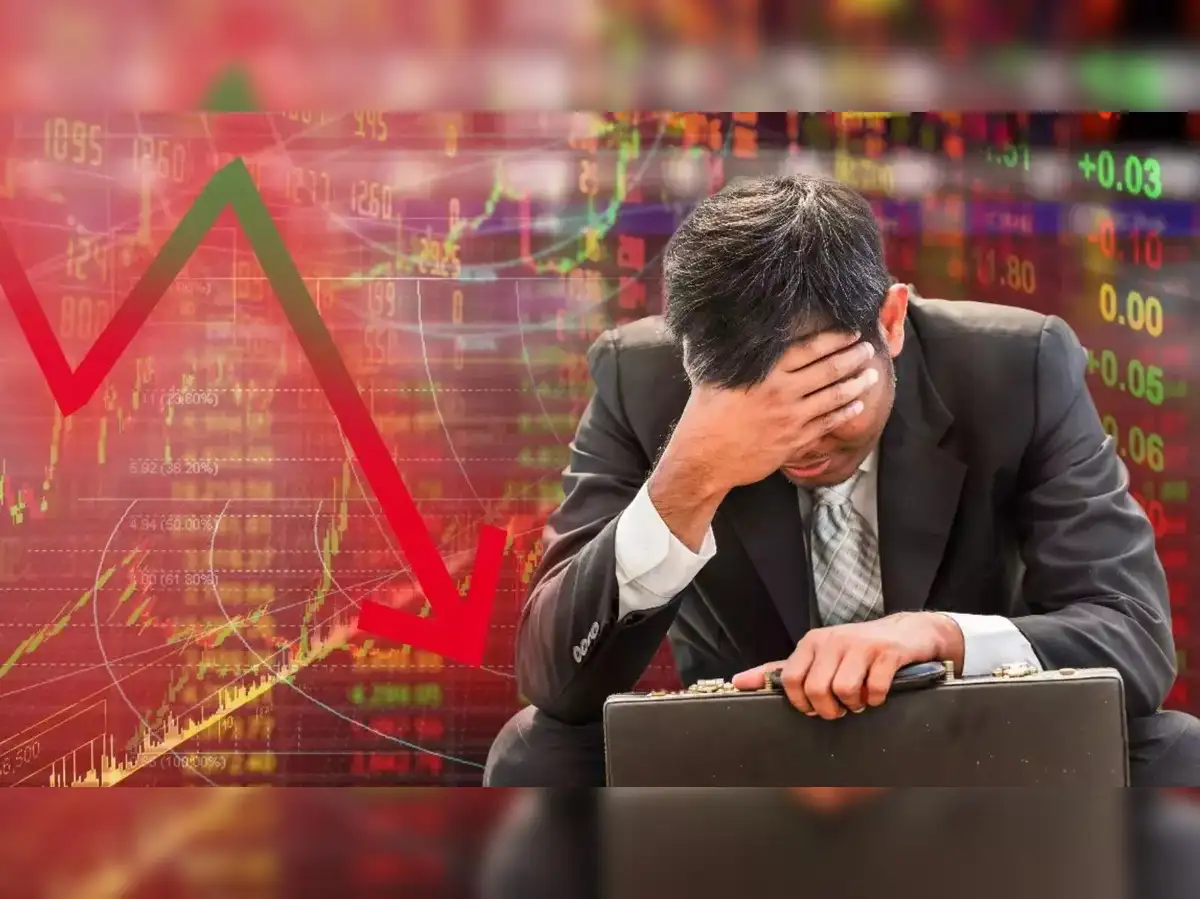
For many investors, opening a brokerage account to see a sea of red is an unsettling experience. Whether you are a seasoned trader or a long-term retirement saver, the question “why is the stock market down?” is often the first thought that comes to mind when portfolios dip. While the stock market is historically an engine for wealth creation, it is rarely a straight line upward. Market downturns are a fundamental part of the economic cycle, driven by a complex interplay of interest rates, corporate health, and global stability.
Understanding the mechanics behind a market decline is essential for maintaining a disciplined investment strategy. Rather than reacting out of fear, an insightful investor looks for the underlying catalysts. This article explores the primary reasons why markets retreat and how these factors influence your financial landscape.
The Macroeconomic Catalyst: Interest Rates and Inflation
The most significant driver of stock market performance in the modern era is the macroeconomic environment, specifically the actions taken by central banks like the Federal Reserve. When the economy shifts, the stock market is often the first to react, serving as a leading indicator of future financial conditions.
The Impact of Rising Interest Rates
Central banks use interest rates as a lever to control economic growth. When inflation rises, central banks often increase rates to cool the economy. For the stock market, higher interest rates are generally a headwind. First, they increase the cost of borrowing for corporations. When it becomes more expensive to take out loans for expansion or R&D, profit margins can shrink.
Second, higher interest rates change how analysts value companies. Using a “discounted cash flow” model, future earnings are worth less today when interest rates are high. This disproportionately affects growth stocks—such as those in the technology sector—where much of the company’s value is based on profits expected years into the future.
Inflation and Purchasing Power
Inflation is the silent killer of market returns. When the cost of goods and services rises rapidly, consumers have less discretionary income to spend, which can lead to lower revenue for businesses. Furthermore, if a company cannot pass on higher input costs to its customers, its earnings will suffer. Persistent inflation also creates uncertainty; markets despise uncertainty because it makes it difficult for businesses to plan long-term capital expenditures.
Corporate Performance and the Expectations Game
While the “big picture” macroeconomics set the stage, the individual performance of companies determines the script. The stock market is essentially a marketplace of expectations. Stock prices represent the collective wisdom of what investors believe a company will earn in the future.
Earnings Season and Guidance
Every quarter, public companies release their earnings reports. A market downturn often occurs when major bellwether companies fail to meet analyst expectations. However, it isn’t just about what happened in the last three months; it’s about “guidance.” If a CEO expresses pessimism about the upcoming year, investors may sell off the stock regardless of how profitable the company currently is. When several major players in a specific sector provide weak guidance, it can trigger a broader market sell-off.
Valuation Reversions
Sometimes, the stock market goes down simply because it was too high to begin with. This is known as a “reversion to the mean.” During periods of irrational exuberance, stock prices may decouple from their actual underlying value (as measured by Price-to-Earnings or P/E ratios). When the market realizes that prices have outpaced fundamental growth, a correction—defined as a 10% drop from recent highs—often occurs to bring valuations back to reality.
Geopolitical Tensions and Global Stability
In an interconnected global economy, events on the other side of the world can have a direct impact on your domestic portfolio. Geopolitical instability is a major driver of market volatility because it introduces “tail risk”—unpredictable events that can have catastrophic effects on trade and energy.
Energy Shocks and Supply Chain Disruptions
Many global conflicts occur in regions that are vital to the production of commodities, such as oil, natural gas, or semiconductors. If a conflict threatens the supply of energy, prices spike. Since almost every business requires energy to operate or transport goods, rising energy costs act like a tax on the entire global economy. This reduces corporate profits and increases inflation, leading to the downward pressure on stocks discussed earlier.
Trade Policy and Protectionism
Changes in trade agreements or the imposition of tariffs can also cause the stock market to stumble. Markets thrive on the efficient flow of goods and services. When countries engage in trade wars or protectionist policies, it increases costs for multinational corporations and complicates their logistics. Investors often react to these shifts by moving capital out of equities and into “safe-haven” assets like gold or government bonds.
Investor Psychology and Technical Factors
The stock market is not just a collection of spreadsheets; it is driven by human emotion and algorithmic triggers. Fear and greed are the two primary emotions that dictate short-term price movements.
The Role of Fear and Panic Selling
When the market begins to dip for fundamental reasons, human psychology can accelerate the decline. This is known as “panic selling.” As investors see their account balances drop, the fear of losing everything can override logical thinking, causing them to sell at the bottom. This mass exit creates a surplus of shares for sale with few buyers, driving prices down even further. Market sentiment indicators, such as the VIX (Volatility Index), often spike during these periods, signaling extreme investor anxiety.
Algorithmic Trading and Liquidity Issues
In the modern era, a significant portion of trading is executed by high-frequency algorithms. These programs are often set to sell automatically when certain price thresholds are breached. When a market starts to fall, these automated “stop-loss” orders can trigger a chain reaction, leading to a “flash crash” or an accelerated downward spiral that may seem disconnected from actual news.
Furthermore, during times of extreme stress, “liquidity” can dry up. Liquidity refers to the ease with which an asset can be converted into cash without affecting its price. If everyone wants to sell and no one wants to buy, prices must drop significantly to find a willing participant, leading to the sharp “gaps” down seen in volatile markets.
Navigating the Downturn: Strategic Financial Perspectives
While seeing the stock market go down is difficult, it is important to view these periods through a strategic lens. For the disciplined investor, a market downturn is not just a challenge; it is a component of a long-term financial journey.
The Importance of Diversification
A falling market highlights the weaknesses in a concentrated portfolio. If your investments are heavily weighted in one sector—such as tech or energy—you are more vulnerable to specific sector risks. A well-diversified portfolio across different asset classes (stocks, bonds, real estate, and cash) and different sectors can help mitigate the impact of a downturn in any one area. Diversification is often called the “only free lunch in finance” because it allows you to capture growth while reducing the volatility of the ride.
The Power of Long-Term Vision
Historically, the stock market has recovered from every single downturn it has ever faced. From the Great Depression to the 2008 financial crisis and the 2020 pandemic, the trajectory of the market over decades remains upward. For those with a long time horizon, such as young professionals or those in the middle of their careers, market dips can actually be beneficial. Through “dollar-cost averaging”—the practice of investing a fixed amount of money at regular intervals—you end up buying more shares when prices are low and fewer when prices are high.
Rebalancing and Opportunity
A down market is an excellent time to “rebalance” your portfolio. If stocks have fallen, they may now represent a smaller percentage of your total assets than you originally intended. Rebalancing involves selling some of your “safe” assets (like bonds that held their value) to buy “riskier” assets (stocks) while they are on sale. This forced “buy low, sell high” strategy is one of the most effective ways to build wealth over time.
Conclusion
The stock market goes down for a variety of reasons, ranging from the cold logic of interest rate hikes and earnings misses to the visceral impact of geopolitical conflict and human fear. While these periods are uncomfortable, they are the “price of admission” for the superior long-term returns that equities offer.
By understanding that market volatility is a feature, not a bug, of the financial system, you can move from a position of reactive fear to one of proactive strategy. Whether the market is down because of inflation, global tension, or simply a needed correction, the fundamentals of sound investing—diversification, patience, and a focus on value—remain your best defense and your greatest tool for future prosperity.
aViewFromTheCave is a participant in the Amazon Services LLC Associates Program, an affiliate advertising program designed to provide a means for sites to earn advertising fees by advertising and linking to Amazon.com. Amazon, the Amazon logo, AmazonSupply, and the AmazonSupply logo are trademarks of Amazon.com, Inc. or its affiliates. As an Amazon Associate we earn affiliate commissions from qualifying purchases.