
Hummingbirds, those iridescent jewels of the avian world, captivate us with their rapid-fire wingbeats, their aerial acrobatics, and their insatiable thirst for nectar. Attracting these miniature marvels to our gardens is a rewarding experience for any nature enthusiast. But when it comes to providing the perfect fuel, a crucial question arises: what is the ideal ratio of sugar to water for hummingbird feeders? While seemingly a simple matter of sweetness, understanding the science behind this ratio, and how it intersects with broader principles of responsible wildlife feeding, becomes paramount.

This exploration delves into the optimal sugar-to-water ratio, not just as a culinary instruction for our feathered friends, but also through the lens of the broader topics that define our digital landscape: Tech, Brand, and Money. We’ll examine how technology aids in understanding these creatures, how proper feeding practices build a positive “brand” for our homes as wildlife havens, and how even the seemingly small act of feeding hummingbirds can have subtle economic implications.
The Sweet Spot: Understanding the Ideal Sugar-to-Water Ratio
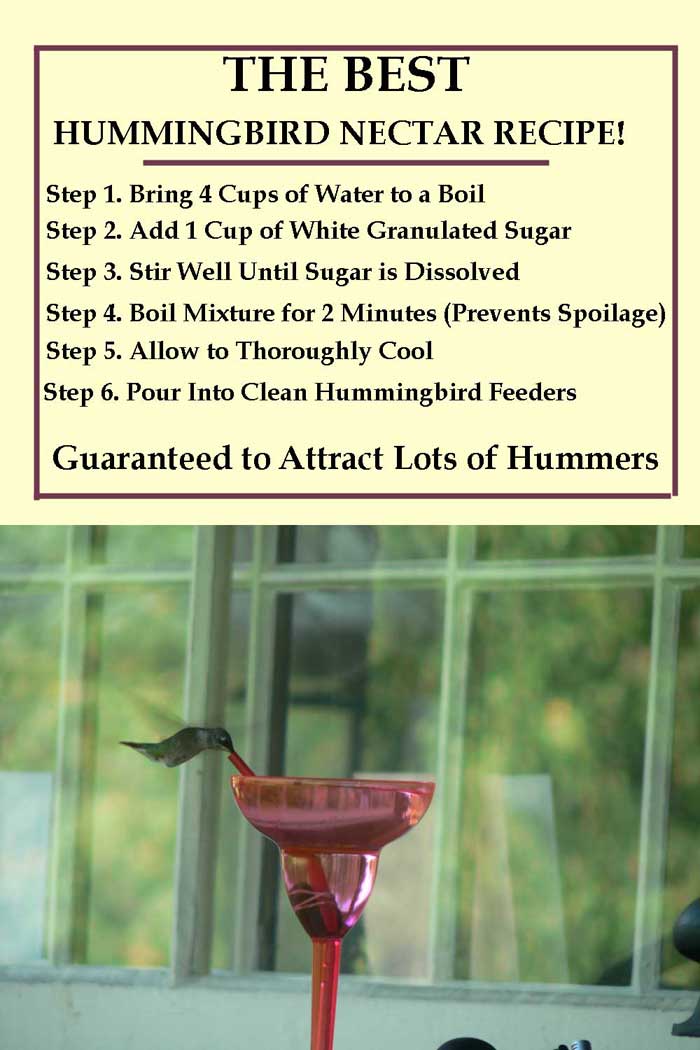
The universally recommended ratio for hummingbird nectar is 1 part granulated white sugar to 4 parts water. This simple formula is not arbitrary; it’s based on extensive observation and scientific understanding of what these birds require for optimal energy and health.
Why Granulated White Sugar?
It’s essential to specify “granulated white sugar.” This means refined sucrose, free from any additives, dyes, or artificial sweeteners.
- Refined Sucrose: Hummingbirds primarily feed on the nectar of flowers, which is predominantly composed of sucrose. Granulated white sugar is the closest readily available and safe substitute.
- Avoidance of Artificial Sweeteners: Artificial sweeteners are indigestible by hummingbirds and can be harmful, potentially leading to a range of health problems.
- No Dyes: Red dye, often found in commercial hummingbird nectar mixes, is entirely unnecessary. While red feeders attract birds visually, the dye itself provides no nutritional value and can be detrimental to their health, potentially affecting their kidneys. The natural color of the nectar is clear, and the birds will readily feed from a clear solution.
The Importance of the 1:4 Ratio
This specific ratio mimics the sugar concentration found in many natural nectar sources.
- Energy Source: Hummingbirds have incredibly high metabolisms. They burn a vast amount of energy to sustain their rapid flight. Sugar provides the readily available carbohydrates they need to fuel these intense metabolic processes. A 1:4 ratio ensures a concentration that delivers sufficient energy without being overly dilute (which wouldn’t provide enough fuel) or too concentrated (which could lead to dehydration or digestive issues).
- Hydration: While the primary purpose of the water is to dissolve the sugar, it also contributes to the bird’s hydration needs, especially during hot weather.
- Digestibility: This ratio is generally well-tolerated and easily digestible by hummingbirds. Deviating significantly from this ratio can lead to a range of problems.
What to Avoid: Common Mistakes in Nectar Preparation
Beyond the basic ratio, several common mistakes can compromise the health and safety of hummingbirds.
- Using Other Sugars: Brown sugar, raw sugar, honey, and maple syrup are all problematic.
- Brown Sugar and Raw Sugar: These contain molasses and other impurities that can be difficult for hummingbirds to digest and may even lead to fungal infections.
- Honey: Honey contains enzymes and other substances that are not present in flower nectar. More critically, raw honey can contain botulism spores, which are highly dangerous to birds.
- Maple Syrup: This contains minerals and other compounds that are not found in flower nectar and can be harmful.
- Over-Concentration: A solution that is too strong can cause digestive upset and dehydration. Imagine trying to drink a syrup – it’s difficult and can leave you feeling worse.
- Under-Concentration: While less harmful, a dilute solution simply won’t provide enough energy for these high-energy creatures. They will have to expend more energy flying to find a suitable nectar source.
Beyond the Ratio: The Tech and Brand of Hummingbird Feeding
The seemingly simple act of mixing sugar and water can be viewed through the lens of technology and branding, especially in today’s interconnected world.
Leveraging Technology for Hummingbird Welfare
While not directly involved in mixing nectar, technology plays a significant role in our understanding and care of hummingbirds.
- Citizen Science Apps and Platforms: Numerous apps and online platforms allow birdwatchers and nature enthusiasts to log sightings, track migration patterns, and contribute to scientific research. These platforms often include educational resources on proper feeding techniques, reinforcing the importance of the correct sugar-to-water ratio. For example, apps like eBird or iNaturalist, while broader in scope, encourage users to document their observations, which can indirectly inform best practices for wildlife support.
- Educational Videos and Online Resources: The internet is a vast repository of information. High-quality videos and articles from ornithological societies, wildlife organizations, and reputable nature enthusiasts offer detailed tutorials on nectar preparation, feeder cleaning, and understanding hummingbird behavior. These resources often leverage visual aids and clear explanations, making complex information accessible.
- Smart Feeders (Emerging Tech): While still a niche area, some innovative “smart” feeders are beginning to emerge. These might incorporate features like:
- Nectar Level Sensors: Alerting users when the feeder needs refilling, ensuring fresh nectar is always available.
- Temperature Sensors: Potentially suggesting when nectar might be spoiling more rapidly in warmer conditions, reinforcing the need for frequent cleaning.
- Camera Integration: Some advanced feeders might include small cameras that allow users to observe visiting birds, further fostering engagement and education.
This technological integration, while primarily for enjoyment and engagement, also indirectly promotes responsible feeding by making maintenance easier and encouraging closer observation, which in turn leads to better care.
Building a “Brand” as a Hummingbird Haven
Your home and garden can develop a distinct “brand” as a welcoming and safe environment for hummingbirds. This brand is built on consistent and responsible practices.
- Consistent Offering: Regularly filling feeders with fresh, correctly mixed nectar establishes reliability. Hummingbirds are creatures of habit and will return to reliable food sources. This consistency is a key aspect of building your “brand” as a dependable benefactor.
- Cleanliness as a Pillar of Your Brand: A clean feeder is as crucial as the correct nectar ratio. Dirty feeders can breed mold and bacteria, which are detrimental to hummingbird health. Regularly cleaning feeders (every 2-3 days in warm weather, at least weekly in cooler weather) with hot water and a scrub brush, and occasionally using a mild bleach solution (rinsed thoroughly), is non-negotiable. This commitment to hygiene strengthens your brand’s reputation for care and responsibility.
- Strategic Feeder Placement: Just as good branding involves strategic placement of marketing materials, feeder placement is vital for attracting and retaining hummingbirds. Placing feeders in shaded areas, away from direct sunlight (which accelerates spoilage), and in locations that offer some protection from predators (like nearby shrubs) contributes to your brand’s appeal.
- Beyond Nectar: Creating a Holistic Brand: A truly attractive hummingbird haven offers more than just sugar water. Incorporating native flowering plants that provide natural nectar sources throughout the season enhances your garden’s brand appeal. This demonstrates a commitment to supporting hummingbirds holistically, not just as a supplemental food source. This integrated approach creates a robust and attractive brand for avian visitors.
The “Money” Aspect: Economic Considerations in Hummingbird Care
While the primary motivation for feeding hummingbirds is often aesthetic and ecological, there are subtle “money” or economic considerations to be mindful of.
Cost-Effectiveness of DIY Nectar
- Sugar: Granulated white sugar is an inexpensive staple found in most households. Buying it in bulk can further reduce costs.
- Water: Tap water is, of course, free.
- Comparison to Commercial Products: Pre-mixed hummingbird nectar, especially those with added dyes or marketed as “premium,” can be significantly more expensive per ounce than a homemade solution. The cost savings of preparing your own nectar using the 1:4 ratio are substantial over time, especially if you maintain multiple feeders. This aligns with principles of smart personal finance – opting for a cost-effective, equally beneficial solution.
The Investment in Feeders and Maintenance
- Initial Investment: The cost of hummingbird feeders can vary widely, from basic plastic models to more elaborate glass or copper designs. While an initial investment is required, choosing durable and easy-to-clean feeders will prove more cost-effective in the long run.
- Cleaning Supplies: The cost of brushes, mild soap, or occasional bleach is minimal but represents an ongoing, small expenditure.
- Time as a Resource: The “money” aspect also extends to the time investment. Preparing nectar, cleaning feeders, and maintaining feeders requires a commitment of your time. For some, this time is a valuable leisure activity, akin to investing in a hobby. For others, understanding this time commitment helps in budgeting their daily or weekly activities.
Indirect Economic Impacts (Minor but Present)
- Attracting Pollinators: While not directly related to the sugar-water ratio, creating a hummingbird-friendly garden can also attract other pollinators like bees. These pollinators are vital for the health of local ecosystems and can indirectly benefit home gardens by improving fruit and vegetable yields, representing a small economic upside.
- Tourism and Local Economies: In areas with a high density of hummingbird enthusiasts, gardens that are known to be excellent for observation can indirectly contribute to local tourism, supporting local businesses that sell birding supplies, plants, or offer related services.

Conclusion: A Sweet Balance for Both Birds and Keepers
The question of “what ratio sugar to water for hummingbirds” is more than just a recipe. It’s a gateway to understanding the intricate needs of these remarkable creatures. By adhering to the simple yet vital 1:4 ratio of granulated white sugar to water, and prioritizing cleanliness and avoiding harmful additives, we ensure we are providing a safe and nourishing food source.
When viewed through the lenses of tech, brand, and money, this practice reveals deeper connections. Technology offers us the tools to learn and contribute to hummingbird conservation. Building a reputation as a responsible and inviting hummingbird haven is a form of positive branding for our homes. And even in this small act, there are economic efficiencies to be found in preparing our own nectar, and a valuable investment of our time and resources.
Ultimately, the most effective way to feed hummingbirds is with knowledge, care, and a commitment to their well-being. By mastering the sweet science of nectar preparation and embracing the broader principles of responsible wildlife support, we can continue to enjoy the dazzling presence of these tiny, energetic wonders for years to come.
aViewFromTheCave is a participant in the Amazon Services LLC Associates Program, an affiliate advertising program designed to provide a means for sites to earn advertising fees by advertising and linking to Amazon.com. Amazon, the Amazon logo, AmazonSupply, and the AmazonSupply logo are trademarks of Amazon.com, Inc. or its affiliates. As an Amazon Associate we earn affiliate commissions from qualifying purchases.