
The bond we share with our feline companions is truly special, enriching our lives with purrs, playful antics, and unconditional affection. As responsible pet parents, ensuring their safety and well-being is paramount. However, many common houseplants, which we bring into our homes for aesthetic appeal or air purification, harbor silent dangers for our curious cats. A casual nibble on a leaf or a brush against a toxic bloom can lead to serious health issues, ranging from mild allergic reactions to life-threatening poisoning. Understanding which plants pose a risk is the first crucial step in creating a safe haven for our beloved pets.
In an increasingly interconnected world, where technology streamlines nearly every aspect of our lives, the tools and knowledge available to pet owners have never been more advanced. This article delves into the specific plants that are toxic or allergenic to cats, explores how cutting-edge technology can aid in prevention and emergency response, examines how brands are shaping the narrative around pet safety, and discusses the financial implications of maintaining a pet-safe environment. By blending traditional pet care wisdom with modern innovation, we can empower ourselves to protect our furry family members more effectively.
The Silent Dangers: Common Houseplants Toxic to Cats
Many of the plants we adore for their beauty can be incredibly dangerous to cats. Cats are naturally curious and often explore their environment with their mouths, making them susceptible to ingesting toxic plant material. Even a small amount can cause significant distress. It’s not just ingestion; contact with certain plants can also cause skin irritation or allergic reactions.
Identifying the Culprits: A Quick Guide
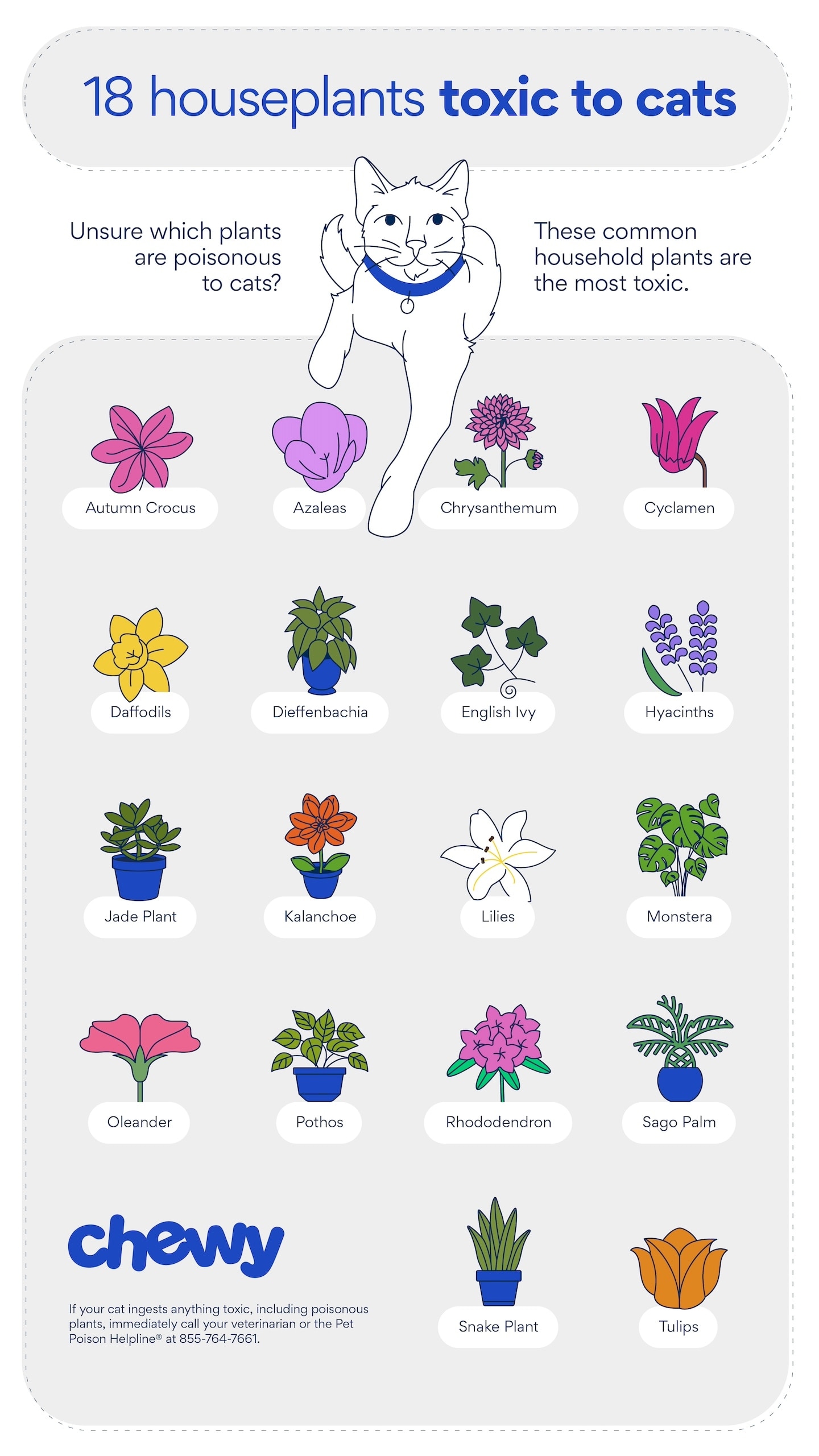
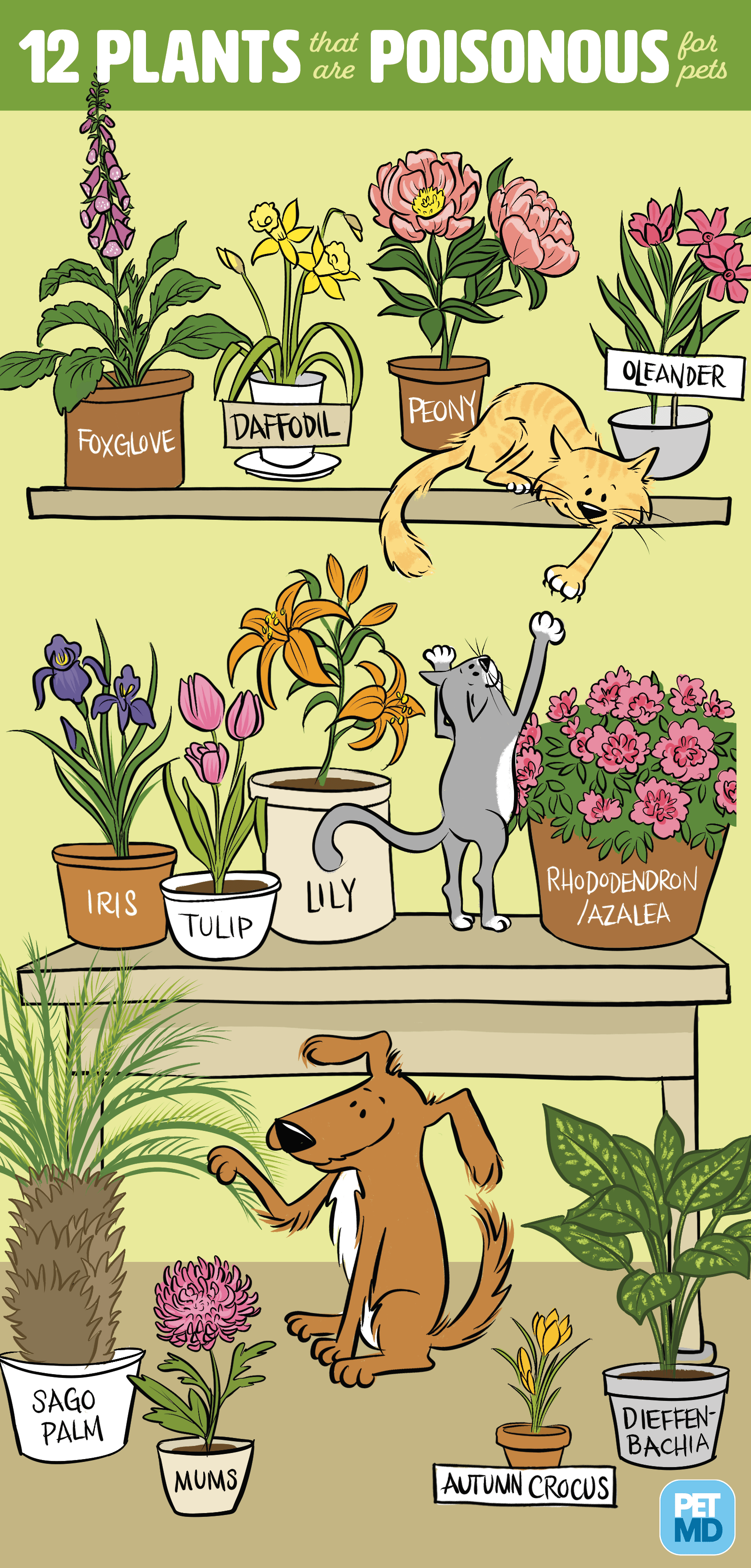
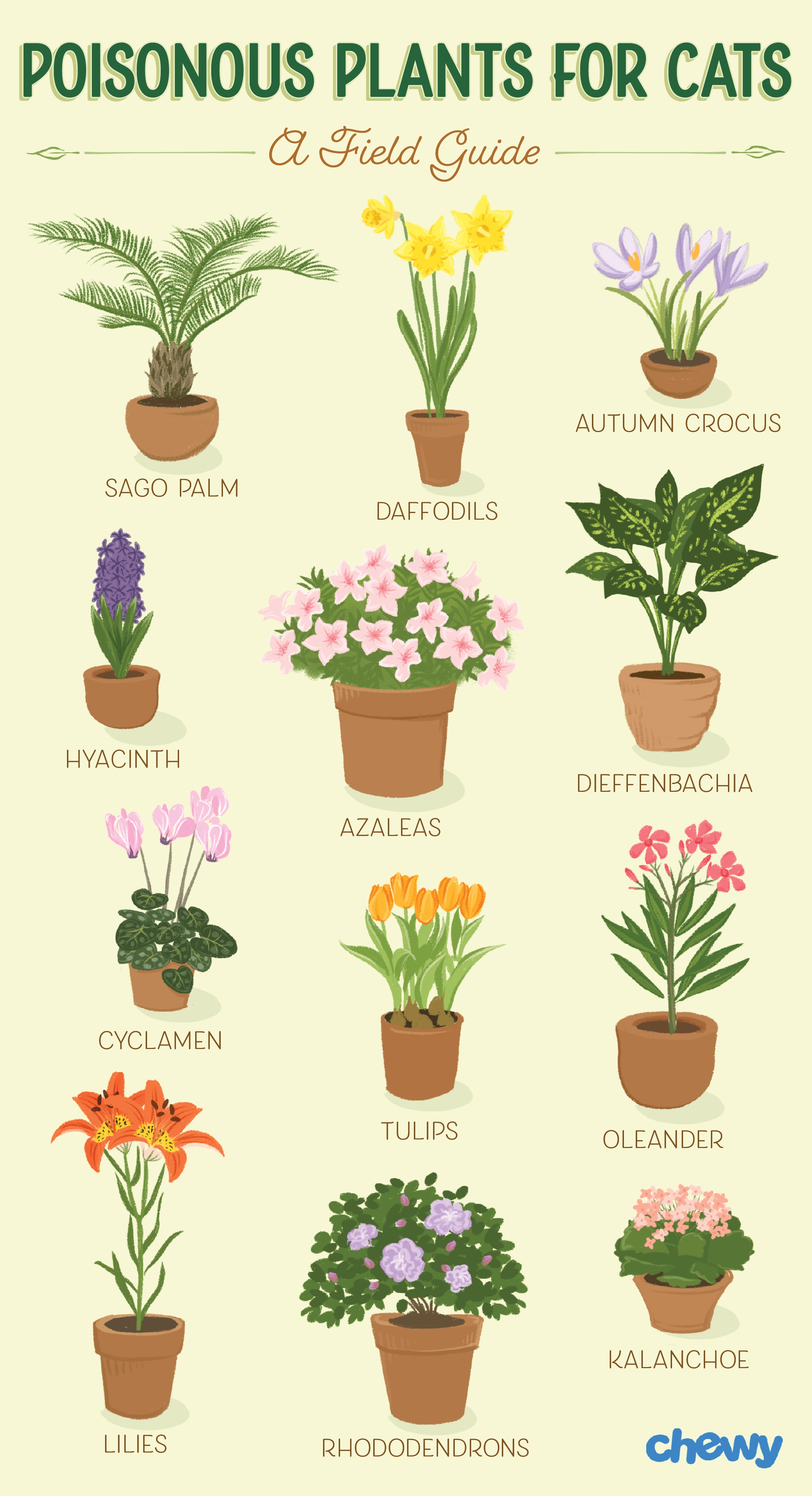
The list of plants toxic to cats is extensive, but some are more commonly found in homes and gardens. Awareness of these prevalent threats is critical.
- Lilies (Lilium and Hemerocallis species): Perhaps one of the most dangerous, all parts of a lily plant – including the pollen and even the water in the vase – are highly toxic to cats and can cause acute kidney failure. Varieties like Easter lilies, Tiger lilies, Asiatic lilies, and Daylilies are particularly lethal. Even a tiny exposure can be fatal.
- Sago Palm (Cycas revoluta): A popular ornamental plant, all parts of the sago palm are toxic, with the seeds (nuts) being the most dangerous. Ingestion can lead to severe liver damage, vomiting, diarrhea, seizures, and even death.
- Azaleas and Rhododendrons (Rhododendron spp.): These beautiful flowering shrubs contain grayanotoxins, which can disrupt skeletal and cardiac muscle function. Symptoms include vomiting, diarrhea, weakness, difficulty breathing, and potentially coma or death.
- Tulips and Hyacinths (Tulipa and Hyacinthus spp.): The bulbs of these spring flowers are the most toxic part, containing allergenic lactones. Ingestion can cause severe oral irritation, excessive drooling, vomiting, diarrhea, and increased heart rate.
- Dumb Cane (Dieffenbachia spp.): Also known as Tropic Snow or Leopard Lily, this plant contains insoluble calcium oxalates. Chewing or biting into it releases these crystals, causing intense pain and irritation to the mouth, tongue, and throat, leading to drooling, vomiting, and difficulty swallowing.
- Aloe Vera: While beneficial for humans, the latex (yellow sap) in aloe vera leaves can cause vomiting, diarrhea, lethargy, and tremors in cats.
- Pothos (Epipremnum aureum): Similar to Dieffenbachia, Pothos also contains insoluble calcium oxalates, causing oral irritation, drooling, vomiting, and difficulty swallowing.
- Mistletoe and Holly: Popular during the holidays, these plants can cause gastrointestinal upset, lethargy, and in higher doses, cardiovascular issues.
- Oleander (Nerium oleander): Extremely toxic, containing cardiac glycosides that can disrupt heart function, leading to severe gastrointestinal issues, tremors, and potentially fatal cardiac abnormalities.
- Marijuana (Cannabis sativa): While often not considered a houseplant, accidental exposure can occur. THC can cause lethargy, ataxia (loss of coordination), dilated pupils, increased heart rate, and even comas in cats.
This is not an exhaustive list, but it highlights some of the most common and dangerous plants. When in doubt, it’s always best to research a plant before bringing it into a cat-friendly home.
Recognizing the Signs: Symptoms of Plant Poisoning
Prompt recognition of symptoms is crucial for a positive outcome. The signs of plant poisoning can vary widely depending on the plant, the amount ingested, and the individual cat’s sensitivity. Common symptoms include:
- Gastrointestinal Distress: Vomiting, diarrhea, loss of appetite, excessive drooling.
- Lethargy and Weakness: A noticeable decrease in energy, sluggishness, or difficulty moving.
- Oral Irritation: Pawing at the mouth, redness or swelling around the mouth, excessive licking.
- Skin or Eye Irritation: Redness, swelling, itching, or discharge.
- Neurological Signs: Tremors, seizures, disorientation, dilated pupils, incoordination (ataxia).
- Respiratory Distress: Coughing, sneezing, difficulty breathing, rapid breathing.
- Changes in Urination or Thirst: Indicative of kidney involvement.
- Cardiovascular Issues: Abnormal heart rate, weakness, collapse.
If you suspect your cat has ingested a toxic plant or is displaying any concerning symptoms, contact your veterinarian or an animal poison control center immediately. Time is often of the essence.
Leveraging Technology for a Safer Feline Environment
In the digital age, technology offers an unprecedented array of tools to help pet owners identify risks, monitor their pets, and access critical information instantly. Integrating tech into our pet care routines can significantly enhance feline safety.
Digital Tools for Plant Identification and Education
Gone are the days of guessing plant names or relying solely on memory. Modern technology has put extensive botanical databases and identification tools at our fingertips.
- Plant Identification Apps: Applications like “PictureThis,” “Google Lens,” or specialized pet safety apps allow users to simply snap a photo of a plant to identify it instantly. These apps often include information on plant toxicity to pets, making it easy to check if a new plant is safe.
- Online Databases and Poison Control Resources: Websites such as the ASPCA Animal Poison Control Center (APCC) or the Pet Poison Helpline offer comprehensive, searchable databases of toxic plants. These resources provide detailed information on symptoms and first aid, and their hotlines connect you directly with veterinary toxicologists in emergencies.
- AI-Powered Search and Chatbots: Artificial intelligence is beginning to power more sophisticated search functions and conversational chatbots. Imagine asking an AI tool, “Is this plant safe for my cat?” and receiving immediate, accurate information based on vast veterinary databases. These tools can also help identify plants from less-than-perfect images or vague descriptions, enhancing accessibility.
- Educational Content Platforms: From YouTube tutorials on “pet-proofing your home” to comprehensive online courses on feline health, digital platforms offer a wealth of educational content, often free or at a low cost, empowering pet owners with knowledge.
Smart Home Solutions and Pet Monitoring Gadgets
Beyond plant identification, smart home technology and wearable gadgets are transforming how we monitor and protect our pets when we’re not physically present.
- Pet Cameras with Two-Way Audio: Devices like Furbo or Wyze Cam allow owners to remotely check on their cats, ensuring they aren’t interacting with potentially dangerous plants. Many offer two-way audio, enabling owners to intervene verbally if they see their cat approaching a restricted area, or even dispense treats as a distraction. Motion detection alerts can notify owners of activity.
- Smart Sensors and Pet Gates: Integrating smart home sensors can create virtual boundaries or alert systems. For instance, sensors placed near off-limit plant areas could trigger an alert on your phone. Automated pet gates can restrict access to certain rooms where toxic plants might be present, providing controlled environments.
- Wearable Pet Tech: While more common for dogs, miniature GPS trackers and activity monitors are increasingly available for cats, especially those with outdoor access. These devices can track a cat’s location, ensuring they haven’t wandered into a neighbor’s yard full of dangerous plants. Some advanced monitors can even track vital signs, potentially flagging unusual behavior or distress that could indicate a health issue, including poisoning.
- Automated Feeders and Waterers: While not directly related to plant toxicity, these smart devices ensure cats are fed and hydrated on schedule, reducing stress and maintaining routine, which can be disrupted during times of illness or emergency. Some smart water fountains filter water and provide reminders for refills, ensuring clean hydration.
The Role of AI in Predictive Pet Health
The future of pet safety promises even more sophisticated AI integration. AI could analyze patterns in a cat’s behavior, eating habits, and activity levels (via connected devices) to detect subtle deviations that might indicate illness or poisoning long before a human would notice. Predictive analytics could identify high-risk situations based on owner location data (e.g., “You are near a plant nursery selling sago palms, verify your home is safe”). AI-driven diagnostic tools could assist veterinarians in quickly identifying plant toxicity based on reported symptoms and image analysis, improving emergency response times and accuracy.
Building a Pet-Safe Brand and Community: Beyond Just Plants
The concept of pet safety extends beyond individual owner actions; it’s a shared responsibility that increasingly involves brands, communities, and corporate entities. Building trust and promoting responsible pet ownership has become a cornerstone of many successful businesses in the pet industry.
Branding for Pet Safety: How Businesses Can Lead
Brands play a significant role in educating consumers and influencing purchasing decisions, especially in the pet care sector.
- Pet Food and Product Brands: Companies producing pet food, treats, and toys can build strong brands by emphasizing safety, using natural ingredients, and clearly labeling products as non-toxic. Brands that invest in research and development to create pet-safe alternatives to common household items (like cat grass kits instead of toxic plants) position themselves as trusted allies for pet owners.
- Plant Nurseries and Garden Centers: Forward-thinking plant nurseries are recognizing the growing demand for pet-friendly options. Creating clearly labeled “Pet-Safe Plant Sections” or offering guides on non-toxic plants can significantly enhance their brand reputation and attract a new segment of environmentally conscious and pet-owning customers. This involves detailed labeling, educational brochures, and online content promoting safe choices.
- Veterinary Clinics and Pet Care Services: Vet clinics build their brand around expertise, compassion, and preventive care. Offering workshops on pet-proofing, providing comprehensive lists of toxic plants, and leveraging their online presence to disseminate vital safety information are crucial branding strategies. Their social media channels often become trusted sources for emergency advice and educational content.
- Home Decor and Lifestyle Brands: Even brands seemingly unrelated to pets can incorporate pet safety into their branding. Furniture companies might highlight pet-resistant materials, while home decor brands could showcase arrangements of pet-safe plants, appealing to the modern pet-inclusive lifestyle.
The Power of Online Communities and Influencers
In the digital age, word-of-mouth has evolved into online reviews, social media shares, and influencer endorsements. These channels are powerful tools for spreading awareness about pet safety.
- Online Pet Communities: Forums, Facebook groups, and Reddit communities dedicated to cats provide platforms for owners to share experiences, ask questions, and recommend pet-safe products or practices. These communities foster a sense of collective responsibility and can quickly disseminate warnings about emerging threats or new safety tips.
- Pet Influencers and Content Creators: Pet influencers on platforms like Instagram, TikTok, and YouTube often have highly engaged audiences. When these influencers promote pet-safe plants, review pet-proofing gadgets, or share their experiences with plant toxicity, they can reach millions, significantly boosting awareness and driving adoption of safer practices. Brands strategically partner with these influencers to enhance their reputation for pet safety.
- Reputation Management: For businesses, active engagement in these online spaces and a commitment to transparency regarding product safety are vital for positive brand reputation. Responding to customer queries about product toxicity or pet-safety concerns directly and empathetically builds trust and loyalty.
Corporate Social Responsibility in the Pet Industry
Many corporations in the pet industry are demonstrating their commitment to pet welfare through Corporate Social Responsibility (CSR) initiatives. This includes funding research into pet toxicology, sponsoring animal poison control hotlines, partnering with animal shelters to educate new adopters, and advocating for clearer labeling standards on plants and household products. Such initiatives not only contribute to the greater good but also significantly bolster a brand’s image as a responsible and caring entity.
The Financial Landscape of Feline Wellness and Plant Safety
While the immediate concern is always the cat’s health, preventing plant toxicity also has significant financial implications. Understanding these costs, planning for emergencies, and recognizing opportunities for financial savings through prevention are key aspects of responsible pet ownership.
The Cost of Negligence vs. Prevention
The financial burden of treating plant poisoning can be substantial, often involving emergency vet visits, diagnostic tests (blood work, urinalysis), hospitalization, IV fluids, medication, and specialized care. A single emergency visit can easily cost hundreds to thousands of dollars, depending on the severity and duration of treatment.
- Emergency Veterinary Bills: These are often unexpected and can create significant financial stress. Treatments for acute kidney failure (from lilies) or liver damage (from sago palms) can be particularly expensive, requiring intensive care.
- Long-term Health Issues: Beyond immediate costs, some poisonings can lead to chronic health problems, requiring ongoing medication and specialized diets, further impacting long-term financial planning for your pet.
- Replacement Costs: If a cat destroys valuable items or other plants in its distress, there might be additional replacement costs.
In contrast, the cost of prevention is typically much lower. This might include:
- Purchasing Pet-Safe Plants: While some specific pet-safe plants might be slightly more expensive, many are comparably priced to toxic ones. The overall investment is minimal compared to emergency vet bills.
- Pet-Proofing Supplies: Investing in elevated plant stands, protective netting, or deterrent sprays. These are one-time or infrequent purchases.
- Educational Resources: The cost of online courses or books on pet safety is negligible compared to the potential financial fallout of an emergency.
Navigating Pet Insurance and Financial Planning for Emergencies
Pet insurance is becoming an increasingly popular financial tool for pet owners, providing a crucial safety net against unexpected veterinary expenses, including those arising from plant poisoning.
- Types of Coverage: Most pet insurance plans offer accident-only, illness-only, or comprehensive coverage. For plant toxicity, a comprehensive plan that covers accidents, illnesses, and emergency care is ideal. Understanding deductibles, reimbursement percentages, and annual limits is essential when choosing a policy.
- Budgeting for Pet Care: Beyond insurance, incorporating pet care into your personal finance budget is crucial. This includes allocating funds for routine check-ups, food, toys, and an emergency fund specifically for your pet. Online financial tools and budgeting apps can help track these expenses and ensure you’re adequately prepared.
- Emergency Funds: Even with pet insurance, an emergency fund can cover deductibles or expenses not fully covered by the policy. Many financial advisors recommend setting aside a dedicated amount for pet emergencies, similar to a human emergency fund.
Monetizing Pet Safety: Opportunities and Side Hustles
The growing awareness of pet safety has also created economic opportunities and side hustles for individuals and businesses alike.
- Pet-Proofing Consultants: Knowledgeable individuals can offer services to help new or overwhelmed pet owners identify and remove toxic plants, recommend safe alternatives, and implement pet-proofing strategies. This can be a lucrative side hustle, especially in urban areas with high pet ownership.
- Creating Pet-Safe Product Lines: Entrepreneurs can develop and market innovative pet-safe products, such as non-toxic cleaning supplies, chew-proof furniture, or even subscription boxes featuring pet-safe plants and accessories.
- Online Content Creation: Bloggers, YouTubers, and social media influencers who focus on pet safety can generate income through ad revenue, sponsored content, affiliate marketing (promoting pet-safe products), or by selling their own digital products (e.g., e-books on pet-safe gardening).
- Pet Sitting and Boarding Services: Professionals in these fields can differentiate themselves by emphasizing their expertise in pet safety, including a rigorous pet-proofing protocol and knowledge of toxic plants. This builds trust with clients and can command higher rates.
These opportunities highlight how the demand for pet safety not only protects our animals but also fuels a burgeoning segment of the economy.
Proactive Measures and Sustainable Pet Parenting
Ultimately, the best approach to preventing plant toxicity in cats is proactive and informed action. Creating a safe home environment and continuously educating oneself are cornerstones of sustainable pet parenting.
Creating a Pet-Safe Sanctuary: Practical Steps
- Research Before You Buy: Before bringing any new plant into your home, always verify its safety for cats. Use digital tools and reputable databases to confirm it’s non-toxic.
- Elevate and Restrict Access: Place potentially toxic plants in areas inaccessible to your cat. High shelves, hanging baskets, or rooms that cats are not allowed to enter can be effective. However, remember that cats are agile climbers, so ensure truly secure placement.
- Provide Safe Alternatives: Offer your cat designated “safe” plants to chew on, such as cat grass (wheatgrass, oat grass, rye grass) or catnip. This can redirect their chewing instincts away from potentially dangerous plants.
- Use Deterrents (Cautiously): Some pet owners use natural deterrents like citrus sprays (cats dislike the smell) or unpleasant textures around plants. Always research and ensure any deterrent is safe for your cat and the plant.
- Clean Up Thoroughly: Regularly sweep or vacuum around plants to remove fallen leaves, petals, or soil, which could still be toxic if ingested.
- Be Mindful of Gifts: When receiving plants as gifts, immediately identify them and take precautions until you confirm their safety.
Cultivating a Responsible Mindset: Continuous Learning and Adaptation
Pet safety is not a one-time task but an ongoing commitment. The landscape of knowledge about plant toxicity, pet products, and technology is constantly evolving.
- Stay Updated: Regularly consult reputable veterinary sources, pet safety organizations, and online communities for the latest information on plant toxicity and pet care.
- Regularly Assess Your Home: Periodically walk through your home from a cat’s perspective, identifying potential hazards that might have been overlooked or new ones that have appeared.
- Communicate with Your Vet: Establish an open line of communication with your veterinarian. They are your primary resource for all health and safety concerns regarding your cat.
- Educate Others: Share your knowledge with friends, family, and other pet owners to help foster a wider community of responsible pet care.
Conclusion
The question “What plants are cats allergic to?” opens up a vital conversation about pet safety, one that intertwines deeply with the modern advancements in technology, the strategic branding efforts of businesses, and the crucial financial planning involved in pet ownership. While the inherent curiosity of cats makes them vulnerable to the dangers lurking in common houseplants, pet owners today are better equipped than ever to mitigate these risks.
By diligently identifying toxic plants, leveraging innovative tech tools for prevention and rapid response, supporting brands committed to pet safety, and proactively managing the financial aspects of feline wellness, we can create environments where our beloved cats can thrive without fear. Responsible pet ownership in the 21st century demands a holistic approach – an informed mind, a vigilant eye, and a willingness to embrace the resources available to us. Our cats depend on our awareness and proactive care, and by integrating these principles into our daily lives, we ensure they lead healthy, happy, and safe lives by our side.
aViewFromTheCave is a participant in the Amazon Services LLC Associates Program, an affiliate advertising program designed to provide a means for sites to earn advertising fees by advertising and linking to Amazon.com. Amazon, the Amazon logo, AmazonSupply, and the AmazonSupply logo are trademarks of Amazon.com, Inc. or its affiliates. As an Amazon Associate we earn affiliate commissions from qualifying purchases.