
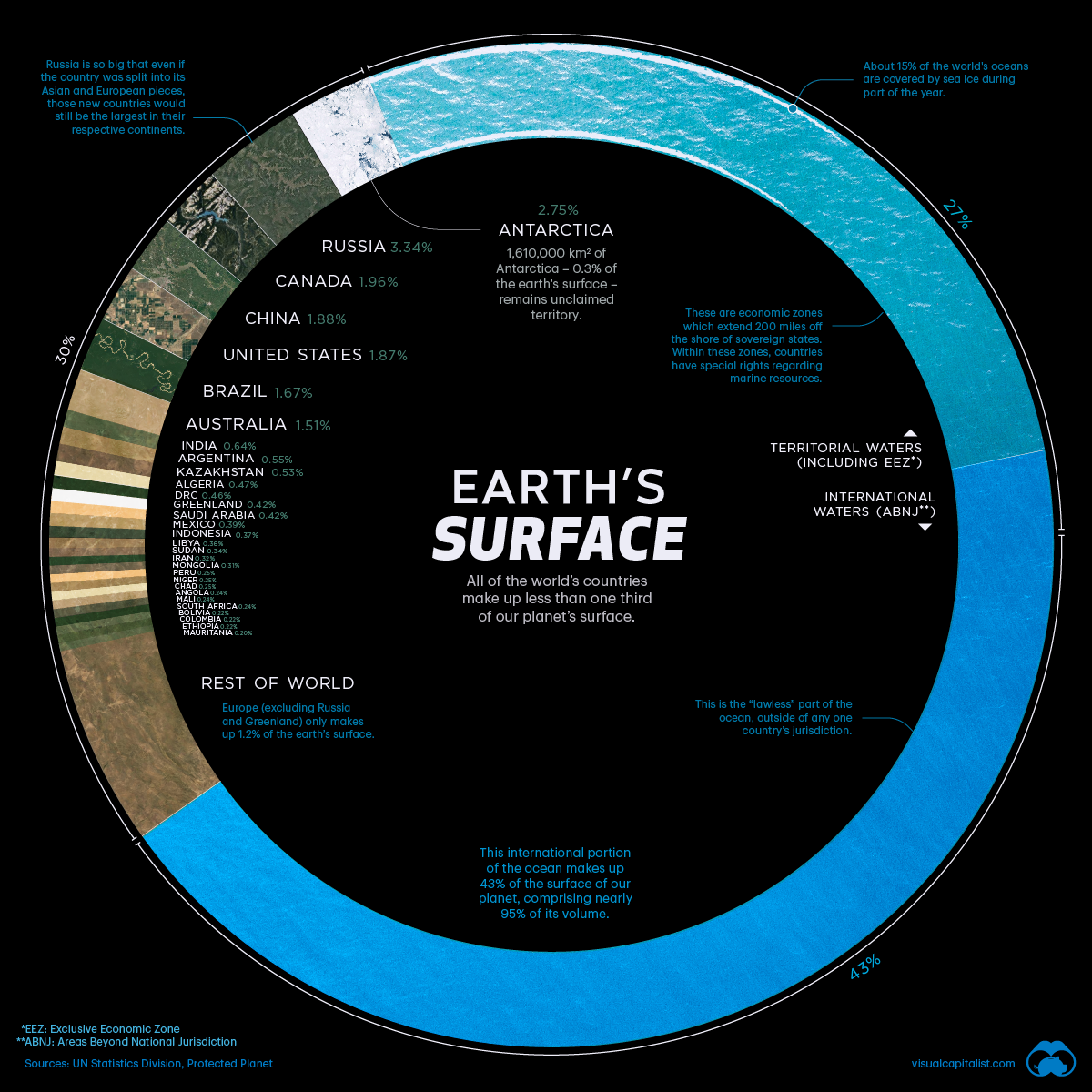
The answer to this fundamental question is one of the most striking facts about our planet: approximately 71% of the Earth’s surface is covered by water. This stunning statistic is why Earth is often referred to as the “Blue Planet” when viewed from space. However, beneath this simple percentage lies a complex story of distribution, accessibility, ecological significance, and increasingly, intricate connections to human innovation, economic strategies, and global brand identities. Understanding this vast aquatic dominance is not merely an academic exercise; it’s a critical lens through which we must examine our technological advancements, our branding efforts, and our financial decisions in a world grappling with climate change, resource scarcity, and the imperative for sustainable living.

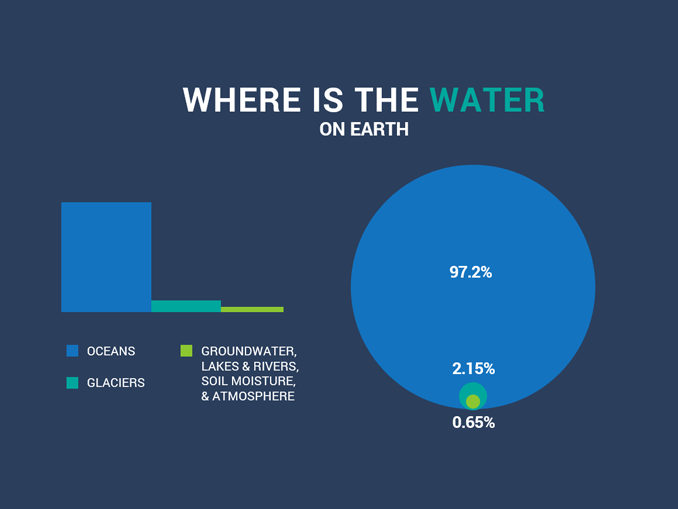
While 71% paints a picture of abundance, the devil is in the details. The overwhelming majority of this water – about 97% – is saltwater found in our oceans. This leaves a mere 3% as freshwater, and a significant portion of that is locked away in glaciers, ice caps, and deep underground aquifers, making readily accessible freshwater a surprisingly scarce resource. This delicate balance, or imbalance, drives much of the conversation around water today, pushing humanity to develop groundbreaking technologies, forge responsible brand narratives, and explore novel financial models to manage, conserve, and sustain this most vital element.
The Blue Planet’s Grand Scale: Understanding Water Distribution
Earth’s distinctive blue hue is a testament to the immense volume of water that cloaks its surface. This vast covering is not uniform; it’s a dynamic system with distinct components, each playing a critical role in the planet’s climate, ecosystems, and human civilization. Appreciating the distribution of this water is the first step toward understanding the challenges and opportunities it presents.
The Dominance of Our Oceans
The sheer expanse of the Earth’s oceans is difficult to grasp. The Pacific, Atlantic, Indian, Southern, and Arctic Oceans collectively form an interconnected global ocean, holding approximately 1.35 billion cubic kilometers of water. This saltwater mass is not merely a geographic feature; it is the planet’s largest habitat, home to an extraordinary biodiversity that ranges from microscopic plankton to the largest whales.
Beyond supporting life, the oceans are the primary regulators of global climate. They absorb vast amounts of solar radiation, distribute heat around the globe through currents, and act as a massive carbon sink, absorbing roughly a quarter of the carbon dioxide emitted by human activities annually. The health of our oceans, therefore, directly correlates with the stability of our global climate and the sustainability of life on Earth. However, the very characteristics that make oceans so vital – their immensity and interconnectedness – also make them vulnerable to pollution, overfishing, and the insidious creep of plastic waste, challenges that demand innovative technological solutions and responsible industrial practices.
The Vitality of Freshwater Resources
In stark contrast to the oceans, freshwater constitutes only about 3% of the Earth’s total water. And of that small fraction, an even smaller proportion is readily available for human consumption and agricultural use. The majority of freshwater is locked away:
- Glaciers and Ice Caps: Around 68.7% of freshwater is frozen in glaciers and polar ice caps. These massive ice formations are crucial freshwater reservoirs, but they are increasingly threatened by global warming, leading to rising sea levels.
- Groundwater: Approximately 30.1% resides as groundwater, stored in aquifers beneath the Earth’s surface. While a significant source, it’s often slow to replenish and vulnerable to depletion from over-extraction and pollution.
- Surface Water and Atmospheric Water: Lakes, rivers, and swamps account for only about 0.3% of freshwater, while another tiny fraction is found in the atmosphere as vapor. These are the most accessible sources for human use, but they are also the most exposed to direct human impact and climatic variability.
The scarcity of accessible freshwater underscores why water management is a burgeoning field, necessitating advanced technology for monitoring, purification, and distribution. It also highlights the imperative for sustainable practices, influencing everything from agricultural irrigation techniques to the design of urban infrastructure and the messaging of brands committed to environmental stewardship.
Leveraging Technology to Navigate the Aquatic Realm
The profound understanding of Earth’s water coverage and its intricate distribution wouldn’t be possible without cutting-edge technology. From the precise measurement of ocean depths to the intelligent management of freshwater resources, technology is at the forefront of how we interact with, protect, and optimize our planet’s most precious asset. The “Tech” segment of our global economy plays an indispensable role in unraveling the mysteries of water and pioneering solutions for a sustainable future.
Precision in Measurement and Monitoring: The Tech Behind the 71%
The 71% figure itself is a product of sophisticated technological endeavors. Satellites equipped with advanced remote sensing instruments, such as altimeters and radiometers, continually map the Earth’s surface, measuring ocean levels, ice sheet thickness, and even the moisture content of soil. These orbital sentinels provide invaluable data on sea level rise, glacier melt rates, and changes in freshwater bodies, helping scientists to monitor climate change impacts in real-time.
On the ground and beneath the waves, an array of Internet of Things (IoT) sensors collect data on water quality, flow rates, and pollutant levels. AI and machine learning algorithms then process these vast datasets, identifying patterns, predicting future trends, and enabling more accurate climate modeling. For instance, AI-driven analytics can quickly detect anomalies in water infrastructure, pinpointing leaks in urban water networks that would otherwise go unnoticed, saving millions of gallons of water annually. Cybersecurity, too, becomes paramount here, as these critical data infrastructures and control systems for water utilities must be protected from malicious attacks.
Innovation in Water Management and Conservation
The challenge of freshwater scarcity is a powerful driver for technological innovation. Desalination plants, once prohibitively expensive, are becoming more energy-efficient thanks to advancements in reverse osmosis membranes and renewable energy integration. These plants convert saltwater into potable water, offering a lifeline to arid regions. Similarly, advanced wastewater treatment technologies are transforming what was once waste into a reusable resource, leveraging biological, chemical, and physical processes to purify water for agricultural, industrial, and even potable uses.
Smart water grids, utilizing IoT sensors and AI, manage water distribution with unprecedented efficiency, adjusting pressure, detecting leaks, and optimizing delivery based on demand. In agriculture, AI-powered irrigation systems analyze weather data, soil moisture levels, and crop specific needs to deliver precise amounts of water, significantly reducing waste. These technological marvels are not just about efficiency; they are about resilience, ensuring that communities have access to clean water even in the face of climatic shifts and growing populations.
The Digital Frontier of Water Exploration
Beyond direct management, technology enriches our understanding and appreciation of water. Virtual Reality (VR) and Augmented Reality (AR) experiences allow us to “dive” into the deepest oceans, explore ancient aquifers, or witness the dramatic retreat of glaciers, fostering a deeper connection to these critical environments. Educational apps and citizen science platforms empower individuals to monitor local water quality, track their own water consumption, and contribute to larger environmental datasets. These digital tools democratize access to information, transforming complex scientific data into engaging and actionable insights, fostering a new generation of water stewards.
The Branding of Blue: Water, Identity, and Influence
In an increasingly conscious world, how brands engage with water – both as a resource and as a symbol – profoundly impacts their identity, reputation, and market standing. The story of Earth’s water coverage isn’t just a scientific or technological one; it’s a narrative that shapes corporate strategy, personal branding, and the very fabric of global marketing. This intersection of “Brand” and water reflects a growing societal awareness of environmental responsibility.
Corporate Identity and Environmental Stewardship
For many businesses, a commitment to water sustainability has transitioned from a niche concern to a core pillar of their corporate identity. Companies across various sectors, from apparel manufacturing to food and beverage, are investing in water-efficient processes, clean water initiatives, and sustainable sourcing. This isn’t just about compliance; it’s a strategic branding move. Brands that actively promote their water conservation efforts, transparently report their water footprint, and engage in corporate social responsibility (CSR) programs related to clean water access often build stronger reputations, foster customer loyalty, and attract ethically minded investors.
Conversely, a brand’s reputation can be severely damaged by perceived or actual mismanagement of water resources. Pollution incidents, excessive water usage in drought-stricken areas, or unsustainable packaging choices related to water products can lead to public backlash, boycotts, and significant financial penalties. The concept of “greenwashing,” where a brand makes misleading claims about its environmental efforts, is particularly scrutinized in the context of water, as consumers become more adept at discerning genuine commitment from mere marketing ploys.
Personal Branding in the World of Water
Experts, scientists, and innovators working on water-related challenges also leverage personal branding to amplify their impact. Hydrologists, environmental engineers, policy advocates, and tech entrepreneurs specializing in water solutions build their personal brands through thought leadership, engaging public speaking, and impactful digital content. By sharing their research, insights, and solutions on platforms like LinkedIn, Twitter, and specialized forums, they establish themselves as trusted authorities, influencing public discourse, attracting funding for their projects, and fostering collaborations.
Their ability to translate complex scientific or technical information into accessible narratives is crucial. A strong personal brand in the water sector can catalyze change, raise awareness about critical issues like water scarcity or pollution, and inspire others to engage in sustainable practices. This blend of expertise and effective communication highlights the power of personal branding in addressing global challenges.
Marketing the Mighty Molecule: Perceptions and Campaigns
Water itself is a powerful marketing element. The imagery of crystal-clear springs, pristine oceans, or refreshing raindrops is universally appealing and frequently used in advertising to evoke feelings of purity, health, and vitality. Bottled water companies, for instance, rely heavily on branding that emphasizes natural sources, filtration processes, and perceived health benefits, even as they face scrutiny over plastic waste and water sourcing ethics.
Beyond product marketing, water-themed campaigns are critical for public awareness and behavioral change. Non-profit organizations and governmental bodies utilize compelling narratives and evocative visuals to educate the public about water conservation, the importance of clean water, and the impacts of pollution. These campaigns, often leveraging social media and digital platforms, aim to shift perceptions and encourage collective action, reinforcing the idea that water is a shared responsibility, central to our planet’s brand identity.
The Monetary Current: Valuing Water in a Global Economy
Water, covering 71% of Earth’s surface, is far more than an ecological marvel; it’s a fundamental economic driver. The global “Money” landscape is increasingly shaped by how we value, manage, and invest in this essential resource. From vast infrastructural projects to individual financial decisions and emerging digital income streams, the economics of water are complex, presenting both profound risks and significant opportunities for investors, businesses, and individuals alike.
Water as a Commodity and a Core Investment
While often considered a human right, water also functions as a commodity, influencing industries from agriculture and energy to manufacturing and real estate. The concept of the “blue economy” emphasizes the sustainable use of ocean resources for economic growth, encompassing sectors like fisheries, marine biotechnology, and coastal tourism. Beyond this, direct investment in water infrastructure – treatment plants, pipelines, desalination facilities – is a burgeoning sector, often involving public-private partnerships.
Moreover, the financial markets are recognizing water as a distinct asset class. There are dedicated water funds and ETFs (Exchange Traded Funds) that allow investors to put money into companies involved in water treatment, distribution, purification technology, and smart water management. ESG (Environmental, Social, and Governance) investing increasingly prioritizes companies with strong water stewardship practices, recognizing that sustainable water management correlates with long-term financial stability and reduced operational risks. Private equity firms are also actively investing in innovative water technology startups, seeing the immense growth potential in solutions for water scarcity and quality.
The Financial Ripple Effects of Water Scarcity and Abundance
The economic impact of water-related events, whether scarcity or abundance, can be profound. Droughts, exacerbated by climate change, devastate agricultural output, leading to food price spikes, rural unemployment, and even national economic instability. Industries heavily reliant on water, such as mining and energy production (e.g., cooling for power plants), face operational disruptions and increased costs during water shortages. Real estate values in water-stressed regions can decline, while those in areas with reliable access may appreciate.
Conversely, excessive water, in the form of floods, can cause billions in damage to infrastructure, homes, and businesses, leading to significant insurance claims, government relief efforts, and long-term recovery costs. The financial tools used to mitigate these risks, such as flood insurance, disaster relief funds, and climate resilience bonds, are becoming ever more critical components of national and international financial strategies. Businesses are also factoring water-related risks into their supply chain management and business continuity planning, recognizing that water stability is directly linked to profitability and operational resilience.
Unleashing Opportunities: Side Hustles and Digital Income Streams
The growing global focus on water management also opens up unique financial opportunities for individuals and smaller businesses. For those with expertise, environmental consultancy specializing in water resource management, impact assessments, or regulatory compliance can be a lucrative side hustle or full-time venture. With the rise of digital platforms, content creators can generate income by producing educational videos, articles, or courses on water conservation, sustainable living, or water technology reviews.
Furthermore, the development of specialized software applications and digital tools for water utilities, agricultural water management, or personal water tracking offers niche markets for tech-savvy entrepreneurs. Even in the realm of personal finance, understanding water’s economic role can guide investment decisions, helping individuals align their portfolios with companies that are part of the solution rather than the problem. The demand for innovative, sustainable, and efficient water solutions ensures that this sector will continue to present diverse avenues for economic engagement and wealth creation, underscoring water’s enduring monetary significance.
The fact that 71% of Earth’s surface is covered by water is more than a simple geophysical statistic. It is the foundation upon which our planet’s ecological systems thrive, and crucially, it is a powerful driver for human innovation, strategic branding, and complex economic decisions. From the satellites that measure its vastness to the smart grids that manage its flow, technology is our primary tool for understanding and safeguarding this critical resource. Concurrently, businesses and individuals are leveraging branding to communicate their commitment to water stewardship, influencing consumer choices and shaping corporate identities. Financially, water represents both a profound challenge in terms of scarcity and risk, as well as a burgeoning sector for investment, innovation, and sustainable economic growth. As we navigate the complexities of our “Blue Planet,” recognizing the intricate interplay between water, tech, brand, and money will be paramount to securing a sustainable and prosperous future for all.
aViewFromTheCave is a participant in the Amazon Services LLC Associates Program, an affiliate advertising program designed to provide a means for sites to earn advertising fees by advertising and linking to Amazon.com. Amazon, the Amazon logo, AmazonSupply, and the AmazonSupply logo are trademarks of Amazon.com, Inc. or its affiliates. As an Amazon Associate we earn affiliate commissions from qualifying purchases.