
The question “what percentage of our communication is nonverbal?” is one that often sparks debate, curiosity, and sometimes, a misunderstanding of its true implications. While a precise, universally applicable percentage remains elusive and highly dependent on context, the profound impact of nonverbal cues on how we understand, connect, and influence each other is undeniable. From the subtle twitch of an eyebrow to the confident stance of a public speaker, the unspoken language often conveys more than words ever could, shaping perceptions, building trust, or inadvertently creating barriers.
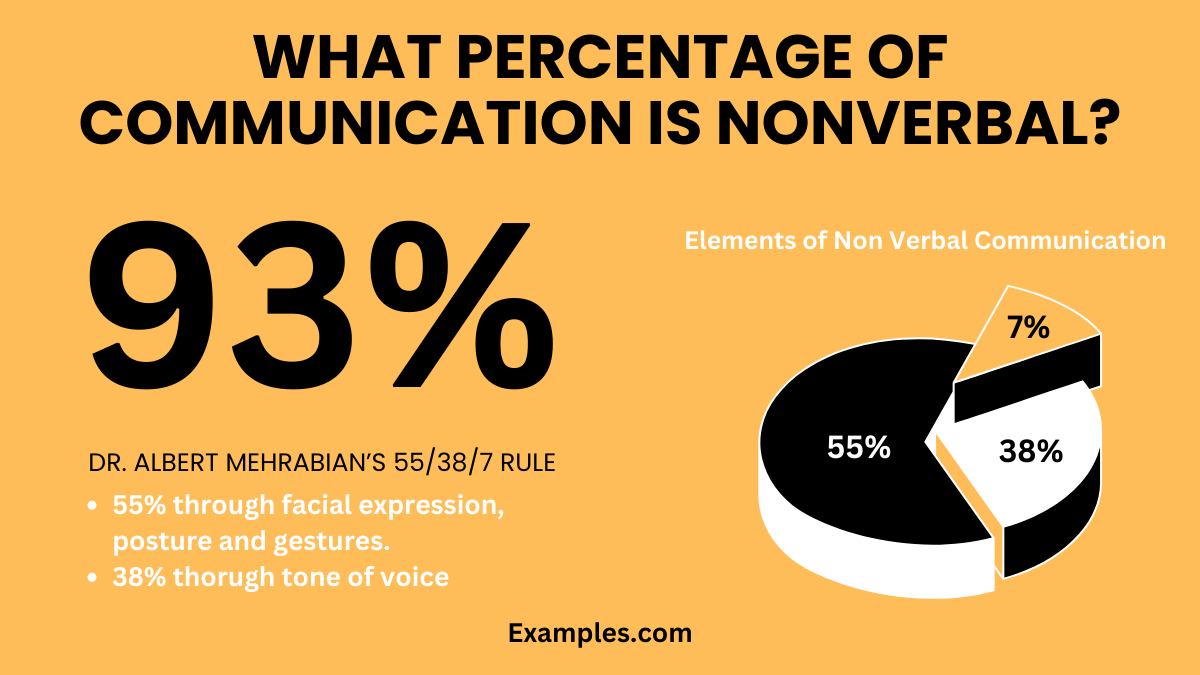
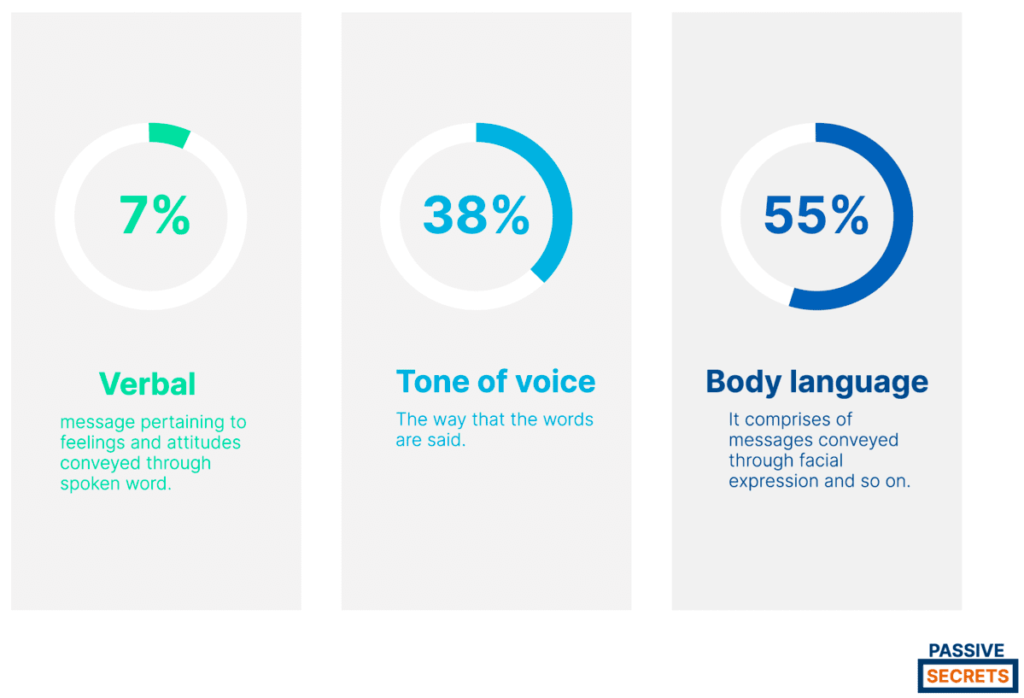
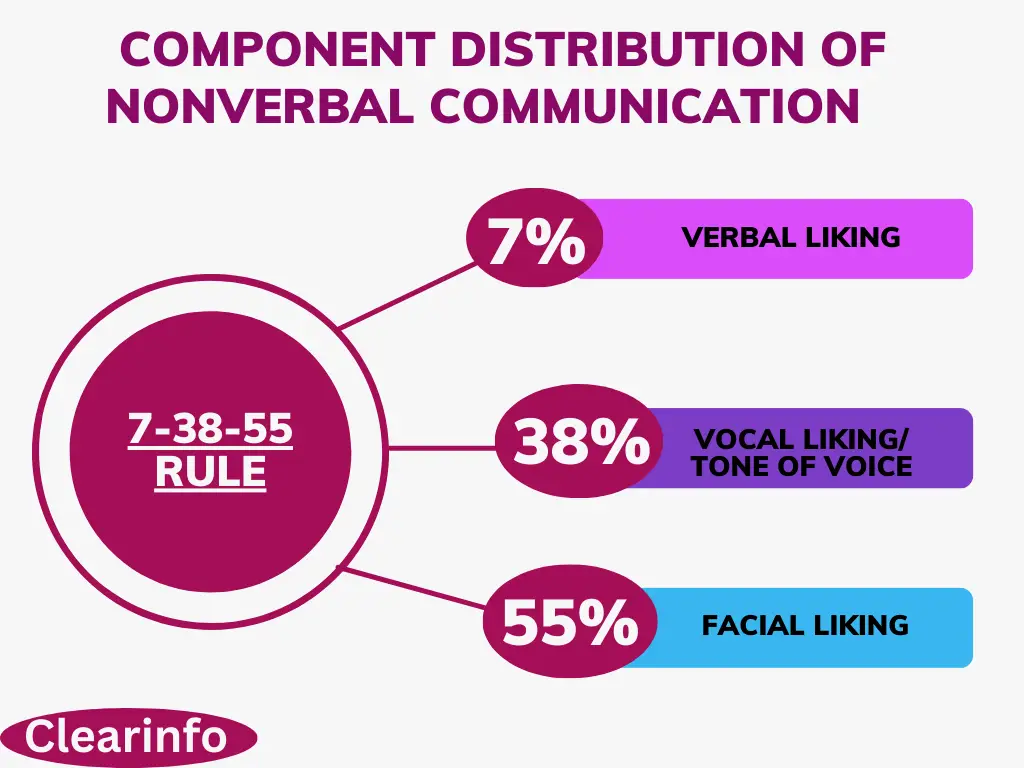
At the heart of this discussion lies the famous “7%-38%-55%” rule, often attributed to psychologist Albert Mehrabian. This widely cited statistic suggests that 7% of communication is verbal (words), 38% is vocal (tone, pitch, speed), and 55% is visual (body language, facial expressions). However, the crucial nuance that is frequently lost in translation is the specific context of Mehrabian’s original studies. His research focused on the communication of feelings and attitudes, specifically when there was an inconsistency between the verbal message and the nonverbal cues. When someone says “I’m fine” with a slumped posture and a mournful tone, the nonverbal overrides the verbal. This distinction is vital for understanding why applying a fixed percentage to all forms of communication is an oversimplification. Nonverbal communication, regardless of a precise number, is a powerful force that dictates everything from personal relationships to professional success, especially in an increasingly digital and globalized world where technology, brand, and money intersect.
Deconstructing the “Percentage”: The Science Behind Nonverbal Cues
The quest to quantify nonverbal communication has a fascinating history, primarily rooted in the desire to understand human interaction more deeply. While Mehrabian’s work provided a foundational insight, it also inadvertently created a pervasive myth that often overshadows the more complex reality of how we interpret signals.
The Mehrabian Myth and Its Misinterpretation
Albert Mehrabian’s studies in the late 1960s were groundbreaking for their time, meticulously analyzing how people conveyed like/dislike towards a single word. His experiments revealed that when a speaker’s words, tone of voice, and facial expression conveyed conflicting emotions (e.g., saying “I like you” with a disapproving tone and scowl), the nonverbal elements (tone and facial expression) carried significantly more weight in determining the true message received by the listener. The 7%-38%-55% rule was derived from these very specific conditions: communicating feelings or attitudes, using single words, and in situations of incongruence.
The key misunderstanding arises when this specific finding is generalized to all communication. If you’re discussing a technical report, the words themselves (the 7%) are paramount. The percentage shifts dramatically depending on whether you’re conveying factual information, expressing emotions, negotiating a deal, or performing on stage. It’s not about a universal truth that words are always only 7% important; it’s about the dominance of nonverbal cues when verbal and nonverbal signals conflict in conveying emotional intent. Ignoring this context leads to a misapplication of valuable research and diminishes the importance of spoken language in many communicative contexts.
A More Nuanced Understanding: The Spectrum of Nonverbal Influence
Beyond Mehrabian, other researchers and fields have illuminated the vast and varied landscape of nonverbal communication. Experts in kinesics (body movement), proxemics (use of space), haptics (touch), paralanguage (vocal cues like pitch and volume), and chronemics (use of time) demonstrate that nonverbal signals are an intricate web of information. While a fixed percentage remains elusive, what is clear is that nonverbal cues often:
- Complement: Reinforce and elaborate on the verbal message (e.g., nodding while saying “yes”).
- Contradict: Send a message opposite to the verbal one (Mehrabian’s core insight).
- Regulate: Control the flow of conversation (e.g., eye contact to invite someone to speak).
- Substitute: Replace verbal messages entirely (e.g., a thumbs-up instead of “good job”).
- Accent: Emphasize parts of the verbal message (e.g., pounding a fist on a table for emphasis).
The impact and significance of nonverbal communication can easily exceed 50% in emotionally charged interactions, negotiations, first impressions, and situations where trust is being built or broken. Rather than fixating on a precise number, a more fruitful approach is to recognize the pervasive and powerful role nonverbal cues play in shaping perception, conveying authenticity, and influencing outcomes across all facets of life, especially as technology transforms our interaction paradigms.
The Unspoken Language in the Digital Age: Tech’s Role
The rise of digital communication has introduced new complexities and challenges to the way we exchange nonverbal cues. While technology offers unprecedented connectivity, it also often filters or entirely omits the rich nonverbal context that humans naturally rely on.
Bridging the Nonverbal Gap in Virtual Interactions
In an era dominated by video calls, emails, and instant messages, the mechanisms for conveying and interpreting nonverbal communication have evolved. During a video conference, for instance, posture, gestures, facial expressions, and eye contact (or the appearance thereof, by looking at the camera) become critical for engagement and rapport. A well-lit face and an uncluttered background subtly communicate professionalism and attention. In text-based communication, the absence of natural nonverbal cues means we rely on substitutes: emojis to convey emotion, bolding or italics for emphasis, exclamation points to denote excitement, and even response time to signal availability or interest. For audio-only calls, paralanguage—the tone, pitch, pace, and volume of our voice—carries an immense burden in conveying attitude and emotional state, compensating for the lack of visual information. Mastering these digital nonverbal elements is now a cornerstone of effective online communication, essential for personal and professional brand building.
AI and the Future of Nonverbal Communication Analysis
Technology isn’t just a medium for nonverbal communication; it’s also becoming a tool for its analysis. Artificial Intelligence (AI) is rapidly advancing in its ability to detect, interpret, and even synthesize nonverbal cues. Sentiment analysis tools can gauge the emotional tone of written text, while advanced computer vision systems can identify micro-expressions, analyze gaze patterns, and track body language during video interactions. This has profound implications across various sectors. In customer service, AI can help identify frustrated customers before they explicitly complain. In sales, it can offer insights into a prospect’s engagement level during a pitch. In HR, AI could potentially analyze interviewees’ nonverbal responses for signs of stress or confidence. Furthermore, AI-powered tools are emerging that can provide real-time feedback on a speaker’s body language or vocal delivery, helping individuals improve their presentation skills and overall communication effectiveness. The ethical considerations surrounding privacy and potential biases in these technologies are paramount, but their transformative potential is undeniable.
Tech-Enhanced Nonverbal Cues: Wearables and Beyond
Beyond analysis, technology is beginning to offer new ways to generate and experience nonverbal information. Wearable devices, for example, can monitor physiological responses like heart rate and skin conductance, which are often indicators of emotional states. While currently used primarily for health and fitness, future applications could involve sharing these “bio-nonverbal” cues in specific contexts, adding another layer to digital interactions. Virtual Reality (VR) and Augmented Reality (AR) environments are also pushing boundaries. In VR, avatars can be programmed to mimic user gestures and facial expressions, creating more immersive and “nonverbally rich” digital interactions. Haptic feedback in gaming controllers or smart devices simulates touch, adding a nonverbal layer to digital experiences. As technology evolves, our understanding and application of nonverbal communication will continue to adapt, creating a dynamic interplay between human behavior and technological innovation.
Branding and Business: Leveraging Nonverbal Power for Success
In the competitive landscapes of branding and business, nonverbal communication is not merely an accessory; it’s a strategic asset. It shapes perceptions, builds trust, and ultimately influences decisions, often more powerfully than explicit statements.
Personal Branding: The Nonverbal You
Your personal brand is a holistic representation of who you are, and a significant portion of it is conveyed nonverbally. In professional settings—whether networking, interviewing, or public speaking—your posture, gait, handshake, eye contact, and even your choice of attire project an immediate impression. A firm handshake can convey confidence and sincerity; direct, but not aggressive, eye contact can signal trustworthiness and engagement; and a confident, open posture suggests authority and approachability. Conversely, fidgeting, averted gaze, or a weak handshake can undermine your credibility. The consistency between what you say and how you say it, combined with your overall demeanor, forms the bedrock of your personal brand. Those who master this congruence are perceived as more authentic, reliable, and capable, giving them a distinct advantage in their careers and professional relationships.
Corporate Branding: Beyond the Logo
For organizations, corporate branding extends far beyond a logo or a slogan. It encompasses every nonverbal cue that a company projects, both consciously and unconsciously. Consider the physical spaces: the design of a retail store, the ambiance of an office, the cleanliness of a waiting area—all communicate aspects of a brand’s values, professionalism, and customer orientation. Online, the user experience (UX) and user interface (UI) of a website or app, the choice of colors, typography, imagery, and even the speed of a webpage loading, all contribute to a nonverbal brand message. A sleek, intuitive interface conveys modernity and efficiency; a vibrant color palette suggests innovation and energy. Furthermore, the nonverbal communication of customer service representatives—their tone of voice, empathy, and responsiveness—directly impacts brand perception and customer loyalty. Even product design, through haptics (the feel of materials) and ergonomics, conveys a nonverbal message about quality and user-centricity. Savvy brands understand that every touchpoint is an opportunity to reinforce their identity through unspoken signals.
Marketing and Sales: Reading and Projecting Nonverbal Signals
In the realms of marketing and sales, nonverbal communication is a powerful tool for persuasion and connection. Salespeople are trained to read customer body language—a crossed arm might signal resistance, while leaning forward could indicate interest. Understanding these cues allows them to adapt their pitch, address concerns, and build rapport more effectively. On the marketing front, nonverbal elements are expertly woven into campaigns. Visuals, such as images and videos, use facial expressions, body language, and settings to evoke specific emotions and desires. Music, a nonverbal auditory cue, sets the mood and influences perception of a product or service. Even the layout of an advertisement, the use of white space, and the flow of information create a nonverbal narrative that guides the consumer’s eye and primes their decision-making process. The ability to both project compelling nonverbal messages and accurately interpret those from audiences is a critical differentiator for success in today’s market.
Nonverbal Communication and Your Bottom Line: The Money Angle
The silent language of nonverbal cues holds significant sway over financial outcomes, influencing everything from the negotiation table to investor pitches and even personal financial health. Understanding and leveraging these signals can directly impact your monetary success.
Negotiations and Deals: The Silent Language of Influence
In any financial negotiation, whether it’s a salary discussion, a business partnership agreement, or a major investment deal, nonverbal communication plays a crucial, often decisive, role. The confidence in your posture, the conviction in your tone, and the sincerity conveyed through your eye contact can significantly influence the other party’s perception of your value and resolve. Conversely, signs of discomfort, hesitation, or desperation – like fidgeting, avoiding eye contact, or a wavering voice – can be exploited by skilled negotiators, potentially leading to less favorable terms for you. Reading the nonverbal cues of your counterpart is equally important: identifying signs of agreement, disagreement, stress, or a desire to close can inform your strategy, allowing you to push harder or soften your stance at opportune moments. Mastery of this silent dialogue is a powerful asset in securing the best possible financial outcomes.
Investor Relations and Pitching: Projecting Trust and Competence
For entrepreneurs and business leaders seeking capital, the pitch to investors is a high-stakes scenario where nonverbal communication is paramount. Investors aren’t just evaluating the numbers and the business plan; they’re also assessing the founder and their team. A strong nonverbal presence – projecting passion, competence, trustworthiness, and resilience through confident body language, engaging eye contact, and a clear, articulate vocal delivery – can create a “halo effect.” This can significantly enhance the perception of a founder’s capability and the viability of their venture. A founder who genuinely believes in their vision, and conveys that belief nonverbally, is more likely to inspire confidence and secure funding. Conversely, a brilliant idea can fall flat if the presenter’s nonverbal cues suggest nervousness, lack of preparation, or disinterest. Building strong investor relations involves consistent nonverbal messaging that reinforces professionalism and reliability.
Financial Wellness: Nonverbal Cues in Stress and Decision-Making
On a more personal level, nonverbal communication is intertwined with our financial wellness. Stress and anxiety related to money often manifest in noticeable nonverbal cues, such as heightened tension, changes in posture, altered sleep patterns, or increased irritability. Recognizing these cues in ourselves can be the first step towards addressing underlying financial pressures before they escalate. Moreover, these nonverbal expressions can impact our relationships, particularly with partners or family members, affecting shared financial decisions. Someone experiencing financial stress might become withdrawn, short-tempered, or avoidant of financial discussions, all conveyed through nonverbal signals. Understanding these dynamics—both in oneself and others—can foster empathy, facilitate open communication, and lead to more constructive approaches to managing personal and business finances, ultimately contributing to better financial health.
In conclusion, while the precise percentage of nonverbal communication may remain an academic debate, its profound and multifaceted influence on our interactions, perceptions, and outcomes is beyond question. From the subtle nuances of human connection to the complex dynamics of the digital world, the strategic deployment of brand messaging, and the critical negotiations over money, nonverbal cues are continuously at play. They inform our understanding, build our trust, and shape our decisions. In an age where technology amplifies our reach and brands compete for attention, cultivating an awareness and mastery of nonverbal communication is not just a soft skill; it’s a vital competency for personal and professional success, a silent language that speaks volumes louder than any single statistic.
aViewFromTheCave is a participant in the Amazon Services LLC Associates Program, an affiliate advertising program designed to provide a means for sites to earn advertising fees by advertising and linking to Amazon.com. Amazon, the Amazon logo, AmazonSupply, and the AmazonSupply logo are trademarks of Amazon.com, Inc. or its affiliates. As an Amazon Associate we earn affiliate commissions from qualifying purchases.