
The story of Tesla is often simplified into a singular narrative centered around its most famous face, Elon Musk. However, the origin of the world’s most valuable automotive company is a complex tapestry of visionary engineering, strategic rebranding, and a relentless pursuit of a mission-driven corporate identity. To understand who founded Tesla is to understand how a brand transitioned from a niche Silicon Valley startup into a global cultural phenomenon that redefined an entire industry.
In the world of brand strategy, Tesla stands as a masterclass in how narrative control and personal branding can overshadow traditional marketing. The company was not born in a vacuum but was the result of a specific brand philosophy: that sustainability did not have to be a compromise. This article explores the founding figures of Tesla and how their collective—and sometimes conflicting—visions forged one of the most powerful brand identities in modern history.

The Architects of the Identity: Beyond the Famous Faces
While the public consciousness often links Tesla exclusively to Elon Musk, the brand’s DNA was actually spliced by a group of engineers and entrepreneurs who saw a gap in the automotive market long before “EV” was a household term. The foundational brand strategy was built on the idea that the electric car should not be a “golf cart,” but a high-performance machine.
Martin Eberhard and Marc Tarpenning’s Vision
In July 2003, Martin Eberhard and Marc Tarpenning incorporated Tesla Motors. Their goal was fundamentally a branding challenge: how to decouple the “electric vehicle” from the image of slow, uninspired commuter cars. Eberhard, serving as the original CEO, and Tarpenning, as the CFO, focused on the “Tesla” name as a tribute to Nikola Tesla, the Serbian-American inventor.
From a brand strategy perspective, this naming choice was brilliant. It aligned the company with a legendary figure associated with genius, electricity, and being an underdog against the established Edison-led industry. This early identity focused on engineering excellence and the “AC propulsion” technology that would eventually power the Roadster.
The Naming of an Icon: Why “Tesla”?
The choice of “Tesla” as a brand name served a dual purpose. First, it provided instant intellectual credibility. Second, it allowed the company to bypass the generic naming conventions of the early 2000s. By choosing a historical figure known for being ahead of his time, the founders positioned the company as a futurist entity. This brand positioning remains a cornerstone of the company’s identity today, signaling that Tesla is not just a car manufacturer, but an energy and technology pioneer.
The Musk Factor: Transforming an Engineering Project into a Global Movement
In 2004, Elon Musk led the Series A investment round and joined the board as Chairman. While the engineering foundation was in place, Musk brought the aggressive brand scaling and visionary storytelling that would elevate Tesla from a project to a movement.
Personal Branding as Corporate Strategy
Tesla’s brand is perhaps the greatest modern example of the “Founder-CEO” brand model. Musk’s personal brand—characterized by risk-taking, Mars colonization goals, and a “first principles” thinking approach—became inseparable from the Tesla brand. For consumers, buying a Tesla was no longer just about buying a car; it was about buying into a vision of the future curated by a singular, polarizing leader.
This strategy allowed Tesla to achieve something most brands dream of: a cult-like following. By leveraging Musk’s personal social media presence and public persona, the company bypassed traditional advertising. The brand’s identity became synonymous with disruption, innovation, and a certain “cool factor” that traditional automotive giants like Ford or GM struggled to replicate.
Disruption as a Brand Pillar
Under Musk’s leadership, the brand identity shifted from “we make electric cars” to “we are disrupting the status quo.” This was a vital strategic move. In the mid-2000s, the automotive industry was seen as stagnant. By positioning Tesla as a Silicon Valley tech company that happened to make cars, the brand appealed to a demographic that valued innovation over heritage. This “disruptor” identity allowed Tesla to command premium pricing and maintain high brand equity even during periods of production instability.
The Narrative Pivot: How the Founding Story Shaped Brand Loyalty
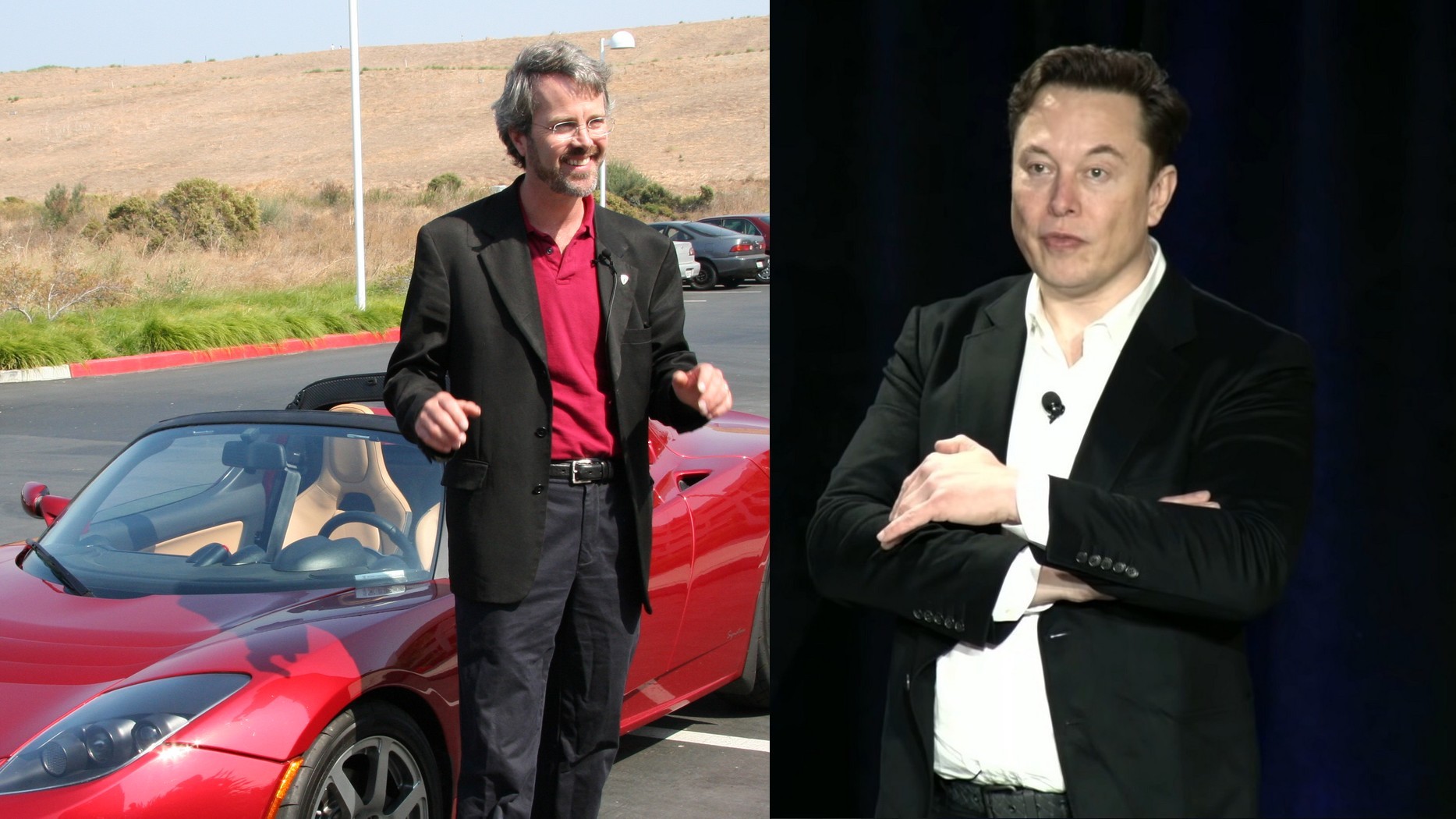
The question of “who founded Tesla” eventually led to a legal and public relations battle that significantly influenced the company’s corporate identity. In 2009, a lawsuit settlement officially designated five individuals as founders: Martin Eberhard, Marc Tarpenning, Elon Musk, J.B. Straubel, and Ian Wright.
The Legal Settlement and the Five Founders
The expansion of the “founder” title was more than a legal formality; it was a brand management necessity. J.B. Straubel, the long-time CTO, represented the brand’s technical soul, while Ian Wright contributed early engineering expertise. By officially recognizing five founders, the brand acknowledged the multidisciplinary effort required to build such a complex product.
However, the narrative pivot largely centered on Musk’s role. The brand shifted its storytelling to emphasize Musk’s early involvement and his role in designing the product roadmap. This reshaped the brand’s origin myth into a more cohesive “hero’s journey,” which is a common and effective tactic in high-end brand strategy.
Creating the “Mission-Driven” Narrative
Every great brand needs a “Why.” Tesla’s “Why” was codified in the 2006 blog post titled “The Secret Tesla Motors Master Plan (just between you and me).” This document is one of the most successful pieces of brand communication in history. It outlined a simple, four-step plan:
- Build a sports car.
- Use that money to build an affordable car.
- Use that money to build an even more affordable car.
- While doing above, also provide zero-emission electric power generation options.
This transparency created a deep sense of trust and brand loyalty. Customers felt they were part of a secret club, working toward a noble goal of saving the planet. This mission-driven identity is why Tesla owners are often the brand’s most vocal advocates.
The Brand Legacy: Scaling a Vision into a Cultural Phenomenon
As Tesla transitioned from the Roadster to the Model S, X, 3, and Y, the founding vision had to scale. The brand identity moved from “luxury niche” to “mass-market aspirational.”
The Master Plan: Marketing Without Advertisements
One of the most remarkable aspects of the Tesla brand strategy is its $0 advertising budget. While competitors spend billions on Super Bowl commercials and print ads, Tesla relies on organic reach, referral programs, and the sheer strength of its brand identity. This “anti-marketing” stance is itself a powerful marketing tool. It reinforces the idea that the product is so superior it doesn’t need to be sold; it only needs to be experienced.
This strategy relies heavily on the “Founding Vision.” If the founders had set out to build just another car company, this would have failed. Because they set out to “accelerate the world’s transition to sustainable energy,” every tweet, launch event, and software update serves as a branding moment that reinforces that original mission.

Future-Proofing the Tesla Identity
As the original founders moved on to other ventures—Eberhard and Tarpenning into new green tech, Straubel into battery recycling (Redwood Materials)—the Tesla brand has had to evolve once again. The current brand identity is expanding beyond automotive into artificial intelligence, robotics (Optimus), and energy storage (Powerwall).
The “Tesla” brand is now a platform. The foundation laid by Eberhard and Tarpenning provided the engineering credibility, while the expansion led by Musk provided the cultural relevance and scale. Today, the question of who founded Tesla is less about the historical names on the 2003 incorporation papers and more about the collective legacy of those who dared to challenge the internal combustion engine.
In conclusion, the founding of Tesla was not a single event but a series of strategic brand evolutions. It began with a bold name and a niche engineering goal, was propelled into the stratosphere by a master of personal branding, and was eventually solidified by a mission-driven narrative that turned customers into believers. Tesla’s brand remains a testament to the power of a clear vision, proving that when a brand’s identity is built on the foundation of changing the world, it can transcend the products it sells.
aViewFromTheCave is a participant in the Amazon Services LLC Associates Program, an affiliate advertising program designed to provide a means for sites to earn advertising fees by advertising and linking to Amazon.com. Amazon, the Amazon logo, AmazonSupply, and the AmazonSupply logo are trademarks of Amazon.com, Inc. or its affiliates. As an Amazon Associate we earn affiliate commissions from qualifying purchases.