
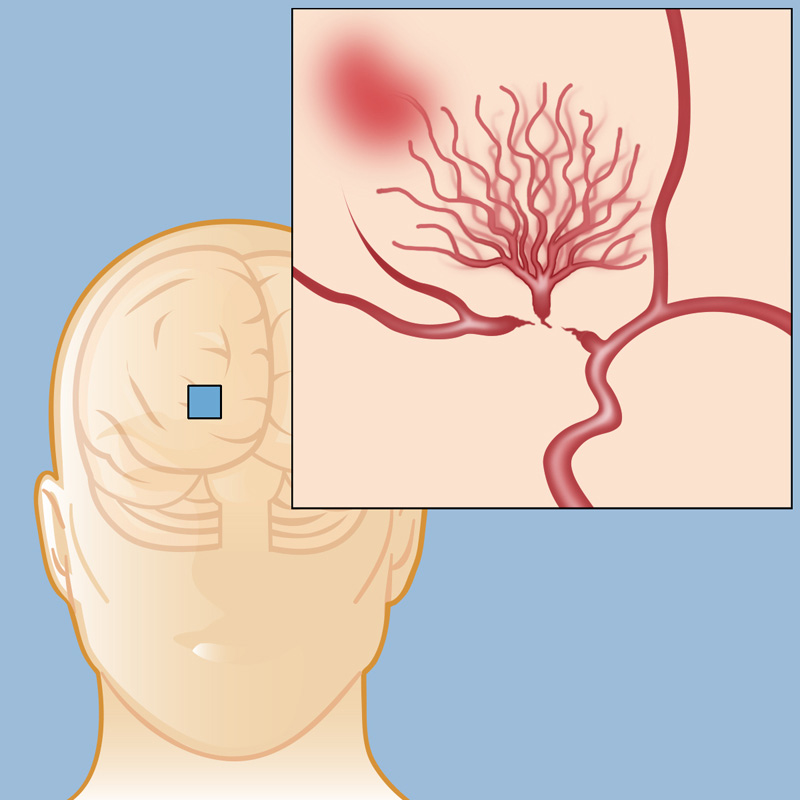
Moyamoya disease, a rare and progressive cerebrovascular disorder, presents one of neurology’s most intriguing and formidable challenges. Characterized by the narrowing or occlusion of arteries at the base of the brain, it triggers the formation of a delicate network of tiny, collateral blood vessels, which, on angiography, resemble a “puff of smoke” – the Japanese translation of “moyamoya.” This compensatory mechanism, while initially protective, is often insufficient and fragile, leading to a high risk of strokes, transient ischemic attacks (TIAs), hemorrhages, and cognitive decline, particularly in children and young adults. Diagnosing and managing Moyamoya requires an intricate understanding of its pathology, but its broader impact extends far beyond the clinical realm, touching upon cutting-edge technological advancements, strategic brand communication, and significant financial implications for individuals, healthcare systems, and research initiatives.

In an era defined by rapid innovation and interconnectedness, addressing a condition as complex as Moyamoya demands a holistic perspective. This article delves into the multifaceted nature of Moyamoya disease, exploring how technological breakthroughs are revolutionizing diagnosis and treatment, how strategic branding and communication are vital for awareness and advocacy, and how financial considerations underscore every stage from research funding to patient care. By examining Moyamoya through the critical lenses of Tech, Brand, and Money, we gain a comprehensive understanding of the challenges and opportunities in combating this elusive disease.
Decoding Moyamoya: A Medical Overview and Technological Frontiers
Understanding Moyamoya disease begins with grasping its clinical manifestations and the underlying vascular pathology. Yet, the journey from suspicion to diagnosis and effective intervention is increasingly paved by sophisticated technological innovations.
The Enigma of Moyamoya: Symptoms, Diagnosis, and Progression
Moyamoya disease primarily affects the internal carotid arteries, which supply blood to the brain. As these arteries narrow, the brain attempts to compensate by growing new, smaller blood vessels. However, these “moyamoya vessels” are prone to rupture or occlusion, leading to the varied and often severe symptoms of the disease. In children, TIAs and ischemic strokes are more common, often triggered by activities like crying, blowing, or eating spicy food that temporarily alter blood pressure or cerebral blood flow. Adults, conversely, may experience more hemorrhagic strokes, seizures, or persistent headaches, alongside cognitive impairments. The unpredictable nature of these events underscores the urgency of early diagnosis.
Diagnosing Moyamoya involves a detailed neurological examination complemented by advanced imaging studies. Magnetic Resonance Angiography (MRA) and Computed Tomography Angiography (CTA) are typically the first line of investigation, providing non-invasive views of the cerebral vasculature. However, the gold standard remains Digital Subtraction Angiography (DSA), which offers a real-time, high-resolution visualization of blood flow dynamics and the characteristic “puff of smoke” appearance. These diagnostic steps are crucial not only for confirming the disease but also for staging its progression and planning appropriate interventions. The progressive nature of Moyamoya means that without intervention, the risk of debilitating strokes and cognitive decline significantly increases over time, making swift and accurate diagnosis paramount.
Technology at the Forefront: From Precision Diagnostics to Robotic Neurosurgery
The landscape of Moyamoya diagnosis and treatment is constantly evolving, driven by remarkable advancements in medical technology. Beyond conventional angiography, the integration of cutting-edge tech is transforming patient care. Functional MRI (fMRI) and Positron Emission Tomography (PET) scans, for instance, offer insights into brain metabolism and areas of compromised blood flow, aiding in surgical planning and predicting neurological outcomes. AI-driven algorithms are beginning to play a pivotal role, analyzing vast datasets from imaging and clinical records to improve diagnostic accuracy, identify subtle patterns indicative of disease progression, and even predict optimal surgical candidates with greater precision. Machine learning models can assist radiologists in sifting through complex angiograms, highlighting areas of concern that might be missed by the human eye, thereby reducing diagnostic delays.
In the surgical suite, technology has become indispensable. Microsurgical techniques, essential for revascularization procedures like STA-MCA bypass, have been enhanced by high-definition microscopes, real-time intraoperative blood flow monitoring systems, and advanced neuro-navigation tools that allow surgeons to operate with unparalleled precision. The emergence of robotic-assisted neurosurgery, though still in its nascent stages for complex cerebrovascular cases, promises further advancements in minimizing invasiveness, enhancing dexterity, and improving patient outcomes. Furthermore, digital health platforms and telemedicine are revolutionizing follow-up care, enabling remote monitoring of symptoms, virtual consultations, and accessible educational resources for patients and caregivers, regardless of geographical barriers. These technological innovations not only improve the efficacy of interventions but also significantly enhance the patient experience and access to specialized care.
Building Awareness and Trust: The Brand Imperative in Moyamoya Care
In the fight against a rare disease like Moyamoya, communication and perception are as critical as clinical excellence. Strategic branding, from institutional identity to personal advocacy, plays a pivotal role in raising awareness, fostering trust, and driving collective action.
The Power of Brand: Shaping Perceptions and Driving Advocacy
For a rare disease like Moyamoya, effective brand strategy is not about selling a product; it’s about establishing credibility, fostering community, and mobilizing support. Hospitals and medical centers that specialize in Moyamoya care often develop distinct “brands” centered around their expertise, patient outcomes, and multidisciplinary approach. This institutional branding builds trust among prospective patients and referring physicians, signaling a commitment to excellence and a deep understanding of the disease. A strong brand identity for a specialized medical center often includes clear messaging about their research contributions, innovative surgical techniques, and patient-centric care models.
Beyond institutions, patient advocacy groups and non-profit organizations play a crucial role in branding Moyamoya itself. Their branding efforts focus on demystifying the disease, sharing patient stories to humanize the condition, and creating a sense of urgency for research funding and policy changes. These groups leverage digital platforms, social media campaigns, and compelling visual narratives to amplify their message. Their “brand” is built on empathy, hope, and the collective strength of affected families, effectively turning a complex medical term into a recognizable cause. Successful branding in this context translates into increased public awareness, greater understanding among healthcare providers, and ultimately, improved access to diagnosis and treatment for those affected.
Personal Branding and Reputation Management in Specialized Healthcare
In the highly specialized field of neurosurgery and rare disease treatment, the personal brand of leading clinicians and researchers is incredibly influential. Surgeons and neurologists who become recognized experts in Moyamoya disease build their personal brand through consistent excellence in patient care, contributions to medical literature, presentations at international conferences, and active engagement in patient communities. Their reputation, built on expertise, empathy, and successful outcomes, attracts patients from around the globe seeking the best possible care. This personal branding is often amplified through digital channels, where articles, interviews, and patient testimonials contribute to a robust online presence.
For medical institutions, reputation management is intrinsically linked to the personal brands of their leading practitioners. A hospital’s standing in Moyamoya care is directly impacted by the perceived skill and integrity of its neurosurgery team. Managing this reputation involves transparent communication about surgical outcomes, ethical research practices, and a commitment to continuous improvement. Negative press or missteps can have profound impacts, while positive stories of innovation and patient recovery can significantly bolster an institution’s brand equity. In this sensitive area of healthcare, brand and reputation are not just about market share; they are about trust, life-saving expertise, and the very hope patients place in their medical providers.

The Financial Pulse: Managing Costs, Funding Innovation, and Economic Impact
The journey through Moyamoya disease, from diagnosis to long-term management, carries significant financial implications, impacting individuals, families, and the broader healthcare economy. Addressing these costs and securing funding for the future are critical components of a comprehensive approach.
The High Cost of Care: Navigating Insurance and Financial Planning
The financial burden associated with Moyamoya disease is substantial. Diagnostic imaging, specialized surgical procedures (often requiring multiple stages), post-operative care, rehabilitation therapy (physical, occupational, and speech therapy), and ongoing medications can accumulate to astronomical figures. For many patients and families, navigating insurance coverage becomes a complex and often stressful ordeal. Understanding deductibles, co-pays, out-of-pocket maximums, and the nuances of in-network versus out-of-network providers is a full-time job in itself. Without adequate insurance or robust financial planning, the cost of Moyamoya treatment can lead to significant financial distress, even bankruptcy.
Financial advisors specializing in medical expenses, social workers within healthcare systems, and patient advocacy groups often step in to help families understand their options. Strategies include applying for financial aid programs, seeking grants from disease-specific foundations, and exploring government assistance. For those in a position to plan, establishing health savings accounts (HSAs) or flexible spending accounts (FSAs) can mitigate some of the tax burden on medical expenses. The economic reality is that while medical advancements offer hope, their accessibility is often gated by financial capacity, making discussions around insurance reform and equitable access to specialized care paramount.
Investing in Tomorrow: Research, Development, and Economic Contribution
Beyond immediate patient care, significant financial investment is required for continued research and development (R&D) into Moyamoya disease. Funding for basic science research to understand the genetic and molecular underpinnings of the disease, clinical trials for new diagnostic markers or therapeutic agents, and technological innovations in surgical tools and imaging techniques comes from a variety of sources. Government grants (e.g., NIH funding), philanthropic donations from private foundations, and venture capital investments in biotech and medtech startups all play crucial roles. These investments are not merely charitable acts; they are critical for advancing medical knowledge, improving treatment outcomes, and ultimately, finding a cure.
The economic impact of Moyamoya extends beyond direct medical costs. The disease often affects individuals in their most productive years, leading to loss of income, reduced productivity, and significant caregiver burden. Families may incur costs related to travel for specialized care, home modifications for rehabilitation, and long-term support. Investing in research and effective treatment, therefore, has broader societal benefits. By mitigating the effects of strokes and cognitive decline, these investments reduce the long-term healthcare expenditure, enable affected individuals to return to work or maintain a higher quality of life, and contribute to overall economic productivity. The financial commitment to understanding and treating Moyamoya is an investment in human capital and public health.
Empowering Patients: Digital Tools and Financial Resilience
In the face of a complex and costly condition like Moyamoya, leveraging digital resources for support and knowledge, coupled with proactive financial strategies, becomes a powerful tool for patient and family empowerment.
Leveraging Digital for Support and Education
The digital age has opened unprecedented avenues for patients and caregivers to connect, learn, and advocate. Online forums, social media groups, and dedicated apps provide platforms for individuals affected by Moyamoya to share experiences, exchange advice, and find emotional support. These digital communities can be invaluable for navigating the emotional and practical challenges of the disease, offering a sense of belonging and reducing feelings of isolation. From recommendations for specialized pediatric neurologists to tips on managing post-surgical recovery, the collective wisdom of these online networks provides practical, real-world guidance often not found in clinical settings.
Furthermore, technology plays a critical role in patient education. Websites from reputable medical institutions, animated explainer videos, and interactive digital resources help demystify the complex medical terminology surrounding Moyamoya disease. Apps designed for symptom tracking, medication reminders, or cognitive exercises can empower patients to take a more active role in their self-management and provide valuable data for their care teams. Telehealth platforms facilitate easier access to second opinions and specialized consultations, making expert care more accessible, particularly for those in remote areas. These digital tools transform passive patients into informed, engaged participants in their own healthcare journey.
Strategies for Financial Resilience and Long-Term Wellbeing
Given the substantial financial burden of Moyamoya, developing strategies for long-term financial resilience is crucial. This goes beyond immediate insurance navigation and extends to proactive planning for potential future costs and income disruptions. For some patients or caregivers, exploring online income opportunities or flexible side hustles can provide much-needed financial buffers, accommodating rehabilitation schedules or periods of reduced capacity. This could involve freelance work, online tutoring, blogging about their journey, or participating in the gig economy – leveraging tech to create income streams that align with their specific circumstances.
Moreover, establishing legal and financial safeguards, such as powers of attorney, medical directives, and robust estate planning, becomes particularly important. Engaging with financial planners who understand the complexities of long-term medical conditions can help families set up trusts, manage investments, and plan for potential future care needs. Advocacy for increased government funding for rare diseases, expansion of Medicaid/Medicare benefits, and innovative payment models in healthcare also contribute to a more financially resilient future for all Moyamoya patients. Ultimately, a combination of personal financial prudence, community support, and systemic advocacy forms the bedrock of long-term wellbeing in the face of this challenging condition.
Conclusion
Moyamoya disease stands as a testament to the intricate challenges within modern medicine, demanding not just clinical expertise but a harmonious integration of technology, strategic branding, and robust financial planning. From the precision diagnostics and innovative surgical techniques empowered by artificial intelligence and advanced robotics, to the critical role of brand in building trust and fostering patient advocacy, and the profound financial considerations that shape access to care and fuel future research – each facet is inextricably linked.
As we look to the future, continued collaboration across these domains will be paramount. Investing in technological research will yield more effective treatments and cures. Strategic communication and branding will ensure widespread awareness, crucial for early diagnosis and collective support. And thoughtful financial planning, alongside systemic reforms and increased funding, will ensure that groundbreaking treatments are accessible to all who need them. Moyamoya disease, while formidable, is a battle that can be progressively won through an integrated, forward-thinking approach that leverages the best of human ingenuity and compassion.
aViewFromTheCave is a participant in the Amazon Services LLC Associates Program, an affiliate advertising program designed to provide a means for sites to earn advertising fees by advertising and linking to Amazon.com. Amazon, the Amazon logo, AmazonSupply, and the AmazonSupply logo are trademarks of Amazon.com, Inc. or its affiliates. As an Amazon Associate we earn affiliate commissions from qualifying purchases.