
Drilling into metal is a task that demands precision, power, and, most importantly, the right tools. Unlike wood or plastic, metal’s inherent density and hardness require specialized drill bits designed to withstand intense friction and heat while maintaining a sharp cutting edge. For anyone embarking on a DIY project, managing a professional workshop, or even just making a quick repair, understanding the nuances of drill bits for metal is paramount. It’s not merely about selecting “a drill bit”; it’s about making an informed decision that impacts everything from project efficiency and safety to the longevity of your tools and the quality of your finished product.
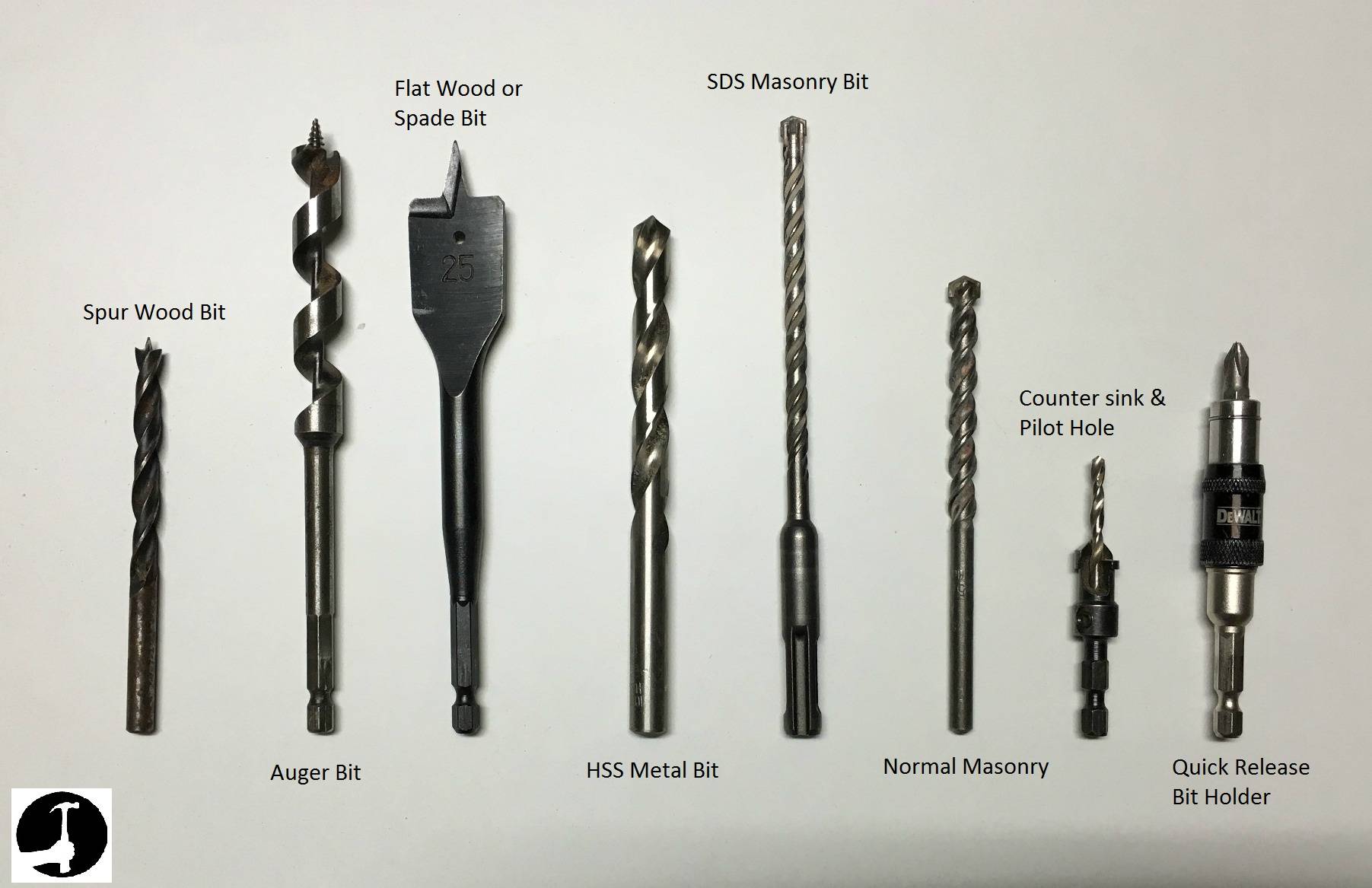
In an era where technology continues to redefine industries, the humble drill bit has also seen significant advancements. Modern metallurgy, cutting-edge coatings, and sophisticated manufacturing processes now offer a bewildering array of options, each tailored for specific applications. Navigating this landscape requires more than just instinct; it calls for a strategic approach that considers the material being drilled, the frequency of use, and the overall financial implications. This guide delves deep into the world of metal drill bits, connecting the dots between technological innovation, brand reputation, and the crucial financial considerations that underpin every successful project.
Understanding the Fundamentals: Anatomy and Materials of Metal Drill Bits
Before diving into specific recommendations, it’s essential to grasp the basic anatomy of a drill bit and the core materials from which they are constructed. Every component, from the shank that fits into your drill chuck to the flute that clears chips, plays a vital role. However, the most critical aspects for metal drilling are the bit’s material composition and any surface coatings, as these directly determine its hardness, heat resistance, and wear characteristics.
The Core Materials: From HSS to Cobalt
The material of a drill bit is its primary determinant of performance when cutting metal. As technology advances, new alloys and composites continually push the boundaries of what’s possible, offering enhanced durability and cutting efficiency for increasingly demanding applications.
-
High-Speed Steel (HSS): This is the workhorse of metal drilling. HSS bits are a significant step up from standard carbon steel bits, offering much greater heat resistance and hardness, making them suitable for drilling through softer metals like aluminum, brass, copper, and mild steel. HSS is an alloy containing elements like tungsten, molybdenum, chromium, and vanadium, which impart its key properties. For general-purpose tasks and occasional use, HSS bits offer a cost-effective and versatile solution. They represent a fundamental technological leap in tool manufacturing, balancing affordability with performance.
-
Cobalt (HSS-Co): When HSS isn’t quite enough, cobalt bits step in. These bits are typically made from an HSS alloy that includes 5% to 8% cobalt. The addition of cobalt dramatically increases the bit’s heat resistance and hardness, making them ideal for drilling through tougher materials such as stainless steel, titanium, and cast iron. Cobalt bits can withstand higher temperatures without losing their temper, meaning they stay sharp longer when working with abrasive or hard metals. This makes them a wise investment for professionals or serious DIYers who frequently encounter challenging metals, directly impacting project productivity and overall financial efficiency by reducing the need for frequent bit replacement. From a tech perspective, the development of cobalt alloys for cutting tools represents a continuous refinement in material science.
-
Solid Carbide (Carbide-Tipped): At the pinnacle of hardness and heat resistance are carbide bits, typically made from tungsten carbide. These are significantly harder and more brittle than HSS or cobalt bits, making them less suitable for hand drills and more often found in industrial settings, CNC machines, or powerful drill presses where precise control and rigidity are paramount. Carbide bits excel at drilling extremely hard or abrasive materials like hardened steel, certain alloys, and composites. While considerably more expensive, their exceptional longevity and cutting performance on difficult materials can lead to significant long-term savings in industrial applications by reducing downtime and improving production speeds – a clear example of how advanced tech translates into financial benefits.
Essential Coatings: Enhancing Durability and Performance
Beyond the base material, many metal drill bits feature advanced surface coatings. These coatings are not merely cosmetic; they are a sophisticated application of material science, designed to further enhance the bit’s hardness, reduce friction, dissipate heat, and extend its lifespan. The application of these coatings often involves complex PVD (Physical Vapor Deposition) or CVD (Chemical Vapor Deposition) processes, showcasing modern manufacturing technology.
-
Black Oxide: One of the most common and cost-effective coatings, black oxide provides increased corrosion resistance and lubricity. It helps to reduce chip welding (where metal chips stick to the bit), making for smoother drilling and slightly extended tool life. While not a performance enhancer in terms of hardness, it’s an excellent protective layer for HSS bits, guarding against rust during storage and light use.
-
Titanium Nitride (TiN): A gold-colored coating, TiN is a hard ceramic material applied through PVD. It significantly increases the surface hardness of the bit, reduces friction, and improves heat resistance. TiN-coated HSS bits last considerably longer than uncoated HSS bits, especially in medium-duty applications, allowing for faster drilling speeds and a cleaner finish. For the money, TiN-coated bits offer a substantial upgrade in performance and durability for a reasonable price, making them a popular choice for both hobbyists and professionals seeking a balance of cost and efficiency.
-
Titanium Carbonitride (TiCN) / Aluminum Titanium Nitride (AlTiN): These are advanced variations of TiN, offering even greater hardness and heat resistance. TiCN, often grey-blue, combines titanium, carbon, and nitrogen, making it harder and more abrasive-resistant than TiN. AlTiN, typically black or dark grey, incorporates aluminum, which forms a super-hard aluminum oxide layer at high temperatures, making it exceptionally well-suited for high-speed drilling in tough materials without coolant. These coatings represent the cutting edge of drill bit technology, developed to meet the demands of high-performance manufacturing and heavy industrial use. Investing in AlTiN-coated cobalt or carbide bits can be a substantial upfront cost, but for continuous, high-volume production, the reduction in tool changes and increased feed rates can lead to significant financial returns and productivity gains.
Matching the Bit to the Metal: A Strategic Approach
Choosing the right drill bit is a strategic decision that goes beyond simply picking the hardest option. It involves carefully considering the specific metal you’re working with, the nature of the hole you need to drill, and the overall scope of your project. This informed selection directly impacts the success of your task, the efficiency of your work, and your long-term financial investment in tools.
Soft Metals vs. Hard Alloys: Choosing Wisely
The type of metal dictates the minimum requirements for your drill bit. Using an inadequate bit will lead to rapid dulling, overheating, and potential breakage, wasting both time and money.
- Aluminum, Brass, Copper: These relatively soft, non-ferrous metals are generally easy to drill. Standard HSS bits are usually sufficient. For repetitive work or to extend bit life, black oxide or TiN-coated HSS bits can offer improved performance and durability.
- Mild Steel, Cast Iron: These ferrous metals require a bit with better heat resistance and hardness than basic HSS. TiN-coated HSS bits are a good choice, and for more frequent use or slightly tougher grades, a 5% cobalt HSS bit will perform even better, maintaining its edge longer under friction.
- Stainless Steel, Tool Steel, Titanium: These are the tough customers. They are hard, often abrasive, and tend to work-harden as they are drilled, meaning they become even harder. For these materials, cobalt (HSS-Co) bits are the minimum recommendation. For optimal results, especially in professional or high-volume applications, AlTiN-coated cobalt or solid carbide bits offer superior heat resistance and cutting ability, preventing premature wear and ensuring consistent performance. Here, the investment in higher-grade materials and coatings clearly links to business finance—reduced tool replacement costs and improved efficiency directly affect the bottom line.
Beyond Material: Factors like Hole Size, Depth, and Project Scope
The choice isn’t solely about the metal’s hardness. The geometry of the hole and the scale of the project also play a significant role.
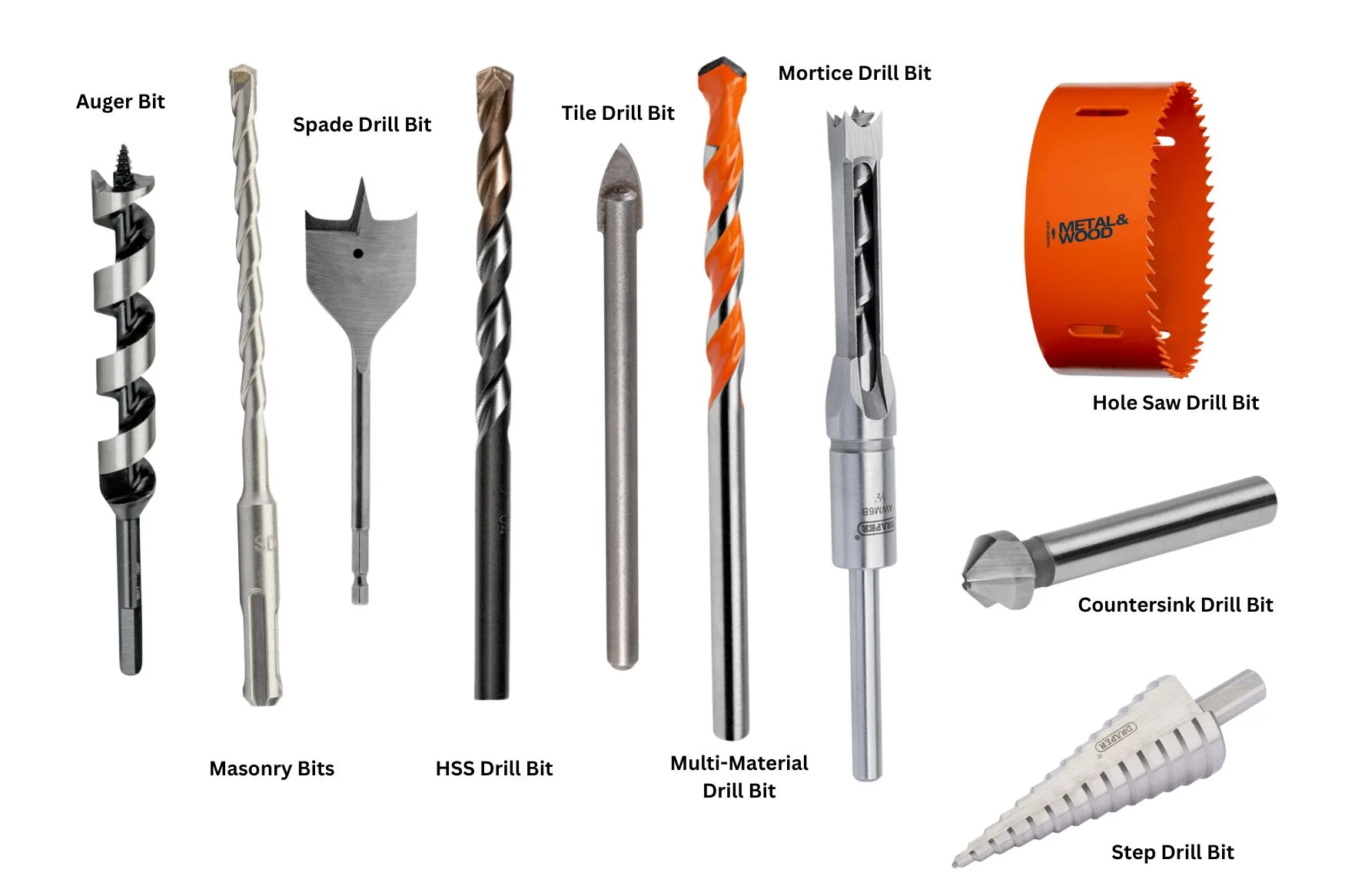
- Hole Size: For very large holes, traditional twist bits become inefficient and can put undue strain on your drill. Here, specialized tools like annular cutters (also known as “sluggers” or “broach cutters”) or hole saws with bi-metal or carbide teeth are more effective. Annular cutters remove a “slug” of material rather than pulverizing it, making them faster and more efficient for large diameter holes in thicker metals, often used in fabrication and structural work. Hole saws are ideal for thinner sheet metal or applications where a clean edge is paramount.
- Hole Depth: For deep holes, bits with longer flutes are necessary to effectively clear chips. Pilot holes are almost always recommended for precision and ease of drilling, regardless of depth, especially in harder metals or larger diameters.
- Project Scope (Repetitive vs. One-off): For a single, occasional hole in mild steel, a basic HSS bit might suffice. However, for a side hustle involving frequent metal fabrication or a business that relies on consistent, high-quality drilling, investing in a set of cobalt bits with advanced coatings quickly becomes a financially astute decision. The increased lifespan and efficiency far outweigh the initial higher cost, demonstrating a clear return on investment (ROI) in your tools, which is a key aspect of personal and business finance.
Specialized Bit Designs for Metal Drilling

While twist bits are the most common, other designs cater to specific needs, highlighting the continuous innovation in tool technology.
- Split Point Bits: These have a unique chisel-shaped tip that effectively self-centers, reducing the need for a pilot hole or center punch, especially on round surfaces or when starting on slick materials. This design improves accuracy and reduces “walking,” enhancing productivity.
- Step Bits: These conical bits feature multiple diameters on a single bit, allowing you to drill various size holes without changing bits. They are excellent for creating clean, burr-free holes in thin sheet metal (up to about 1/8″ thick) and are often used in electrical work or automotive applications. Their efficiency and versatility make them a smart investment for specific tasks, demonstrating how a specialized tool can boost productivity.
The Intersection of Tech, Brand, and Money in Drill Bit Selection
The seemingly simple act of choosing a drill bit for metal is, in reality, a complex decision influenced by an interwoven matrix of technological advancements, brand reputation, and sound financial planning. Understanding these connections empowers users to make choices that lead to superior results and optimal resource allocation.
Leveraging Technology for Optimal Drilling Outcomes
Modern drill bits are a testament to relentless technological innovation. From the microscopic structure of their alloys to the precision of their manufacturing, technology permeates every aspect.
- Advanced Metallurgy & Coatings: As discussed, the development of new metal alloys (like cobalt-enriched HSS) and sophisticated surface coatings (like AlTiN) are direct results of materials science and engineering. These innovations allow bits to endure extreme conditions, drill faster, last longer, and cut cleaner, directly contributing to productivity.
- Smart Tools & Automation: While not directly about the bit, the drills themselves have evolved. Cordless technology, brushless motors, and even “smart” drills with torque control settings optimize the drilling process, complementing high-performance bits. In industrial settings, robotic drilling systems, powered by AI and sophisticated software, use advanced bits to achieve unparalleled precision and speed, showcasing the pinnacle of integrated tech. Even digital tutorials and online resources (like this article) leverage technology to disseminate crucial knowledge, acting as productivity tools for users.
- Digital Resources & Tutorials: The availability of online reviews, performance comparisons, and step-by-step video tutorials (which fall under the “Tech” category of “Tutorials” and “Reviews”) empowers consumers to make informed choices. This digital accessibility to knowledge is a powerful tool for productivity and informed decision-making.
The Power of Brand: Reputation, Innovation, and Trust
In the crowded market of tools, brand identity plays a crucial role. A brand is more than just a logo; it’s a promise of quality, reliability, and often, innovation.
- Brand Value: Reputable brands like Bosch, DeWalt, Milwaukee, Irwin, and Starrett have built their reputation over decades by consistently delivering high-quality tools. When you choose a drill bit from an established brand, you’re not just buying a piece of steel; you’re investing in their expertise, quality control, and the promise of consistent performance. This translates to greater trust and less risk of project failure or tool breakdown, which is vital for any professional whose corporate identity is tied to their work quality.
- Innovation & R&D: Leading brands invest heavily in research and development. They are at the forefront of exploring new materials, refining bit geometries, and developing advanced coatings. This continuous innovation ensures that their products remain competitive and meet the evolving demands of various industries and users. This commitment to innovation is a core part of their brand strategy and contributes to their market leadership.
- Marketing & Consumer Education: Brands also play a crucial role in educating consumers about the specific applications and benefits of their specialized bits through their marketing efforts. Clear labeling, detailed product descriptions, and helpful guides enable users to select the right tool for the job, fostering loyalty and driving sales.
The Financial Prudence of Quality Drill Bits
The initial cost of a drill bit is only one part of the financial equation. True cost includes performance, longevity, and the impact on project efficiency and material waste.
- Cost vs. Value: While a budget HSS bit might be cheaper upfront, if it dulls quickly, requires frequent replacement, or leads to damaged workpieces, its true cost escalates rapidly. Investing in a high-quality cobalt bit with an advanced coating, though more expensive initially, offers superior durability, faster drilling, and cleaner cuts. This long-term value perspective aligns perfectly with principles of personal finance and business finance, where investment in quality tools yields better ROI.
- Productivity & Efficiency: The right drill bit drastically improves productivity. A sharp, appropriately chosen bit cuts faster, requiring less effort and reducing the time spent on a task. For side hustles or professional work where time literally equals money, this efficiency gain is paramount. It’s a direct link to increasing online income or business profitability.
- Preventing Damage & Waste: A poor-quality or incorrectly chosen bit can lead to overheating, burning, or breakage, potentially damaging the workpiece. This material waste, especially with expensive metals, incurs significant financial losses. High-quality bits minimize these risks, protecting both your materials and your investment.
- Side Hustles & ROI: For individuals engaged in online income generation through crafting, fabrication, or repair services, investing in a robust set of metal drill bits is a critical business decision. The reliability of these tools directly impacts customer satisfaction, project turnaround times, and ultimately, the profitability of their side hustle. It’s an investment in their personal brand and professional reputation.
Best Practices for Drilling Metal
Even the best drill bit needs to be used correctly to perform optimally and ensure safety. Adhering to best practices extends tool life, prevents accidents, and guarantees high-quality results.
Safety First: Gear and Technique
Safety is non-negotiable when working with power tools and metal.
- Personal Protective Equipment (PPE): Always wear safety glasses to protect against flying chips and debris. Gloves can protect hands, but ensure they don’t get caught in rotating parts.
- Secure the Workpiece: Metal can bind and spin dangerously if not clamped securely. Use a vise or C-clamps to firmly hold the material you are drilling. Never hold metal by hand while drilling.
- Proper Speed and Pressure: Metal drilling generally requires lower speeds than wood drilling. Harder metals and larger bits require even slower speeds. Apply steady, firm pressure, but avoid excessive force, which can overheat or break the bit. Let the bit do the work.
- Lubricants/Coolants: Crucial for metal drilling, especially with harder metals like stainless steel. Cutting fluids or lubricants reduce friction, dissipate heat, prevent chip welding, and extend bit life. Apply generously.
Maintenance and Longevity
Proper care ensures your drill bits remain effective for years, maximizing your financial investment.
- Cleaning and Storage: After use, clean bits of any metal chips or residue. Store them in a protective case or organizer to prevent damage to the cutting edges and to protect them from rust.
- Sharpening: HSS and cobalt bits can be sharpened using a drill bit sharpener or a grinding wheel, extending their usable life significantly. Carbide bits typically require specialized sharpening services due to their extreme hardness. Regularly sharpening your bits is a cost-effective way to maintain performance and avoid premature replacement.
Conclusion
The journey through “What Kind of Drill Bit for Metal” reveals that this seemingly simple tool is a complex nexus of technological innovation, brand integrity, and crucial financial considerations. From the metallurgy of High-Speed Steel and Cobalt to the advanced engineering of TiN and AlTiN coatings, each element is designed to enhance precision, performance, and durability. Choosing the right bit for your specific metal and project is not just a matter of convenience; it’s an informed decision that directly impacts your productivity, the quality of your work, and the financial efficiency of your endeavors, whether for personal use, a thriving side hustle, or industrial applications.
By understanding the strengths of different materials, recognizing the value proposition of reputable brands, and making financially prudent choices, you empower yourself to tackle any metal drilling challenge with confidence. Adhering to best practices in safety and maintenance further ensures that your investment in quality tools pays dividends in the long run. In a world increasingly driven by digital tools and advanced technologies, the humble drill bit stands as a testament to the enduring power of practical engineering, reminding us that success in any venture, big or small, often hinges on selecting the right tool for the job.
aViewFromTheCave is a participant in the Amazon Services LLC Associates Program, an affiliate advertising program designed to provide a means for sites to earn advertising fees by advertising and linking to Amazon.com. Amazon, the Amazon logo, AmazonSupply, and the AmazonSupply logo are trademarks of Amazon.com, Inc. or its affiliates. As an Amazon Associate we earn affiliate commissions from qualifying purchases.