
In the modern digital economy, the “subscription tax” has become a significant line item in the average household budget. As streaming services transition from growth-oriented disruption to profit-focused consolidation, consumers are forced to evaluate the financial viability of their entertainment choices. Amazon Prime Video, a cornerstone of the Amazon ecosystem, sits at a unique intersection of retail convenience and digital media. Understanding “how much” Prime Video costs requires more than a simple glance at a price tag; it demands a comprehensive analysis of subscription tiers, hidden costs, and the overall return on investment (ROI) within a personal finance framework.
Understanding the Prime Video Pricing Structure
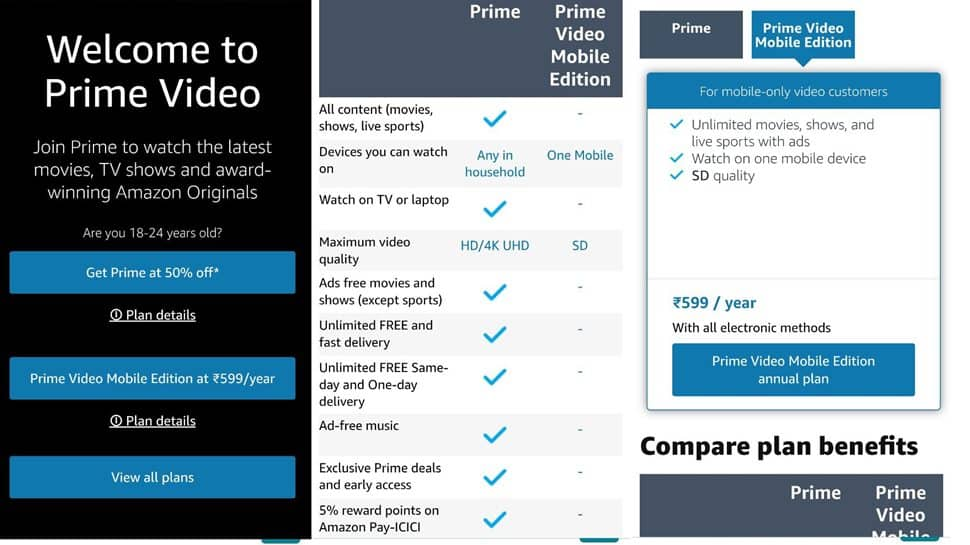
When evaluating the cost of Prime Video, it is essential to distinguish between the various entry points Amazon provides. Unlike specialized competitors like Netflix or Max, Prime Video’s pricing is intricately linked to the broader Amazon Prime membership, though standalone options do exist.
Standalone vs. Full Prime Membership
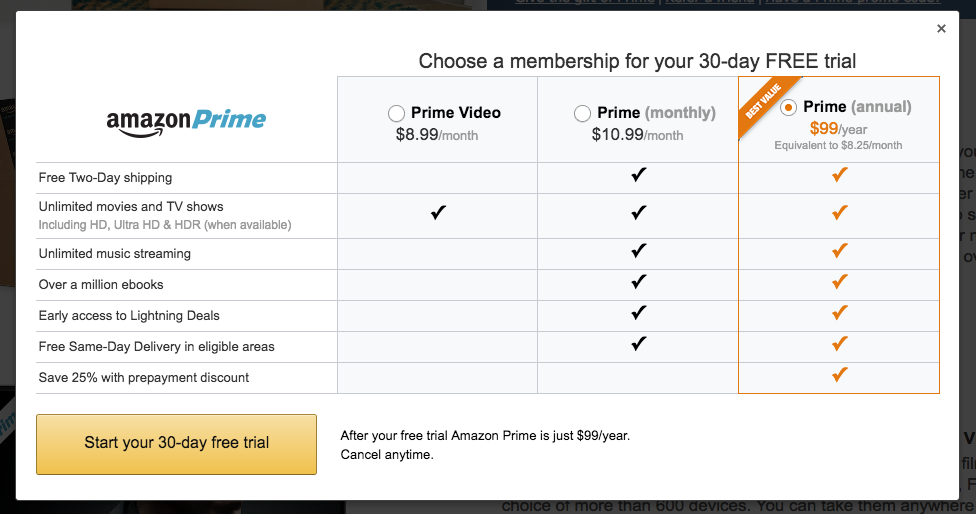
For those who strictly want access to the streaming library without the bells and whistles of free shipping, Amazon offers a standalone Prime Video subscription. Currently, this is priced at $8.99 per month. While this is one of the more competitive entry points in the premium streaming market, it lacks the holistic value of the full Prime membership.
The full Amazon Prime experience, which includes Prime Video, currently costs $14.99 per month or $139 per year. From a financial planning perspective, the annual option represents a significant saving of approximately $40 per year compared to the monthly billing cycle. For long-term users, committing to the annual payment is a clear tactical win for cash flow management.
Student and Discounted Tiers
Amazon has strategically segmented its market to capture younger demographics and lower-income households through aggressive discounting. Prime Student is arguably one of the best values in the digital economy, offered at $7.49 per month or $69 per year—a 50% discount compared to the standard rate. Furthermore, individuals receiving government assistance (such as SNAP or EBT) qualify for a discounted rate of $6.99 per month. These tiers are essential considerations for budget-conscious consumers looking to minimize their “entertainment overhead.”
International Pricing Variations
It is important to note that Prime Video’s cost is not uniform globally. Due to purchasing power parity and regional competition, prices vary significantly. For instance, Prime in the UK or India is priced differently than in the US. For the digital nomad or the international expatriate, understanding these regional pricing structures can lead to strategic savings, provided one maintains a valid local payment method and address.
Hidden Costs and the “Budget Creep” of Add-ons
In early 2024, the financial landscape of Prime Video shifted significantly with the introduction of advertisements. This move reflects a broader trend in the streaming industry: the monetization of the viewer’s time as a secondary revenue stream. To maintain an ad-free experience, subscribers must now pay an additional $2.99 per month.
The New Ad-Supported Reality
This $2.99 surcharge may seem negligible in isolation, but it represents a nearly 20% increase for those on the monthly plan. When auditing your monthly expenses, this “stealth hike” is a prime example of how subscription services contribute to “budget creep.” If you value your time and a seamless viewing experience, the ad-free tier is a necessity, but it must be factored into your annual entertainment cap.
Prime Video Channels: A Financial Trap?
One of Amazon’s most successful financial strategies is the “Channel” system. Users can subscribe to third-party services like Paramount+, Max, or Discovery+ directly through the Prime Video interface. While this offers the convenience of centralized billing, it often leads to “subscription amnesia.” Because these costs are bundled into a single Amazon charge, users frequently lose track of how many ancillary services they are paying for. From a financial discipline standpoint, it is often better to subscribe to these services individually or through a dedicated “bundle” elsewhere to ensure visibility in your banking statements.
Digital Rentals and Purchases
Unlike Netflix, Prime Video operates on a hybrid model. Not everything you see on the platform is included in your subscription. The platform frequently promotes “Premium Video on Demand” (PVOD), where new releases can cost $19.99 to rent or $24.99 to buy. This can be a financial pitfall for families with children or movie enthusiasts who do not strictly monitor their “one-click” purchasing habits. Setting up a PIN for purchases is a recommended financial tool to prevent unauthorized or accidental spending.
Cost-Benefit Analysis: Is Prime Video Worth the Investment?
To determine if Prime Video is “worth it,” we must look beyond the monthly fee and assess the service’s ROI compared to other market leaders and the utility it provides within the Amazon ecosystem.
Comparing Prime Video to Competitors
When stacked against Netflix (Standard plan at $15.49/mo) or Max ($15.99/mo for ad-free), Prime Video’s $8.99 standalone price is a bargain. However, the content library’s depth and the frequency of “prestige” releases vary. If your goal is to minimize your cost-per-hour of entertainment, Prime Video often wins due to its massive catalog of licensed older content. However, if you are paying for the full $14.99 Prime membership solely for the video, you are likely overpaying unless you utilize the other facets of the membership.
Quantifying the Perks of the Amazon Ecosystem
The true financial value of Prime Video is unlocked when you use the shipping, music, and grocery benefits. If a household places more than two Amazon orders per month, the shipping savings typically cover the cost of the Prime membership, essentially making Prime Video “free.” In this context, Prime Video isn’t just an entertainment expense; it’s a byproduct of a logistical efficiency strategy. For a personal finance enthusiast, this is the ultimate “buy one, get ten” scenario.
Strategic Financial Management for Your Streaming Budget
As the cost of living rises, managing digital subscriptions requires a proactive approach. Prime Video, with its various tiers and add-ons, requires a specific strategy to ensure you are getting maximum value for every dollar spent.
Annual vs. Monthly Billing Strategies
If your emergency fund is healthy and your cash flow allows it, always opt for the annual $139 payment. By doing so, you are essentially locking in a “guaranteed return” of about 25% compared to the monthly rate. In the world of investing, a guaranteed 25% return is unheard of. Applying this logic to your bills is a hallmark of sophisticated personal finance.
Leveraging Credit Card Rewards and Cashback
Many credit cards offer 3% to 5% cashback on Amazon purchases. For example, the Amazon Prime Visa card offers 5% back on all Amazon.com transactions, including the Prime membership fee itself. By routing your subscription through a high-rewards card, you can effectively lower the “net cost” of the service. Over the course of a year, these micro-savings contribute to a more optimized financial profile.
The “Churn” Strategy: When to Pause or Cancel
One of the most effective ways to save money on streaming is the “churn” method. There is no financial penalty for canceling and renewing Prime Video. If there are no specific series you are following, canceling for three months of the year can save you over $45. This “on-demand” approach to subscriptions prevents the “passive drain” on your bank account that occurs when you pay for services you aren’t actively using.

Conclusion: The Bottom Line on Prime Video
How much is Prime Video? The answer ranges from $8.99 a month for a basic viewer to over $170 a year for an ad-free, full Prime member. However, the sticker price is only one part of the equation. In the realm of personal finance, the goal is not always to spend the least, but to derive the most value from every dollar.
By understanding the tiered pricing, avoiding the pitfalls of hidden channel costs, and utilizing credit card rewards, Prime Video can be a highly efficient component of your entertainment budget. Whether you view it as a standalone tech service or a perk of a broader retail strategy, disciplined financial management is the key to ensuring that your “streaming tax” doesn’t compromise your long-term financial goals.
aViewFromTheCave is a participant in the Amazon Services LLC Associates Program, an affiliate advertising program designed to provide a means for sites to earn advertising fees by advertising and linking to Amazon.com. Amazon, the Amazon logo, AmazonSupply, and the AmazonSupply logo are trademarks of Amazon.com, Inc. or its affiliates. As an Amazon Associate we earn affiliate commissions from qualifying purchases.