
The annual anticipation surrounding Apple’s latest iPhone release is a global phenomenon, and with the rumored iPhone 16, the excitement is already building. Beyond the expected camera enhancements, processing power boosts, and design refinements, a seemingly mundane yet critically important aspect often sparks significant user curiosity: the charging mechanism. For years, Apple maintained its proprietary Lightning port, a signature of its brand identity and ecosystem. However, recent global shifts and regulatory pressures have ushered in a new era for iPhone charging. As we delve into what the iPhone 16 will likely bring, understanding its charging capabilities isn’t just about plugging in; it’s about appreciating technological evolution, global standardization, and the subtle interplay of brand strategy and consumer finance.

The charging port and associated technology are far more than mere conduits for power. They embody broader technology trends, influence user experience, impact environmental sustainability, and even affect personal finance through accessory purchases. For a device as central to daily life as the iPhone, its charging solution must be robust, efficient, and forward-looking. This article will explore the probable charging standard for the iPhone 16, dissect the underlying technology, discuss its implications for users and the wider tech landscape, and offer insights relevant to our audience keen on technology, brand dynamics, and financial prudence.
The USB-C Revolution: A Global Standard for Connectivity
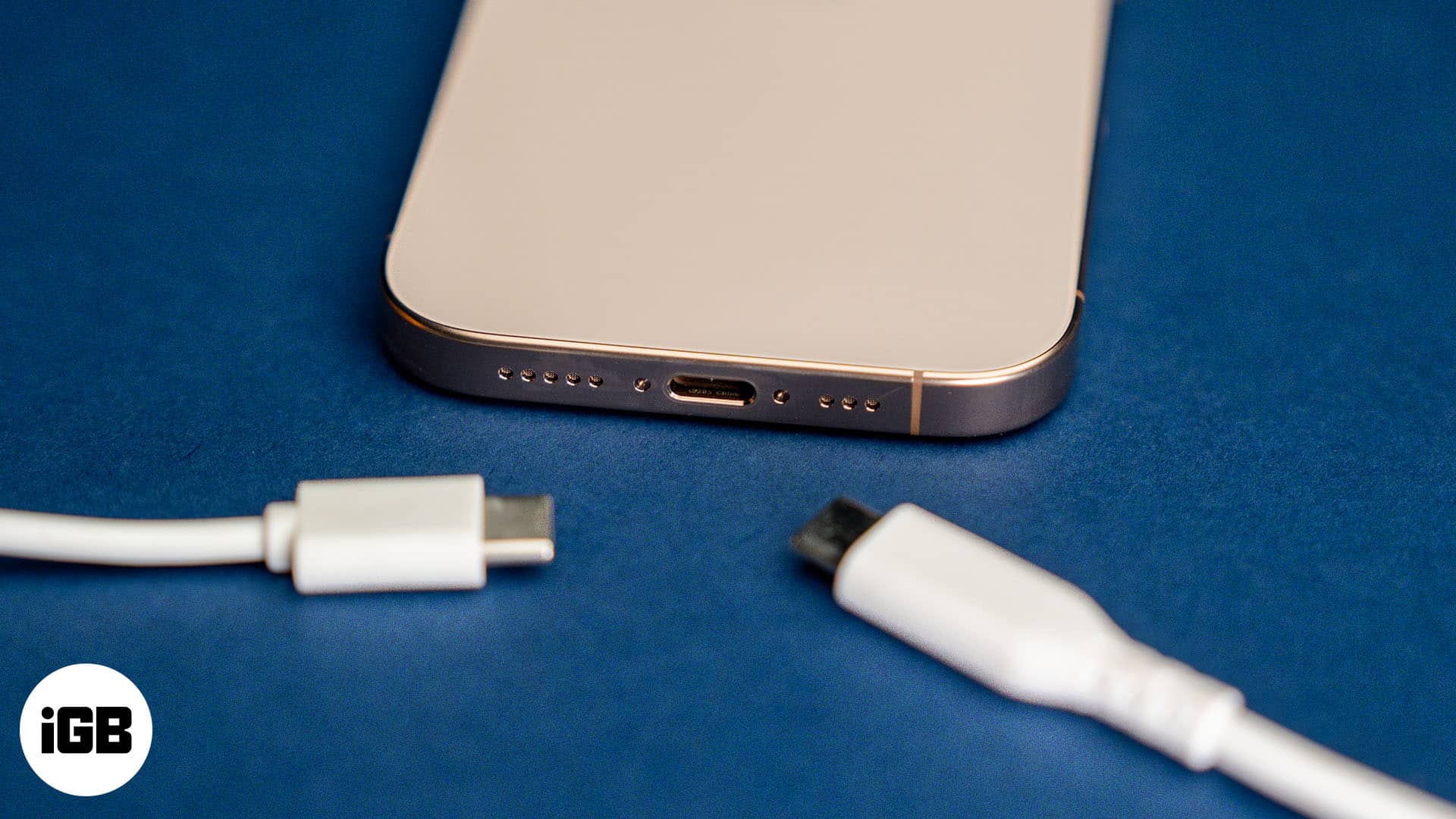
The most significant and definitive answer regarding the iPhone 16’s charger type stems directly from Apple’s actions with its predecessor. Following the iPhone 15 series, Apple officially transitioned from its long-standing Lightning connector to the universal USB-C standard. This move was not merely an incremental upgrade but a pivotal shift, largely catalyzed by regulations from the European Union mandating a common charging port for a wide range of electronic devices. Given the consistency in Apple’s product cycles and the permanence of such regulatory shifts, there is virtually no doubt that the iPhone 16 will continue to utilize USB-C for its wired charging and data transfer needs. This transition marks a monumental step towards a more unified and interoperable tech ecosystem.
From Lightning to Universal: Apple’s Pivotal Shift
For over a decade, the Lightning port was synonymous with the iPhone. Introduced with the iPhone 5 in 2012, it replaced the older 30-pin dock connector, offering a reversible design and a more compact form factor. While proprietary, it served Apple well, allowing tight control over accessories (via the MFi – Made for iPhone/iPad – program) and ensuring a consistent user experience within its walled garden. However, as the broader technology landscape moved towards USB-C – a standard boasting superior power delivery, faster data transfer speeds, and true universal compatibility across laptops, tablets, and Android phones – Lightning began to show its age.
The pressure mounted not just from technological superiority but from regulatory bodies. The European Union’s directive, aimed at reducing electronic waste and simplifying life for consumers by eliminating the need for multiple chargers, effectively forced Apple’s hand. While Apple initially resisted, citing concerns over innovation stifling and e-waste from discarded Lightning accessories, the company ultimately complied. The iPhone 15’s adoption of USB-C was a landmark event, signifying Apple’s concession to a global standard and its integration into a broader tech framework. For the iPhone 16, this means users can confidently expect the same, widely adopted, and versatile USB-C port, streamlining their digital lives and aligning with cutting-edge technology trends in connectivity.
The Benefits of a Unified Charging Ecosystem
The shift to USB-C offers a cascade of benefits, impacting technology trends, consumer convenience, environmental sustainability, and even personal finance. From a user’s perspective, the primary advantage is unparalleled convenience. Imagine needing only one charger and one cable to power your iPhone, iPad, MacBook, and potentially other non-Apple devices like headphones or portable speakers. This eliminates cable clutter, reduces the mental load of remembering which charger goes with which device, and simplifies travel packing. It’s a significant productivity boost for anyone managing multiple gadgets.
Environmentally, the impact is substantial. The EU’s primary motivation was to reduce electronic waste. By standardizing on USB-C, fewer proprietary chargers and cables will be manufactured, distributed, and ultimately discarded. Consumers won’t feel compelled to buy a new charger with every new phone if their existing USB-C power bricks and cables are compatible. This aligns with broader sustainability goals and Apple’s own commitments to environmental responsibility, despite the initial friction.
Economically, for consumers, this translates into tangible financial benefits. While Apple often sells its devices without a power adapter, a universal standard means consumers are less likely to need to purchase a new one. Their existing USB-C chargers from laptops or other devices will likely suffice. Moreover, the broader market for USB-C accessories often leads to competitive pricing and a wider range of quality options, allowing users to make smarter purchasing decisions from a personal finance perspective. Businesses, too, benefit from reduced inventory management for charging solutions and a more simplified procurement process for employee devices.
Powering Up: Understanding iPhone 16 Charging Speeds and Technology
While the type of port is settled, the actual charging experience encompasses much more than just the connector. The iPhone 16’s charging capabilities will be defined by its support for fast charging protocols, its potential for wireless charging enhancements, and the intelligent battery management software that optimizes power delivery. These aspects fall squarely within the realm of “Tech” as they involve advancements in power electronics, battery chemistry, and sophisticated algorithms.
Fast Charging: Beyond Just the Port
The magic of modern fast charging lies not just in the cable but in the power adapter and the device’s internal circuitry. The iPhone 16, like its predecessor, will undoubtedly support USB Power Delivery (USB PD). This is the technical standard that allows devices to negotiate power levels with the charger, ensuring optimal and safe charging speeds. For the iPhone 15 Pro Max, Apple quoted support for up to 27W charging, allowing it to reach 50% charge in about 30 minutes with a 20W or higher power adapter. It’s highly probable that the iPhone 16 will either maintain similar charging speeds or offer a slight improvement, possibly pushing towards 30W or higher, especially for the ‘Pro’ models.
What does this mean for users? Firstly, it means quicker top-ups when you’re in a hurry. A few minutes plugged in can give you hours of additional use, a significant boost to productivity. Secondly, the intelligence of USB PD allows the iPhone to manage power flow dynamically. This includes features like “Optimized Battery Charging,” which learns your daily charging routine and holds the charge at 80% until closer to when you need it, reducing battery strain and extending overall battery lifespan. This sophisticated thermal management and power regulation are crucial elements of modern gadget design, ensuring both speed and long-term durability.
The Wireless Frontier: MagSafe and Future Innovations
Beyond wired charging, wireless charging continues to be a cornerstone of the iPhone experience, primarily through Apple’s proprietary MagSafe technology. Introduced with the iPhone 12, MagSafe uses an array of magnets to precisely align the iPhone with a compatible wireless charger, enabling faster and more efficient wireless charging at up to 15W. This is twice the speed of standard Qi wireless charging on iPhones and offers a satisfying, secure connection.
For the iPhone 16, MagSafe will almost certainly remain a key feature. Speculation for future iPhones often includes enhancements to MagSafe, such as potentially faster wireless charging speeds, or even the introduction of reverse wireless charging (allowing the iPhone to charge other accessories like AirPods or an Apple Watch). While reverse wireless charging has been rumored for several generations and is a common feature on many Android flagship phones, Apple has yet to implement it. If it were to appear on the iPhone 16, it would add another layer of convenience and expand the iPhone’s role as a central hub for all personal gadgets. Looking further ahead, the ultimate dream of a truly portless iPhone, relying solely on wireless charging and data transfer, is a long-term technology trend that Apple might be paving the way for with its continued investment in MagSafe.
Beyond the Cable: Charger Ecosystem and Consumer Considerations
The discussion around the iPhone 16’s charger isn’t complete without considering the broader ecosystem of accessories and the strategic decisions Apple makes regarding their bundling and marketing. The transition to USB-C has profound implications for third-party manufacturers, consumer choices, and Apple’s brand positioning.
The Ecosystem of Chargers: What to Look For
With USB-C being the standard, the market for compatible chargers is vast. However, not all USB-C chargers are created equal. When purchasing an adapter for your iPhone 16, it’s crucial to look for reputable brands that support the USB Power Delivery (PD) standard. A 20W or higher USB-C PD charger will be sufficient for optimal fast charging. While Apple offers its own 20W and 30W USB-C power adapters, numerous third-party manufacturers like Anker, Belkin, and UGREEN provide excellent, often more compact or multi-port alternatives at competitive price points.
For personal finance and smart money management, investing in a high-quality, certified USB-C PD charger is a wise decision. These chargers are typically more durable, offer better power regulation, and often come with safety certifications, protecting your expensive iPhone. Avoid extremely cheap, unbranded chargers that might not meet safety standards or deliver consistent power, potentially damaging your device or significantly slowing down charging. Reviewing gadget reviews and checking for certifications (like UL, CE, or USB-IF) can guide your purchasing decisions. Furthermore, multi-port USB-C chargers that can power your iPhone, iPad, and MacBook simultaneously can be a fantastic productivity tool and a smart tech investment.
Apple’s Brand Strategy and Consumer Perception
Apple’s move to USB-C, though mandated, represented a significant shift in its brand strategy. For years, the Lightning port was a key differentiator, contributing to Apple’s unique ecosystem. Embracing a universal standard could be seen as diluting this uniqueness, yet Apple has framed it as a move towards greater convenience and environmental responsibility. This strategic narrative allows Apple to comply with regulations while still maintaining a positive corporate identity and reputation.
The marketing around the iPhone 15’s USB-C transition focused on its versatility and new capabilities (like direct external drive recording on Pro models), rather than highlighting regulatory compliance. For the iPhone 16, USB-C will simply be the expected norm, allowing Apple to focus its brand messaging on other innovations. This also provides an interesting case study in how a dominant brand navigates external pressures while trying to maintain its premium perception and control over its ecosystem. The shift also means Apple’s MFi program will likely evolve to include USB-C accessories, allowing them to continue to certify and control a segment of the accessory market, albeit with less exclusivity than before.
Future-Proofing Your Charging Experience and Tech Investment
Understanding the charging landscape for the iPhone 16 extends beyond immediate needs; it’s about making informed choices that contribute to the longevity of your device, enhance your daily interactions, and align with smart financial and environmental practices. The universal adoption of USB-C and the continuous evolution of charging technologies empower users to better manage their tech investments and contribute positively to the digital world.
Maximizing Battery Life and Charging Efficiency
While the iPhone 16 will boast advanced charging capabilities, proper charging habits are crucial for maximizing battery health over the device’s lifespan. Avoid extreme temperatures; charging your iPhone in direct sunlight or in a very hot environment can degrade the battery faster. Utilizing software features like “Optimized Battery Charging” and “Clean Energy Charging” (where available) can significantly extend battery longevity by intelligently managing power delivery based on your usage patterns and local energy grids.
From a productivity standpoint, a healthy battery ensures your iPhone is always ready when you are, reducing downtime and the stress of a dying phone. From a digital security perspective, using trusted, certified chargers prevents potential damage from power surges or inconsistent voltage, which can compromise the device’s integrity. These practices are simple yet effective ways to protect your tech investment and ensure the iPhone 16 serves you reliably for years.

The Financial and Environmental Implications of Charging Standards
The move to USB-C for the iPhone 16 represents a triumph for standardization, with significant long-term financial and environmental implications. For consumers, the ability to use one charger for multiple devices translates into money saved on purchasing redundant power adapters and cables. It also means less clutter and simplified logistics, which can indirectly contribute to better financial organization and reduce impulsive accessory purchases. Over time, these small savings add up, making the iPhone ecosystem more accessible and affordable in the long run.
Environmentally, the reduction in e-waste from discarded proprietary chargers is substantial. Fewer raw materials are consumed in manufacturing, and fewer hazardous electronic components end up in landfills. This aligns with a growing global consciousness around sustainability and circular economies, positioning the iPhone 16 not just as a technological marvel but as a device that participates in a more responsible global technology trend. This shift underscores how seemingly minor changes in gadget design can have a monumental impact on both personal finance and planetary well-being. Investing in quality, multi-purpose USB-C accessories is not just a smart money move, but an environmentally conscious one.
In conclusion, the iPhone 16 will unequivocally utilize a USB-C charger, building upon the foundation laid by its predecessor. This transition is a direct consequence of global regulatory pushes and a broader industry move towards universal standards. For users, this means enhanced convenience, faster charging speeds facilitated by USB Power Delivery, and continued evolution in wireless charging through MagSafe. Beyond the technical specifications, the USB-C adoption by Apple signifies a strategic shift in brand identity, demonstrating adaptability while still seeking to control parts of its ecosystem. Critically, it offers substantial financial benefits for consumers and contributes positively to environmental sustainability by reducing e-waste. As we anticipate the iPhone 16’s arrival, understanding its charging paradigm reveals a sophisticated blend of technological innovation, market forces, and consumer-centric design that will continue to shape our digital lives.
aViewFromTheCave is a participant in the Amazon Services LLC Associates Program, an affiliate advertising program designed to provide a means for sites to earn advertising fees by advertising and linking to Amazon.com. Amazon, the Amazon logo, AmazonSupply, and the AmazonSupply logo are trademarks of Amazon.com, Inc. or its affiliates. As an Amazon Associate we earn affiliate commissions from qualifying purchases.