
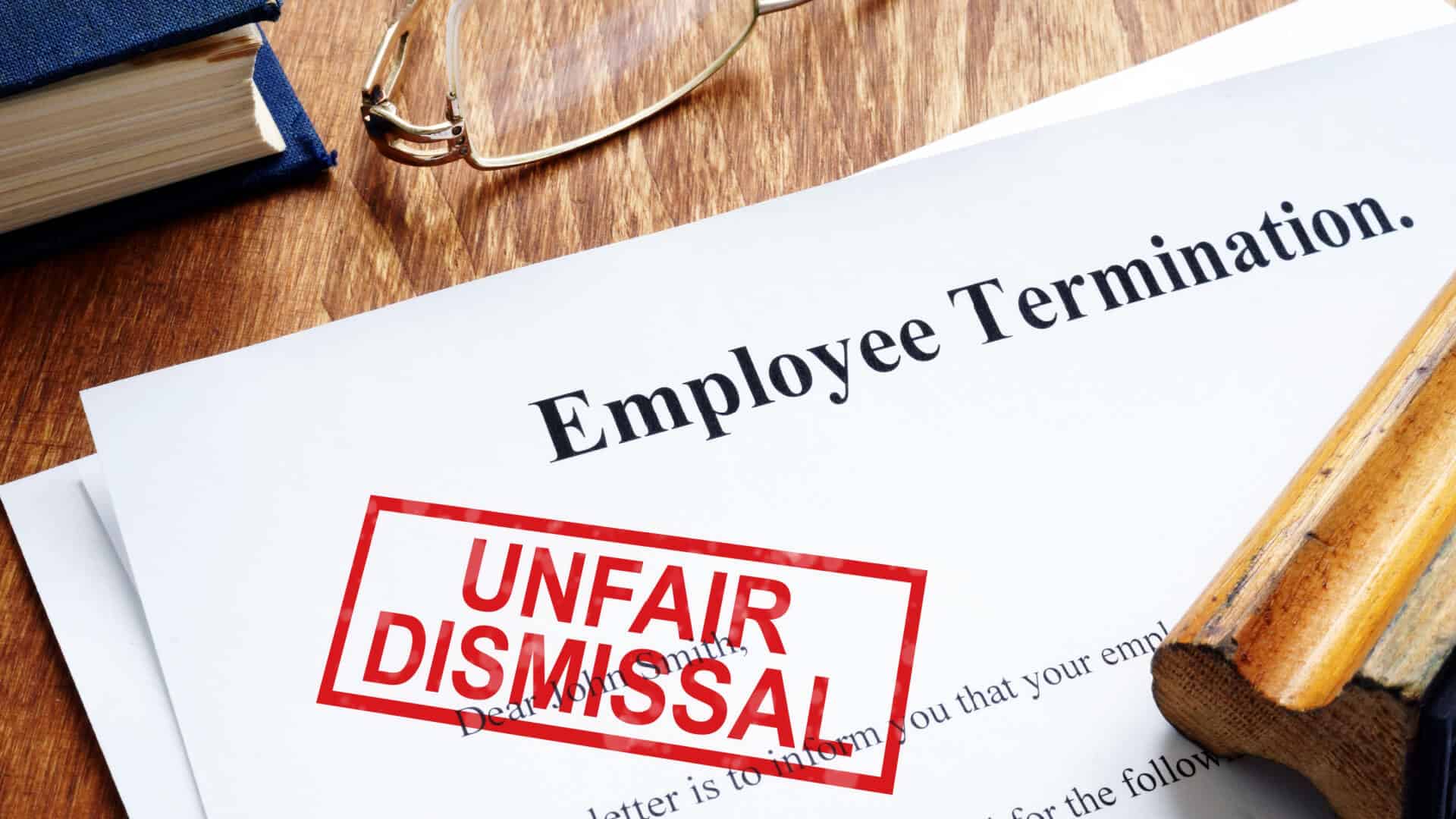
In the complex landscape of modern employment, the concept of “wrongful discharge” looms large, representing a significant legal and ethical challenge for both employees and employers. At its core, wrongful discharge refers to the termination of an individual’s employment for reasons that are illegal, unethical, or in violation of public policy, an employment contract, or anti-discrimination laws. While many jurisdictions operate under an “at-will” employment doctrine, which allows employers to fire employees for almost any reason (or no reason at all) as long as it’s not an illegal one, wrongful discharge carves out critical exceptions designed to protect workers from arbitrary and unjust dismissals. Understanding what constitutes wrongful discharge is not merely a legal exercise; it’s a vital component of fostering fair workplaces, managing organizational risk, protecting individual livelihoods, and navigating an increasingly digital and reputation-driven professional world. This article will delve into the intricacies of wrongful discharge, exploring its legal definitions, the critical role technology plays in both its occurrence and resolution, the profound impact it has on brand and reputation, and the substantial financial implications for all involved parties.

The Core Concept: Understanding Wrongful Discharge
To truly grasp wrongful discharge, one must first comprehend the foundational principles of employment law that govern the employer-employee relationship. These principles vary significantly by region, but common threads exist, particularly around the “at-will” doctrine and its critical exceptions.
At-Will Employment and Its Exceptions
In the United States, for instance, the vast majority of employment is considered “at-will.” This doctrine dictates that an employer can terminate an employee for any reason, good reason, bad reason, or no reason at all, provided that the reason is not illegal. Similarly, an employee can leave a job at any time for any reason without notice. This flexible arrangement is often seen as beneficial for business agility, but it also carries the potential for abuse, which is where the concept of wrongful discharge becomes paramount.
However, “at-will” employment is not absolute. Several key exceptions protect employees from arbitrary termination:
- Contractual Exceptions: If an employee has an express or implied employment contract (e.g., a written contract specifying a term of employment, or an employee handbook outlining termination procedures that are then not followed), termination may be wrongful if it violates the terms of that agreement.
- Public Policy Exceptions: This is a broad category where an employee is fired for reasons that violate a fundamental public policy. Examples include being terminated for refusing to commit an illegal act, reporting an employer’s illegal activity (whistleblowing), exercising a legal right (like filing a workers’ compensation claim), or performing a public duty (like jury service).
- Statutory Exceptions: Numerous federal and state laws prohibit discrimination based on protected characteristics (race, gender, age, religion, disability, national origin, sexual orientation, etc.) and retaliation for engaging in protected activities (like complaining about discrimination, requesting accommodations, or participating in an investigation). Termination based on these factors is expressly illegal.
Understanding these exceptions is crucial for both employers seeking to mitigate risk and employees seeking to protect their rights. It shifts the perspective from a simple dismissal to a potentially actionable legal claim.
Common Grounds for Wrongful Discharge Claims
Delving deeper into the statutory and public policy exceptions, several common scenarios frequently form the basis of wrongful discharge lawsuits:
- Discrimination: This is one of the most prevalent grounds. Federal laws like Title VII of the Civil Rights Act, the Americans with Disabilities Act (ADA), and the Age Discrimination in Employment Act (ADEA), along with countless state and local statutes, prohibit termination based on an employee’s protected characteristics. For example, firing someone because of their gender, race, or a disability for which they could be reasonably accommodated would be discriminatory and thus wrongful.
- Retaliation: Employers are prohibited from firing employees in retaliation for exercising their legal rights or engaging in protected activities. This includes reporting sexual harassment, blowing the whistle on illegal company practices, taking FMLA leave, or complaining about wage violations. The rise of digital communication has made tracking and proving retaliatory intent both easier and more complex, as digital footprints can both condemn and exonerate.
- Breach of Contract: As mentioned, if an explicit or implied contract exists, and the employer violates its terms (e.g., dismissing an employee before the end of a specified term without just cause as defined in the contract), it can constitute wrongful discharge. This extends to performance agreements, non-compete clauses, and other binding documents.
- Violations of Public Policy: This category is broad but powerful. It covers instances where an employee is terminated for reasons that are contrary to societal good or established legal principles. Examples include firing an employee for refusing to participate in illegal price-fixing, for serving on a jury, or for reporting unsafe working conditions to regulatory bodies.
The burden of proof often lies with the employee to demonstrate that their termination falls under one of these exceptions, making meticulous documentation and awareness of company policies and legal rights paramount.
The Digital Footprint: Tech’s Role in Wrongful Discharge
In an increasingly digitized world, technology is no longer just a tool for productivity; it’s an indelible record-keeper, a silent witness, and sometimes, an unwitting accomplice in employment disputes. The explosion of Tech in the workplace—from communication platforms and project management software to AI-driven HR tools—has profoundly impacted how wrongful discharge claims are initiated, investigated, and ultimately resolved.
Digital Evidence: Your Online Actions and Company Data
Every email sent, every chat message exchanged, every document edited, and every access log recorded on company networks creates a “digital footprint.” In wrongful discharge cases, these digital breadcrumbs can be invaluable evidence for both sides.
- For the Employee: An employee alleging wrongful discharge might use saved emails, performance reviews stored in HR software, or chat logs from internal communication tools (like Slack or Microsoft Teams) to demonstrate discriminatory intent, a pattern of harassment, or proof of their protected activity (e.g., an email complaining about safety violations). Screenshots of disparaging remarks made by managers, time-stamped records of their exemplary performance, or evidence of their attempts to follow company policy can all bolster a claim. The advent of personal branding online means that an employee’s public digital presence (LinkedIn, Twitter) might also be scrutinized to see if it contradicts their claims or provides context.
- For the Employer: Conversely, employers frequently rely on digital evidence to justify a termination. This could include browsing histories revealing policy violations, access logs indicating unauthorized data downloads, performance metrics from productivity software showing consistent underperformance, or email communications demonstrating insubordination or unprofessional conduct. Digital Security protocols become critical here, not just for protecting company assets but also for ensuring the integrity and authenticity of evidence. Clear policies regarding acceptable use of company systems and employee privacy are essential to prevent accusations of surveillance or misuse of data.
The sheer volume of digital data makes discovery in these cases complex and costly, often requiring specialized forensic analysis. Both parties must be acutely aware that their digital actions and communications within the workplace environment are rarely private and can become pivotal in future legal proceedings.
AI, Automation, and Algorithmic Bias in HR
The rise of AI Tools and automation in Human Resources introduces a new layer of complexity to wrongful discharge. AI-powered software is increasingly used for recruiting, performance monitoring, scheduling, and even making preliminary decisions about promotions or layoffs.
- Potential for Bias: While designed to reduce human error and bias, AI algorithms can inadvertently perpetuate or even amplify existing biases embedded in the data they are trained on. If an AI system, for example, disproportionately flags certain demographic groups for underperformance based on historical data that might have its own biases, a termination based on that AI’s recommendation could potentially lead to a wrongful discharge claim rooted in algorithmic discrimination. This raises critical questions about accountability and transparency in algorithmic decision-making.
- Performance Monitoring: AI-driven Productivity tools can track everything from keystrokes to communication patterns. While useful for efficiency, relying solely on such metrics for termination decisions without human oversight or context can be problematic. An algorithm might identify a dip in “productivity” without understanding that the employee was on FMLA leave or dealing with a personal crisis, potentially leading to an unfair and legally challengeable dismissal.
- Ethical AI: Companies utilizing these technologies face an imperative to ensure their AI systems are ethically designed, regularly audited for bias, and used as tools to assist human decision-making, not replace it entirely. The legal and ethical implications of AI-driven termination are still evolving, demanding vigilance from employers and a keen understanding from legal professionals.
Digital Security Implications for Both Sides
Beyond evidence, Digital Security becomes a critical concern during and after a wrongful discharge.
- Employer’s Perspective: Upon termination, employers must immediately revoke system access, retrieve company devices, and secure proprietary information to prevent data breaches or malicious actions by disgruntled former employees. Failure to do so can lead to significant financial and reputational damage. Robust offboarding procedures that prioritize digital security are non-negotiable.
- Employee’s Perspective: For the employee, ensuring their personal data, which might be stored on company devices or cloud services, is not improperly accessed or used after termination is vital. Understanding data privacy rights and securing personal accounts linked to professional tools are important steps. Sometimes, wrongful discharge cases involve accusations of data theft or intellectual property infringement, making clear digital hygiene practices crucial for both parties.
The interwoven nature of technology, data, and human decision-making means that wrongful discharge claims now frequently have a significant digital dimension, requiring a sophisticated understanding of both legal principles and technological realities.
Beyond the Lawsuit: Brand, Reputation, and Human Capital

The consequences of wrongful discharge extend far beyond the courtroom, impacting the intangible yet invaluable assets of Brand and reputation for both individuals and organizations. In an era dominated by social media and instant information, a single wrongful discharge claim can reverberate widely, shaping public perception and future opportunities.
The Erosion of Employer Brand and Corporate Identity
For companies, a wrongful discharge lawsuit is not just a legal battle; it’s a Brand Strategy crisis. Allegations of unfair treatment, discrimination, or unethical practices can severely tarnish an employer’s brand, making it difficult to attract top talent. Prospective employees frequently consult online reviews on platforms like Glassdoor or LinkedIn to gauge a company’s culture and treatment of its workforce. Negative reviews or news articles stemming from a wrongful discharge case can deter future applicants, increasing recruitment costs and reducing the quality of the candidate pool.
Moreover, such incidents can chip away at the company’s Corporate Identity and values. If a company prides itself on integrity, diversity, or employee well-being, a wrongful discharge claim that challenges these tenets can damage internal morale and external trust. Investors might view such events as a sign of poor governance or increased operational risk, potentially affecting stock prices and market valuation. The ripple effect can impact customer loyalty too, as consumers increasingly align with brands that demonstrate strong ethical conduct. Case Studies of major companies facing backlash over employee treatment underscore this point, demonstrating how quickly a well-cultivated brand can erode under public scrutiny.
Personal Branding in the Aftermath: Rebuilding and Recovery
For the individual employee, wrongful discharge can be personally devastating, not only financially but also in terms of their Personal Branding and career trajectory. Being terminated, especially under contentious circumstances, can create a stigma that makes finding new employment challenging. Recruiters and hiring managers often conduct extensive background checks, including online searches, where news of a lawsuit or a contentious departure could surface.
Rebuilding a personal brand after wrongful discharge requires strategic effort. This involves:
- Crafting a Narrative: Learning how to articulate the situation professionally and constructively to potential employers without sounding bitter or overly litigious.
- Leveraging Networks: Activating professional networks and mentors for support and new opportunities.
- Showcasing Resilience: Focusing on new skills acquired, volunteer work, or side projects that demonstrate continued growth and commitment.
- Online Reputation Management: Proactively managing one’s online presence, ensuring professional profiles are updated, and positive achievements are highlighted to counteract any negative perceptions.
The psychological toll can be immense, requiring resilience and a focused approach to reclaim professional standing and confidence.
Crisis Communication and Reputation Management
When a wrongful discharge claim goes public, effective Crisis Communication and Reputation Management become paramount. Companies must have a clear strategy for addressing the allegations, which typically involves:
- Legal Counsel Collaboration: Working closely with legal teams to ensure all public statements align with legal strategy.
- Transparency (within limits): While not divulging privileged information, maintaining a level of transparency that demonstrates seriousness and commitment to ethical conduct.
- Internal Communication: Reassuring current employees, addressing their concerns, and reaffirming company values.
- Stakeholder Engagement: Proactively communicating with investors, customers, and partners to manage expectations and minimize adverse impacts.
- Social Media Monitoring: Actively monitoring social media and news outlets to track sentiment and respond appropriately to misinformation or escalating narratives.
Failure to manage the narrative effectively can lead to prolonged negative press, boycotts, and lasting damage to the company’s Reputation, proving that the cost of inaction far outweighs the investment in proactive brand protection.
The Financial Ripple Effect: Costs and Consequences
While the legal and reputational impacts are significant, the Money involved in wrongful discharge cases represents a tangible and often substantial cost for both employers and employees. From immediate legal fees to long-term economic disruption, the financial ripple effect can be profound, underscoring the importance of prevention and preparedness.
Direct and Indirect Financial Burdens for Employers
For businesses, a wrongful discharge claim can trigger a cascade of financial liabilities:
- Legal Fees and Court Costs: Litigation is expensive. Attorney fees, court filing fees, discovery costs (especially for electronic data), expert witness fees, and deposition costs can quickly run into hundreds of thousands, if not millions, of dollars, even for cases that don’t go to trial.
- Settlements and Judgments: If the employer loses the case or settles out of court, they may be liable for significant damages. These often include back pay (lost wages from the date of termination), front pay (future lost wages), emotional distress damages, punitive damages (designed to punish egregious conduct), and sometimes, the employee’s legal fees.
- Increased Insurance Premiums: Employers typically carry Employment Practices Liability Insurance (EPLI) to cover wrongful discharge claims. A claim, whether settled or litigated, can lead to increased premiums or even difficulty securing coverage in the future.
- Hiring and Training Costs: Replacing a terminated employee incurs additional expenses, including recruitment fees, onboarding processes, and training new staff, which can be substantial, especially for specialized roles.
- Lost Productivity and Morale: The distraction of a lawsuit can divert management attention from core business operations, impacting overall Productivity. Internally, a contentious termination can lower employee morale, foster distrust, and potentially lead to higher turnover rates, all of which have indirect financial costs.
These direct and indirect financial burdens highlight why Business Finance planning must account for potential litigation and why investing in robust HR practices is a sound financial strategy.
Personal Financial Devastation and Rebuilding
For the employee, the financial impact of wrongful discharge can be devastating and immediate:
- Loss of Income: The most immediate consequence is the loss of regular salary, benefits (health insurance, retirement contributions), and potential bonuses. This can quickly lead to financial strain, difficulty meeting living expenses, and reliance on emergency funds or unemployment benefits, which are often insufficient.
- Legal Fees: Just like employers, employees face substantial legal costs. While some attorneys work on a contingency basis (taking a percentage of the settlement or award), the initial consultations and ongoing costs can still be a barrier, especially when facing immediate income loss.
- Job Search Costs: The process of finding new employment can be lengthy and expensive, involving costs for professional development, networking events, resume services, and travel for interviews. The longer the job search, the greater the financial strain.
- Emotional Distress and Health Costs: The stress and emotional toll of wrongful discharge can lead to health issues, potentially increasing medical expenses at a time when health insurance coverage may be precarious.
- Impact on Future Earnings and Retirement: A gap in employment or a less prestigious role can affect an individual’s long-term earning potential and their ability to contribute to retirement savings, impacting their overall Personal Finance trajectory. This could also push individuals towards exploring Online Income avenues or Side Hustles to bridge the financial gap.
Effective Financial Tools for budgeting, emergency savings, and potentially securing short-term loans become crucial for individuals navigating this challenging period.
Investing in Prevention: A Prudent Financial Strategy
Given the immense financial risks, investing in preventative measures is arguably the most prudent Financial Strategy for any organization. This includes:
- Robust HR Policies: Clearly written, legally compliant, and consistently applied HR policies regarding conduct, performance, and termination procedures.
- Regular Training: Training for managers and employees on anti-discrimination laws, harassment prevention, and proper documentation practices.
- Fair Performance Management: Implementing objective and transparent performance review systems with clear metrics and opportunities for improvement.
- Legal Review: Regularly reviewing employment contracts, employee handbooks, and termination decisions with legal counsel to ensure compliance.
- Mediation and Dispute Resolution: Exploring alternative dispute resolution mechanisms to address grievances before they escalate into costly litigation.
For employees, understanding their rights, documenting workplace interactions, and seeking legal advice promptly can protect their financial well-being. Ultimately, understanding wrongful discharge is not just about avoiding legal pitfalls; it’s about recognizing the profound impact these situations have on individuals, organizations, and the broader economic ecosystem.
In conclusion, wrongful discharge is a multi-faceted issue with legal, technological, reputational, and financial dimensions that resonate across the modern professional landscape. From the nuances of at-will employment to the pervasive influence of digital evidence and AI in HR, and from the critical importance of employer brand to the devastating financial costs, a comprehensive understanding is essential. Both employers and employees must navigate this complex terrain with awareness, diligence, and a commitment to fair and ethical practices to mitigate risks and foster a workplace built on integrity.
aViewFromTheCave is a participant in the Amazon Services LLC Associates Program, an affiliate advertising program designed to provide a means for sites to earn advertising fees by advertising and linking to Amazon.com. Amazon, the Amazon logo, AmazonSupply, and the AmazonSupply logo are trademarks of Amazon.com, Inc. or its affiliates. As an Amazon Associate we earn affiliate commissions from qualifying purchases.