
In an increasingly digitized world, where technology streamlines our lives, brands vie for our attention, and financial decisions shape our future, it might seem unusual to delve into the topic of a plant. Yet, the story of white sage (Salvia apiana) is a microcosm where ancient traditions intersect profoundly with modern challenges and opportunities. Far from being a mere botanical curiosity, white sage embodies complex dialogues around cultural heritage, environmental sustainability, economic justice, and the transformative power of digital innovation. This article will explore white sage not just as a plant, but as a lens through which we can examine the intertwined realms of technology, branding, and money, understanding its significance in both traditional contexts and the contemporary global marketplace.
The Ancient Roots and Modern Revival: Understanding White Sage
Before we connect white sage to the digital age and economic systems, it’s crucial to understand its fundamental identity and profound historical significance. This plant, with its silvery-green leaves and distinctive aroma, holds a special place in the tapestry of indigenous cultures, particularly across the southwestern United States and northwestern Mexico. Its journey from sacred plant to a globally recognized commodity highlights a fascinating evolution, fraught with both reverence and exploitation.
Defining Salvia Apiana: More Than Just a Plant
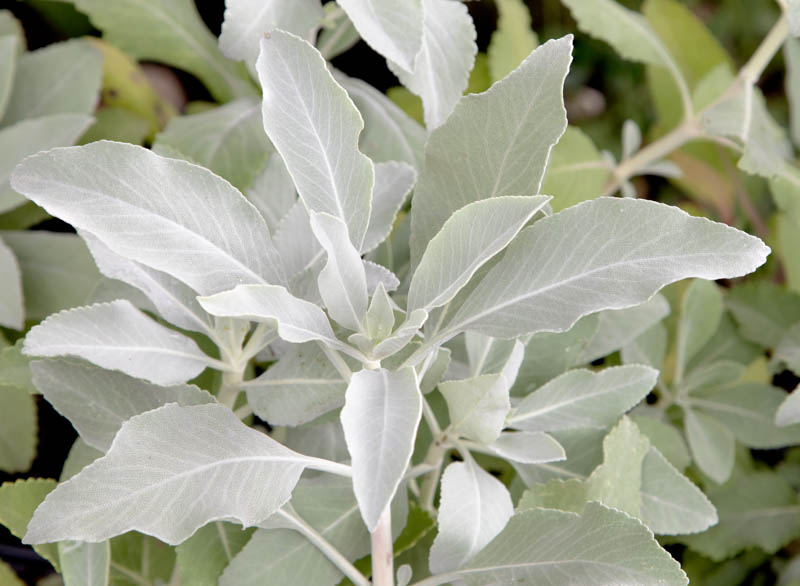
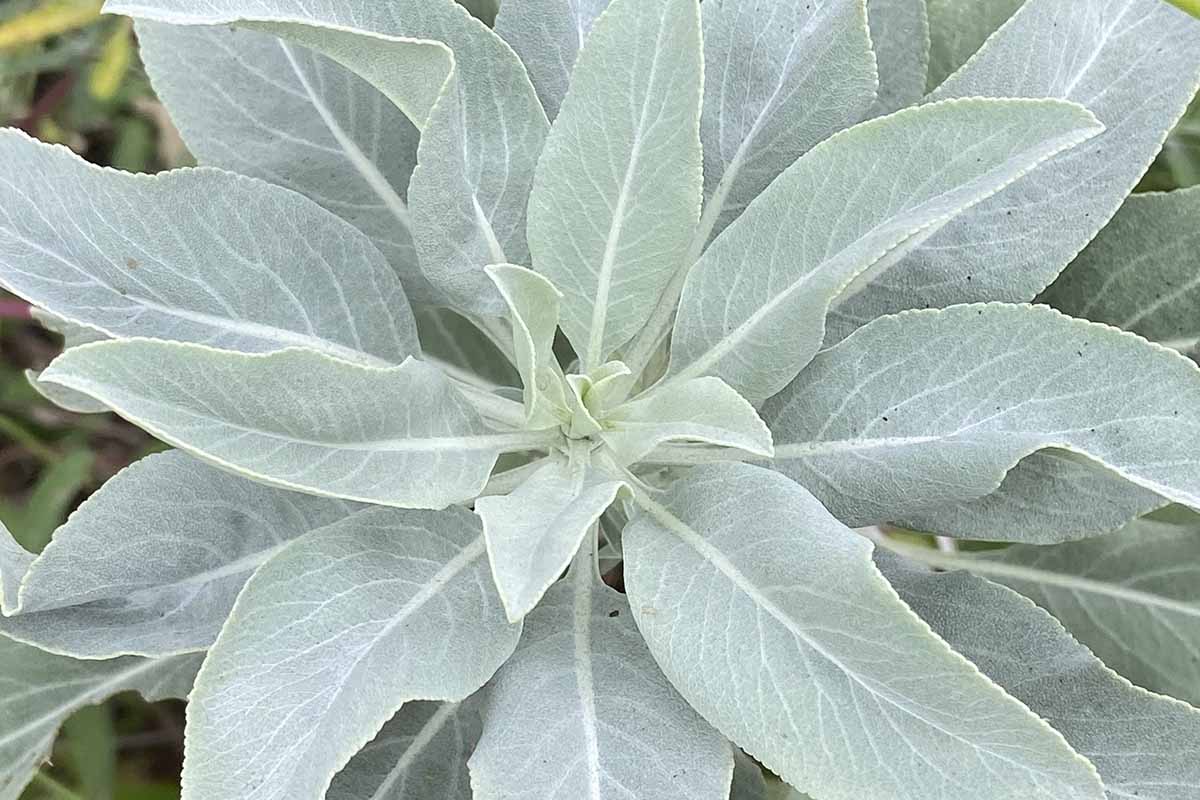
White sage, scientifically known as Salvia apiana, is a perennial evergreen shrub belonging to the mint family (Lamiaceae). Native to the coastal sage scrub and chaparral habitats of Southern California and Baja California, Mexico, it thrives in dry, sunny environments. The plant typically grows to be about 2-3 feet tall but can reach up to 6 feet in optimal conditions, producing tall flower stalks adorned with white to pale lavender blossoms that attract pollinators like bees and hummingbirds. Its most distinguishing features are its thick, velvety, silvery-white leaves, which are rich in aromatic compounds, giving the plant its characteristic pungent, earthy, and slightly sweet scent.
Beyond its botanical classification, white sage is defined by its deep ethnobotanical roots. For millennia, indigenous peoples, including the Chumash, Cahuilla, Kumeyaay, Luiseño, and many other Native American tribes, have utilized Salvia apiana for a wide array of purposes. It has been a staple in traditional medicine, valued for its purported antiseptic, anti-inflammatory, and cleansing properties. Historically, infusions of its leaves were used to treat colds, coughs, and sore throats, while poultices were applied to wounds and skin irritations. The seeds were sometimes ground into flour, and its leaves were even used in traditional sweat lodges. However, its most widely recognized and culturally significant use is in ceremonial practices, particularly smudging.
Cultural Significance and Sacred Practices
The ceremonial use of white sage is central to its identity. Smudging is a spiritual practice where bundles of dried white sage are burned, and the smoke is wafted over a person, object, or space. This practice is believed to purify, cleanse negative energies, invite blessings, and facilitate prayer and spiritual connection. For many indigenous cultures, white sage is considered a sacred plant, a tool for healing, protection, and connection to the spiritual realm. It is often used in ceremonies, rituals, and daily practices to create a sacred atmosphere, bless new homes, cleanse tools, or prepare individuals for important events.
This deep cultural reverence means that white sage is not merely an herb; it is an elder, a medicine, and a spiritual guide. Traditional harvesting practices are often accompanied by prayers, offerings, and a profound respect for the plant and the land it grows on. This approach emphasizes reciprocity and sustainability, taking only what is needed and ensuring the plant’s continued abundance. The knowledge surrounding white sage—its identification, proper harvesting, preparation, and ceremonial application—has been passed down through generations, forming an integral part of indigenous cultural identity and sovereignty. The contemporary surge in demand, fueled by mainstream adoption and commercialization, has unfortunately often overlooked or actively disrespected these foundational principles, leading to critical discussions around ethical sourcing and cultural appropriation.
Bridging Tradition and Tech: The Digital Future of White Sage
The global rise in demand for white sage has inevitably drawn it into the orbit of the digital age. While traditional practices remain anchored in ancient wisdom, technology is increasingly offering both solutions and complications to the challenges facing white sage today. From conservation efforts to global distribution, tech tools are reshaping how we interact with this sacred plant, presenting a dichotomy of ethical progress and amplified commodification.
Technology for Conservation and Sustainable Sourcing
The growing popularity of white sage has led to concerns about overharvesting, illegal poaching from wildlands, and habitat destruction. This unsustainable demand threatens not only the plant itself but also the cultural practices of indigenous communities who rely on its respectful stewardship. Here, technology can play a critical role in fostering conservation and ethical sourcing.
AI and Remote Sensing: Artificial intelligence, coupled with remote sensing technologies like satellite imagery and drones, can be employed to monitor white sage populations in the wild. AI algorithms can analyze vast datasets to detect changes in plant distribution, identify areas of overharvesting, and track environmental factors affecting its growth. This provides conservationists and land managers with real-time data to implement targeted protection strategies.
Blockchain for Supply Chain Transparency: The concept of “ethically sourced” often lacks verifiable proof. Blockchain technology offers a powerful solution by creating immutable, transparent records of a product’s journey from origin to consumer. For white sage, this means tracking every step: from the sustainable harvest by certified indigenous growers, through processing, packaging, and distribution. Consumers could scan a QR code on a product to view its entire provenance, verifying claims of sustainability and fair trade, thus empowering informed choices and combating illegal harvesting.
Digital Mapping and GIS: Geographic Information Systems (GIS) can be used to map critical white sage habitats, identify areas suitable for cultivation, and plan reforestation efforts. These tools allow for precise land management, helping to designate protected zones and optimize strategies for replanting and sustainable harvesting.
Hydroponics and Vertical Farming Research: While white sage traditionally grows in arid environments, technological advancements in controlled-environment agriculture could explore viable cultivation methods, especially in regions facing water scarcity. Research into hydroponics or aeroponics, possibly integrated with AI-driven climate control systems, could provide alternatives to wild harvesting, reducing pressure on natural populations.
E-commerce and the Global Marketplace for Botanical Goods
The internet has transformed the distribution of goods, and botanical products like white sage are no exception. E-commerce platforms have made white sage accessible to a global audience, democratizing access while simultaneously exacerbating challenges related to ethical consumption.
Global Reach and Accessibility: Online marketplaces, from specialized botanical shops to giants like Amazon and Etsy, allow consumers worldwide to purchase white sage products. This digital reach has amplified its popularity, bringing it into diverse homes and spiritual practices. For small-scale, ethical growers or indigenous enterprises, e-commerce offers a direct-to-consumer model, bypassing traditional intermediaries and potentially securing a larger share of the profits.
Digital Marketing and Product Storytelling: E-commerce thrives on compelling narratives. Brands selling white sage leverage digital marketing strategies—social media campaigns, influencer partnerships, and content marketing—to share product information, cultural significance (often selectively), and sourcing claims. This creates opportunities for ethical brands to tell their authentic stories, emphasizing sustainable practices, indigenous partnerships, and cultural respect, thereby differentiating themselves from less scrupulous vendors.
Challenges of Verification: The ease of online selling also presents significant challenges. It’s difficult for consumers to verify sourcing claims made by online sellers. The anonymity of the internet can shield unethical practices, making it harder to track down distributors of illegally harvested sage. This underscores the need for robust digital tools like blockchain to provide verifiable transparency and for consumers to exercise critical discernment.
The “Digital Divide” for Indigenous Communities: While e-commerce offers opportunities, not all indigenous communities have equal access to the necessary digital infrastructure, technical skills, or financial resources to effectively participate in the global online marketplace. Bridging this digital divide is crucial for ensuring that the economic benefits of white sage reach its traditional stewards.
AI, Data, and Preserving Ethnobotanical Knowledge
The traditional knowledge surrounding white sage is an invaluable cultural and scientific resource, encompassing centuries of ecological wisdom, medicinal applications, and spiritual practices. Technology, particularly AI and data management tools, offers innovative ways to preserve, share, and protect this heritage.
Digital Ethnobotanical Archives: Digitalization projects can create comprehensive online databases and archives of traditional ecological knowledge related to white sage. This includes oral histories, historical texts, botanical illustrations, and scientific research. AI-powered search engines can make this vast amount of information accessible to researchers, educators, and indigenous communities themselves, ensuring its long-term preservation and facilitating intergenerational knowledge transfer.
AI for Research and Development: AI can analyze the chemical composition of white sage, cross-referencing it with traditional medicinal uses to identify active compounds and potentially validate its therapeutic properties. This can lead to new scientific discoveries while respecting and drawing inspiration from indigenous knowledge. However, such research must always be conducted with explicit consent and equitable benefit-sharing agreements with the source communities.
Educational Apps and Platforms: Interactive mobile applications and online platforms can be developed to educate the public about the true cultural significance of white sage, proper usage, and ethical sourcing. These tools can feature indigenous voices, stories, and protocols, countering misinformation and fostering a deeper understanding and respect for the plant. They can also connect consumers directly to ethical growers and indigenous enterprises.
Protecting Indigenous Intellectual Property: AI-driven tools can assist in monitoring the internet for instances of cultural appropriation or misuse of indigenous knowledge related to white sage. While complex, these tools could help identify unauthorized commercialization of traditional designs or narratives, empowering indigenous communities to protect their intellectual property rights in the digital sphere.
Branding White Sage: Ethics, Authenticity, and Market Positioning
In the crowded global marketplace, branding is key to differentiation and consumer engagement. However, when it comes to a sacred plant like white sage, branding transcends conventional marketing; it enters the delicate territory of cultural representation, ethical responsibility, and community trust. The way white sage is branded profoundly impacts its perception, market value, and the well-being of the cultures it originates from.
Crafting an Authentic Brand Identity in a Traditional Niche
For those involved in the ethical sourcing and sale of white sage, creating an authentic brand identity is paramount. This goes beyond a logo or a catchy slogan; it involves weaving a narrative that truly reflects the plant’s heritage and the values of its stewards.
Storytelling and Heritage: An authentic brand tells a compelling story. For white sage, this means highlighting its indigenous origins, the traditional practices associated with it, and the respect inherent in its harvesting. Brands can share the specific tribe or community involved, the hands that cultivated or respectfully gathered it, and the prayers and intentions that accompany its use. This human element connects consumers to the product on a deeper, more meaningful level.
Values-Driven Branding: Ethical white sage brands prioritize values like sustainability, fair trade, cultural sensitivity, and community empowerment. These values must be evident in every aspect of the brand, from sourcing policies and packaging choices to marketing language and partnerships. Transparency about these values builds trust and appeals to a growing segment of conscious consumers who seek products aligned with their ethics.
Visual Identity and Design: The visual elements of a brand (packaging, website design, social media graphics) should evoke respect, natural beauty, and cultural sensitivity. Avoiding stereotypical or commodified imagery of indigenous cultures is crucial. Instead, designs can draw inspiration from natural elements, traditional patterns (with permission and collaboration), or minimalist aesthetics that convey purity and respect.
Consistency Across Digital and Physical Touchpoints: In today’s omni-channel world, brand identity must be consistent across all platforms—from an e-commerce website and social media profiles to physical packaging and in-person events. This consistency reinforces the brand’s message and solidifies its reputation as a trustworthy and authentic source.
Navigating Cultural Appropriation and Ethical Marketing
The mainstreaming of white sage has unfortunately been accompanied by widespread cultural appropriation, where non-indigenous individuals or businesses profit from its use without understanding or respecting its sacred context, often exploiting indigenous cultural symbols without proper acknowledgement or benefit-sharing. Ethical marketing is about actively countering this trend.
Respectful Representation: Ethical marketing avoids reducing white sage to a New Age trend or a mere commodity. It educates consumers about its sacred origins, distinguishing it from general wellness products. This means refraining from using indigenous imagery or language without explicit permission and collaboration with the relevant communities.
Prioritizing Indigenous Voices: True ethical marketing amplifies indigenous voices. This involves partnering with indigenous creators, storytellers, and businesses, allowing them to control their narratives and benefit directly from the commercialization of their heritage. Featuring testimonials, interviews, or co-created content from indigenous people can lend authenticity and empower their communities.
Avoiding “Greenwashing” and “Culturewashing”: Many brands make vague claims about “sustainability” or “respect.” Ethical marketing provides concrete evidence of these claims. For white sage, this means detailing specific sourcing practices, certifications (if applicable, though traditional stewardship often transcends Western certification models), and community benefit programs. It’s about genuine impact, not just superficial promises.
Education as a Marketing Tool: Ethical brands see education as a core marketing strategy. They inform consumers about the importance of sustainable harvesting, the cultural significance of smudging, and the dangers of cultural appropriation. By empowering consumers with knowledge, these brands foster a more responsible and respectful market. They advocate for practices like using garden-grown alternatives or ethically wild-harvested Salvia apiana with proper permission and reciprocation.
Reputation Management in a Sensitive Market
The market for white sage is highly sensitive, often under scrutiny from indigenous activists, environmentalists, and conscious consumers. Effective reputation management is critical for any brand operating in this space.
Proactive Transparency: Rather than waiting for questions, ethical brands proactively share information about their sourcing, partnerships, and commitment to cultural respect. This transparency builds a strong foundation of trust and reduces the likelihood of negative scrutiny. This can be achieved through dedicated “Our Story” or “Ethical Sourcing” pages on websites, regular updates on social media, and open communication channels.
Engaging with Criticism Constructively: Inevitably, even the most ethical brands may face criticism or questions. Effective reputation management involves responding to feedback respectfully, transparently, and with a genuine commitment to learning and improvement. Dismissing or ignoring criticism can quickly erode trust. Acknowledging mistakes, explaining corrective actions, and demonstrating an ongoing commitment to ethical practices are vital.
Building Community and Partnerships: Brands that actively engage with indigenous communities, conservation organizations, and ethical trade groups bolster their reputation. These partnerships provide expertise, lend credibility, and ensure that the brand’s practices are genuinely beneficial and respectful. Collaborative initiatives, such as funding conservation projects or supporting indigenous economic development, demonstrate a commitment beyond pure profit.
Monitoring Digital Footprint: In the digital age, a brand’s reputation lives online. Continuous monitoring of social media, online reviews, forums, and news articles is essential. Utilizing AI-powered sentiment analysis tools can help track public perception and identify potential issues before they escalate, allowing for timely and strategic responses to protect and enhance brand integrity.
The Economic Ecosystem of White Sage: Commerce, Conservation, and Community
The growing demand for white sage has created a complex economic ecosystem, driving both opportunities for income generation and significant threats to its sustainability and cultural integrity. Understanding the financial dynamics at play is crucial for promoting equitable and responsible engagement with this sacred plant. The intersection of money, ethics, and tradition dictates its future.
Monetizing the Mystique: Business Models and Online Income Opportunities
The commercial appeal of white sage has opened various avenues for income generation, from large-scale distributors to individual side hustles. While this can provide economic opportunities, it also fuels the commercialization that often clashes with traditional values.
Direct-to-Consumer Sales: For indigenous communities or small-scale sustainable growers, e-commerce platforms like Shopify, Etsy, or even personal websites offer a powerful direct-to-consumer model. This allows them to retain a larger share of profits, control their narrative, and build direct relationships with conscious consumers willing to pay a premium for ethically sourced products.
Botanical Crafting and Value-Added Products: Beyond raw bundles, white sage can be incorporated into various value-added products. This includes crafting smudge kits with ethically sourced components, essential oils, artisanal soaps, or even educational materials. These creative ventures can transform a basic commodity into higher-margin products, appealing to different market segments.
Consulting and Education: Experts in ethnobotany, indigenous cultural practices, or sustainable harvesting of white sage can offer consulting services to businesses seeking to improve their ethical sourcing. Similarly, online courses, workshops, or webinars on traditional uses, respectful practices, and DIY cultivation can generate income while disseminating crucial knowledge.
Affiliate Marketing and Content Creation: Individuals or businesses with a strong online presence and an interest in wellness, spirituality, or sustainability can engage in affiliate marketing, promoting ethically sourced white sage products from trusted vendors. Creating content—blogs, videos, podcasts—about white sage can also generate ad revenue or lead to sponsored partnerships, provided the content is respectful and informative.
Subscription Boxes: Curated wellness or spiritual subscription boxes often include white sage or related items. For ethical suppliers, partnering with such services can provide a steady income stream and reach a dedicated audience, ensuring their products are consistently introduced to new customers who value conscious consumption.
Investing in Sustainability: Financial Models for Ethical Botanical Supply Chains
Ensuring the long-term viability of white sage requires financial models that prioritize conservation and community benefit over short-term profit. This calls for innovative approaches to investment and resource allocation.
Impact Investing and Green Bonds: Investors seeking both financial returns and positive social/environmental impact can direct capital towards businesses or initiatives focused on sustainable white sage cultivation, habitat restoration, and indigenous stewardship. Green bonds, for example, could fund large-scale conservation projects or land buy-backs to protect wild populations.
Crowdfunding for Community Projects: Crowdfunding platforms can empower indigenous communities or non-profits to raise funds directly for projects related to white sage – such as establishing cultivation sites, protecting traditional lands, developing educational programs, or improving digital infrastructure for e-commerce. This decentralized model allows many individuals to contribute to a shared ethical goal.
Fair Trade and Equitable Partnerships: Financial models must ensure fair compensation for indigenous harvesters and growers. This means establishing transparent pricing mechanisms that reflect the true value of their labor, knowledge, and stewardship. Partnerships should be structured to include benefit-sharing agreements, where a percentage of profits is reinvested directly into the source communities for economic development, cultural preservation, or environmental initiatives.
Microfinance and Small Business Loans: Providing accessible microfinance or small business loans to indigenous entrepreneurs or tribal enterprises can help them establish sustainable white sage cultivation operations, acquire necessary equipment, or expand their ethical product lines. These financial tools empower local economies and reduce reliance on exploitative commercial markets.
Ethical Consumer Spending: Ultimately, the financial ecosystem is shaped by consumer choices. By consciously choosing to purchase only from verifiable ethical sources—even if they cost more—consumers directly invest in sustainable practices, support indigenous livelihoods, and exert pressure on the wider market to adopt more responsible standards.
The Intersection of Profit and Purpose: Ensuring Financial Equity for Indigenous Stewards
The most significant financial challenge surrounding white sage is ensuring that its economic value benefits its traditional stewards. Historically, indigenous communities have been marginalized and dispossessed, while their cultural resources are exploited for commercial gain. Bridging the gap between profit and purpose is about rectifying these historical injustices and establishing genuine financial equity.
Revenue Sharing and Royalties: Implementing clear agreements for revenue sharing or royalties with indigenous tribes whose traditional territories are impacted or whose knowledge is utilized is critical. This acknowledges their inherent rights and provides a sustainable financial return for their stewardship. These agreements should be legally binding and culturally appropriate.
Indigenous-Owned Enterprises: Supporting the development and growth of indigenous-owned white sage businesses is paramount. This shifts economic power directly into the hands of those who have the deepest connection to the plant. Financial resources should be directed towards training, business development, and market access for these enterprises.
Land Back Initiatives and Financial Support: True financial equity may involve supporting “Land Back” initiatives, where ancestral lands—including those where white sage grows—are returned to indigenous control. Financial contributions or investments can help fund land acquisition, conservation, and the establishment of indigenous-led land management programs that prioritize ecological health and cultural practices.
Digital Literacy and Economic Empowerment Programs: To fully participate in the modern economic ecosystem, indigenous communities need access to digital tools and training. Financial support for digital literacy programs, e-commerce training, and technology infrastructure development can empower them to leverage the internet for economic benefit on their own terms, ensuring that the profits generated from white sage contribute directly to their self-determination and well-being. This ensures that their voice is heard, and their benefit is prioritized in the increasingly globalized trade of sacred plants.

The Future of White Sage: A Call for Conscious Engagement
The story of white sage is a powerful narrative, weaving together the sacred, the ecological, and the commercial. From its revered status in indigenous ceremonies to its ubiquitous presence in the global wellness market, white sage faces a precarious future. Its continued existence, both as a botanical species and as a vital cultural touchstone, hinges on our collective ability to navigate the complex interplay of technology, brand identity, and financial incentives.
Technology offers unprecedented tools for conservation, transparent sourcing, and knowledge preservation, but also amplifies the potential for exploitation. Branding, while essential for market presence, must be infused with genuine respect and ethical responsibility, moving beyond superficial appropriation to authentic representation and partnership. And the flow of money, which can drive overharvesting and inequity, also holds the potential to fund sustainable practices, empower indigenous communities, and foster true financial equity.
The future of white sage calls for conscious engagement from all stakeholders. For consumers, it means choosing to purchase only from verified ethical sources, educating oneself about its cultural significance, and advocating for respectful practices. For businesses, it demands a commitment to transparency, fair trade, and genuine collaboration with indigenous communities. For technologists, it presents an opportunity to develop innovative solutions for ecological monitoring, supply chain integrity, and the digital preservation of invaluable traditional knowledge.
Ultimately, “What is White Sage?” is not just a question about a plant, but a profound inquiry into our values. It asks us how we choose to honor ancient wisdom in a modern world, how we balance commerce with conservation, and how we ensure that the bounty of the earth benefits all, especially those who have stewarded it for millennia. The answer lies in fostering an ecosystem where reverence, responsibility, and reciprocity guide every interaction with this sacred and powerful plant.
aViewFromTheCave is a participant in the Amazon Services LLC Associates Program, an affiliate advertising program designed to provide a means for sites to earn advertising fees by advertising and linking to Amazon.com. Amazon, the Amazon logo, AmazonSupply, and the AmazonSupply logo are trademarks of Amazon.com, Inc. or its affiliates. As an Amazon Associate we earn affiliate commissions from qualifying purchases.