
In a world increasingly focused on efficiency, precision, and maintaining the longevity of valuable items, one technology stands out for its remarkable ability to clean intricate objects with unparalleled thoroughness: ultrasonic cleaning. Far removed from traditional scrubbing and wiping, this advanced method leverages the power of sound waves to achieve microscopic cleanliness, transforming industries from manufacturing to healthcare, and even becoming a staple in many homes and small businesses. If you’ve ever wondered how delicate jewelry, complex medical instruments, or grime-caked engine parts can be rendered spotless without harsh chemicals or abrasive action, the answer often lies in the invisible dance of ultrasonic vibrations.

At its core, ultrasonic cleaning is a sophisticated process that employs high-frequency sound waves to create microscopic bubbles in a liquid cleaning solution. These bubbles, upon imploding, generate tiny jets of fluid that meticulously scour surfaces, reaching every nook, cranny, and crevice that conventional cleaning methods simply cannot access. It’s a non-abrasive, highly effective, and remarkably versatile technique that not only ensures pristine cleanliness but also contributes to the longevity and optimal performance of countless items. This deep dive will explore the fascinating technology behind ultrasonic cleaning, its myriad applications, the significant advantages it offers, and how this seemingly simple principle translates into substantial benefits across various aspects of our tech-driven and financially conscious lives.
The Science Behind the Sparkle: How Ultrasonic Cleaning Works
At the heart of ultrasonic cleaning lies a principle of physics that transforms sound into a powerful cleaning force. Unlike the sound waves we hear, which are typically in the range of 20 Hz to 20 kHz, ultrasonic cleaners operate at much higher frequencies, usually between 20 kHz and 400 kHz. These inaudible, high-frequency sound waves are the key to their exceptional cleaning prowess. Understanding this process, often referred to as cavitation, is crucial to appreciating the technological marvel that is ultrasonic cleaning.
The Power of Sound Waves: Cavitation
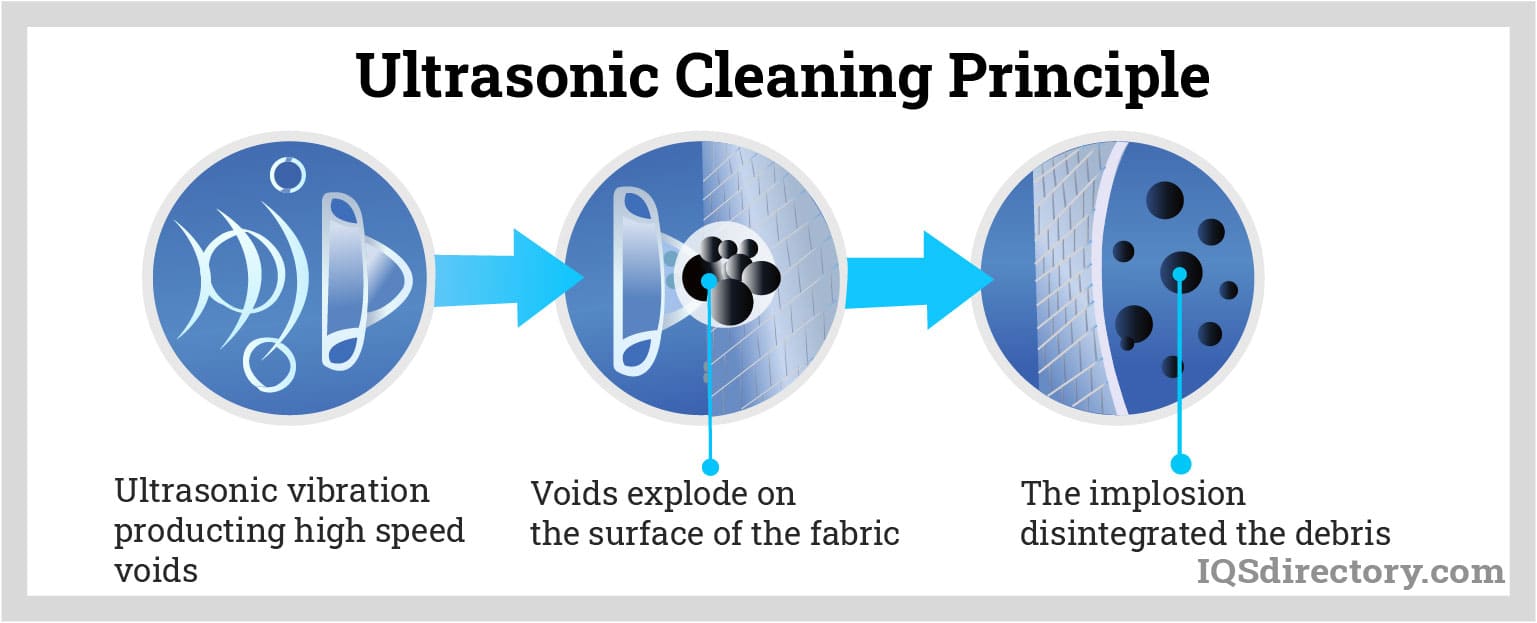
The magic truly begins when high-frequency electrical energy, generated by an ultrasonic generator, is converted into mechanical sound waves by devices called transducers. These transducers are typically bonded to the bottom or sides of a stainless steel tank filled with a specialized cleaning solution. As the sound waves propagate through the liquid, they create alternating high and low-pressure cycles. During the low-pressure cycle, these waves create millions of microscopic vacuum bubbles—cavitation bubbles. When the high-pressure cycle quickly follows, these bubbles rapidly collapse or “implode” with immense force.
This phenomenon, known as cavitation, is incredibly potent. Each implosion, though tiny, generates localized temperatures of thousands of degrees Fahrenheit and pressures of thousands of pounds per square inch. However, these extreme conditions are localized to the microscopic area around the imploding bubble and last for only a fraction of a second, meaning they don’t harm the item being cleaned. Instead, the energy released from these implosions creates minute, powerful jets of liquid that effectively dislodge contaminants from the surface of the immersed objects. This continuous scrubbing action, occurring millions of times per second across the entire surface of the object, allows ultrasonic cleaning to reach deeply into blind holes, crevices, and internal surfaces that are impossible to clean by hand or with spray washing.
Beyond the Bubbles: Cleaning Solutions and Process
While cavitation is the primary mechanism, the effectiveness of ultrasonic cleaning is also heavily dependent on the chosen cleaning solution and the overall process. The solution isn’t just plain water; it’s typically a specifically formulated aqueous (water-based) or sometimes solvent-based chemical that enhances the cavitation process and helps dissolve or loosen particular contaminants. These solutions can be alkaline for general cleaning, acidic for rust or mineral deposits, or enzyme-based for biological materials. The temperature of the solution also plays a vital role; generally, a warmer solution (but below boiling) aids in the chemical action and reduces the liquid’s surface tension, allowing for more efficient cavitation.
The cleaning process itself is straightforward. Items are placed in a basket, typically suspended in the cleaning tank to ensure they are fully submerged and not resting directly on the transducers, which could inhibit their function. Once the ultrasonic unit is activated, the cavitation process begins, usually lasting anywhere from a few minutes to several hours, depending on the item’s contamination level and desired cleanliness. After the ultrasonic cycle, items are often rinsed to remove any loosened contaminants and residual cleaning solution, and then dried. This meticulous process ensures not just surface cleanliness, but a truly comprehensive and often sterile result, making it a critical technology across many demanding fields.
Where Technology Meets Tidy: Applications Across Industries
The versatility of ultrasonic cleaning is one of its most compelling attributes, making it an indispensable technology across an astonishing array of sectors. From the microscopic components of advanced electronics to the restoration of delicate antiques, this method offers a cleaning solution that is both powerful and remarkably gentle. Its ability to achieve pristine cleanliness without abrasive action or disassembly makes it a go-to choice for objects that demand both meticulous care and superior hygiene.
Precision in Production: Industrial and Manufacturing
In industrial and manufacturing environments, where precision and reliability are paramount, ultrasonic cleaning is a cornerstone technology. In the automotive and aerospace industries, it’s used to clean engine parts, fuel injectors, hydraulic components, and various machined parts, removing oils, grease, metal chips, and carbon deposits to ensure optimal performance and extend lifespan. For electronics manufacturing, it’s crucial for cleaning printed circuit boards (PCBs), semiconductors, and delicate components, where even microscopic contaminants can lead to malfunctions. The non-contact nature of the cleaning process prevents damage to sensitive circuitry.
The medical and dental fields represent another critical application. Ultrasonic cleaners are essential for sterilizing surgical instruments, dental tools, implants, and laboratory equipment. By thoroughly removing blood, tissue, and other contaminants before sterilization, they significantly enhance patient safety and comply with stringent regulatory standards. Similarly, in optics, lenses, optical frames, and scientific instruments are cleaned to remove dust, smudges, and oils, ensuring perfect clarity without scratching or residue. This widespread adoption underscores ultrasonic cleaning’s role as a vital technological tool for maintaining quality, safety, and efficiency in high-stakes environments.
Everyday Brilliance: Consumer and Commercial Uses
Beyond heavy industry, ultrasonic cleaning has found its way into commercial settings and even personal use, enhancing everyday items and creating new service opportunities. For jewelry and watches, it’s the gold standard for restoring sparkle. Engagement rings, necklaces, and intricate watch movements are cleaned of skin oils, lotions, and grime, regaining their original luster without the risk of damage from manual scrubbing. Dental practices use smaller units to clean dentures, bridges, and orthodontic appliances for patients, ensuring superior hygiene.
In the collectibles and hobby sector, ultrasonic cleaning is invaluable for restoring vintage coins, firearms, model parts, and small antique mechanisms, carefully removing decades of accumulated dirt without harming delicate surfaces. Even household items like eyeglasses, waterproof makeup brushes, razors, and small metal parts can benefit from a quick, thorough ultrasonic bath. This widespread application also fuels entrepreneurial opportunities and side hustles. Individuals can invest in professional-grade units to offer specialized cleaning services for jewelry, electronics repair shops, or even small auto parts, leveraging this powerful technology to build a niche business and generate income by providing a superior cleaning solution to their local community.
The Tech Edge: Advantages and Considerations of Ultrasonic Cleaning
Adopting ultrasonic cleaning technology offers a multitude of benefits, setting it apart from conventional cleaning methods. However, like any advanced tool, it also comes with specific considerations that users must understand to achieve optimal results and ensure safety. Appreciating both the strengths and nuances of this technology is key to leveraging its full potential.
Why Go Ultrasonic? Key Benefits
The primary advantage of ultrasonic cleaning lies in its unparalleled thoroughness and efficiency. The cavitation process allows the cleaning solution to reach every microscopic crevice, blind hole, and intricate surface, removing contaminants that are impossible to address through manual scrubbing or spraying. This makes it ideal for complex geometries and delicate items. It’s also remarkably gentle yet powerful, effectively dislodging contaminants without causing mechanical damage, scratching, or abrasion to the object itself, a crucial factor for sensitive materials like optics, electronics, and finely crafted jewelry.
From an operational standpoint, ultrasonic cleaning is often more efficient and cost-effective in the long run. It significantly reduces the need for manual labor, saving time and associated costs. The consistent and repeatable results minimize errors and rework, contributing to higher quality control. Furthermore, many ultrasonic systems can operate with environmentally friendly, water-based solutions, reducing the reliance on harsh solvents and making it a more eco-conscious choice. For businesses, this translates into improved product quality, extended equipment lifespan (reducing replacement costs), and enhanced customer satisfaction – all contributing positively to the bottom line and brand reputation.
Important Considerations for Optimal Results
Despite its many advantages, successful ultrasonic cleaning requires careful attention to several factors. Material compatibility is paramount; while generally safe, some very soft or porous materials (e.g., certain gems like opals, pearls, or specific plastics) can be damaged by cavitation, especially if subjected to inappropriate solutions or prolonged cycles. It’s always wise to consult manufacturer guidelines or test a small, inconspicuous area first.
The choice of cleaning solution is critical. A solution formulated for the specific contaminants (e.g., oil, rust, biological matter) and the material being cleaned will dramatically improve effectiveness. Frequency also matters: lower frequencies (e.g., 20-40 kHz) generally produce larger, more aggressive cavitation bubbles ideal for robust parts with heavy contamination, while higher frequencies (e.g., 80-200 kHz) create smaller, gentler bubbles suited for delicate items and fine cleaning. The size and power of the ultrasonic unit should match the objects being cleaned; an underpowered unit will be ineffective, while an oversized one might be overkill. Finally, safety precautions are important: wear appropriate PPE, ensure good ventilation, and never place hands directly into an operating ultrasonic tank, as the energy can be uncomfortable or even harmful. Proper understanding and adherence to these considerations ensure that ultrasonic cleaning delivers its promised technological edge.
Financial Fidelity: Investing in Ultrasonic Cleaning
Beyond its technical marvels, ultrasonic cleaning also presents compelling financial arguments, making it a savvy investment for businesses, professionals, and even individuals looking to optimize their resources and potentially generate new income streams. The technology’s ability to enhance quality, extend lifespan, and streamline processes directly translates into tangible economic benefits.
ROI for Businesses and Professionals
For businesses across various sectors, the return on investment (ROI) from implementing ultrasonic cleaning technology can be substantial. First, there are significant cost savings related to labor. Automating the cleaning process reduces the need for extensive manual labor, freeing up personnel for more complex tasks and leading to lower operational costs. The efficiency of ultrasonic cleaning also means increased throughput and productivity, as items are cleaned faster and more thoroughly than with traditional methods, minimizing downtime for tools and equipment.
Crucially, ultrasonic cleaning contributes to superior quality control. By consistently achieving a high level of cleanliness, businesses can reduce defects, prevent equipment malfunctions due to contamination, and extend the lifespan of valuable machinery and products. This proactive maintenance reduces costly repairs and replacements, directly impacting the bottom line. For industries where hygiene and precision are critical (e.g., medical, aerospace, electronics), this technology is not just an advantage but a necessity, enhancing customer satisfaction and reinforcing a brand’s reputation for excellence and reliability. Investing in ultrasonic cleaning, therefore, is not just about cleanliness; it’s about investing in operational efficiency, product quality, and ultimately, a stronger financial standing.
A Smart Move for Personal Use and Side Hustles
The financial benefits of ultrasonic cleaning aren’t exclusive to large corporations; they extend to personal use and offer exciting opportunities for entrepreneurship. For individuals, owning a small ultrasonic cleaner can translate into significant savings by extending the life of valuable items. Instead of frequently replacing eyeglasses, razors, or jewelry, a quick ultrasonic bath can restore them to near-new condition, delaying the need for costly replacements. It’s a smart investment in maintenance that preserves personal assets.
Moreover, the low barrier to entry for smaller, high-quality ultrasonic units makes it an ideal foundation for side hustles and small businesses. With a relatively modest initial investment, individuals can start offering specialized cleaning services for local jewelry stores, watch repair shops, dental offices (cleaning patient appliances), or even collecting and restoring vintage items for resale. The ability to provide a superior, professional-grade cleaning service that customers often can’t achieve at home creates a clear value proposition. This taps into the “Money” aspect of modern living, transforming a technological understanding into a practical path for online income, additional revenue, or even a full-fledged entrepreneurial venture built around providing a high-demand, niche service that enhances both cleanliness and value.

Conclusion
Ultrasonic cleaning stands as a testament to how advanced technology can revolutionize even the most fundamental tasks. By harnessing the power of high-frequency sound waves to create microscopic cleaning action, this method offers unparalleled thoroughness, efficiency, and gentleness. From the intricate components found in cutting-edge industries to the delicate sparkle of personal jewelry, its applications are as diverse as they are impactful.
The consistent precision offered by ultrasonic cleaning not only elevates the quality of various products and services but also delivers substantial financial benefits. For businesses, it translates into operational efficiencies, extended asset lifespans, reduced labor costs, and a reinforced brand image built on quality and reliability. For individuals, it represents a smart investment in preserving personal valuables and even a viable pathway to entrepreneurial ventures and side hustles. As our world continues to demand higher standards of cleanliness, precision, and economic prudence, ultrasonic cleaning will undoubtedly remain at the forefront, proving that sometimes, the most powerful solutions are the ones we can’t even hear.
aViewFromTheCave is a participant in the Amazon Services LLC Associates Program, an affiliate advertising program designed to provide a means for sites to earn advertising fees by advertising and linking to Amazon.com. Amazon, the Amazon logo, AmazonSupply, and the AmazonSupply logo are trademarks of Amazon.com, Inc. or its affiliates. As an Amazon Associate we earn affiliate commissions from qualifying purchases.