
In an era defined by rapid technological advancement, stringent quality demands, and an increasing focus on sustainability, the ability to precisely separate and purify substances has become paramount. At the forefront of this critical need lies ultrafiltration (UF), a sophisticated membrane-based technology that is quietly revolutionizing industries ranging from water treatment to pharmaceuticals, and from food and beverage processing to biotechnology. More than just a simple filter, ultrafiltration represents a powerful convergence of engineering, material science, and process optimization, offering solutions that are both economically viable and environmentally responsible.
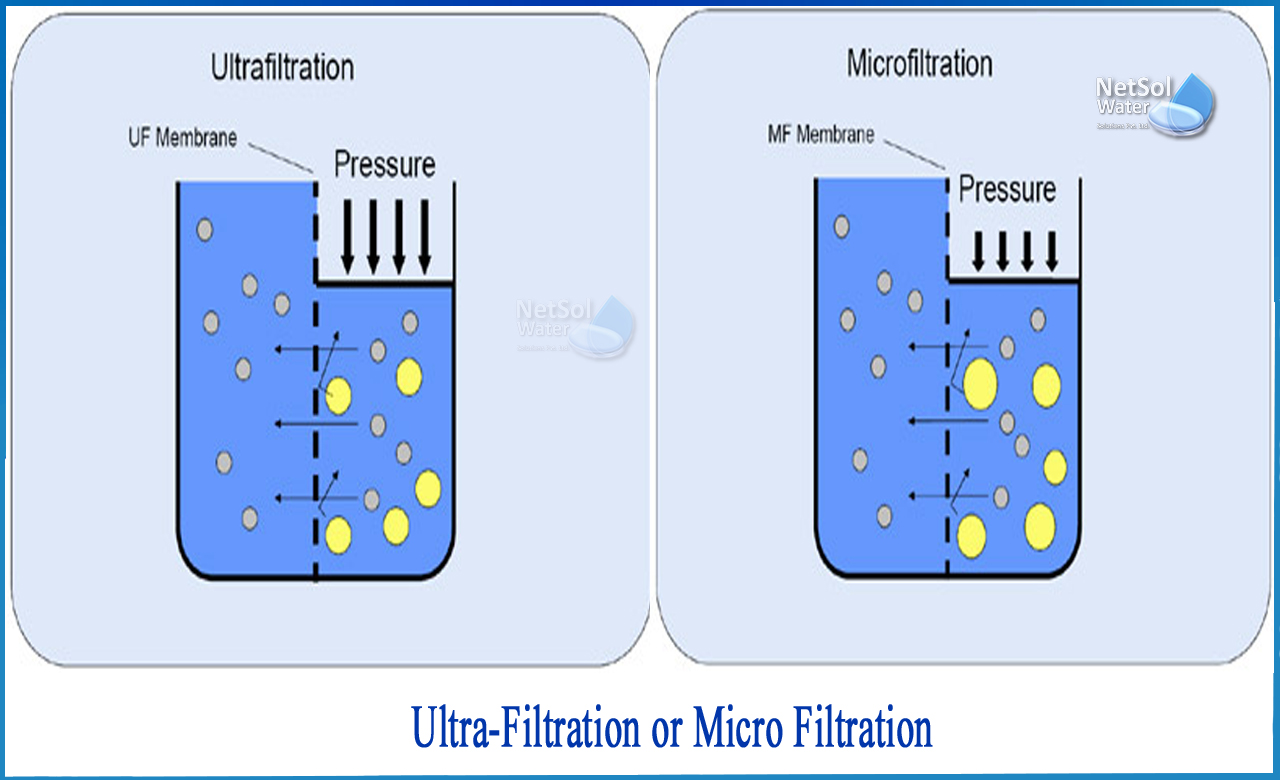
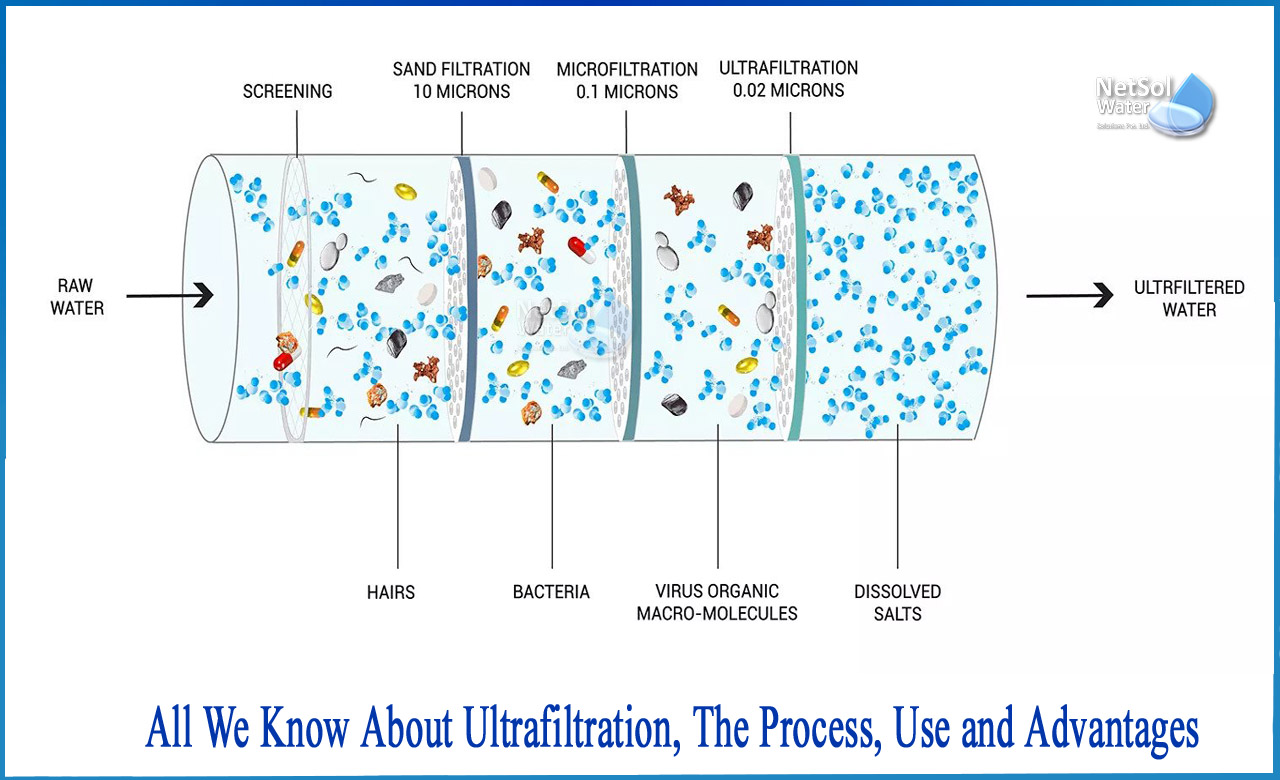
At its core, ultrafiltration is a pressure-driven membrane separation process that utilizes a semi-permeable membrane to remove suspended solids, colloids, macromolecules, bacteria, and viruses from a liquid. Unlike its coarser counterpart, microfiltration, which primarily targets larger particulates, or its finer sibling, reverse osmosis, which removes dissolved salts, ultrafiltration occupies a crucial middle ground. It effectively cleans liquids without removing beneficial minerals or small organic molecules, striking a balance that makes it indispensable for numerous applications where purity, clarity, and specific component retention are key. This foundational understanding sets the stage for exploring how UF acts as a cornerstone of modern technology, a strategic asset for branding and business, and a fertile ground for financial investment.
The Core Technology and Evolution of Ultrafiltration
Ultrafiltration is a marvel of engineering, relying on the precise interplay of membrane design, material science, and fluid dynamics. Understanding its operational principles and technological advancements is key to appreciating its widespread impact and future potential in a tech-driven world.
How Ultrafiltration Works: A Dive into the Mechanism
The operational principle of ultrafiltration is elegantly simple yet incredibly effective. A liquid feed stream, containing various dissolved and suspended components, is pumped under pressure across the surface of a semi-permeable membrane. This membrane is characterized by microscopic pores, typically ranging from 0.001 to 0.1 microns (1 to 100 nanometers) in diameter. The applied pressure differential forces the solvent (typically water) and smaller dissolved molecules (like salts, sugars, and low molecular weight organics) through these pores, forming the “permeate” or “filtrate.” Simultaneously, larger particles, macromolecules, colloids, bacteria, and viruses are physically blocked by the membrane and retained on the feed side, forming the “retentate” or “concentrate.”
The efficiency and selectivity of an ultrafiltration system are heavily influenced by several factors:
- Membrane Material: Modern UF membranes are primarily made from polymeric materials such as polysulfone (PS), polyethersulfone (PES), polyvinylidene fluoride (PVDF), and cellulose acetate, chosen for their chemical resistance, thermal stability, and mechanical strength. Ceramic membranes are also gaining traction for their extreme durability and resistance to harsh environments.
- Membrane Configuration: UF membranes come in various configurations, including hollow fiber (the most common, resembling thin straws), spiral-wound (compact and efficient), plate-and-frame (modular), and tubular (robust for high-solids feeds). Each configuration offers specific advantages depending on the application and desired flow characteristics.
- Pore Size and Molecular Weight Cut-Off (MWCO): Instead of just pore size, the performance of UF membranes is often characterized by their MWCO, which indicates the approximate molecular weight of a globular protein that is 90% rejected by the membrane. This metric helps in selecting the right membrane for specific separation tasks, ensuring target substances are effectively retained while desired smaller molecules pass through.
- Operating Pressure: UF operates at relatively low pressures (typically 1-10 bar or 15-150 psi) compared to reverse osmosis, contributing to lower energy consumption and operational costs.
Key Technological Advantages and Innovations
The inherent design of ultrafiltration systems offers several compelling advantages that make it a preferred technology across many sectors:
- High Efficiency and Selectivity: UF membranes provide excellent removal rates for specific contaminants while allowing desired smaller molecules to pass, ensuring precise separation.
- Low Operating Costs: Compared to thermal separation methods like evaporation or distillation, UF consumes significantly less energy due to its lower operating pressures and ambient temperature operation. It also often reduces the need for costly chemical additives.
- Robustness and Longevity: Modern UF membranes are designed for durability, offering long service life with proper maintenance and cleaning protocols. Ceramic membranes, in particular, excel in harsh chemical and thermal conditions.
- Scalability and Automation: UF systems can be easily scaled up or down to meet varying capacity requirements. Furthermore, they are highly amenable to automation, allowing for continuous, unattended operation with minimal manual intervention, which integrates well with modern industrial control systems.
The field of ultrafiltration is far from static, with continuous innovation pushing the boundaries of what’s possible. Researchers are developing advanced membrane materials suchs as graphene oxide and carbon nanotubes, which promise enhanced flux, improved anti-fouling properties, and even greater selectivity. The integration of smart technologies, like Artificial Intelligence (AI) and the Internet of Things (IoT), is transforming UF system management. AI-powered algorithms can predict membrane fouling, optimize cleaning cycles, and fine-tune operating parameters for peak performance, while IoT sensors enable real-time monitoring and remote control, leading to predictive maintenance and reduced downtime. These innovations are not just incremental improvements; they are foundational shifts that ensure ultrafiltration remains a cutting-edge technology for the challenges of tomorrow.
Ultrafiltration as a Strategic Business and Branding Asset
Beyond its technical merits, ultrafiltration has emerged as a crucial strategic asset for businesses, directly influencing product quality, operational efficiency, regulatory compliance, and ultimately, brand reputation. In competitive markets, adopting UF technology can provide a distinct competitive edge, aligning with contemporary demands for sustainability and consumer trust.
Diverse Applications Across Critical Sectors
The versatility of ultrafiltration means its applications span a wide array of industries, each leveraging its unique capabilities to solve specific challenges:
- Water Treatment: Perhaps its most prominent application, UF is widely used for producing potable water, treating industrial wastewater for reuse, and pre-treating water for more advanced processes like reverse osmosis. It effectively removes pathogens, turbidity, and suspended solids, ensuring safe and clean water supplies for municipalities and industries alike. This is especially vital in the face of global water scarcity and increasing pollution.
- Food and Beverage: In the dairy industry, UF is indispensable for concentrating whey proteins (a valuable by-product), standardizing milk, and producing lactose-free products. For fruit juices, it clarifies and purifies, enhancing taste and extending shelf life without thermal degradation. In breweries and wineries, UF ensures precise clarification and stabilization, maintaining product integrity and quality.
- Pharmaceuticals and Biotechnology: This sector relies heavily on UF for critical processes such as protein purification, vaccine concentration, cell harvesting, and the production of sterile water for injection (WFI). Its gentle, non-thermal separation prevents denaturation of sensitive biomolecules, which is crucial for maintaining the efficacy of drugs and biologics.
- Chemical and Industrial Processes: UF is used for catalyst recovery in chemical manufacturing, paint detackification in automotive assembly, and the recovery of valuable components from industrial effluents, significantly reducing waste and operating costs.
- Textile Industry: It plays a role in recovering dyes from wastewater, allowing for their reuse and drastically reducing environmental impact and disposal costs.
Economic, Operational, and Environmental Benefits for Businesses
Adopting ultrafiltration offers a cascade of benefits that directly impact a company’s bottom line and operational footprint:
- Improved Product Quality and Consistency: By precisely removing contaminants or concentrating desired components, UF ensures a higher quality, purer, and more consistent end-product. This translates to increased customer satisfaction and fewer product recalls.
- Cost Reduction: UF often leads to significant savings. It reduces the need for chemical coagulants and disinfectants, lowers energy consumption compared to thermal processes, and decreases waste disposal volumes and associated costs. In many cases, it enables the recovery of valuable resources (e.g., proteins, water, chemicals) that would otherwise be discarded.
- Enhanced Regulatory Compliance: With increasingly stringent environmental and health regulations globally, UF helps businesses meet and exceed standards for wastewater discharge, product purity, and food safety. Non-compliance can lead to hefty fines and reputational damage, making UF a strategic investment in risk mitigation.
- Sustainability and Resource Efficiency: By enabling water reuse, reducing chemical consumption, and minimizing waste, UF directly contributes to a company’s sustainability goals. This resonates deeply with eco-conscious consumers and investors, bolstering corporate social responsibility.
Branding and Reputation Implications
In today’s transparent marketplace, a company’s commitment to quality, safety, and sustainability directly impacts its brand image and market position. Ultrafiltration technology plays a pivotal role in shaping this narrative:
- “Clean Tech” Image and Corporate Social Responsibility: Companies that invest in advanced, environmentally friendly technologies like UF can position themselves as leaders in sustainability. This not only enhances their public image but also attracts talent and appeals to a growing segment of ethically-minded consumers.
- Consumer Trust and Product Purity: For brands in food, beverage, and pharmaceuticals, the use of UF to ensure product purity and safety is a powerful message. It builds consumer confidence, reinforcing the brand’s commitment to health and well-being. Marketing campaigns can leverage the “ultra-purified” or “naturally filtered” aspects to differentiate products.
- Competitive Advantage: Companies utilizing UF can often achieve higher product quality or more efficient production processes than competitors relying on older methods. This can translate into premium pricing, greater market share, and a stronger competitive position, especially when combined with effective branding that highlights these superior attributes.
By ensuring cleaner operations, purer products, and a stronger environmental footprint, ultrafiltration is not just a technological tool; it’s a strategic enabler for businesses striving for excellence and a positive brand legacy in the 21st century.
The Financial Landscape and Investment in Ultrafiltration
The widespread adoption and continuous innovation in ultrafiltration technology have created a dynamic financial landscape, attracting significant investment and fostering substantial market growth. For investors and businesses alike, understanding the economic drivers, investment opportunities, and financial models associated with UF is crucial for strategic planning and capital allocation.
Investment Opportunities and Market Growth
The global market for membrane filtration, including ultrafiltration, is experiencing robust growth, driven by a confluence of factors:
- Global Water Scarcity: With over two billion people lacking access to safely managed drinking water, the demand for effective water purification and wastewater reuse technologies is escalating rapidly. UF is a frontline technology in addressing this crisis.
- Stricter Environmental Regulations: Governments worldwide are implementing more stringent standards for industrial discharge and drinking water quality, compelling industries and municipalities to adopt advanced treatment solutions.
- Industrial Expansion and Demand for High-Quality Products: Growth in sectors like food & beverage, pharmaceuticals, and biotechnology inherently increases the need for high-purity process water and sophisticated separation techniques to meet quality and safety benchmarks.
- Technological Advancements: Continuous R&D leading to more efficient, durable, and cost-effective membranes, coupled with intelligent system integration, fuels market expansion.
This creates diverse investment opportunities:
- Direct Investment in UF System Manufacturers: Investing in companies that design, manufacture, and install UF systems and membranes. These range from established multinational corporations to agile startups specializing in niche applications or advanced membrane materials.
- Venture Capital in Innovative Startups: Emerging companies developing next-generation membrane materials (e.g., graphene-based, bio-inspired) or smart UF systems leveraging AI/IoT present high-growth potential for venture capitalists.
- Impact Investing: For investors focused on environmental, social, and governance (ESG) criteria, UF projects—especially those related to water access, sanitation, and industrial sustainability—offer compelling opportunities to generate both financial returns and positive social impact.
- Publicly Traded Companies: Many large engineering firms, water technology companies, and diversified industrial groups with significant UF divisions offer avenues for public equity investment.
The market size for ultrafiltration is projected to continue its upward trajectory, with analysts estimating multi-billion dollar valuations and consistent Compound Annual Growth Rates (CAGRs) over the next decade. This growth underscores UF’s critical role in a resource-constrained and quality-demanding world.
Cost-Benefit Analysis for Adoption
For businesses considering ultrafiltration, a thorough cost-benefit analysis is essential to justify the investment:
- Initial Capital Expenditure (CAPEX): This includes the cost of UF membrane modules, pressure vessels, pumps, piping, control systems, and installation. While the initial outlay can be significant, it’s often offset by long-term savings.
- Operational Expenditure (OPEX): Ongoing costs typically include energy consumption (relatively low for UF), periodic membrane replacement (membranes have a finite lifespan, typically 3-7 years), cleaning chemicals, and labor for maintenance and monitoring.
- Quantifiable Benefits:
- Reduced Chemical Costs: UF often eliminates or significantly reduces the need for chemical coagulants, flocculants, and disinfectants, leading to substantial savings.
- Lower Waste Disposal Costs: By concentrating contaminants, UF reduces the volume of waste requiring disposal, lowering associated expenses. In some cases, it enables the recovery of valuable products, creating a new revenue stream.
- Energy Savings: Compared to energy-intensive thermal separation methods, UF’s lower operating pressure translates to considerable energy cost reductions.
- Increased Product Yield and Quality: Higher purity and consistency in end-products can command premium prices, reduce waste, and minimize quality control issues.
- Regulatory Compliance and Avoidance of Penalties: Meeting environmental discharge limits or product purity standards avoids costly fines and legal issues, protecting the company’s financial health and reputation.
- Extended Equipment Lifespan: For pre-treatment applications, UF protects downstream equipment (e.g., reverse osmosis membranes, boilers) from fouling and scaling, extending their operational life and reducing maintenance costs.
Calculating the Return on Investment (ROI) and payback period for UF systems typically demonstrates attractive financial viability, especially when considering the totality of direct savings and indirect benefits like enhanced brand value and regulatory security.
Funding and Financial Models for UF Projects
The diverse nature and scale of ultrafiltration projects necessitate a variety of funding and financial models:
- Corporate Financing: Established companies typically finance UF system acquisitions through their operational budgets, capital expenditure plans, or traditional debt financing from commercial banks.
- Government Grants and Subsidies: Many governments offer grants, low-interest loans, or tax incentives for projects that enhance water security, promote sustainability, or support critical infrastructure. This is particularly prevalent for municipal water treatment and industrial wastewater reuse projects.
- Private Equity and Venture Capital: As mentioned, innovative UF startups and scale-ups with disruptive technologies attract private equity and venture capital looking for high-growth opportunities in the cleantech and industrial sectors.
- Public-Private Partnerships (PPPs): For large-scale municipal water projects, PPPs are a common model where private companies finance, build, operate, and maintain UF-based water treatment plants in collaboration with public entities, often under long-term concession agreements.
- Leasing and Service Models: For smaller businesses or those preferring an OPEX-based approach, leasing UF equipment or engaging in “Water-as-a-Service” models (where a provider owns, operates, and maintains the system, charging a service fee) can make the technology more accessible.
- Impact Funds: Dedicated impact investment funds provide capital to projects that offer both financial returns and measurable positive social or environmental impact, aligning well with sustainable water solutions enabled by UF.
The financial ecosystem surrounding ultrafiltration is robust and evolving, reflecting the technology’s critical role in addressing global challenges and generating significant economic value. For those looking to invest, innovate, or simply leverage cutting-edge separation technology, ultrafiltration presents a compelling and financially sound proposition.

Conclusion
Ultrafiltration is far more than a technical filtration method; it is a foundational technology that underpins critical advancements across numerous sectors, drives business innovation, and presents substantial financial opportunities. From ensuring access to clean drinking water and enhancing food safety to enabling breakthroughs in pharmaceuticals and promoting industrial sustainability, UF plays an increasingly vital role in shaping a healthier, more efficient, and more sustainable world.
As a technological marvel, ultrafiltration continues to evolve, with ongoing research pushing the boundaries of membrane materials, system intelligence, and energy efficiency. Its ability to precisely separate and purify at a microscopic level, often without the need for harsh chemicals or high energy inputs, makes it an indispensable tool for engineers and scientists. As a strategic asset for brands and businesses, UF empowers companies to deliver superior products, achieve operational excellence, meet stringent regulatory demands, and cultivate a strong reputation for quality and environmental stewardship. It’s a pathway to not only compliance but also market leadership through innovation. And as a dynamic financial opportunity, the ultrafiltration market is a hotbed for investment, fueled by global imperatives like water scarcity and industrial growth, offering attractive returns for those who recognize its long-term value and impact.
In a world increasingly reliant on precision, efficiency, and sustainability, ultrafiltration stands as a testament to human ingenuity—a silent workhorse that continues to drive progress, secure resources, and build economic value, proving itself indispensable for our present and fundamental to our future.
aViewFromTheCave is a participant in the Amazon Services LLC Associates Program, an affiliate advertising program designed to provide a means for sites to earn advertising fees by advertising and linking to Amazon.com. Amazon, the Amazon logo, AmazonSupply, and the AmazonSupply logo are trademarks of Amazon.com, Inc. or its affiliates. As an Amazon Associate we earn affiliate commissions from qualifying purchases.