
For anyone managing their finances, particularly when initiating or receiving electronic transactions, understanding how to locate your bank’s routing number is fundamental. Chase, being one of the largest financial institutions in the United States, serves millions of customers, and for each of them, having this nine-digit code readily accessible is crucial for a variety of banking activities. Whether you’re setting up direct deposit for your paycheck, sending money to a friend, or initiating an ACH payment for bills, your routing number is a key piece of information. This article will guide you through the straightforward methods of finding your Chase routing number, ensuring you can navigate your financial transactions with confidence and efficiency.
Understanding the Importance of Your Routing Number
Before diving into the “how-to,” it’s beneficial to understand what a routing number is and why it’s so important in the realm of financial transactions. The routing number, also known as the ABA (American Bankers Association) transit number, is a nine-digit code that identifies a specific financial institution. Think of it as the address for your bank within the broader financial system. It’s used by the Federal Reserve and other financial institutions to process and clear checks and electronic payments, such as Automated Clearing House (ACH) transfers, wire transfers, and direct deposits.
The Role of the Routing Number in Transactions
The routing number plays a vital role in ensuring that your money goes to the correct bank and, subsequently, to your specific account. When you initiate an electronic transfer, this number, along with your account number, acts as the key to unlock the movement of funds. Without the correct routing number, a transaction could be delayed, misdirected, or even rejected.
For example, when setting up direct deposit, your employer’s payroll system will use your routing number and account number to send your salary directly into your Chase account. Similarly, if you’re paying a bill electronically through your Chase online banking platform, the routing number will be used to identify Chase and facilitate the withdrawal of funds from your account. For wire transfers, it’s even more critical, as these are typically time-sensitive and involve larger sums of money.
Distinguishing Routing Numbers from Account Numbers
It’s important to differentiate the routing number from your account number. While both are essential for financial transactions, they serve distinct purposes. Your account number is unique to your specific bank account within a branch. It’s like your personal identifier within your bank. The routing number, on the other hand, identifies the bank itself.
When providing information for a transaction, you will usually need both your account number and your routing number. For instance, if you’re setting up a new direct deposit, the form will typically ask for both. The routing number tells the system which bank to send the money to, and the account number tells the bank which specific account to credit the funds to.
Chase’s Routing Numbers: A Note on Variations
A key point to understand about Chase routing numbers is that they can vary depending on the state where your account was opened and the type of transaction you are performing. Chase operates in various regions, and historically, different clearing districts had different routing numbers. While most common transactions will use a primary routing number, it’s always best to confirm the specific number associated with your account to avoid any issues. This variation is a common practice among large national banks to streamline regional processing.
Locating Your Chase Routing Number: Online and Mobile Banking
The most convenient and frequently used method for finding your Chase routing number is through their online banking platform or mobile app. These digital tools are designed to provide customers with easy access to all their account information, including essential banking details like the routing number.
Via Chase Online Banking
To access your routing number through Chase’s online banking portal, you’ll first need to log in to your account. Once you’re logged in, navigate to the specific account for which you need the routing number. Typically, this information is found on the account summary page or within the account details section.
- Log in to Chase Online Banking: Visit the official Chase website and enter your username and password to access your account.
- Select the Account: From your account dashboard, choose the checking or savings account for which you need the routing number.
- Find Account Details: Look for a section labeled “Account Details,” “Account Information,” or something similar. Often, this is found by clicking on the account name or a small gear icon.
- Identify the Routing Number: Within the account details, you should see your routing number clearly displayed. It’s usually presented alongside your account number and other relevant information. Chase typically displays the routing number in the standard nine-digit format.
The online banking platform is updated regularly, so the layout might slightly change, but the general principle of finding this information within your account details remains consistent.
Via the Chase Mobile App
For those who prefer managing their finances on the go, the Chase mobile app offers a similar, user-friendly experience for finding your routing number. The process is very intuitive and mirrors the online banking experience.
- Open the Chase App: Launch the Chase mobile application on your smartphone or tablet.
- Log In: Sign in using your credentials.
- Tap on the Account: Select the checking or savings account you wish to inquire about from your list of accounts.
- Access Account Information: Look for an option like “Account Details,” “See More,” or a similar button that provides deeper information about the selected account.
- View Routing Number: Your routing number will be listed prominently within this section. It’s usually found near your account number.
Using the mobile app is an excellent way to quickly retrieve this number if you’re filling out a form on your phone or need to provide it urgently.
Retrieving Your Routing Number from Physical Documents and Support
While digital access is paramount, there are other reliable methods to obtain your Chase routing number, especially if you prefer physical documents or need assistance from a representative. These methods can be particularly useful if you encounter any issues with online access or if you need to verify information.
On Your Chase Checks
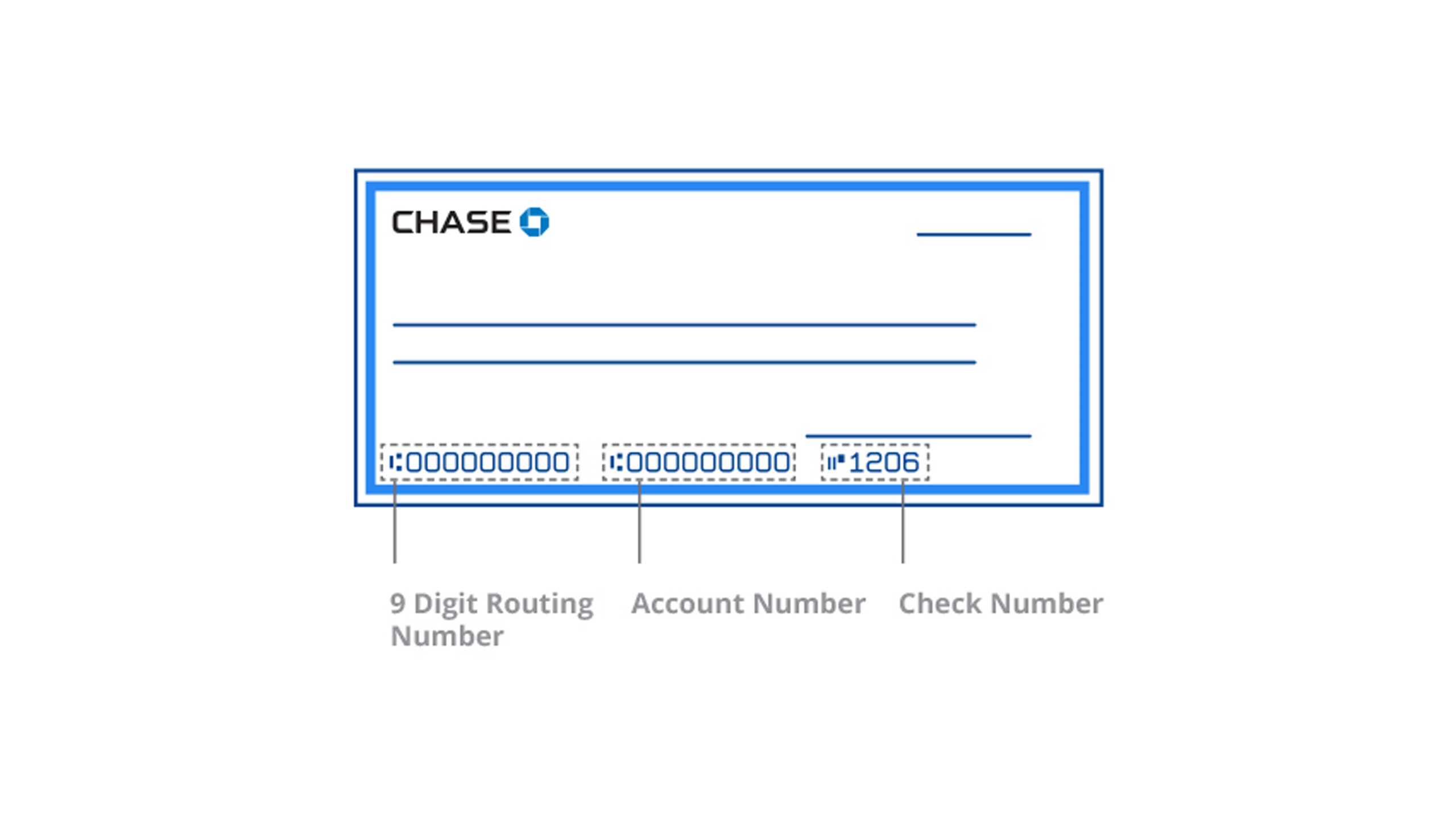
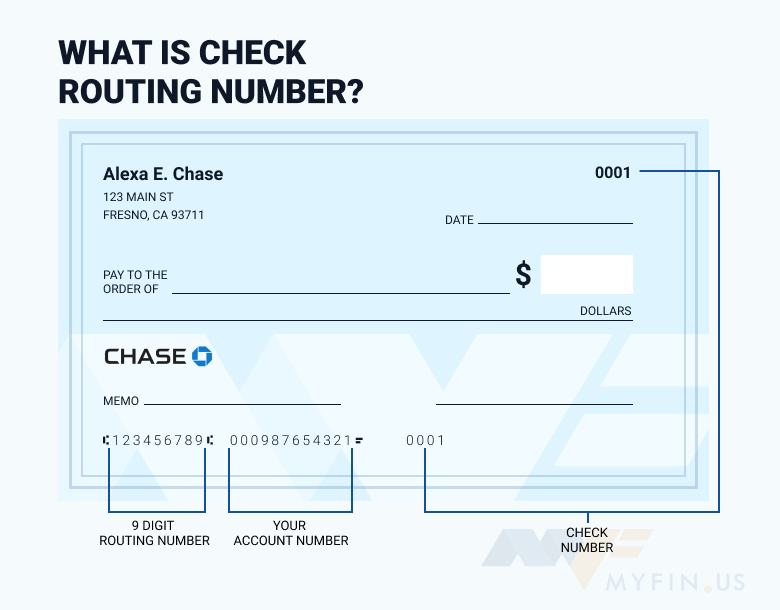
For checking accounts, your routing number is printed on every check. This is a classic and often overlooked method. Your checks contain a wealth of information about your account, and the routing number is an integral part of it.
- Locate a Check: Take out any physical checkbook associated with your Chase checking account.
- Examine the Bottom of the Check: Look at the magnetic ink characters printed at the bottom of the check. These are typically presented in a specific order.
- Identify the First Nine-Digit Number: The sequence at the bottom of the check follows a standard format: first, the routing number, then your account number, and finally, the check number. The routing number will be the first nine digits you see in this sequence.
It’s crucial to ensure that the checks are from your current account and have not expired or been deactivated, as this could lead to an incorrect routing number.
Via Chase Customer Service
If you are unable to access your routing number through online banking, the mobile app, or your checks, Chase’s customer service is readily available to assist you. This is a direct and reliable way to get the information you need, especially if you have specific concerns or require verification.
- Contact Chase Customer Service: You can reach Chase by phone. The general customer service number is usually found on the back of your debit or credit card, on your bank statement, or on the Chase website. For specific inquiries related to account information, it’s best to use the number provided for account services.
- Verify Your Identity: Be prepared to provide information to verify your identity. This is a standard security measure to protect your account. You might be asked for your Social Security number, date of birth, mother’s maiden name, or answers to security questions.
- Request Your Routing Number: Once your identity has been confirmed, clearly state that you need your routing number for a specific account. The representative will be able to access this information and provide it to you.
It’s important to note that customer service representatives are trained to handle such requests and will guide you through the process efficiently and securely.
Visiting a Chase Branch
For a more personal touch and direct assistance, visiting a local Chase branch is another effective method to obtain your routing number. Bank tellers and branch managers can help you access this information directly from their systems.
- Locate Your Nearest Chase Branch: Use the Chase branch locator on their website or app to find a branch convenient for you.
- Bring Identification: Ensure you have a valid photo ID (e.g., driver’s license, passport) and potentially your Chase debit card or account number to help the staff locate your account.
- Speak to a Banker: Approach a teller or customer service representative and explain that you need your routing number for a specific account.
- Verification and Information: You will likely need to verify your identity again. Once verified, the banker can provide you with the correct routing number for your account.
This method is particularly helpful for individuals who are less comfortable with digital banking or who may have complex account situations that require in-person consultation.
Ensuring Accuracy and Security When Using Your Routing Number
Having your routing number readily available is essential, but it’s equally important to ensure that you are using the correct number and handling this sensitive information securely. Mistakes or security breaches related to your routing number can lead to financial complications.
Verifying the Correct Routing Number
As mentioned earlier, Chase routing numbers can sometimes vary. This is often due to the geographic origin of your account or the specific service you are using (e.g., domestic wire transfer vs. ACH). While the online and mobile banking platforms usually provide the most common and applicable routing number for your account, it’s good practice to double-check if you are unsure, especially for critical transactions like international wire transfers.
- Match to Transaction Type: If you’re unsure which routing number to use, consider the type of transaction. For general ACH transfers and direct deposits, the primary routing number is usually sufficient. For wire transfers, especially international ones, Chase might have specific routing numbers or require additional SWIFT codes, which are different. Always consult the instructions provided by the party requesting the transfer or by Chase itself for wire transfers.
- Confirm with the Recipient/Sender: If you are setting up a payment to someone else or receiving funds, confirm the routing number they have on file for you or that they are providing to you. This simple verification step can prevent significant issues.
- Contact Chase Directly for Confirmation: If you are dealing with a high-value transaction or a situation where precision is paramount, don’t hesitate to call Chase customer service or visit a branch to confirm the exact routing number needed.
Protecting Your Routing Number Information
Your routing number, when paired with your account number, can be used to initiate financial transactions. Therefore, it’s a piece of information that needs to be protected with the same diligence as your Social Security number or credit card details.
- Be Wary of Unsolicited Requests: Never share your routing number and account number in response to unsolicited emails, phone calls, or text messages claiming to be from Chase or any other institution. Legitimate financial institutions will not ask for this sensitive information without you initiating the contact or a clear, secure process.
- Secure Your Online Accounts: Use strong, unique passwords for your Chase online banking and mobile app. Enable two-factor authentication whenever possible. This adds an extra layer of security, ensuring that even if someone obtains your password, they cannot access your account without a second verification factor.
- Shred Sensitive Documents: When disposing of old bank statements, checks, or any documents that contain your account and routing numbers, ensure they are properly shredded. This prevents them from falling into the wrong hands.
- Monitor Your Accounts Regularly: Review your Chase bank statements and transaction history frequently, both online and through the mobile app. Look for any unauthorized transactions. If you spot something suspicious, report it to Chase immediately. Early detection is key to resolving fraudulent activity.
By understanding how to find your Chase routing number and by taking proactive steps to protect this information, you can confidently manage your finances and ensure that your transactions are processed smoothly and securely. Chase provides multiple avenues to access this critical piece of information, catering to various customer preferences and needs.
aViewFromTheCave is a participant in the Amazon Services LLC Associates Program, an affiliate advertising program designed to provide a means for sites to earn advertising fees by advertising and linking to Amazon.com. Amazon, the Amazon logo, AmazonSupply, and the AmazonSupply logo are trademarks of Amazon.com, Inc. or its affiliates. As an Amazon Associate we earn affiliate commissions from qualifying purchases.