
Navigating the process of closing a financial account can sometimes feel like a complex undertaking. Whether you’re consolidating your banking relationships, seeking a different financial institution, or simply no longer need a particular service, understanding the steps involved in canceling a Chase account is crucial for a smooth transition. This guide will walk you through the essential considerations and procedures, ensuring you can close your account with confidence and clarity.
Understanding the Different Account Types and Cancellation Nuances
Chase, as one of the largest financial institutions in the United States, offers a wide array of products and services. The method and specific requirements for canceling an account can vary depending on the type of account you hold. It’s important to identify which of your Chase accounts you intend to close, as the procedure might differ slightly for checking accounts, savings accounts, credit cards, or loans.

Checking and Savings Accounts
For standard deposit accounts like checking and savings, the primary goal is to withdraw all remaining funds and then formally instruct Chase to close the account. This typically involves a few key steps to ensure all balances are settled and there are no outstanding fees or pending transactions that could complicate the closure.
Settling Outstanding Balances and Fees
Before you can formally close a checking or savings account, you must ensure that the balance is zero. If there are any pending transactions (like outstanding checks or automatic payments), you’ll need to wait for them to clear or make arrangements to cover them. Similarly, any accrued fees must be paid. If your account has a negative balance, you will be required to pay this amount in full before Chase will proceed with the closure. It’s advisable to check your account statement or log in to your online banking portal to confirm the exact balance and any potential fees. You can also contact Chase customer service directly to inquire about any outstanding obligations.
Methods for Account Closure
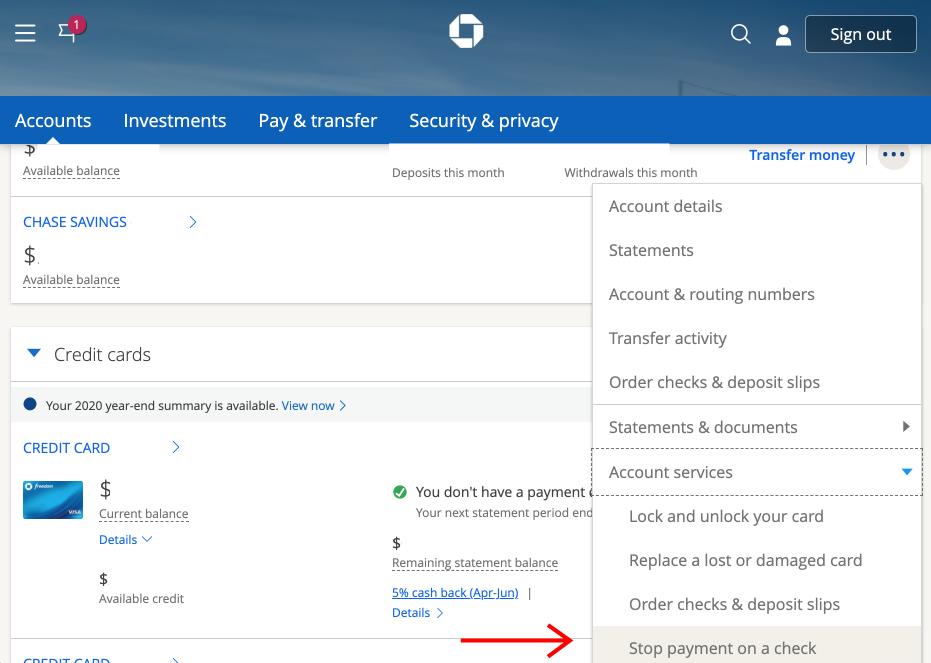
Chase generally offers a few convenient methods for closing deposit accounts. The most common and often recommended approach is to visit a local Chase branch in person. Bring a valid form of identification (like a driver’s license or passport) and your account number. A banker will assist you with the necessary paperwork to close the account. Alternatively, you can call Chase’s customer service line. Be prepared to answer security questions to verify your identity. While less common, some customers may be able to initiate the closure process through their online banking portal or mobile app, particularly if they have a zero balance and no pending issues. However, for definitive closure, a phone call or in-person visit is usually required.
Credit Card Accounts
Canceling a Chase credit card involves a slightly different set of considerations, primarily due to the impact on your credit score and potential rewards or benefits. The process is designed to be straightforward but requires careful attention to your financial standing with the card issuer.
Addressing Outstanding Balances and Payments
The most critical step before closing a credit card account is to pay off any outstanding balance in full. Credit card companies will not close an account with a debt. Once the balance is zero, you should also ensure that all pending transactions have posted and cleared. This includes any recent purchases or returns. It’s prudent to wait a few days after your last transaction to ensure everything is finalized before initiating the closure.
Understanding the Impact on Credit Score
Closing a credit card account can affect your credit score in several ways. Firstly, it can reduce your overall available credit, which may increase your credit utilization ratio if you carry balances on other cards. A higher utilization ratio can negatively impact your score. Secondly, if the closed account was one of your oldest credit lines, closing it can shorten your average age of accounts, another factor that influences your creditworthiness. Before deciding to close, assess how this action might influence your credit health. If the card has no annual fee and you’ve had it for a long time, keeping it open (even with minimal use) might be more beneficial for your credit score.
Reward Points and Account Closure
Many Chase credit cards come with valuable rewards programs, such as points or cashback. When you close your account, you typically forfeit any unredeemed rewards. It is therefore essential to redeem all your accumulated points or cashback before initiating the cancellation process. Check the terms and conditions of your specific card to understand how rewards are handled upon account closure. Some rewards programs may have a grace period, but it’s best not to risk losing them.
Cancellation Procedures for Credit Cards
To cancel a Chase credit card, you will generally need to contact Chase customer service by phone. The number is usually found on the back of your credit card or on your statement. You will need to verify your identity, state your intention to close the account, and confirm that your balance is paid. The representative will guide you through the final steps. While less common for credit cards, some online banking platforms may offer an option to request closure. However, a phone call remains the most reliable method.
Loans and Other Financial Products
Canceling or closing accounts for loans (such as auto loans, mortgages, or personal loans) or other specialized financial products with Chase follows a different protocol. These accounts are closed once the entire principal amount, along with any accrued interest and fees, has been repaid.
Loan Repayment and Final Settlement
The process of closing a loan account is synonymous with paying it off in full. This means settling the outstanding principal balance, all accrued interest up to the payoff date, and any final fees or charges associated with the loan. You can obtain a payoff quote from Chase, which will detail the exact amount needed to close the loan on a specific date. Once this amount is paid, the loan account is considered closed.
Mortgage and Auto Loan Specifics
For mortgages, after the loan is fully repaid, Chase will release the lien on your property. You will typically receive documentation confirming the satisfaction of the mortgage, which you may need to file with your local county recorder’s office. For auto loans, upon full repayment, Chase will provide you with a lien release document, which you will need to present to your local Department of Motor Vehicles (DMV) to officially remove Chase’s lien from your vehicle’s title.
Other Financial Products
If you have other financial products like investment accounts or certain types of business accounts, the closure process will be dictated by the specific terms and conditions of those products. It’s always best to consult the product agreement or contact Chase directly to understand the unique requirements for their termination.
Preparing for Account Closure: Essential Steps and Considerations
Before you initiate the process of closing any Chase account, thorough preparation can prevent future complications and ensure a smooth exit. This involves reviewing your relationship with Chase, understanding any potential impacts, and gathering necessary information.
Reviewing Your Chase Relationship
Take stock of all the accounts you hold with Chase. This includes checking, savings, credit cards, loans, investment accounts, and any other services. Consider why you are closing a particular account and whether it aligns with your broader financial goals. Perhaps you’ve found a better banking institution, or a specific credit card no longer offers competitive rewards for your spending habits. This self-assessment helps confirm your decision and identify any accounts that might be better left open for strategic reasons, such as maintaining credit history or accessing specific benefits.
Gathering Necessary Information
To facilitate a quick and efficient closure, have all your relevant account information readily available. This includes your account numbers, personal identification details (like your Social Security number, though you may not need to provide it verbally if you can verify through other means), and any physical cards or statements you might need. For credit cards, knowing the exact balance and reward point total is vital. For loans, having the current payoff amount is essential.
Considering the Impact on Automatic Payments and Direct Deposits
One of the most significant considerations when closing an account is how it will affect any automatic payments or direct deposits linked to it. You will need to update your banking information with all relevant parties.
Updating Automatic Payments
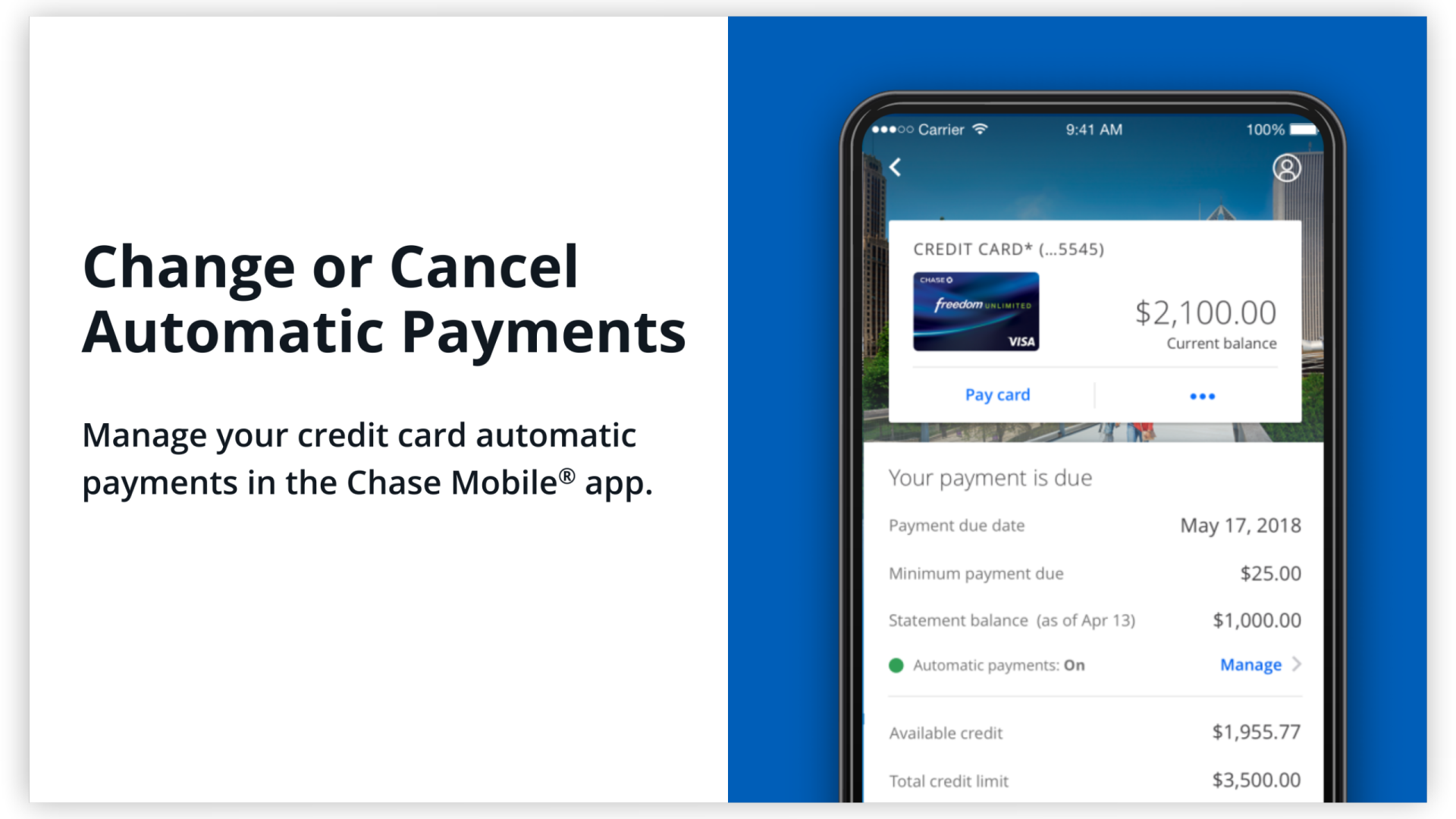
If you use your Chase account for automatic bill payments, subscriptions, or recurring transfers, you must change the payment method before closing the account. Failing to do so could result in missed payments, late fees, and potential service disruptions. This includes utilities, rent or mortgage payments (if not directly tied to the loan itself), insurance premiums, and any online service subscriptions. Log in to each service provider’s website or app and update your banking details to a new account.
Redirecting Direct Deposits
Similarly, if you receive direct deposits into your Chase account, such as your salary, government benefits, or freelance payments, you need to provide your employer or the payer with your new banking information. This ensures that your funds are deposited into your new account without interruption. Coordinate with your employer’s HR or payroll department to make this change.
The Formal Account Closure Process
Once you’ve prepared thoroughly, the next step is to formally close your Chase account. While the exact procedure might vary slightly based on the account type, the general principles of verification and formal request remain consistent.
Contacting Chase Customer Service
The primary point of contact for most account closures at Chase is their customer service department. You can typically reach them by phone. Have your account number and personal identification details ready for verification. Be clear and concise about your intention to close the account.
Phone Verification and Security Protocols
When you call, a customer service representative will ask you several questions to verify your identity and ensure that you are authorized to close the account. These questions might include your mother’s maiden name, the last four digits of your Social Security number, or details about your account activity. Adhering to these security protocols is essential for protecting your account and preventing fraudulent activity.
In-Person Branch Visits
For checking and savings accounts, visiting a Chase branch in person is often a preferred and straightforward method for closure. A branch manager or a designated representative can guide you through the paperwork and ensure all steps are completed accurately. Bring a valid government-issued photo ID and your account information. This method can be particularly helpful if you have complex account situations or outstanding issues.
Confirming Account Closure and Receiving Documentation
After you have initiated the closure process, it’s crucial to ensure the account has been successfully closed and to obtain confirmation.
Final Account Statement
Chase will typically send you a final account statement after the closure. This statement will reflect the zero balance and confirm that the account is closed. It’s advisable to keep this statement for your records, as it serves as proof of closure and can be useful for tax purposes or future reference.
Written Confirmation
In some cases, you may request or receive written confirmation of account closure. This could be a letter from Chase detailing the closure date and confirming that there are no outstanding obligations. If you are closing a credit card, you might receive a letter confirming the card has been canceled.
Post-Closure Considerations and Best Practices
Even after your Chase account is officially closed, there are a few final points to consider to ensure a completely clean break and to avoid any unforeseen issues.
Monitoring Your Credit Report
If you closed a credit card account, it’s a good practice to monitor your credit report for a few months following the closure. Check that the account is reported as closed by you and that there are no lingering balances or inquiries that shouldn’t be there. You can obtain free copies of your credit report from each of the three major credit bureaus (Equifax, Experian, and TransUnion) annually through AnnualCreditReport.com.
Keeping Records of Closure
As mentioned, retaining the final account statement and any written confirmation of closure is important. These documents serve as proof that you have settled your relationship with Chase and can be invaluable if any discrepancies arise in the future. Store these records in a safe and accessible place.
Reviewing Your Financial Habits
Closing an account can be an opportune moment to reflect on your banking and financial habits. Were there reasons you consistently overspent on a credit card? Did a particular checking account have excessive fees that you overlooked? Understanding these patterns can help you make more informed decisions about your future financial product choices and potentially improve your overall financial health. By learning from the experience of closing an account, you can better select and manage financial tools that truly serve your needs.
aViewFromTheCave is a participant in the Amazon Services LLC Associates Program, an affiliate advertising program designed to provide a means for sites to earn advertising fees by advertising and linking to Amazon.com. Amazon, the Amazon logo, AmazonSupply, and the AmazonSupply logo are trademarks of Amazon.com, Inc. or its affiliates. As an Amazon Associate we earn affiliate commissions from qualifying purchases.