
A Coinbase Wallet is a cryptocurrency wallet that allows users to store, send, receive, and manage their digital assets. It is a non-custodial wallet, meaning that users have full control over their private keys and therefore their funds. This is in contrast to a custodial wallet, where the private keys are held by a third party, such as an exchange.
Coinbase Wallet is a popular choice for cryptocurrency users because it is user-friendly and offers a wide range of features. It supports a variety of cryptocurrencies, including Bitcoin, Ethereum, and Litecoin, as well as NFTs and other digital assets. The wallet also integrates with decentralized applications (dApps) and decentralized exchanges (DEXs), allowing users to interact with the wider crypto ecosystem.
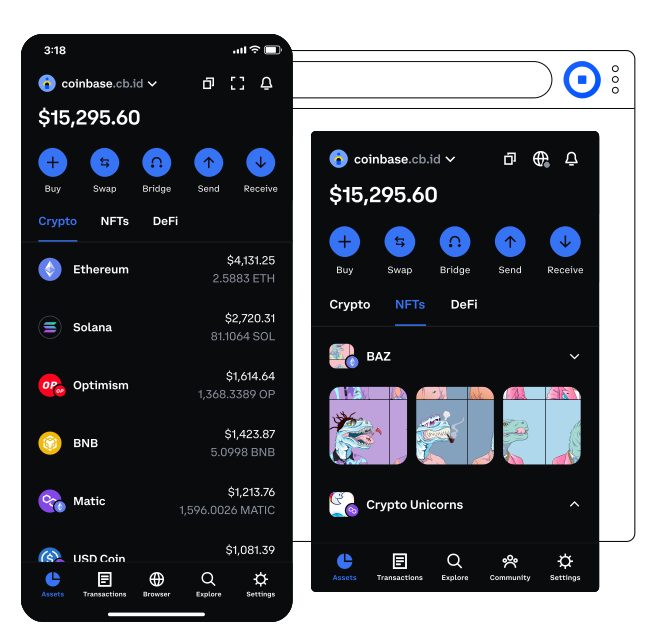
How does a Coinbase Wallet work?
A Coinbase Wallet works by generating a unique set of public and private keys for each user. The public key is used to receive cryptocurrency, while the private key is used to authorize transactions and access funds. These keys are stored securely on the user’s device, and the user is responsible for backing up their wallet and keeping their private keys safe.
When a user sends cryptocurrency, they use their private key to sign the transaction. This signature is then broadcast to the blockchain, where it is verified by miners or validators. Once the transaction is confirmed, it is added to the blockchain and the cryptocurrency is transferred to the recipient’s address.
What are the benefits of using a Coinbase Wallet?
There are a number of benefits to using a Coinbase Wallet, including:
- Security: Coinbase Wallet is a non-custodial wallet, meaning that users have full control over their private keys and therefore their funds. This makes it a more secure option than a custodial wallet, where the private keys are held by a third party.
- User-friendliness: Coinbase Wallet is designed to be user-friendly, with a simple interface that makes it easy to send, receive, and manage cryptocurrency.
- Features: Coinbase Wallet supports a wide range of cryptocurrencies, including Bitcoin, Ethereum, and Litecoin, as well as NFTs and other digital assets. The wallet also integrates with dApps and DEXs, allowing users to interact with the wider crypto ecosystem.
- Control: As a non-custodial wallet, Coinbase Wallet gives users complete control over their funds. They can access their crypto at any time and are not subject to the restrictions or fees that may be imposed by an exchange.
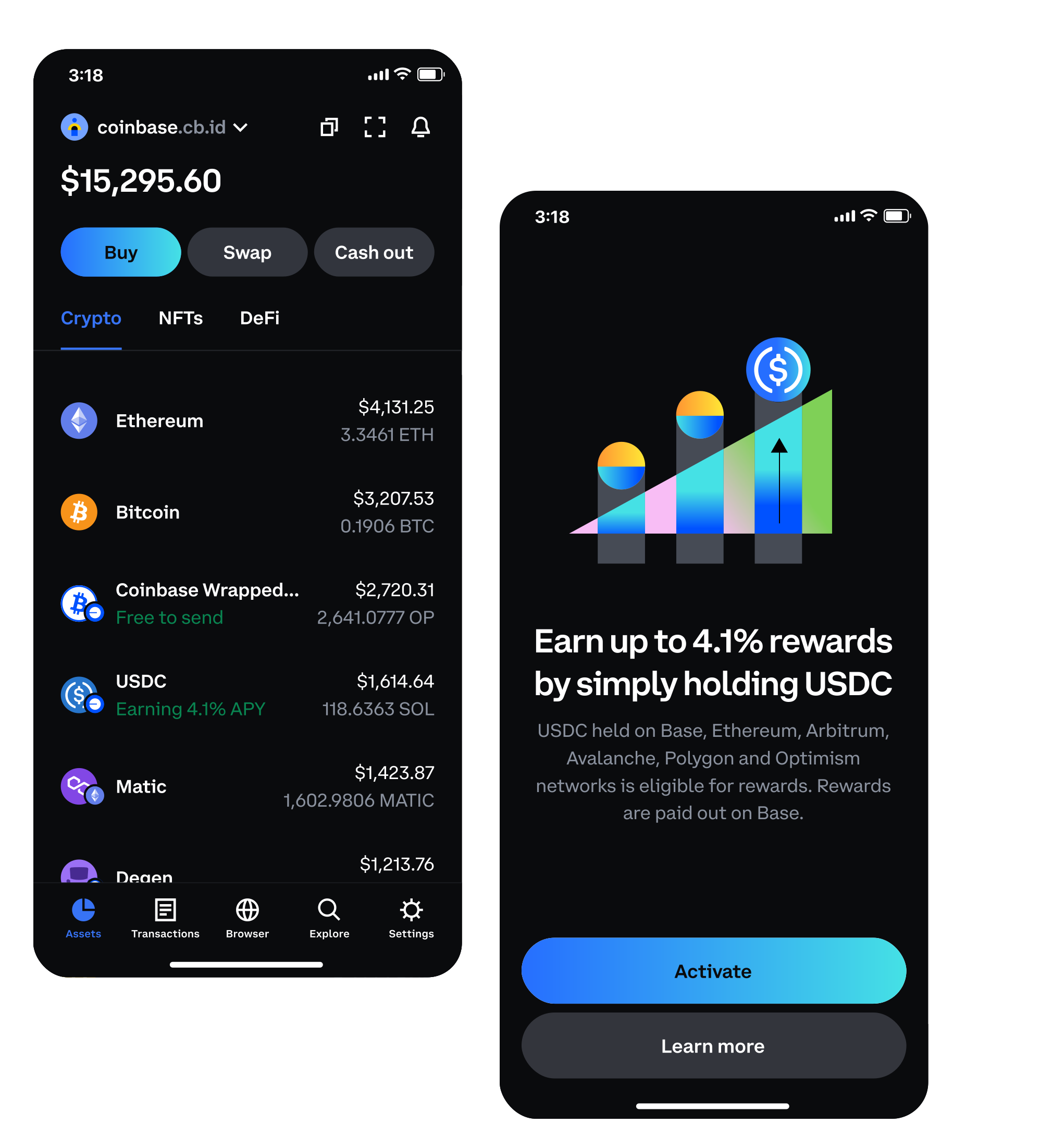
What are the risks of using a Coinbase Wallet?
There are a number of risks associated with using a Coinbase Wallet, as with any cryptocurrency wallet. These include:
- Loss of private keys: If a user loses their private keys, they will lose access to their cryptocurrency. It is crucial to back up the wallet and store the recovery phrase securely.
- Scams and phishing: Users may be targeted by scammers who try to trick them into revealing their private keys or sending them cryptocurrency. It is important to be vigilant and aware of common scams.
- Smart contract vulnerabilities: If a user interacts with a dApp or DeFi protocol that has vulnerabilities in its smart contracts, their funds could be at risk. Thorough research and understanding of the protocols are essential.
- Market volatility: The value of cryptocurrencies can be highly volatile. Users should only invest what they can afford to lose.
How to set up and use a Coinbase Wallet
Setting up a Coinbase Wallet is a straightforward process. First, download the Coinbase Wallet app from the App Store or Google Play Store. Once installed, create a new wallet. You will be prompted to set a strong password and will be provided with a unique recovery phrase (also known as a seed phrase). This phrase is critically important – it is the only way to recover your wallet if you lose access to your device or forget your password. Write it down and store it in a safe, offline location. Never share this phrase with anyone.
After setting up your wallet, you can start funding it. You can do this by sending cryptocurrency from another wallet or exchange to your Coinbase Wallet’s public address. To find your public address, navigate to the asset you wish to receive and select the “Receive” option. This will display your unique wallet address, which you can then share with the sender.
Sending cryptocurrency is equally simple. Select the asset you want to send, tap “Send,” and enter the recipient’s wallet address and the amount. You will be able to review the transaction details and the network fee (gas fee) before confirming the transaction.
Beyond basic sending and receiving, Coinbase Wallet facilitates interaction with the decentralized web. Through its built-in browser, you can connect to dApps, explore Decentralized Finance (DeFi) protocols, and engage with NFT marketplaces. This seamless integration allows for a comprehensive crypto experience directly within the wallet.
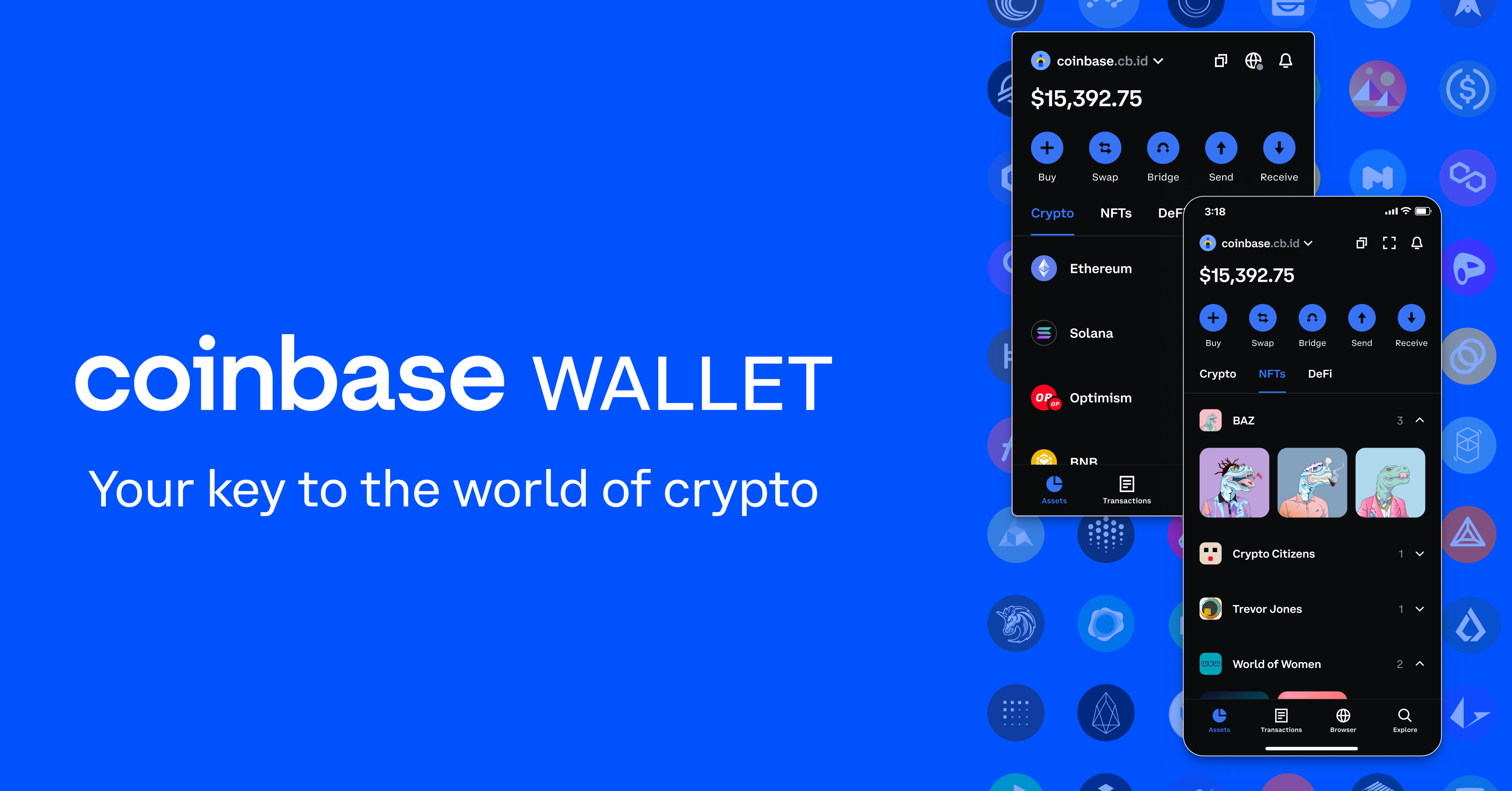
Conclusion
A Coinbase Wallet is a powerful and versatile tool for anyone looking to actively engage with the world of cryptocurrency. By providing users with direct control over their digital assets through a non-custodial approach, it offers a significant advantage in terms of security and autonomy. Its intuitive interface and extensive features, including support for a wide array of cryptocurrencies, NFTs, and seamless integration with the decentralized web, make it an accessible yet robust solution for both beginners and experienced crypto enthusiasts. While the inherent risks of cryptocurrency usage, such as the importance of private key management and the volatility of digital assets, must be understood and mitigated through careful practices, the Coinbase Wallet empowers users to navigate this evolving landscape with confidence and control.
aViewFromTheCave is a participant in the Amazon Services LLC Associates Program, an affiliate advertising program designed to provide a means for sites to earn advertising fees by advertising and linking to Amazon.com. Amazon, the Amazon logo, AmazonSupply, and the AmazonSupply logo are trademarks of Amazon.com, Inc. or its affiliates. As an Amazon Associate we earn affiliate commissions from qualifying purchases.