
Navigating the used car market can feel like a daunting expedition, a landscape filled with potential treasures and hidden pitfalls. The question of “where to get used cars” is not just about locating a vehicle; it’s about finding a reliable mode of transportation that fits your budget and lifestyle, while minimizing risk. In today’s increasingly digital world, the avenues for acquiring pre-owned automobiles have expanded dramatically, offering consumers a wider array of choices than ever before. This guide delves into the primary channels for sourcing used cars, focusing on the financial implications, the inherent risks and rewards, and the strategies for making a smart purchase.
The Traditional Dealership Route: Pros, Cons, and Financial Considerations
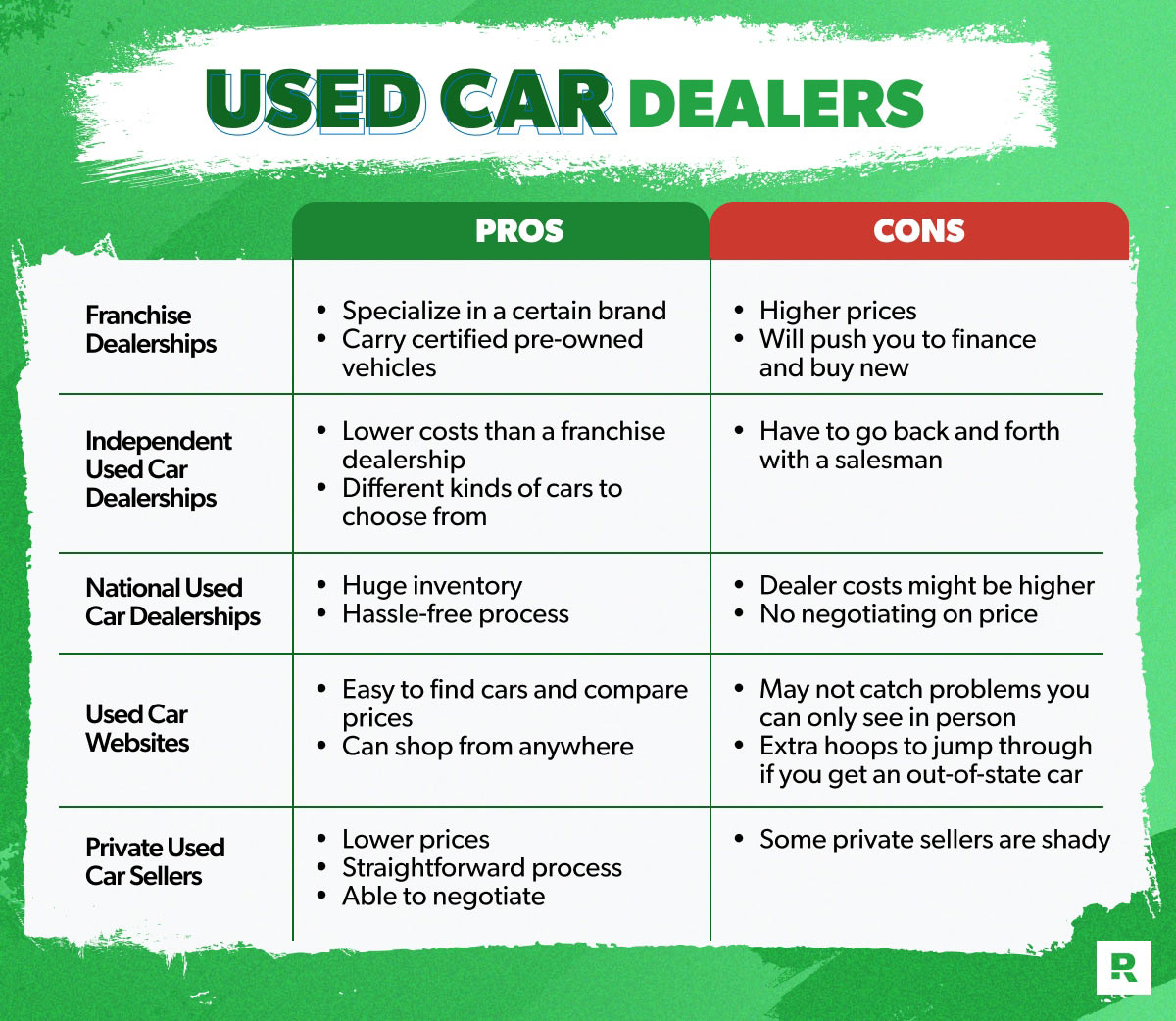
For decades, franchised dealerships (selling new cars of a specific brand) and independent used car lots have been the bedrock of the pre-owned vehicle market. While the internet has introduced new contenders, these established players still hold significant sway. Understanding their strengths and weaknesses is crucial for anyone looking to buy a used car.
Franchised Dealerships: The Established Powerhouse
Franchised dealerships, often associated with major automotive brands like Ford, Toyota, or BMW, offer a selection of both new and used vehicles. Their used inventory typically includes trade-ins from new car purchases, and often features certified pre-owned (CPO) vehicles.
Certified Pre-Owned (CPO) Programs: A Premium Option
CPO vehicles represent a significant segment of the franchised dealership market. These cars undergo rigorous inspections by the manufacturer’s certified technicians and typically come with an extended warranty. While this provides a substantial peace of mind, it also comes at a premium price.
Financial Implications of CPO:
- Higher Purchase Price: Expect to pay a higher price for a CPO vehicle compared to a similar non-CPO used car. This premium is a direct reflection of the reconditioning, inspection, and extended warranty provided.
- Extended Warranty Benefits: The included warranty offers protection against unexpected repair costs for a specified period or mileage. This can be a significant financial advantage, especially for models known for potential costly repairs.
- Financing Options: Dealerships often offer competitive financing rates for CPO vehicles, sometimes even promotional rates from the manufacturer. This can lower the overall cost of ownership through reduced interest payments.
- Reduced Depreciation Risk (Shorter Term): While all cars depreciate, CPO vehicles often have a more stable depreciation curve in the initial years after purchase due to their thorough inspection and warranty, which can appeal to buyers looking to minimize immediate value loss.
Non-CPO Used Inventory at Franchised Dealerships: The Middle Ground
Beyond CPO, franchised dealerships also sell a wide range of non-CPO used cars. These vehicles may be older, have higher mileage, or simply haven’t met the stringent criteria for CPO status.
Financial Implications of Non-CPO:
- More Affordable Entry Point: These vehicles generally represent a more budget-friendly option than CPO cars. The lower price point makes them accessible to a broader range of buyers.
- Negotiating Power: While still a dealership, there can be more room for negotiation on non-CPO vehicles compared to their CPO counterparts. Understanding market values and being prepared to walk away can be advantageous.
- Potential for Higher Repair Costs: Without the extended warranty of a CPO program, buyers of non-CPO vehicles bear a greater financial responsibility for any unforeseen repairs. Thorough pre-purchase inspections are paramount.
- Financing Variability: Financing rates can vary significantly for non-CPO used cars. It’s crucial to shop around for the best loan terms from banks and credit unions, rather than solely relying on dealership financing.
Independent Used Car Lots: Variety and Value
Independent used car dealerships, also known as “buy here, pay here” lots or pre-owned car superstores, specialize exclusively in selling used vehicles. They offer a vast selection, often at competitive price points, and cater to a diverse clientele.
Financial Implications of Independent Lots:
- Price Competitiveness: Generally, independent lots can offer lower prices than franchised dealerships due to lower overhead and a focus on volume sales. This makes them an attractive option for budget-conscious buyers.
- “Buy Here, Pay Here” Financing: Some independent lots offer in-house financing. While this can be a lifeline for buyers with poor credit, the interest rates are typically very high. It’s essential to understand the total cost of the loan, including all interest and fees, before signing.
- Risk of Undisclosed Issues: The quality of vehicles on independent lots can vary widely. Some are well-maintained, while others may have been driven hard or have underlying mechanical issues. Due diligence is absolutely critical.
- Negotiation is Key: Independent dealers often expect negotiation. Researching the car’s market value and being prepared to negotiate firmly can lead to significant savings.
The Digital Revolution: Online Platforms and Their Financial Impact
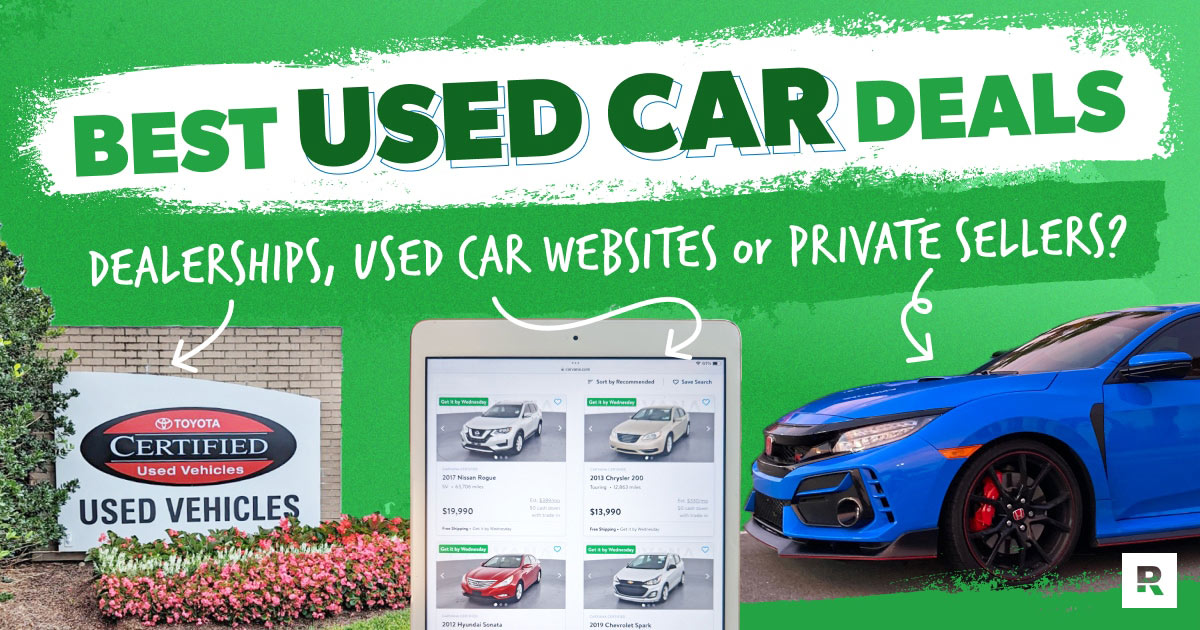
The internet has fundamentally reshaped how we buy and sell cars, offering unprecedented convenience and access to a wider inventory. Online platforms range from large-scale automotive retailers to peer-to-peer marketplaces.
Online Used Car Retailers: Convenience and Fixed Pricing
Companies like Carvana, Vroom, and Shift have emerged as major players, offering a fully online purchasing experience. These platforms often emphasize convenience, transparency, and a no-haggle pricing model.
Financial Implications of Online Retailers:
- Transparent Pricing: The fixed-price model eliminates the stress and potential for haggling. While this means no last-minute discounts, it also means no unpleasant surprises or inflated sticker prices.
- Delivery and Test Drives: Many offer home delivery and a grace period for test drives, allowing you to experience the car in your own environment. This can save time and travel expenses.
- Financing Integration: These platforms often have integrated financing options, simplifying the payment process. However, it’s still advisable to compare their rates with external lenders.
- Potential for Overpriced Vehicles: While convenient, the overhead of these large online operations can sometimes translate to higher prices for consumers compared to private sales. Thoroughly comparing prices with other sources is recommended.
- Inspection and Returns: Most offer detailed inspection reports and a return policy, mitigating some of the risk associated with online purchases.
Peer-to-Peer Marketplaces: Direct Savings and Increased Risk
Websites like Craigslist, Facebook Marketplace, and dedicated car forums facilitate direct sales between private individuals. This can offer the lowest prices but also carries the highest degree of risk.
Financial Implications of Peer-to-Peer:
- Lowest Potential Prices: By cutting out the dealership’s profit margin, private sales often offer the most attractive prices. This is a significant financial incentive for many buyers.
- Direct Negotiation: The entire price is subject to negotiation, allowing for potentially substantial savings if done effectively.
- No Dealer Protections: You are buying “as-is.” There are no warranties, no return policies, and no recourse if a problem arises immediately after the sale. This is the most significant financial risk.
- Hidden Costs: The buyer is responsible for all paperwork, registration, taxes, and ensuring the car is roadworthy. This requires a proactive approach and can incur unexpected costs if not fully understood.
- Scam Potential: The anonymity of online platforms can attract scammers. Buyers must be vigilant and take precautions to avoid fraudulent listings and deals.
The Financial Wisdom of Private Sales: Maximizing Value and Minimizing Risk
Purchasing a used car directly from a private seller can be one of the most financially rewarding ways to acquire a vehicle, provided you approach it with a strategic mindset and a keen eye for detail.
The Art of the Deal: Negotiating Private Sales
The essence of a private sale is the direct negotiation between buyer and seller. Unlike dealerships, there are no set profit margins to adhere to.
Financial Strategies for Private Sales:
- Market Research is Paramount: Before contacting any seller, thoroughly research the fair market value of the specific make, model, year, and mileage of the car you are interested in. Utilize resources like Kelley Blue Book (KBB), Edmunds, and NADA Guides.
- Know Your Budget and Stick to It: Determine your absolute maximum budget and factor in all potential associated costs, including taxes, registration, insurance, and a buffer for immediate repairs.
- Leverage Information: If you identify any flaws or necessary repairs, use this as leverage to negotiate a lower price. Be reasonable and focus on significant issues.
- The Power of Cash: While not always feasible, having cash readily available can sometimes give you a stronger negotiating position, as it represents immediate and guaranteed funds for the seller.
- Be Prepared to Walk Away: This is the ultimate negotiating tool. If the seller isn’t willing to meet a price that aligns with your budget and the car’s value, politely disengage. There will always be other cars.
Diligence and Due Process: Safeguarding Your Investment
The primary financial risk in private sales lies in the “as-is” nature of the transaction. Robust due diligence is your best defense.
Key Steps for Financial Protection:
- Vehicle History Report (VHR): Always obtain a VHR (e.g., CarFax, AutoCheck). While not foolproof, it can reveal major accidents, title issues (salvage, flood, etc.), and odometer discrepancies. The cost of a VHR is a small investment compared to the potential cost of a problematic car.
- Pre-Purchase Inspection (PPI): This is non-negotiable. Before handing over any money, take the car to an independent, trusted mechanic for a thorough inspection. This will uncover mechanical issues, potential future problems, and estimate repair costs. The mechanic’s report provides invaluable financial insight and can justify a price reduction or convince you to walk away.
- Test Drive Thoroughly: Don’t just drive around the block. Drive the car on highways, in city traffic, and on various road surfaces. Listen for unusual noises, check all electronics, and feel for any steering or braking issues.
- Verify Ownership and Title: Ensure the seller has a clear title in their name and that it matches their identification. Be wary of sellers who are hesitant to provide title information or who claim the title is lost.
- Understand Local Laws and Paperwork: Familiarize yourself with your local Department of Motor Vehicles (DMV) requirements for transferring ownership, registering, and paying taxes on a used vehicle. Missing these steps can lead to fines and legal complications.
Emerging Trends and the Future of Used Car Acquisition
The landscape of used car acquisition is continually evolving, driven by technological advancements and changing consumer preferences. Understanding these trends can help you make informed financial decisions.
The Rise of Subscription and Leasing Models
While not strictly “getting” a used car in the traditional ownership sense, car subscription services are gaining traction. These services offer the use of a vehicle for a monthly fee that often includes insurance, maintenance, and roadside assistance.
Financial Implications of Subscriptions:
- Predictable Monthly Costs: Subscriptions offer a fixed monthly payment, making budgeting easier. This contrasts with the variable costs of ownership, which can include unexpected repairs and insurance fluctuations.
- Flexibility and Reduced Long-Term Commitment: For individuals who don’t drive frequently or prefer the option to switch vehicles periodically, subscriptions offer flexibility without the long-term commitment of a loan or lease.
- Potentially Higher Overall Cost: Over an extended period, subscription services can be more expensive than outright purchasing or traditional leasing. The value proposition is more about convenience and flexibility than cost savings.
- No Equity Building: Unlike ownership, subscriptions do not build equity. You are essentially paying for the use of the vehicle.
Data Analytics and AI in Pricing and Evaluation
The use of big data and artificial intelligence (AI) is increasingly influencing how used cars are priced and evaluated across all platforms.
Financial Impact of Data and AI:
- More Accurate Pricing: AI algorithms can analyze vast datasets of sales, condition, mileage, and demand to provide more precise valuations. This can lead to fairer pricing for both buyers and sellers, reducing the advantage of information asymmetry.
- Predictive Maintenance Insights: AI can help identify vehicles with a higher probability of future mechanical issues based on their history and components. This can inform buyers about potential future repair costs and guide them towards more reliable options.
- Personalized Recommendations: Online platforms are using AI to recommend vehicles that best fit a buyer’s budget, lifestyle, and preferences, potentially saving time and reducing the chances of a misaligned purchase.
- Market Transparency: As AI becomes more prevalent, it can contribute to greater transparency in the used car market, making it harder for sellers to overprice vehicles or hide significant flaws.
In conclusion, whether you opt for the structured assurances of a franchised dealership, the diverse offerings of an independent lot, the digital convenience of an online retailer, or the direct value of a private sale, a thorough understanding of the financial implications is paramount. By conducting diligent research, prioritizing pre-purchase inspections, and approaching negotiations with a clear financial strategy, you can confidently navigate the used car market and secure a reliable vehicle that aligns with your budget and your needs.
aViewFromTheCave is a participant in the Amazon Services LLC Associates Program, an affiliate advertising program designed to provide a means for sites to earn advertising fees by advertising and linking to Amazon.com. Amazon, the Amazon logo, AmazonSupply, and the AmazonSupply logo are trademarks of Amazon.com, Inc. or its affiliates. As an Amazon Associate we earn affiliate commissions from qualifying purchases.