
Navigating the world of car insurance can feel like a labyrinth, especially when your primary goal is to find the most affordable option without sacrificing essential coverage. The quest for the cheapest car insurance isn’t a one-size-fits-all endeavor. It’s a dynamic interplay of personal circumstances, driving habits, vehicle specifics, and the intricate pricing models employed by various insurance providers. This article delves into the core factors that influence car insurance costs and outlines strategies to uncover the most budget-friendly policies available to you. Understanding these elements is the first step towards making informed decisions that protect your finances and your vehicle.
Understanding the Pillars of Car Insurance Pricing
Car insurance premiums are not arbitrarily set. Instead, they are meticulously calculated based on a multitude of risk factors that insurers use to assess the likelihood of you filing a claim. While the desire for the cheapest policy is understandable, it’s crucial to recognize that the lowest price might come with compromises. A deep understanding of these pricing pillars allows you to identify where you might be overpaying and where you can strategically optimize your coverage.
The Role of Personal Demographics and Driving History
Your personal characteristics and past driving behavior are fundamental to how insurance companies assess risk. These are often the most significant determinants of your premium.
Age and Gender
Statistically, younger drivers, particularly those under 25, tend to pay higher premiums due to a higher incidence of accidents. As drivers gain experience and mature, their rates generally decrease. Similarly, historical data has shown gender to be a factor, with younger male drivers often facing higher premiums than their female counterparts. However, this disparity is lessening in many regions due to evolving actuarial data and regulations.
Location and ZIP Code
The ZIP code in which you reside plays a surprisingly large role in your insurance costs. Areas with higher rates of theft, vandalism, or frequent accidents typically command higher premiums. Urban environments often see higher rates than rural areas due to increased traffic density and a greater chance of collisions. Insurers analyze local data to predict the risk associated with insuring vehicles in specific geographic locations.
Driving Record and Claims History
This is arguably one of the most impactful factors. A clean driving record, free from accidents, tickets, and DUIs, is your golden ticket to lower insurance rates. Conversely, a history of violations or at-fault accidents will significantly increase your premiums. Insurers view a checkered past as an indicator of higher future risk. The number of years you’ve been driving without incident directly correlates with how much trust insurers place in your ability to drive safely.
Marital Status
Married individuals often receive lower insurance rates than single individuals. Insurers have observed that married drivers tend to be more responsible and less prone to taking risks, which translates into fewer claims. This statistical observation, while perhaps controversial, is a recognized factor in many underwriting processes.
Vehicle Specifics and Coverage Choices
Beyond your personal profile, the vehicle you drive and the type of coverage you opt for are also critical in determining the final cost of your insurance policy.
Vehicle Type, Age, and Safety Features
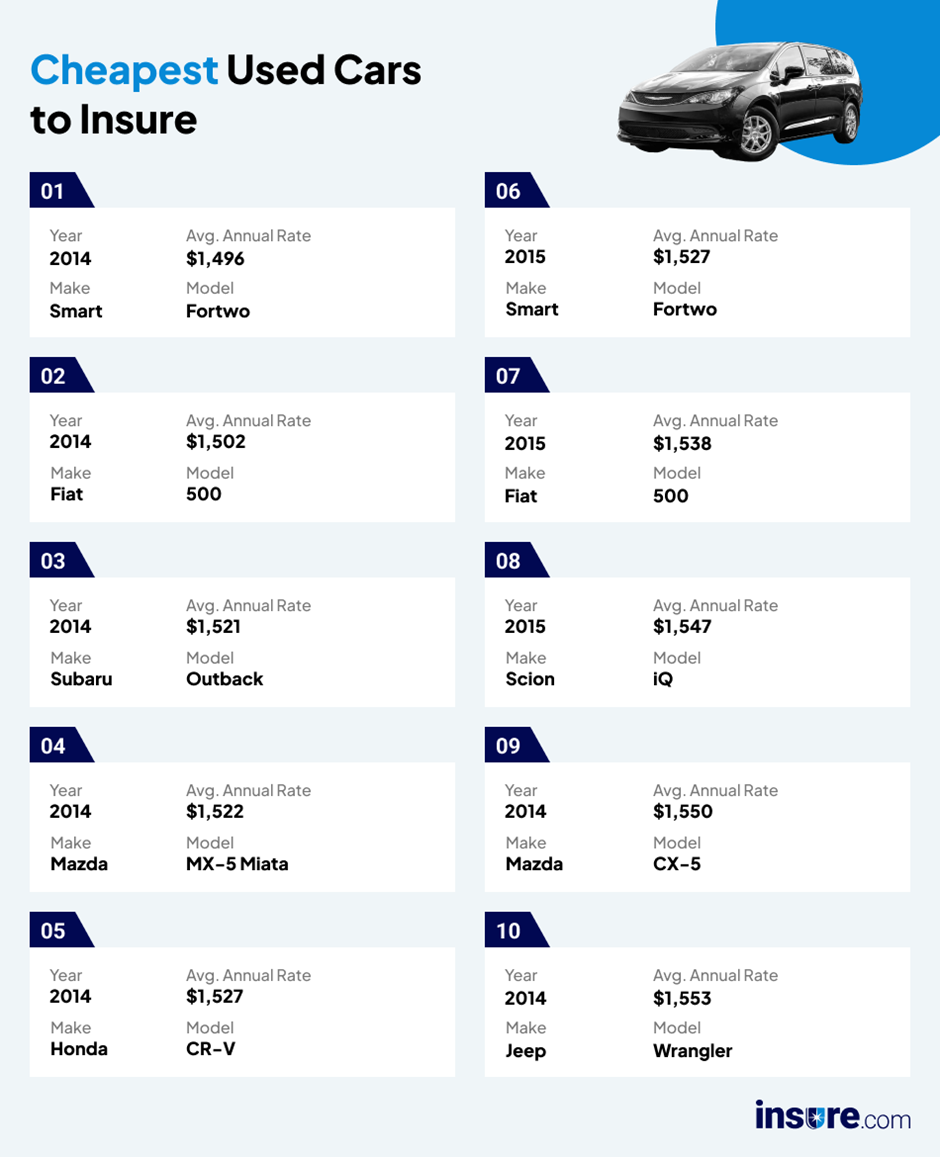
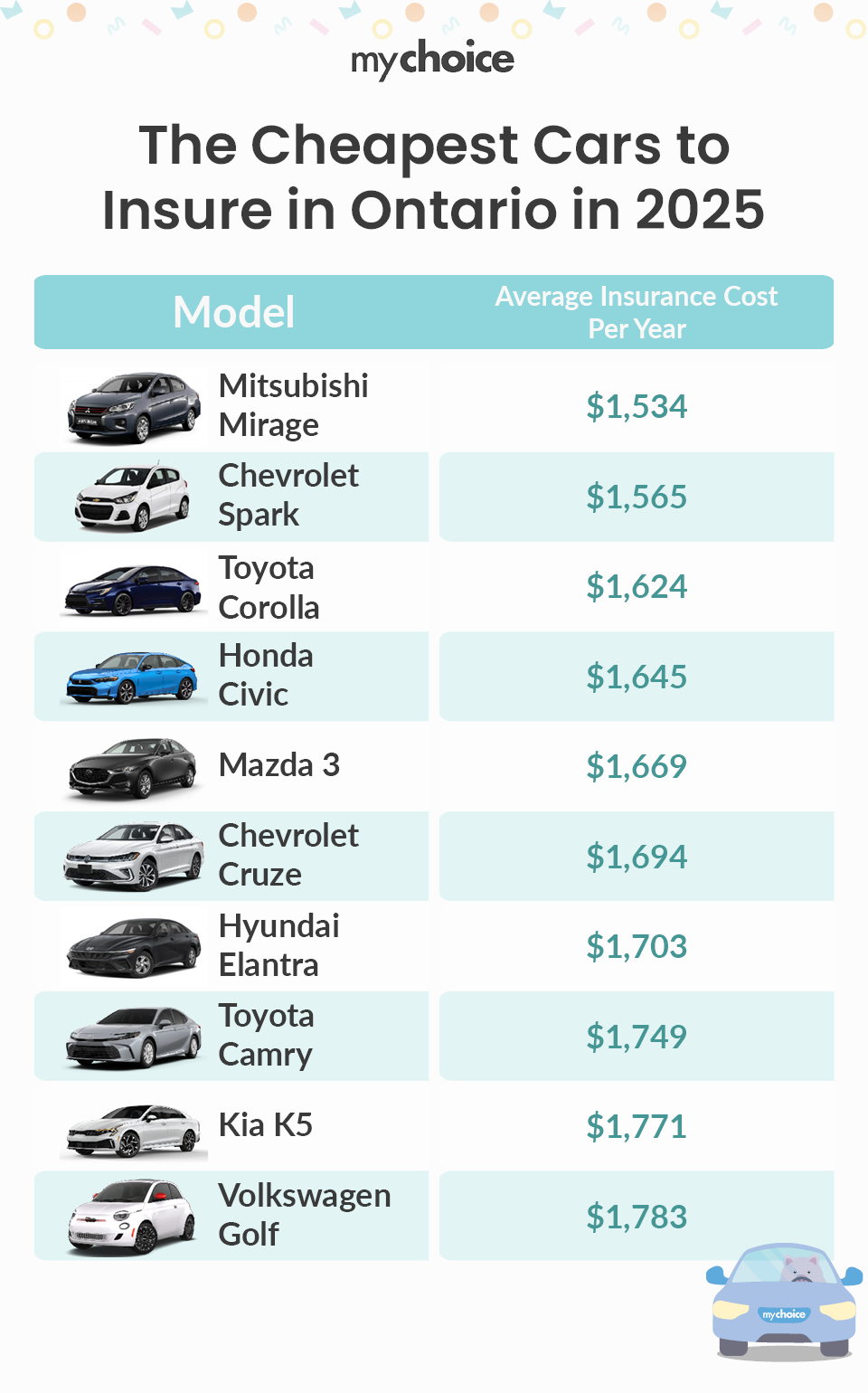
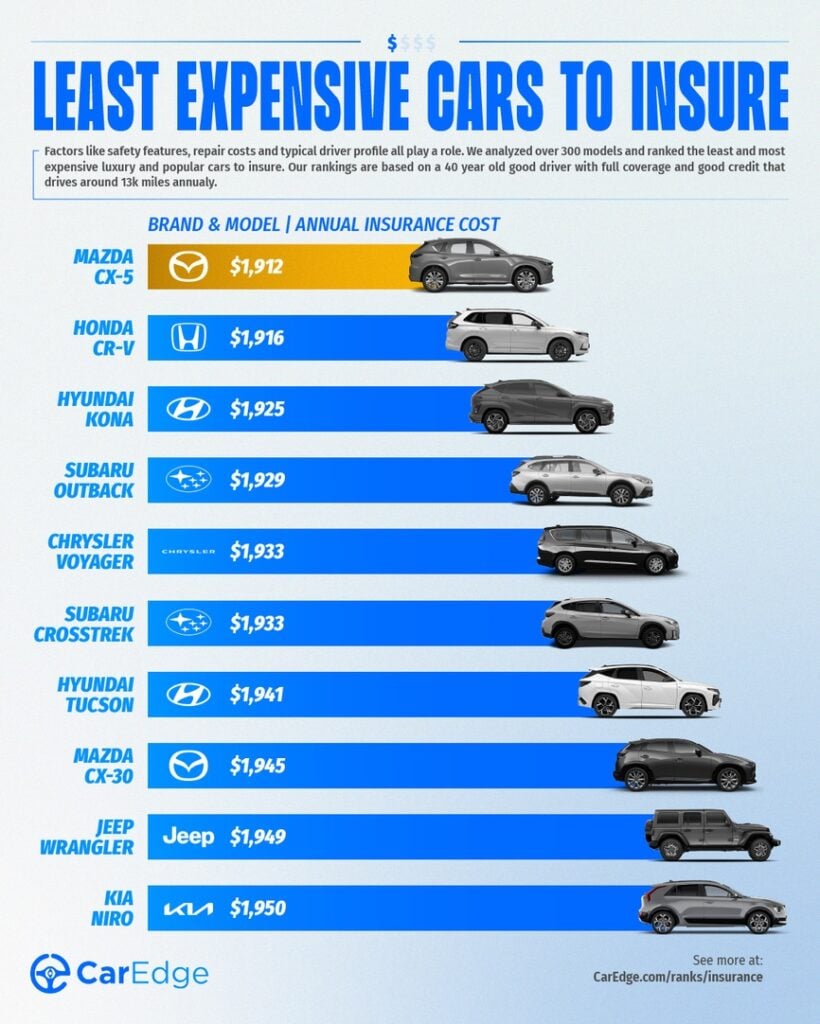
The make, model, year, and even the trim level of your car significantly influence its insurance cost. More expensive cars to repair or replace, or those with a history of being stolen, will naturally have higher premiums. Conversely, older, less expensive vehicles with strong safety ratings and a lower incidence of theft are typically cheaper to insure. The presence of advanced safety features like anti-lock brakes, airbags, and anti-theft systems can sometimes lead to discounts, as they can reduce the likelihood or severity of an accident or theft.
Annual Mileage and Commuting Habits
How much you drive directly impacts your risk exposure. Drivers who commute long distances or rack up high annual mileage are more likely to be involved in an accident than those who drive infrequently or only for leisure. Many insurers offer discounts for low-mileage drivers, recognizing their reduced exposure to risk on the road. Some policies may even offer pay-per-mile options, where your premium is calculated based on the actual miles driven.
Coverage Levels and Deductibles
The amount of coverage you choose is a direct driver of your premium. Liability coverage (which pays for damage you cause to others) is mandatory in most states, but the limits you select will affect the price. Comprehensive and collision coverage (which protect your own vehicle) are optional for older vehicles but are typically required by lenders if you have a car loan or lease. Choosing higher deductibles (the amount you pay out-of-pocket before insurance kicks in) will generally lower your premium, but it means you’ll be responsible for a larger sum if you need to file a claim.
Strategies for Uncovering the Cheapest Car Insurance
Finding the cheapest car insurance requires an active and informed approach. It’s not just about picking the lowest sticker price; it’s about ensuring you get the most value and appropriate coverage for your needs at the best possible rate.
The Power of Comparison Shopping and Bundling
In the competitive insurance market, the “cheapest” policy can vary significantly from one provider to the next. Proactive comparison shopping is your most powerful tool.
Obtaining Multiple Quotes
Never settle for the first quote you receive. Dedicate time to obtaining quotes from at least three to five different insurance companies. This includes large national carriers, smaller regional insurers, and online-only providers. Each company has its own algorithms and pricing structures, and you might be surprised by the discrepancies. Utilize online comparison tools, but also consider contacting agents directly, as they can sometimes uncover discounts or policy options not readily available online.
Exploring Discounts and Loyalty Programs
Insurance companies offer a wide array of discounts that can significantly reduce your premium. These can include:
- Safe Driver Discounts: For maintaining a clean driving record.
- Good Student Discounts: For young drivers with high academic achievement.
- Defensive Driving Course Discounts: For completing an approved safety course.
- Low Mileage Discounts: For drivers who don’t drive often.
- Anti-Theft Device Discounts: For vehicles equipped with anti-theft systems.
- Newer Vehicle Discounts: For insuring newer cars with advanced safety features.
Don’t hesitate to ask your insurance agent or representative about every possible discount you might be eligible for. Loyalty can also be rewarded; some insurers offer discounts to long-term customers.
Bundling Policies for Savings
Many insurance providers offer significant discounts when you bundle multiple insurance policies with them. The most common scenario is bundling your auto insurance with your homeowners or renters insurance. If you have multiple vehicles, insuring them all with the same company can also lead to a multi-car discount. This not only simplifies your insurance management but can also lead to substantial cost savings.
Adjusting Coverage and Deductibles Wisely
Making strategic adjustments to your policy’s coverage and deductible levels can unlock considerable savings without necessarily compromising essential protection.
Evaluating Your Coverage Needs
Before committing to a policy, honestly assess your coverage needs. If you drive an older car that’s not worth much, paying for comprehensive and collision coverage might be more expensive than the car itself. In such cases, dropping these coverages and opting for liability-only might be a financially sound decision. Conversely, if you have a newer, financed vehicle, comprehensive and collision coverage are likely essential. Also, consider the liability limits. While higher limits offer better protection, they also increase the premium. Strike a balance that provides adequate protection without being excessively costly.
The Trade-off of Higher Deductibles
As mentioned earlier, increasing your deductible is a direct way to lower your monthly or annual premium. If you have a healthy emergency fund and are confident in your ability to handle a larger out-of-pocket expense in the event of a claim, raising your deductible can be a smart move. For instance, increasing your deductible from $500 to $1,000 could result in a noticeable reduction in your premium. However, ensure that the deductible amount is something you can comfortably afford to pay if the need arises. It’s a risk-reward calculation.
Considering Usage-Based Insurance (UBI) Programs
Usage-based insurance, often referred to as telematics, uses a device or mobile app to track your driving habits. This data is then used to personalize your premium. If you’re a safe, low-mileage driver, these programs can offer significant discounts. Features tracked often include:
- Mileage: How much you drive.
- Driving Times: Whether you drive during peak hours or late at night.
- Speeding: How often you exceed speed limits.
- Hard Braking and Acceleration: How aggressively you drive.
If your driving profile aligns with safer habits, UBI programs can be an excellent way to secure cheaper car insurance. However, if you have a less-than-ideal driving style, these programs could potentially lead to higher premiums. It’s essential to understand how the program works and what data is being collected before opting in.
The Cheapest Car Insurance is Personalized
Ultimately, the cheapest car insurance isn’t a universal answer; it’s a personalized outcome. What is the cheapest for one driver may not be for another. It’s a reflection of your individual risk profile, your driving habits, the vehicle you own, and the choices you make about your coverage. By arming yourself with knowledge about how car insurance is priced and by actively employing smart shopping and policy adjustment strategies, you can navigate the complex landscape of auto insurance and secure the most affordable coverage that meets your needs and protects your financial well-being. The key is to be an informed consumer, continuously reassess your options, and never assume that your current policy is the best one available to you.
aViewFromTheCave is a participant in the Amazon Services LLC Associates Program, an affiliate advertising program designed to provide a means for sites to earn advertising fees by advertising and linking to Amazon.com. Amazon, the Amazon logo, AmazonSupply, and the AmazonSupply logo are trademarks of Amazon.com, Inc. or its affiliates. As an Amazon Associate we earn affiliate commissions from qualifying purchases.