
Navigating the landscape of car insurance can often feel like a labyrinth, with countless providers, policy options, and pricing structures designed to entice consumers. The quest for the “cheapest” insurance is a common one, driven by the desire to minimize expenses without compromising on essential coverage. However, the reality is that “cheapest” is a fluid concept, highly dependent on individual circumstances. There isn’t a single insurer that universally offers the lowest rates for everyone. Instead, a complex interplay of personal factors, driving history, vehicle type, location, and coverage choices dictates who will find the most affordable premiums. This article delves into the intricacies of car insurance pricing, exploring the key determinants of cost and providing actionable insights for consumers seeking to secure the most budget-friendly options available.
Understanding the Factors That Influence Car Insurance Premiums
The price you pay for car insurance is not an arbitrary figure. It’s a carefully calculated risk assessment made by insurance companies. Numerous variables contribute to this calculation, and understanding them is the first step towards finding cheaper coverage.
Demographics and Personal Profile
Your personal characteristics play a significant role in how insurance companies perceive your risk. Insurers analyze data to identify patterns, and certain demographics are statistically associated with higher or lower accident rates.
Age and Gender
Historically, younger drivers, particularly males under 25, have faced higher premiums due to a statistically higher incidence of accidents and traffic violations. Conversely, as drivers mature and gain experience, premiums tend to decrease. While gender-based pricing is becoming less common in some regions due to regulatory changes, it has traditionally been a factor. Experience, safe driving, and a consistent insurance record are key to seeing your rates fall as you age.
Driving Record and History
This is arguably one of the most critical factors. A clean driving record, free from accidents, speeding tickets, and other violations, will significantly lower your premiums. Insurers view drivers with a history of infractions as higher risk. The severity and recency of these violations also matter. A minor speeding ticket from five years ago will likely have less impact than a recent at-fault accident. Some insurers may offer discounts for good students, recognizing a correlation between academic achievement and responsible behavior.
Location
Where you live has a substantial impact on your insurance costs. Urban areas often have higher premiums due to increased traffic density, higher rates of theft, and a greater likelihood of accidents. Factors like crime rates, the number of uninsured drivers in the area, and local accident statistics all contribute to the overall risk profile of a particular ZIP code. Rural areas, with less traffic and lower crime rates, generally benefit from lower insurance premiums.
Vehicle Characteristics
The car you drive is another major determinant of your insurance costs. Insurers consider several aspects of your vehicle when calculating premiums.
Make, Model, and Year
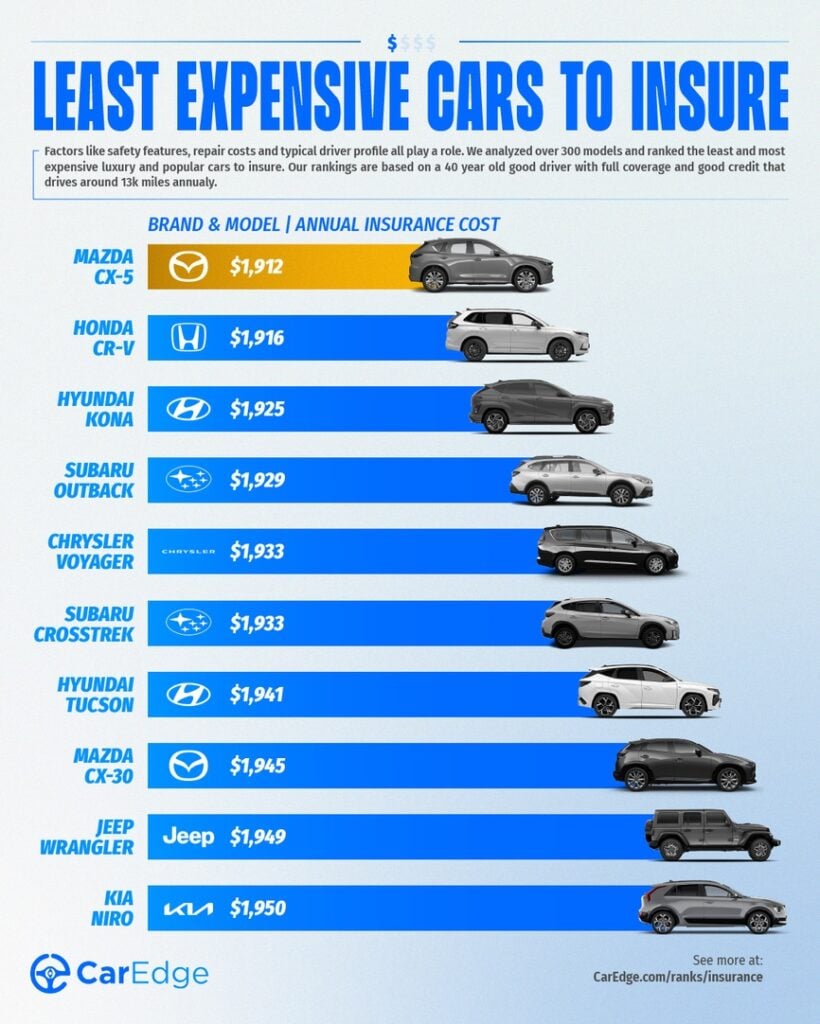
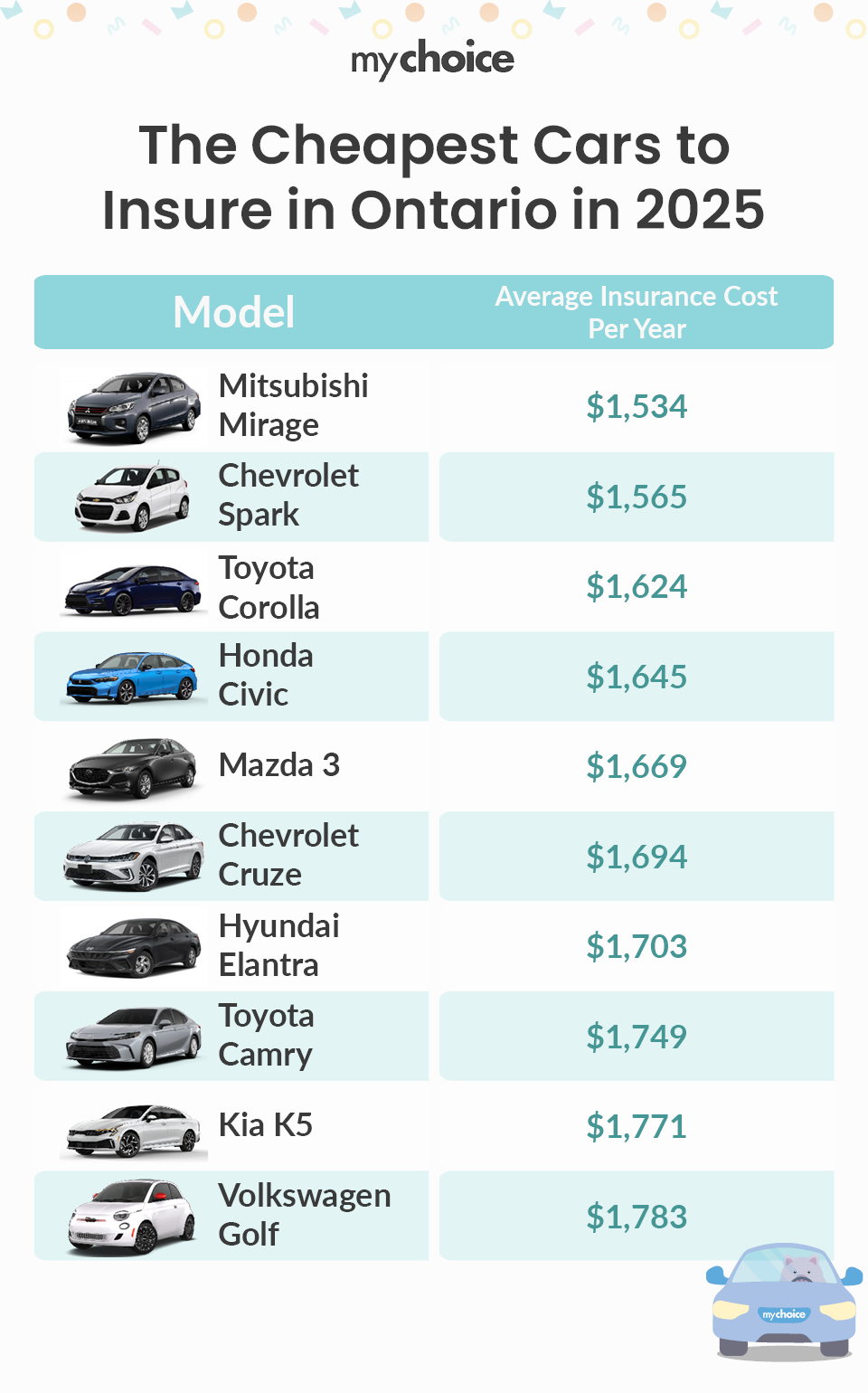
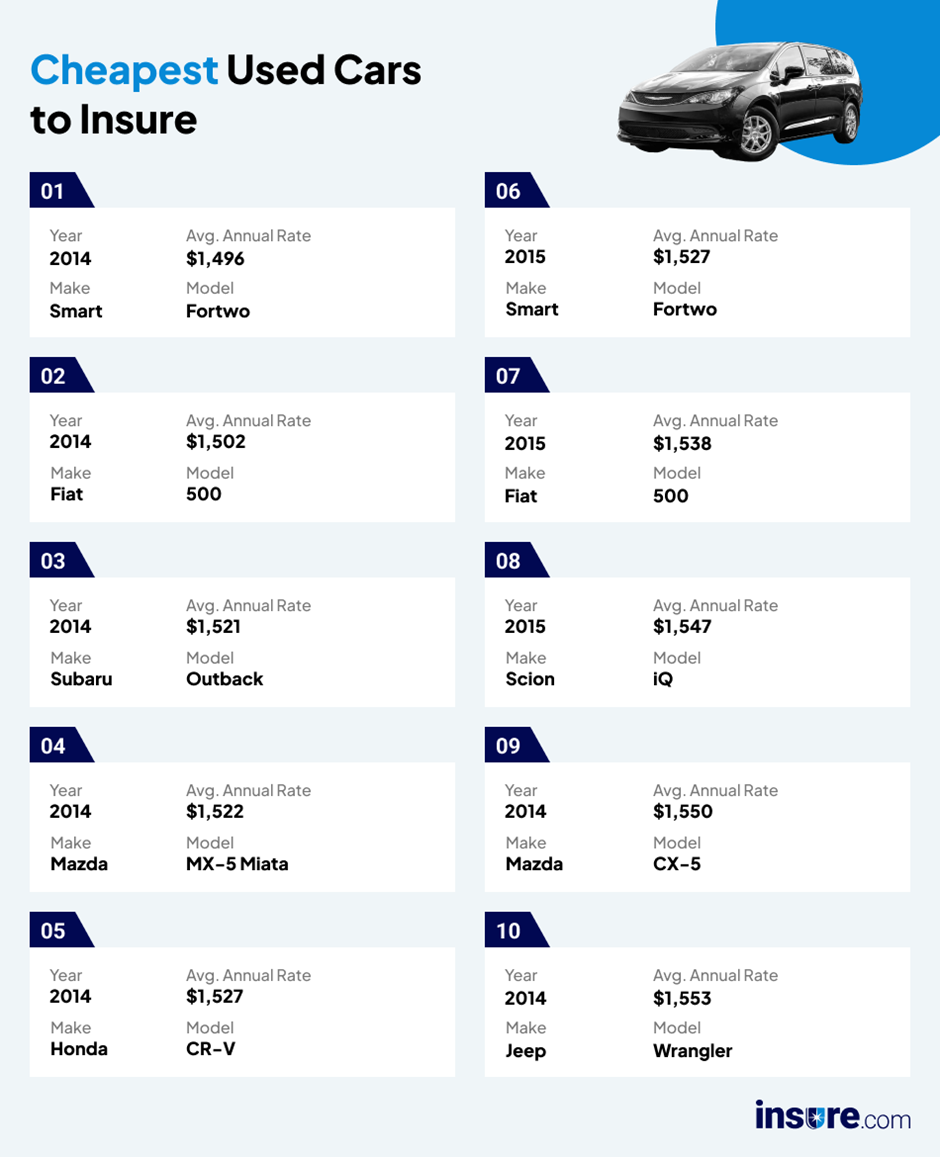
Sports cars, luxury vehicles, and cars with high theft rates are typically more expensive to insure. This is due to factors like higher repair costs, the cost of replacement parts, and the potential for higher payouts in the event of a theft or a total loss. Older, less powerful, and more common vehicles often have lower insurance costs. The safety features of a vehicle also play a role; cars with advanced safety technology might even qualify for discounts.
Safety Features and Anti-Theft Devices
Vehicles equipped with advanced safety features such as airbags, anti-lock brakes (ABS), electronic stability control (ESC), and automatic emergency braking (AEB) can lead to lower premiums. These features are designed to prevent accidents or mitigate their severity, thereby reducing the likelihood of an insurance claim. Similarly, the presence of anti-theft devices like alarms, immobilizers, and tracking systems can deter thieves and may also result in a discount.
Vehicle Value and Repair Costs
The actual cash value (ACV) of your car, meaning what it’s worth today, directly influences collision and comprehensive coverage costs. A more expensive car will cost more to repair or replace, leading to higher premiums for these coverages. The availability and cost of repair parts are also factored in. If your car is difficult or expensive to repair, your insurance will reflect that.
Coverage Choices and Policy Details
The type and extent of coverage you select are fundamental to your premium. Making informed choices here can lead to significant savings.
Types of Coverage (Liability, Collision, Comprehensive, etc.)
- Liability Coverage: This covers damages you cause to others in an accident. It includes bodily injury liability and property damage liability. While legally required in most states, the minimum limits can vary, and opting for higher limits will increase your premium but offer greater financial protection.
- Collision Coverage: This covers damage to your own vehicle resulting from an accident, regardless of who is at fault. It’s generally optional unless you have a car loan or lease.
- Comprehensive Coverage: This covers damage to your vehicle from non-collision events such as theft, vandalism, fire, natural disasters, and falling objects. Like collision coverage, it’s often optional.
- Uninsured/Underinsured Motorist Coverage (UM/UIM): This protects you if you’re involved in an accident with a driver who has no insurance or insufficient insurance.
- Personal Injury Protection (PIP) or Medical Payments Coverage: This helps pay for medical expenses for you and your passengers, regardless of fault.
Deductibles
The deductible is the amount you pay out-of-pocket before your insurance company starts to pay for a covered claim. Choosing a higher deductible (e.g., $1,000 instead of $500) will generally lower your premium. However, you must be certain you can afford to pay that deductible amount if you need to file a claim.
Policy Limits
The maximum amount your insurance company will pay for a covered loss is determined by your policy limits. Higher limits offer more protection but come with higher premiums. It’s a balance between being adequately covered and managing costs.
Discounts
Insurance companies offer a variety of discounts to reward safe and responsible behavior, or for purchasing multiple policies. Common discounts include:
- Multi-Policy Discount: Bundling your auto insurance with homeowners or renters insurance from the same provider.
- Multi-Car Discount: Insuring multiple vehicles with the same company.
- Good Driver Discount: For maintaining a clean driving record.
- Defensive Driving Course Discount: Completing an approved defensive driving course.
- Low Mileage Discount: For drivers who drive fewer miles annually.
- Good Student Discount: For high school or college students with good grades.
- New Vehicle Discount: For newer cars with advanced safety features.
- Paperless Billing/Automatic Payment Discount: For opting for electronic billing and automatic payments.
Strategies for Finding the Cheapest Car Insurance
Knowing what drives up costs is one thing; actively reducing them is another. Implementing a few key strategies can lead to substantial savings on your car insurance premiums.
The Power of Comparison Shopping
This is the single most effective way to find the cheapest car insurance. Insurance companies have different pricing models and target customer bases, meaning rates can vary significantly for the exact same coverage.
Obtaining Multiple Quotes
Don’t settle for the first quote you receive. Dedicate time to obtaining quotes from at least three to five different insurance providers. This includes national carriers, regional insurers, and even online-only companies. The process can be done online, over the phone, or through an insurance agent. Be sure to get quotes for identical coverage levels and deductibles to ensure you’re comparing apples to apples.
Utilizing Online Comparison Tools
Many websites and apps specialize in aggregating car insurance quotes from various providers. These tools can streamline the comparison process, allowing you to input your information once and receive multiple quotes simultaneously. While convenient, it’s still advisable to cross-reference these automated quotes with direct quotes from insurers that might not be listed on every platform.
Working with an Independent Insurance Agent
An independent insurance agent works with multiple insurance companies and can act as your advocate. They can assess your needs, understand your budget, and then shop around on your behalf to find the best rates from different insurers. They can also help you navigate complex policy options and ensure you’re getting the right coverage for your situation.
Adjusting Your Coverage and Deductibles
Sometimes, the cheapest option involves re-evaluating your current insurance policy and making strategic adjustments.
Reviewing Coverage Needs Regularly
As your life circumstances change, so do your insurance needs. If your car is older and has depreciated significantly, you might consider dropping collision and comprehensive coverage. The cost of these coverages might outweigh the potential payout if the car were to be declared a total loss. Conversely, if you have a new or valuable car, maintaining robust coverage is crucial. Review your policy annually, especially before renewal, to ensure it still aligns with your needs and budget.
Increasing Your Deductible
As mentioned earlier, increasing your deductible is a direct way to lower your premium. However, this strategy is only financially sound if you have the emergency funds to cover the higher out-of-pocket expense in the event of a claim. A higher deductible means lower monthly or annual payments, but it shifts more of the financial risk to you.
Considering Usage-Based Insurance (UBI) Programs
Many insurance companies now offer telematics or UBI programs, often referred to as “pay-as-you-drive” or “pay-how-you-drive” insurance. These programs use a device plugged into your car or a smartphone app to track your driving habits, such as mileage, speed, braking patterns, and time of day you drive. Drivers who exhibit safe driving behaviors can earn significant discounts. If you are a low-mileage driver or have very safe habits, these programs can be an excellent way to reduce your premiums.
Maintaining a Good Driving Record and Credit Score
Your actions and financial habits directly impact your insurance rates. Proactive management in these areas can lead to long-term savings.
The Importance of a Clean Driving Record
The most impactful way to ensure cheap car insurance is to avoid accidents and traffic violations. Drive defensively, obey speed limits, and never drive under the influence. Even minor infractions can lead to increased premiums for several years. If you do receive a ticket, consider taking a defensive driving course as many insurers offer discounts for completion, and in some cases, it might help reduce the impact on your record.
The Role of Credit Score in Insurance Premiums
In many states, insurance companies use credit-based insurance scores to help determine premiums. Studies have shown a correlation between credit history and the likelihood of filing an insurance claim. Individuals with better credit scores are often seen as lower risk and may qualify for lower rates. While this practice is controversial and not allowed in all states, if it is a factor in your area, focusing on improving your credit score can lead to insurance savings. This involves paying bills on time, reducing debt, and monitoring your credit reports for errors.
Who Offers the Cheapest Car Insurance: A Nuanced Perspective
As established, there isn’t a single insurer that universally offers the lowest prices. However, certain companies are frequently cited for competitive pricing, particularly for specific driver profiles. It’s crucial to understand that these are general observations and your individual rate will vary.
Major Insurers Known for Competitive Rates
Some of the largest and most established insurance companies often have the infrastructure and market share to offer competitive pricing. These companies frequently appear in “cheapest” lists, but again, this is not guaranteed for everyone.
- State Farm: Often recognized for its strong customer service and a wide range of discounts.
- Geico: Known for its aggressive online presence and often competitive rates, especially for drivers who prefer to manage their policies digitally.
- Progressive: Offers a variety of innovative tools and discounts, including its Name Your Price tool and the Snapshot program (a telematics program).
- Allstate: A major player with a broad network of agents and a variety of coverage options.
- USAA: While exclusively for military members and their families, USAA consistently ranks high for both customer satisfaction and competitive pricing.
Insurers Catering to Specific Needs or Niches
Beyond the national giants, there are insurers that may offer particularly attractive rates for certain demographics or risk profiles.
New Drivers and High-Risk Drivers
Finding affordable insurance for new or high-risk drivers can be challenging. Companies that specialize in non-standard auto insurance may be more accommodating. These companies often have more flexible underwriting guidelines but may come with higher premiums than standard insurers. However, diligent shopping might reveal more affordable options than initially expected. Some mainstream insurers also have specialized programs for these groups.
Low-Mileage Drivers and Safe Drivers
If you drive infrequently or have a pristine driving record, certain insurers might offer specialized discounts or policies tailored to your situation. Usage-based insurance programs are particularly beneficial here. Some insurers may also offer specific “low mileage” discounts that are more substantial than general discounts.
The Importance of Research and Personalization
Ultimately, the “cheapest” insurance is the one that best fits your specific needs and circumstances. Generic advice can only go so far.
Tailoring Your Search to Your Profile
Your age, driving history, vehicle, and location are the primary drivers of your premium. When researching, pay close attention to how different insurers weigh these factors. For example, one insurer might heavily penalize a past speeding ticket, while another might be more lenient.
Leveraging Discounts You Qualify For
Don’t overlook any potential discounts. Bundling policies, completing defensive driving courses, or having anti-theft devices installed can all contribute to savings. Make sure to inquire about every possible discount available from each insurer.
Making the Final Decision and Ongoing Management
Once you’ve gathered quotes and identified potential savings, the final steps involve making an informed decision and continuing to manage your insurance costs over time.
Evaluating Quotes Beyond Just Price
While price is a significant factor, it shouldn’t be the only one. Consider the insurer’s reputation for customer service, claims handling, and financial stability. A cheap policy is of little value if the company is difficult to deal with when you need to file a claim.
Customer Service and Claims Satisfaction
Research customer reviews and third-party ratings for insurers you are considering. Websites like J.D. Power, Consumer Reports, and the Better Business Bureau (BBB) can provide valuable insights into customer satisfaction with claims handling and overall service. A lower premium from a company with a poor claims record can lead to significant frustration and financial headaches down the line.
Financial Strength and Reputation
Ensure the insurance company is financially sound. This is typically indicated by ratings from agencies like A.M. Best, Moody’s, or Standard & Poor’s. A financially stable insurer is more likely to be able to pay out claims, especially large ones.
Continuous Monitoring and Policy Adjustments
Car insurance is not a set-it-and-forget-it expense. Regular review and proactive adjustments can lead to ongoing savings.
Annual Policy Reviews and Renewals
Before your policy renews each year, make it a habit to shop around again. Your circumstances may have changed, and new discounts or better rates might be available from other providers. Even a small saving on an annual premium can add up significantly over time.
Staying Updated on Market Changes and New Offerings
The insurance market is dynamic. New companies emerge, and existing ones introduce new products or pricing strategies. Staying informed about these changes can help you identify opportunities for further savings. This might involve keeping an eye on industry news or periodically revisiting comparison websites.
In conclusion, finding the cheapest car insurance is an ongoing process that requires diligence, research, and a willingness to adapt. By understanding the factors that influence premiums, employing effective shopping strategies, and actively managing your policy, you can significantly reduce your car insurance costs without sacrificing essential protection. The key lies in personalization – recognizing that the “cheapest” policy is the one that offers the best value for your unique situation.
aViewFromTheCave is a participant in the Amazon Services LLC Associates Program, an affiliate advertising program designed to provide a means for sites to earn advertising fees by advertising and linking to Amazon.com. Amazon, the Amazon logo, AmazonSupply, and the AmazonSupply logo are trademarks of Amazon.com, Inc. or its affiliates. As an Amazon Associate we earn affiliate commissions from qualifying purchases.