
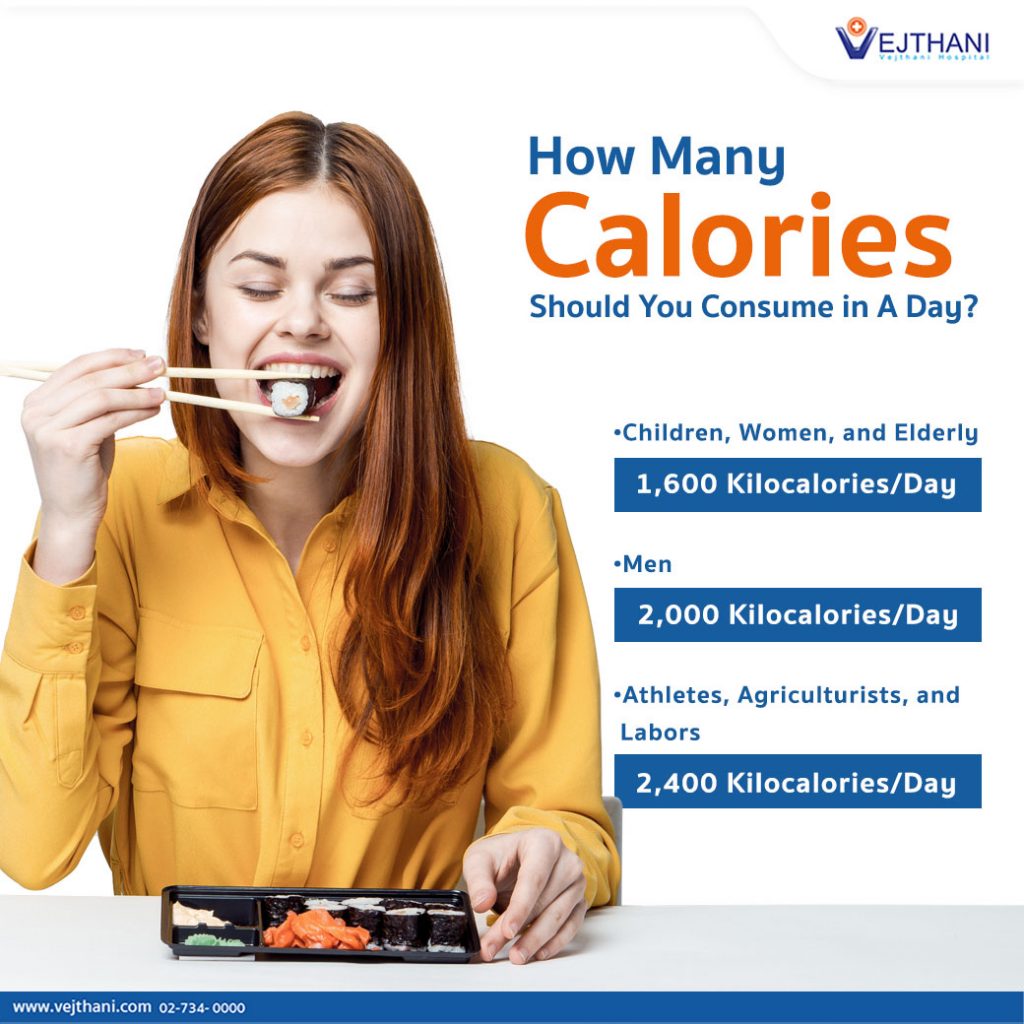
The question of “how many calories should I eat” is a perennial one, deeply intertwined with our pursuit of health, fitness, and well-being. In the 21st century, this seemingly simple query has become increasingly complex, largely due to the ubiquitous influence of technology. From sophisticated fitness trackers to AI-powered nutrition apps, the digital realm offers a vast and often overwhelming array of tools and information that promise to answer this fundamental question. This article delves into the technological advancements and digital strategies that have revolutionized how we approach calorie intake, exploring the tools, methodologies, and insights available to help individuals make informed decisions about their nutritional needs.
The Evolving Role of Technology in Calorie Management
Gone are the days when calorie counting involved tedious manual calculations or reliance on static food databases. Technology has transformed calorie management into a dynamic, personalized, and data-driven process. This evolution has empowered individuals with unprecedented access to information and sophisticated tools, making the pursuit of optimal calorie intake more achievable than ever before.
Fitness Trackers: More Than Just Steps
Wearable fitness trackers, such as smartwatches and dedicated fitness bands, have become commonplace. While initially lauded for their ability to count steps and monitor heart rate, their capabilities have expanded significantly to include estimations of calorie expenditure. These devices use a combination of sensors, including accelerometers, gyroscopes, and optical heart rate monitors, to assess the intensity and duration of physical activity. By factoring in an individual’s basal metabolic rate (BMR), determined through personal data like age, gender, weight, and height, these trackers can provide a reasonably accurate, albeit estimated, daily calorie burn.
Algorithms and Personalization
The accuracy of calorie expenditure estimations by fitness trackers relies heavily on sophisticated algorithms. These algorithms are constantly being refined through machine learning and vast datasets, allowing them to better interpret the nuances of different activities. For instance, a tracker can differentiate between a brisk walk, a jog, and a more intense workout, assigning different calorie expenditure values accordingly. Furthermore, many trackers offer personalization features, allowing users to input specific workout details, such as weightlifting sets or cycling distances, to further refine the calorie burn calculation. This continuous feedback loop, where the device learns from user input and activity patterns, contributes to a more personalized approach to understanding energy expenditure.
The Data Feedback Loop and Motivation
The continuous data stream generated by fitness trackers provides valuable insights into daily activity levels and, consequently, calorie expenditure. This data can be visualized through accompanying smartphone applications, offering users a clear picture of their progress towards daily goals. Seeing the numbers – steps taken, calories burned, active minutes – can be a powerful motivator, encouraging individuals to be more active and mindful of their energy balance. This digital feedback loop fosters a sense of accountability and provides tangible evidence of effort, which can be crucial for long-term adherence to fitness and dietary goals.
Nutrition Tracking Apps: Digital Diaries of Intake
Complementing the tracking of expenditure, nutrition tracking apps have revolutionized the way individuals monitor their calorie intake. These applications, available on smartphones and other digital devices, allow users to log the food and beverages they consume, often with remarkable ease and detail. The core functionality of these apps revolves around extensive food databases that contain detailed nutritional information, including calorie counts, macronutrient breakdowns (protein, carbohydrates, and fats), and micronutrient profiles for a vast array of foods and branded products.
Barcode Scanning and AI-Powered Recognition
A key innovation in nutrition tracking apps is the integration of barcode scanning technology. By simply scanning the barcode of packaged food items, users can instantly retrieve detailed nutritional information, eliminating the need for manual entry and reducing the potential for errors. This feature dramatically streamlines the logging process, making it more convenient and less time-consuming. Beyond barcode scanning, some advanced apps are incorporating artificial intelligence (AI) for image recognition. Users can potentially snap a picture of their meal, and the AI can identify the components and estimate portion sizes, providing a nutritional breakdown. While this technology is still evolving, it holds immense promise for making food logging even more effortless.
Personalized Meal Plans and Dietary Recommendations
Beyond simple logging, many nutrition apps offer personalized meal planning and dietary recommendations. By analyzing a user’s logged intake, activity data from wearables, and stated goals (e.g., weight loss, muscle gain, maintenance), these apps can generate customized meal plans that align with specific calorie targets and macronutrient ratios. Some platforms even go a step further by providing recipes and shopping lists, making it easier for users to follow their personalized dietary guidance. These AI-driven recommendations can help individuals discover new healthy foods, understand portion control, and make more informed food choices throughout the day.
Leveraging Digital Tools for Calorie Calculation
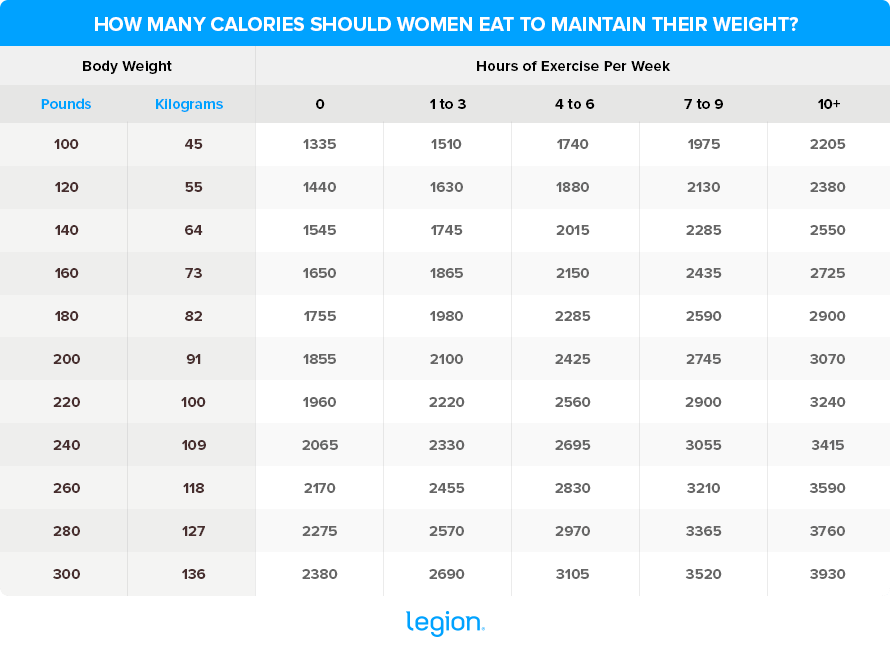
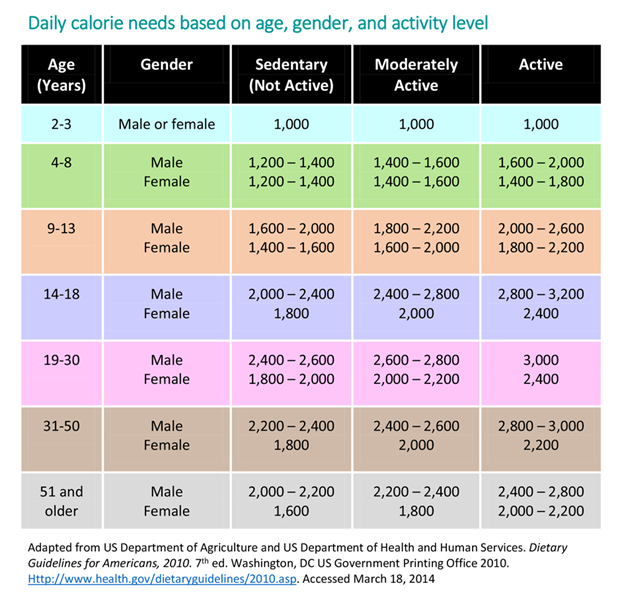
The question of “how many calories should I eat” necessitates a calculation that takes into account an individual’s unique physiological needs and lifestyle. Technology offers sophisticated tools to facilitate this calculation, moving beyond generic advice to provide personalized insights.
Basal Metabolic Rate (BMR) and Total Daily Energy Expenditure (TDEE) Calculators
At the heart of calorie recommendations lies the concept of Basal Metabolic Rate (BMR) – the number of calories your body needs to perform basic life-sustaining functions at rest. BMR is influenced by several factors, including age, gender, weight, and body composition. Online calculators and features within fitness and nutrition apps often utilize established formulas, such as the Harris-Benedict or Mifflin-St Jeor equations, to estimate an individual’s BMR.
Once BMR is established, the next crucial step is calculating Total Daily Energy Expenditure (TDEE). TDEE accounts for BMR plus the calories burned through physical activity. This is where the integration with fitness trackers becomes invaluable. TDEE calculators typically ask users to select an activity level, ranging from sedentary to very active. However, for a more precise TDEE, the data from wearable devices can dynamically adjust this calculation based on actual movement and exercise. Understanding TDEE is fundamental, as it represents the number of calories one needs to consume to maintain their current weight.
Understanding Macronutrient Ratios and Their Impact
While calorie count is paramount, the distribution of calories among macronutrients – protein, carbohydrates, and fats – also plays a significant role in health, satiety, and body composition. Advanced nutrition apps and online tools can help users determine optimal macronutrient ratios based on their goals. For example, individuals aiming for muscle gain might be advised to consume a higher protein intake, while those focused on endurance might prioritize carbohydrates. These tools allow users to set specific macronutrient targets within their overall calorie goals, providing a more nuanced approach to dietary planning.
Setting Calorie Goals for Specific Outcomes
The “how many calories should I eat” question is often framed by a desired outcome, such as weight loss, weight gain, or maintaining current weight. Digital tools are adept at helping users set calorie goals aligned with these objectives. For weight loss, a calorie deficit is required; for weight gain, a calorie surplus. Most apps and calculators will suggest a moderate deficit or surplus (e.g., 500 calories per day) to promote sustainable and healthy changes. The technology allows users to set these targets and then track their progress, making adjustments as needed based on observed results.
AI-Powered Nutritional Analysis and Insights
Artificial intelligence is rapidly transforming the landscape of personalized nutrition. Beyond basic calculations, AI is being leveraged to provide deeper insights into dietary habits and their implications for individual health.
Predictive Analytics for Health Outcomes
AI algorithms can analyze vast datasets of dietary intake, health metrics, and even genetic information (where available and ethically shared) to identify patterns and predict potential health outcomes. For instance, an AI might identify that a particular pattern of food consumption is associated with an increased risk of certain chronic diseases. This predictive capability allows for proactive dietary interventions, empowering individuals to make changes before health issues arise.
Personalized Food Recommendations and Substitutions
AI can also provide highly personalized food recommendations and suggest healthy substitutions for less nutritious choices. Based on a user’s preferences, dietary restrictions (allergies, intolerances, vegan, etc.), and nutritional goals, AI can suggest meals, snacks, and even specific ingredients that are both healthy and appealing. If a user frequently logs a high-sugar snack, an AI might recommend a healthier, lower-sugar alternative that provides similar satisfaction. This intelligent guidance moves beyond generic advice to offer actionable and relevant suggestions.
Navigating the Digital Ecosystem of Calorie Management
The abundance of technological tools for calorie management can be both empowering and overwhelming. Successfully navigating this digital ecosystem requires a strategic approach to data utilization and understanding the limitations of these technologies.
Integrating Wearable Data with Nutrition Tracking
The true power of digital calorie management lies in the seamless integration of data from various sources. Many fitness trackers and nutrition apps are designed to work in conjunction, allowing users to sync their activity data directly into their nutrition logs. This creates a comprehensive picture of an individual’s energy balance – calories consumed versus calories burned. This holistic view is crucial for accurate calorie management and for understanding how different dietary choices impact overall energy expenditure and physiological responses.
The Synergy of Expenditure and Intake Data
When calorie expenditure data from a wearable device is combined with logged calorie intake, users gain a clear understanding of their net calorie balance. This synergy allows for real-time adjustments. If a particularly intense workout resulted in a higher-than-expected calorie burn, a user might feel more comfortable enjoying a slightly larger or more calorie-dense meal. Conversely, a day with low activity can prompt a user to be more mindful of their food choices to avoid an unwanted calorie surplus. This dynamic interplay between expenditure and intake data fosters greater awareness and control.
Visualizing Progress and Identifying Trends
The visual representations of data provided by these integrated systems are incredibly powerful. Charts and graphs illustrating daily, weekly, and monthly calorie trends, macronutrient breakdowns, and activity levels can highlight areas of success and areas needing improvement. Identifying patterns, such as consistently higher calorie intake on weekends or dips in activity during specific weekdays, allows individuals to pinpoint behavioral triggers and develop targeted strategies to address them. This data visualization transforms abstract nutritional concepts into tangible, actionable insights.
Understanding the Nuances and Limitations
While technology offers remarkable tools for calorie management, it’s crucial to acknowledge their limitations and use them as guides rather than absolute decrees.
Accuracy of Calorie Expenditure Estimates
It’s important to remember that calorie expenditure estimates from fitness trackers are just that – estimates. Factors like individual metabolism, hydration levels, and the precise interpretation of movement by sensors can lead to variations. Over-reliance on these numbers without considering subjective feelings of hunger and satiety can be misleading.
The Importance of Food Quality
Nutrition tracking apps often focus on calorie quantity, but the quality of those calories is equally, if not more, important for overall health. A diet of highly processed, calorie-dense foods might meet a calorie target but lack essential micronutrients. Similarly, foods with similar calorie counts can have vastly different impacts on blood sugar levels, energy, and satiety. Users need to supplement the quantitative data with an understanding of nutritional quality.
The Human Element: Intuition and Experience
Technology should augment, not replace, human intuition and experience. Listening to your body’s hunger and fullness cues, understanding how different foods make you feel, and recognizing personal preferences are all vital components of healthy eating. The digital tools are best used as a support system to guide informed decision-making, not as an authoritarian prescription.
Embracing a Data-Driven Approach to Well-being
The modern approach to answering “how many calories should I eat” is undeniably data-driven, thanks to the advancements in technology. By embracing fitness trackers, nutrition apps, and AI-powered analytical tools, individuals can gain a profound understanding of their energy balance, nutritional needs, and how to achieve their health and fitness goals.
Personalized Calorie Targets in the Digital Age
The ultimate aim of these technological advancements is to move beyond one-size-fits-all recommendations and provide truly personalized calorie targets. By continuously collecting and analyzing data on activity, intake, and individual responses, these digital systems can adapt and refine calorie recommendations over time. This dynamic personalization ensures that the advice remains relevant and effective as an individual’s lifestyle, metabolism, and goals evolve.
The Future of Calorie Management: AI and Beyond
The integration of AI in nutrition is still in its nascent stages, with immense potential for further innovation. Future developments may include even more sophisticated predictive modeling, real-time dietary feedback based on biometric data, and even AI-driven meal preparation systems. The ongoing evolution of technology promises to make calorie management more intuitive, effective, and deeply personalized, empowering individuals to make informed decisions about their nutrition and ultimately, their overall well-being. As we continue to harness the power of these digital tools, the question of “how many calories should I eat” becomes less of a guessing game and more of a precisely calculated journey towards a healthier you.
aViewFromTheCave is a participant in the Amazon Services LLC Associates Program, an affiliate advertising program designed to provide a means for sites to earn advertising fees by advertising and linking to Amazon.com. Amazon, the Amazon logo, AmazonSupply, and the AmazonSupply logo are trademarks of Amazon.com, Inc. or its affiliates. As an Amazon Associate we earn affiliate commissions from qualifying purchases.