
The period since 2020 has been marked by significant economic shifts, with inflation emerging as a dominant concern for individuals, businesses, and policymakers alike. Understanding the magnitude and drivers of this inflationary surge is crucial for navigating the current financial landscape and making informed decisions. This article delves into the extent of inflation’s increase since 2020, examining the key contributing factors and their implications.
The Ascent of Inflation: Tracking the Numbers
The primary measure of inflation in many economies is the Consumer Price Index (CPI), which tracks the average change over time in the prices paid by urban consumers for a market basket of consumer goods and services. Since 2020, the CPI has shown a marked and sustained upward trend, indicating a substantial increase in the cost of living.

Cumulative Inflation Since 2020
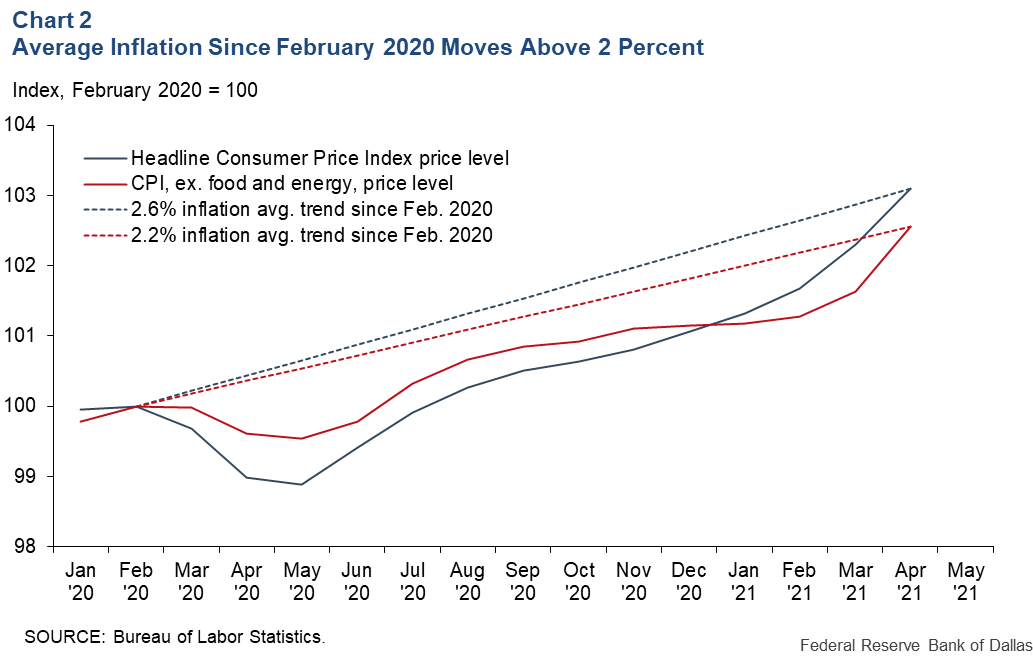
To quantify the increase, we need to look at the cumulative price changes from January 2020 to the most recently available data. While specific figures vary slightly by country and the exact end date of the analysis, the general trend is unmistakable. For instance, in the United States, the CPI experienced a notable acceleration starting in early 2021. By mid-2023, cumulative inflation since January 2020 had reached figures often exceeding 15-20%, meaning that goods and services that cost $100 at the beginning of 2020 now cost significantly more.
This cumulative figure is not a simple year-over-year comparison but represents the total erosion of purchasing power over the period. A 5% increase in 2021 followed by a 7% increase in 2022 does not equate to a 12% total increase; rather, the second increase is applied to the already higher prices from the first year, compounding the effect. Therefore, the combined impact is considerably larger than the sum of individual annual rates.
Key Inflation Metrics and Their Trends
Beyond the headline CPI, several other metrics offer a more nuanced view of inflationary pressures. Core CPI, which excludes volatile food and energy prices, is often scrutinized by economists to gauge underlying inflationary trends. Since 2020, core inflation has also shown a persistent increase, suggesting that price rises are not solely driven by temporary shocks in the energy or food sectors but are more broadly embedded in the economy.
Another important indicator is the Producer Price Index (PPI), which measures the average change over time in the selling prices received by domestic producers for their output. An increase in PPI often foreshadows rising consumer prices, as producers pass on higher input costs to consumers. The PPI has also exhibited significant gains since 2020, confirming the widespread nature of price pressures across various stages of production and distribution.
Drivers of the Post-2020 Inflationary Surge
The sharp increase in inflation since 2020 is not attributable to a single factor but rather a confluence of several potent economic forces, many of which were exacerbated by the global COVID-19 pandemic.
Supply Chain Disruptions and Bottlenecks
The initial shock of the pandemic led to widespread lockdowns and disruptions to global supply chains. Factories closed, transportation networks faltered, and labor shortages emerged. This drastically reduced the availability of goods, from semiconductors to consumer electronics, and raw materials. As demand began to recover, particularly with the easing of restrictions and a shift in consumer spending towards goods, the limited supply could not keep pace. This imbalance between supply and demand created a fertile ground for price increases, as businesses faced higher costs for production and shipping, and consumers competed for scarce goods.
The “just-in-time” inventory models that many businesses relied upon proved vulnerable. When supply lines snapped, the lack of buffer stock meant that shortages quickly materialized, leading to price gouging in some instances and generally higher prices as firms sought to recoup lost production and face increased logistical expenses. Shipping costs, in particular, skyrocketed due to container shortages and port congestion, a significant factor in the rising cost of imported goods.
Unprecedented Fiscal and Monetary Stimulus
In response to the economic fallout from the pandemic, governments and central banks implemented historically large fiscal and monetary stimulus measures. On the fiscal side, governments injected trillions of dollars into economies through direct payments to individuals, enhanced unemployment benefits, and business support programs. This significantly boosted household incomes and aggregate demand.
Simultaneously, central banks, like the U.S. Federal Reserve, slashed interest rates to near-zero levels and engaged in quantitative easing, a process of injecting liquidity into financial markets by purchasing assets. While these measures were crucial in preventing a deeper recession and supporting economic recovery, they also significantly increased the money supply. A larger money supply chasing a relatively fixed or even contracting supply of goods and services can lead to inflation, as more money is available to bid up prices. The debate continues on the precise balance between the necessity of this stimulus and its inflationary consequences.
The Resurgence of Demand and Shifting Consumption Patterns
As vaccination rates improved and economies reopened, there was a strong rebound in consumer demand. However, the nature of this demand had shifted. During lockdowns, spending on services like travel, dining, and entertainment plummeted, while spending on goods, particularly durable goods like home furnishings and electronics, surged. This sudden and dramatic shift in consumption patterns placed immense pressure on the manufacturing and logistics sectors, which were already struggling with supply chain issues.
Furthermore, the accumulated savings from reduced spending during lockdowns, coupled with the stimulus payments, provided consumers with significant purchasing power. This robust demand, meeting constrained supply, fueled price increases across a wide range of goods and services. As economies continued to normalize, spending on services also began to recover, adding another layer of inflationary pressure as the economy grappled with both goods and services inflation.
The Impact of Inflation on Different Sectors and Individuals
The increased inflation since 2020 has not been a uniform experience. Its impact has varied across industries and income levels, creating distinct winners and losers in the current economic environment.
Inflation’s Toll on Household Budgets
For households, the most direct impact of inflation is the erosion of purchasing power. The money in people’s bank accounts and their wages buy less than before. This is particularly challenging for lower and middle-income households, who spend a larger proportion of their income on essential goods and services like food, energy, and housing. These categories have often experienced above-average price increases, squeezing already tight budgets.
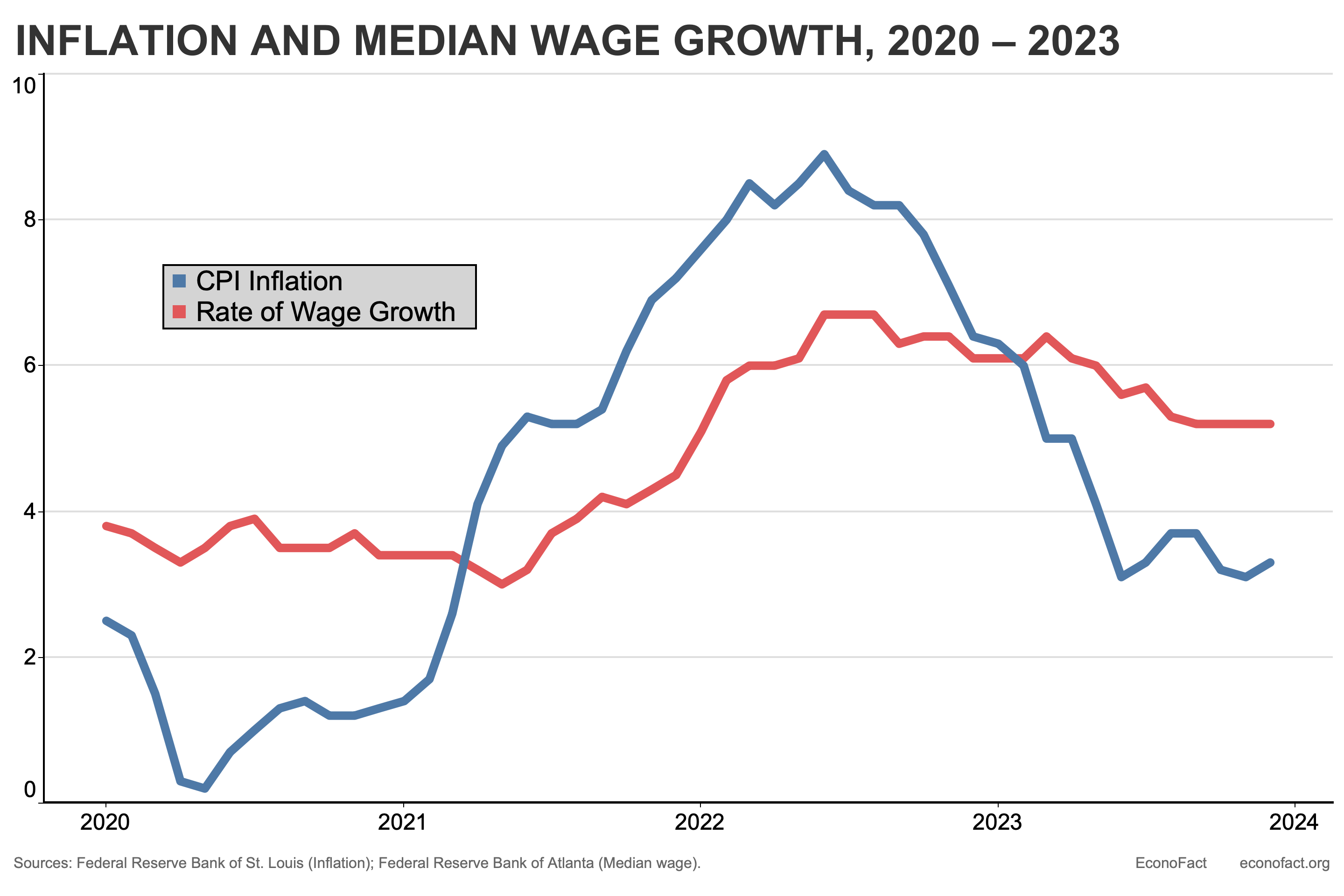
The rising cost of essentials forces difficult choices. Families may have to cut back on discretionary spending, postpone savings goals, or even dip into emergency funds to cover basic needs. Wage growth, while occurring in many sectors, has often lagged behind the rate of inflation, leading to a real-term decline in living standards for many. This has been a major contributor to public concern and economic anxiety.
Business Operations and Profitability
Businesses have also grappled with the inflationary environment. On the one hand, many have been able to pass on increased costs to consumers, leading to higher revenues and, in some cases, improved profit margins, especially for companies with strong pricing power. Sectors like energy and commodities have seen significant price increases, benefiting producers.
However, many businesses, particularly small and medium-sized enterprises (SMEs), have faced immense pressure. Rising input costs for raw materials, labor, and transportation have squeezed profit margins. Uncertainty about future cost increases makes it difficult to plan and invest. Some businesses have struggled to absorb these costs and have been forced to reduce output, lay off staff, or even close down. The ability to manage these inflationary pressures has become a key determinant of business survival and success.
Implications for Investors and Financial Markets
Inflation has profound implications for investors. Historically, inflation can erode the real value of fixed-income investments like bonds. As inflation rises, the fixed interest payments from bonds become worth less in purchasing power terms. This has led to a reassessment of portfolio strategies, with many investors seeking assets that historically perform better in inflationary environments, such as real estate, commodities, and inflation-protected securities.
Stock markets have also reacted to the inflationary environment. While some companies can pass on costs and benefit from rising prices, others face reduced consumer demand and squeezed margins, negatively impacting their stock performance. Central bank responses to inflation, primarily through interest rate hikes, also significantly influence market sentiment and asset valuations. Higher interest rates can make borrowing more expensive, slow economic growth, and reduce the attractiveness of equities relative to bonds.
Navigating the Inflationary Landscape: Strategies and Outlook
Understanding the extent and drivers of inflation is the first step; the next is to develop strategies for navigating its challenges and to consider the future outlook.
Personal Finance Strategies in an Inflationary Era
For individuals, adapting personal finance strategies is paramount. This includes:
- Budgeting and Tracking Expenses: A detailed understanding of where money is going is essential to identify areas where spending can be reduced.
- Prioritizing Savings and Debt Reduction: Building an emergency fund is crucial for unexpected expenses. Paying down high-interest debt can save money in the long run.
- Investing for Growth: While challenging, investing in assets that have the potential to outpace inflation is important for long-term wealth preservation. This might include diversifying into equities, real estate, or commodities, depending on risk tolerance.
- Seeking Income Enhancement: Exploring side hustles, negotiating for higher wages, or acquiring new skills can help offset the erosion of purchasing power.
- Being a Savvy Consumer: Shopping around for better prices, buying in bulk when feasible, and being mindful of impulse purchases can make a difference.
Business Adaptation and Resilience
Businesses need to focus on building resilience and adapting their strategies:
- Supply Chain Diversification and Redundancy: Reducing reliance on single suppliers or regions can mitigate the impact of disruptions.
- Pricing Strategy Review: Regularly assessing pricing models and their ability to keep pace with rising costs is crucial. This might involve dynamic pricing or value-based pricing.
- Cost Management and Efficiency: Identifying opportunities to reduce operational costs and improve efficiency can help absorb inflationary pressures.
- Innovation and Product Development: Creating products or services that offer greater value or are less susceptible to cost fluctuations can provide a competitive edge.
- Hedging and Risk Management: Utilizing financial instruments to hedge against currency fluctuations or commodity price volatility can protect profit margins.
The Outlook for Inflation
The future trajectory of inflation remains a subject of considerable debate among economists. Several factors will influence this outlook:
- Central Bank Policies: The effectiveness of monetary policy tightening by central banks in curbing demand without triggering a significant recession is a key determinant.
- Resolution of Supply Chain Issues: As global supply chains gradually heal and bottlenecks ease, this should exert downward pressure on goods prices.
- Energy and Commodity Prices: Geopolitical events and global demand will continue to influence the volatile prices of energy and raw materials.
- Labor Market Dynamics: The tightness of labor markets and the potential for wage-price spirals will play a significant role.
- Consumer and Business Expectations: Inflationary expectations can become self-fulfilling. If people expect prices to continue rising, they may adjust their behavior accordingly, further fueling inflation.
While the peak of inflation may have passed in many economies, the return to pre-2020 levels of price stability is likely to be a gradual process. The lessons learned from this period of elevated inflation will undoubtedly shape economic policy and personal financial decisions for years to come. Understanding “how much has inflation increased since 2020” is not just an academic exercise but a critical component of financial literacy in the current economic climate.
aViewFromTheCave is a participant in the Amazon Services LLC Associates Program, an affiliate advertising program designed to provide a means for sites to earn advertising fees by advertising and linking to Amazon.com. Amazon, the Amazon logo, AmazonSupply, and the AmazonSupply logo are trademarks of Amazon.com, Inc. or its affiliates. As an Amazon Associate we earn affiliate commissions from qualifying purchases.