
Understanding your annual income is a foundational element of sound personal finance. Whether you’re budgeting, planning for retirement, applying for loans, or simply trying to get a clearer picture of your financial health, knowing precisely how much you earn over a 12-month period is crucial. This isn’t always as straightforward as looking at a single paycheck, especially if your income is variable or comes from multiple sources. This guide will break down the process, providing a clear roadmap to accurately calculate your annual income.
Understanding the Components of Your Annual Income
Before you can calculate your total annual income, it’s essential to identify all the sources from which money flows into your life. This goes beyond your primary salary. For many, income is a mosaic, comprised of various streams that, when added together, paint a complete financial picture.

Gross vs. Net Income: The Fundamental Distinction
The first crucial concept to grasp is the difference between gross income and net income.
Gross Income: The Top-Line Figure
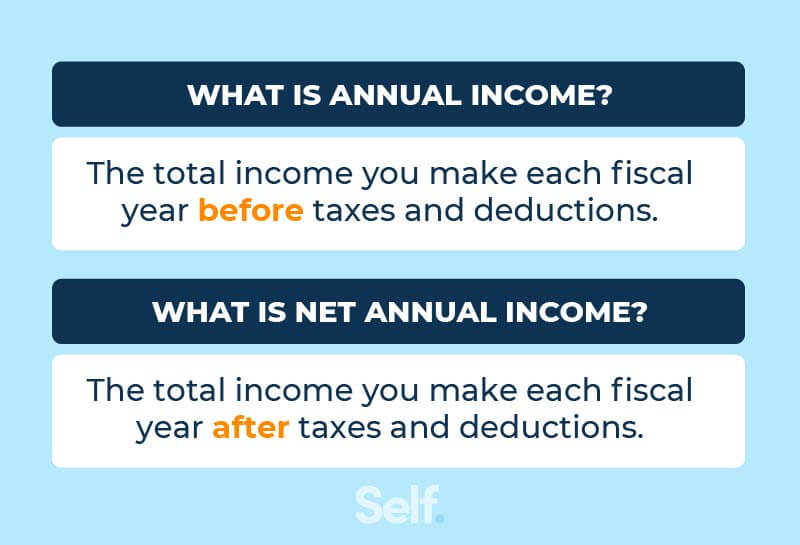
Your gross annual income is the total amount of money you earn before any deductions are taken out. This is the figure often advertised in job offers or used in loan qualification. For W-2 employees, this includes your base salary, any bonuses, commissions, overtime pay, and other pre-tax compensation. For self-employed individuals or those with freelance income, it’s the total revenue generated from their services or products before deducting business expenses. Understanding your gross income is vital for comparing job offers, negotiating salaries, and getting a benchmark of your earning potential. It represents the full value of your labor or business ventures.
Net Income: The Take-Home Pay
Your net annual income, often referred to as “take-home pay,” is the amount of money you actually receive after all deductions have been made. These deductions can include federal, state, and local taxes, Social Security and Medicare contributions (FICA), health insurance premiums, retirement plan contributions (like 401(k) or IRA), and any other pre-tax or post-tax withholdings from your paycheck. For business owners, net income is what’s left after deducting all business expenses, taxes, and owner’s draws or salaries. This is the figure that truly matters for day-to-day budgeting, saving, and spending, as it represents the disposable income available to you.
Identifying All Your Income Streams
To accurately calculate your annual income, you need to meticulously identify every source of money you receive. This requires a comprehensive review of your financial activities over the past year.
Primary Employment Income
For most individuals, their primary source of income comes from a regular job. This typically includes:
- Base Salary: The fixed amount you are paid on a regular schedule (e.g., weekly, bi-weekly, monthly).
- Hourly Wages: The total earnings from hours worked, including any overtime. If you’re paid hourly, you’ll need to multiply your hourly rate by the number of hours worked over the year.
- Commissions: Payments based on sales performance. If your commissions vary, use your historical data to estimate or calculate the actual amount earned.
- Bonuses: Additional payments, often performance-based or discretionary. These can fluctuate significantly year to year.
- Tips: For service industry workers, tips are a significant component of income and must be reported.
Self-Employment and Freelance Income
If you work for yourself, your income calculation will differ.
- Revenue from Services/Products: This is the total amount billed to clients or generated from sales before any expenses.
- Gig Economy Earnings: Income earned through platforms like Uber, DoorDash, Etsy, or Upwork.
Investment Income
Earnings generated from your investments are a crucial part of many people’s annual income.
- Dividends: Payments made by corporations to their shareholders, usually on a quarterly basis.
- Interest: Earnings from savings accounts, certificates of deposit (CDs), bonds, or loans you’ve provided.
- Capital Gains: Profits realized from selling an asset (like stocks, bonds, or real estate) for more than you paid for it. This can be short-term (held for less than a year) or long-term (held for more than a year), with different tax implications.
Rental Income
If you own property and rent it out, the income generated from tenants constitutes rental income. This is typically the gross rent collected, before deducting expenses like mortgage payments, property taxes, insurance, and maintenance.
- Residential Rentals: Income from renting out houses, apartments, or rooms.
- Commercial Rentals: Income from renting out office spaces, retail locations, etc.
Other Income Sources
Don’t overlook less common but still significant sources of income:
- Alimony and Child Support: Payments received from a former spouse or for the support of a child. Note that tax laws regarding the deductibility of alimony have changed, so it’s important to consult current regulations.
- Retirement Distributions: Income withdrawn from retirement accounts like pensions, 401(k)s, IRAs, or Social Security benefits.
- Royalties: Payments received for the use of intellectual property, such as books, music, or patents.
- Gambling Winnings: Any winnings from lotteries, casinos, or other forms of gambling.
- Annuity Payments: Regular payments received from an annuity contract.
Calculating Your Annual Income: Step-by-Step
Once you’ve identified all your income streams, the next step is to aggregate them into a comprehensive annual figure. The method of calculation will depend on your employment status.
For W-2 Employees: Leveraging Your Pay Stubs and Tax Documents
If you are a traditional employee, calculating your annual income is often simpler, as your employer handles much of the tracking.
Step 1: Gather Your Pay Stubs
Collect all your pay stubs for the tax year in question. Most employers provide these electronically or physically. Review each stub to identify:
- Gross Pay: This is the figure before any deductions.
- Deductions: Note amounts for taxes (federal, state, local), Social Security, Medicare, health insurance premiums, retirement contributions, etc.
Step 2: Sum Your Gross Pay from Each Pay Period
Add up the gross pay from every pay stub. If you had a change in pay rate, bonuses, or overtime during the year, ensure these are accurately reflected in the gross pay for their respective periods.
Step 3: Account for Bonuses and Commissions
If you received bonuses or commissions, these are often listed separately on your pay stub or in a year-end statement. Add these amounts to your total gross pay.
Step 4: Review Your Form W-2
At the end of the tax year (usually by January 31st), your employer will provide you with a Form W-2, Wage and Tax Statement. This document summarizes your annual earnings and the taxes withheld.

- Box 1: Shows your taxable wages, tips, and other compensation. This is your gross income for federal tax purposes.
- Box 3: Shows your Social Security wages.
- Box 5: Shows your Medicare wages and tips.
- Boxes 17-20: Show state and local wages and taxes withheld.
Important Note: While Box 1 of your W-2 is a good indicator of your taxable gross income, your total gross income might be slightly higher if you contributed to pre-tax retirement accounts like a 401(k). To get your absolute gross income, you would add back those pre-tax contributions to the Box 1 amount. For simplicity and most financial planning purposes, using the total gross pay summed from your pay stubs, or Box 1 of the W-2 plus any pre-tax deductions not reflected in Box 1, is generally sufficient.
For Self-Employed Individuals and Freelancers: Tracking Revenue and Expenses
Calculating annual income for self-employed individuals requires a more diligent approach to record-keeping.
Step 1: Track All Revenue Sources
Maintain detailed records of all income earned from your business or freelance work. This includes:
- Invoices Issued: Keep copies of all invoices sent to clients.
- Payment Records: Document all payments received, noting the date and the client.
- Platform Reports: If you use online platforms (e.g., Etsy, Upwork, Fiverr), download your earnings reports for the year.
Step 2: Deduct Business Expenses
Your annual income is not your total revenue; it’s your revenue after deducting legitimate business expenses. Common deductible expenses include:
- Home Office Expenses: A portion of your rent or mortgage interest, utilities, and property taxes if you use a portion of your home exclusively for business.
- Supplies and Materials: Costs of goods and materials used in your work.
- Equipment: Purchases of computers, software, tools, or machinery used for your business.
- Travel Expenses: Costs associated with business travel, including mileage, flights, and accommodation.
- Professional Services: Fees paid to accountants, lawyers, or consultants.
- Marketing and Advertising: Costs for websites, online ads, or promotional materials.
- Insurance: Business insurance premiums.
- Self-Employment Tax Deduction: A portion of your self-employment taxes is deductible.
Step 3: Calculate Net Business Income
Your net business income is your total revenue minus your total deductible business expenses. This is the figure you will report as your business’s profit.
Step 4: Account for Other Income and Deductions
Add any other forms of income (e.g., investment income, W-2 wages from a part-time job) to your net business income. Similarly, subtract any applicable deductions beyond business expenses.
Step 5: Review Your Form 1099s and Schedule C
You will likely receive Form 1099-NEC (Nonemployee Compensation) or 1099-MISC from clients who paid you $600 or more in a year. These reports summarize what they paid you and should be reconciled with your own records. Your business income and expenses are reported on Schedule C (Form 1040), Profit or Loss From Business (Sole Proprietorship). The net profit from Schedule C, after all business deductions, is your self-employment income.
Calculating Your Total Annual Income: Combining All Sources
The final step is to consolidate all identified income streams into a single, comprehensive annual figure.
Summing All Sources
Take the calculated gross income from your primary employment (if applicable), your net business income from self-employment, and add all other income sources identified in the previous section.
Example:
- W-2 Employee Gross Salary: $60,000
- Freelance Income (Revenue): $30,000
- Freelance Expenses: $5,000
- Net Freelance Income: $25,000
- Investment Dividends: $2,000
- Rental Income (Net): $10,000
Total Annual Income = $60,000 + $25,000 + $2,000 + $10,000 = $97,000
This $97,000 represents your total annual gross income before any personal deductions or taxes (other than those already accounted for in net rental income or the business expense deduction for freelancers).
Using Tax Returns as a Reference
Your annual tax return is a powerful tool for verifying your income calculation.
- Form 1040 (U.S. Individual Income Tax Return): This is the primary form where you report all your income. Different lines on the 1040 correspond to various income types:
- Wages, salaries, tips: Reported from W-2s.
- Business income: Reported from Schedule C.
- Capital gains: Reported from Schedule D.
- Interest and dividend income: Reported from Schedule B, or directly on the 1040.
- Rental property income: Reported from Schedule E.
- Retirement plan distributions: Reported from 1099-R.
By cross-referencing your own calculations with the figures on your filed tax return, you can ensure accuracy. If you haven’t filed taxes for the year yet, use your gathered documents (W-2s, 1099s, pay stubs, bank statements, invoices) to estimate your income as accurately as possible.
The Importance of Accurate Annual Income Calculation
Knowing your precise annual income is not merely an academic exercise; it has tangible, significant impacts on your financial life and decision-making.
Budgeting and Financial Planning
Accurate income figures are the bedrock of any effective budget. Without knowing how much you have coming in, it’s impossible to allocate funds realistically for expenses, savings, and debt repayment. This clarity allows you to make informed decisions about your spending habits and to set achievable financial goals. Whether it’s saving for a down payment on a house, planning for a vacation, or simply ensuring you can cover your monthly bills, a precise understanding of your income is paramount.
Loan and Mortgage Applications
Financial institutions rely heavily on your stated annual income to assess your creditworthiness. When applying for loans, mortgages, car financing, or even credit cards, lenders will require proof of income. They use this information to determine how much they can lend you and to assess the risk of default. Misrepresenting your income, even unintentionally, can lead to rejection or unfavorable loan terms. Accurate reporting ensures a smoother application process and increases your chances of approval.
Tax Preparation and Compliance
Your annual income directly dictates your tax liability. Accurately calculating your income is essential for filing your taxes correctly, avoiding penalties, and ensuring you don’t overpay or underpay. Understanding all your income sources helps you claim all eligible deductions and credits, potentially reducing your tax burden. For those with complex income situations, like self-employment or multiple investment streams, this calculation becomes even more critical.
Retirement Planning and Investment Decisions
Long-term financial planning, particularly retirement, hinges on accurate income projections. To estimate how much you need to save for retirement, you must have a clear understanding of your current and projected income. This allows you to determine appropriate contribution levels for retirement accounts and to make informed investment decisions aligned with your long-term financial objectives.
Career and Salary Negotiations
When considering new job opportunities or seeking a raise in your current role, knowing your current annual income is vital for effective negotiation. It provides a baseline for discussions and helps you understand your market value. Armed with this knowledge, you can confidently negotiate for a salary that reflects your skills, experience, and worth.
By taking the time to meticulously calculate your annual income, you are investing in your financial future. It’s a fundamental step that empowers you to manage your money effectively, make sound financial decisions, and work towards achieving your financial aspirations.
aViewFromTheCave is a participant in the Amazon Services LLC Associates Program, an affiliate advertising program designed to provide a means for sites to earn advertising fees by advertising and linking to Amazon.com. Amazon, the Amazon logo, AmazonSupply, and the AmazonSupply logo are trademarks of Amazon.com, Inc. or its affiliates. As an Amazon Associate we earn affiliate commissions from qualifying purchases.