
For any individual navigating the world of personal finance and investing, the rhythm of the stock market is the heartbeat of their portfolio. Understanding when the markets open and close in the United States is more than a matter of simple logistics; it is a fundamental component of a sophisticated trading strategy. While the short answer is that the major exchanges—the New York Stock Exchange (NYSE) and the Nasdaq—typically open at 9:30 AM Eastern Time (ET), the reality of modern American finance is far more nuanced, encompassing various sessions, time zones, and strategic windows.
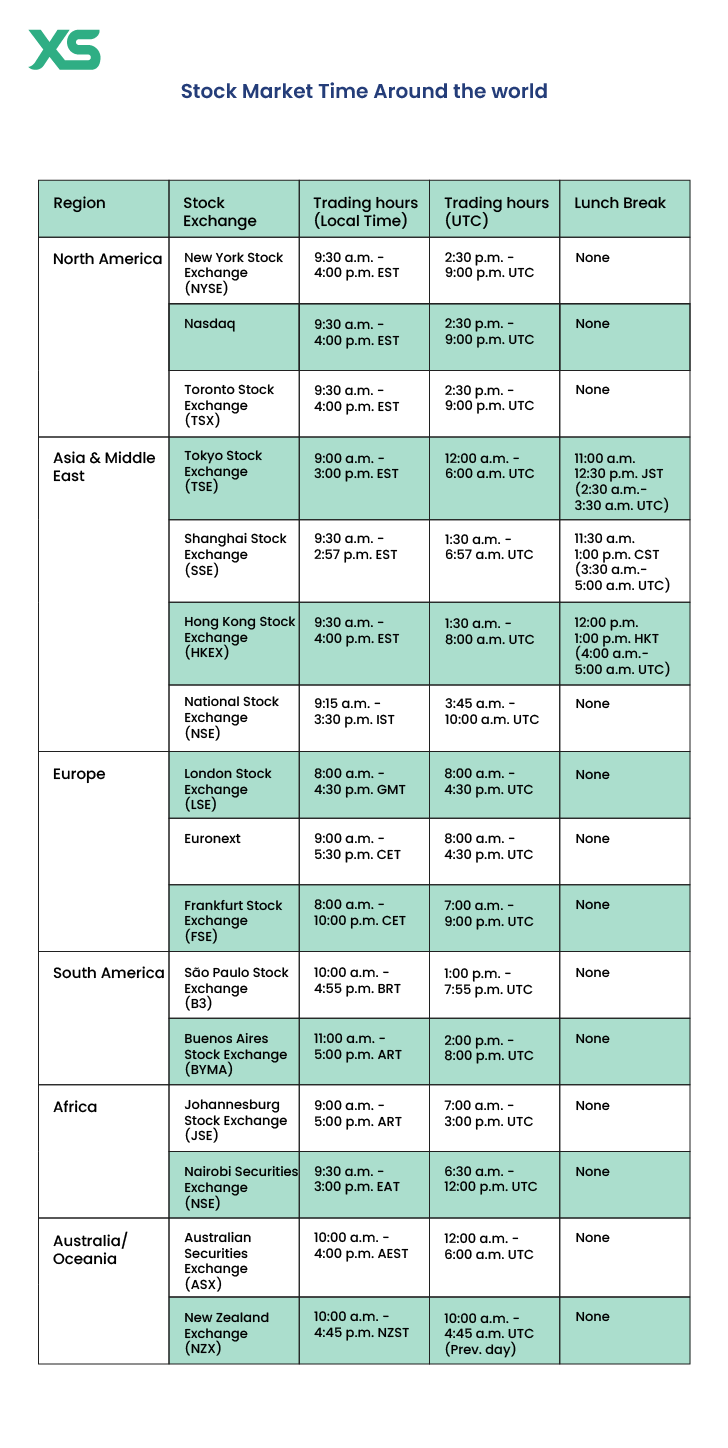
In this guide, we will explore the intricacies of American stock market hours, the implications of extended-hours trading, and how investors can leverage this timing to optimize their financial outcomes.
Understanding Standard Trading Hours: The Core Session
The “Standard Trading Session” represents the period of highest liquidity and volume. This is when the majority of retail and institutional trading occurs, and it is the window most often cited by news outlets and financial advisors.
The New York Stock Exchange and Nasdaq
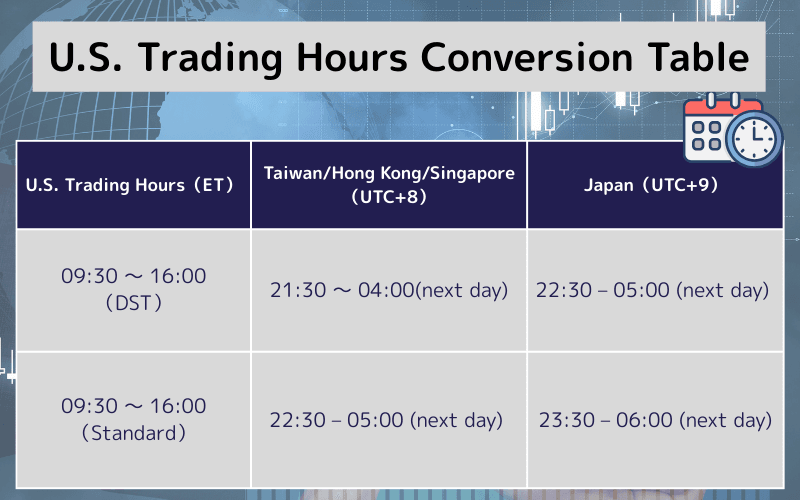
The two primary stock exchanges in the United States are the New York Stock Exchange (NYSE), located on Wall Street, and the Nasdaq, a global electronic marketplace. Both follow the same standard operating hours: 9:30 AM to 4:00 PM Eastern Time, Monday through Friday.
During these six and a half hours, the market is at its most efficient. Bid-ask spreads—the difference between the price a buyer is willing to pay and the price a seller is willing to accept—are typically at their narrowest. For the long-term personal investor, this is generally the safest and most cost-effective time to execute trades.
The Importance of Eastern Time (ET)
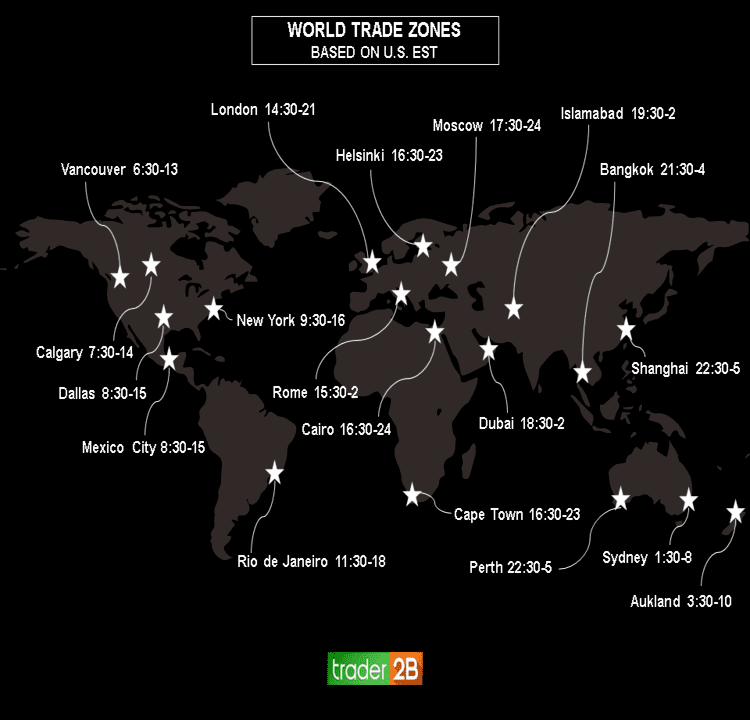
Because New York City is the financial capital of the United States, all trading schedules are anchored in Eastern Time. For investors living in different regions, it is essential to adjust their clocks accordingly:
- Central Time (CT): 8:30 AM – 3:00 PM
- Mountain Time (MT): 7:30 AM – 2:00 PM
- Pacific Time (PT): 6:30 AM – 1:00 PM
Failing to account for these time zone differences can result in missed opportunities, particularly during the volatile “opening bell” period when prices often fluctuate rapidly as the market reacts to news that broke overnight.
Beyond the 9:30 to 4:00 Window: Extended-Hours Trading
In the digital age, the concept of a “closed” market is somewhat of a misnomer. Through Electronic Communication Networks (ECNs), investors can trade before the official opening bell and after the closing bell. This is known as extended-hours trading.
Pre-Market Trading Sessions
Pre-market trading in the U.S. can begin as early as 4:00 AM ET, though the bulk of the activity typically ramps up around 8:00 AM ET. This session allows investors to react immediately to early-morning news, such as economic reports from the Bureau of Labor Statistics (like CPI or jobs data) or international market movements.
However, the pre-market is not for the faint of heart. Liquidity is much lower than during the standard session, meaning there are fewer participants. This can lead to “slippage,” where the price at which your trade is executed is significantly different from the price you expected.
After-Hours Trading Sessions
The after-hours session begins immediately after the closing bell at 4:00 PM ET and typically runs until 8:00 PM ET. This is perhaps the most critical time for active investors, as most publicly traded companies release their quarterly earnings reports shortly after 4:00 PM.
The volatility during after-hours can be extreme. A company might report better-than-expected profits, causing its stock price to jump 10% in minutes. Conversely, a poor guidance outlook can send a stock spiraling before most retail investors have had a chance to finish their workday.
Risks and Rewards of Trading Outside Standard Hours
While extended hours offer the “first-mover advantage,” they carry unique financial risks:
- Lower Liquidity: Fewer buyers and sellers make it harder to enter or exit positions.
- Wider Spreads: The gap between the bid and ask price can widen significantly, increasing the cost of the trade.
- Price Volatility: Prices can swing wildly on low volume, which may not accurately reflect where the stock will trade once the standard market opens at 9:30 AM.
Market Holidays and Early Closures
Professional wealth management requires knowing not just when the market is open, but specifically when it is closed. The U.S. stock market observes several federal holidays throughout the year, during which the NYSE and Nasdaq are completely shut down.
Major Federal Holidays
The market typically closes for nine major holidays annually. These include:
- New Year’s Day
- Martin Luther King, Jr. Day
- Washington’s Birthday (Presidents’ Day)
- Good Friday
- Memorial Day
- Juneteenth National Independence Day
- Independence Day (July 4th)
- Labor Day
- Thanksgiving Day
- Christmas Day
When a holiday falls on a Saturday, the market usually closes on the preceding Friday. If it falls on a Sunday, the market closes on the following Monday.
Early Closing Protocols (Half-Days)
There are specific days when the market observes “half-days,” closing at 1:00 PM ET. This usually occurs on the Friday after Thanksgiving (Black Friday) and sometimes on Christmas Eve, depending on the day of the week it falls. During these shortened sessions, trading volume is often light, and many institutional traders take the day off, leading to “thin” markets where small trades can have a disproportionate impact on price.
The Psychological and Strategic Impact of Market Timing
In the world of money and investing, when you trade can be just as important as what you trade. The trading day has its own psychological arc that affects price action and investor behavior.
The Opening Bell Volatility
The first 30 to 60 minutes of the trading day (9:30 AM – 10:30 AM ET) are often the most volatile. This period represents the “unmetabolized” news from the evening and early morning being priced into the market. Professional traders often refer to this as the “amateur hour,” as retail investors frequently place market orders at the open, leading to erratic price swings. Seasoned investors often wait for the “opening range” to be established before committing capital.
The Mid-Day Lull
From roughly 12:00 PM to 1:30 PM ET, trading volume typically drops. This is often referred to as the “lunchtime lull.” During this period, institutional traders in New York often step away, and the market can drift sideways. For those looking to make large entries into a position without causing a massive price spike, this quieter period can sometimes offer a window of stability.
The “Power Hour” Phenomenon
The final hour of trading, from 3:00 PM to 4:00 PM ET, is known as the “Power Hour.” This is when institutional investors, hedge funds, and mutual fund managers rebalance their portfolios and close out their day positions. Volume surges, and the price action during this hour often sets the tone for the following day’s open. Many technical analysts believe that the closing price is the most “honest” price of the day because it represents the final consensus of all market participants.
Global Context and the Future of Trading
While we focus on American stock market hours, we must recognize that the U.S. financial system does not exist in a vacuum. It is part of a global 24-hour financial cycle.
Global Market Overlap
The U.S. market hours overlap with other major global exchanges, which can create spikes in activity. For instance, the London Stock Exchange is open during the early morning hours of the U.S. market. The period between 9:30 AM and 11:30 AM ET is particularly significant because both the New York and London markets are trading simultaneously. This “overlap” represents the period of highest global liquidity.
The Move Toward 24/7 Markets
With the rise of cryptocurrency and the increasing electronification of finance, there is growing discussion within the industry about moving toward a 24/7 or 24/5 trading model for equities. Some retail brokerages have already begun offering “overnight” trading on a limited selection of blue-chip stocks and ETFs.
For the modern investor, this means that the traditional 9:30 AM open is becoming more of a symbolic milestone than a rigid barrier. However, until the major exchanges officially adopt 24-hour cycles, the standard session remains the gold standard for price discovery and regulatory oversight.
Conclusion: Master the Clock to Master Your Money
Navigating the American stock market requires more than just picking the right stocks; it requires a deep understanding of the temporal landscape of finance. By recognizing the importance of the 9:30 AM to 4:00 PM window, understanding the risks of the pre-market and after-hours sessions, and respecting the impact of holidays and time zones, you position yourself as a more disciplined and informed investor.
In the realm of money, time is not just a measurement—it is a resource. Whether you are a day trader looking to capitalize on “Power Hour” volatility or a long-term investor seeking the stability of the core session, knowing exactly when the market opens and how it moves is essential for long-term financial success.
aViewFromTheCave is a participant in the Amazon Services LLC Associates Program, an affiliate advertising program designed to provide a means for sites to earn advertising fees by advertising and linking to Amazon.com. Amazon, the Amazon logo, AmazonSupply, and the AmazonSupply logo are trademarks of Amazon.com, Inc. or its affiliates. As an Amazon Associate we earn affiliate commissions from qualifying purchases.