
The Dow Jones Industrial Average (DJIA) is more than just a number on a screen; it is the heartbeat of the American economy. For investors, traders, and financial enthusiasts, the question “What time does the Dow Jones close?” is often the starting point for a deeper exploration into the mechanics of the global financial markets. While the short answer is 4:00 PM Eastern Time (ET), the complexities of what happens before, during, and after that closing bell are vital for anyone looking to manage their wealth effectively.

In the world of finance, timing is everything. Understanding the operating hours of the New York Stock Exchange (NYSE) and the NASDAQ—the primary exchanges where the 30 blue-chip companies of the Dow are traded—is essential for executing trades at the right price and avoiding the pitfalls of market volatility.
Understanding the Standard Operating Hours of the Dow Jones
The Dow Jones Industrial Average follows the schedule of the major U.S. stock exchanges. Unlike the 24/7 nature of the cryptocurrency market, traditional equities have a structured window designed to concentrate liquidity and ensure orderly price discovery.
The Core Trading Session: 9:30 AM to 4:00 PM ET
The official trading day for the Dow Jones begins at 9:30 AM ET and concludes at 4:00 PM ET, Monday through Friday. This 6.5-hour window is known as the “Core Session.” During these hours, the market experiences its highest volume of activity. Professional institutional investors, high-frequency trading algorithms, and retail investors all interact in real-time, creating the narrowest bid-ask spreads and the most stable pricing.
The Significance of the “Closing Bell”
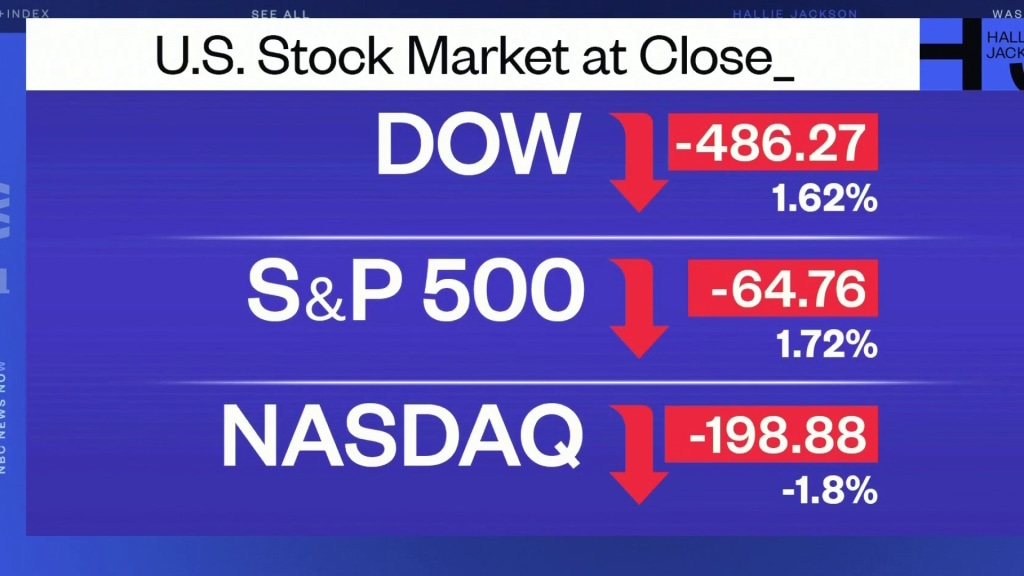
The closing bell is one of the most iconic rituals in the financial world. At exactly 4:00 PM ET, a physical or digital bell is rung to signify the end of the day’s primary trading. This moment is crucial because the “closing price” of the Dow and its constituent stocks (like Apple, Microsoft, and Goldman Sachs) is used as the benchmark for mutual fund valuations, derivative contracts, and historical performance tracking. The final minutes leading up to the close often see a massive surge in volume as institutional “market-on-close” (MOC) orders are executed.
Time Zone Conversions for Global Investors
Because the U.S. markets operate on Eastern Time, investors in other parts of the world must adjust their clocks. For a trader in London, the Dow closes at 9:00 PM GMT. For an investor in Hong Kong or Tokyo, the close happens in the early hours of the following morning. Keeping track of Daylight Saving Time changes is also critical, as the U.S. may shift its clocks on different dates than Europe or Asia, temporarily altering the trading window by an hour.
Beyond the Closing Bell: Extended Hours and After-Hours Trading
Just because the physical exchange floor “closes” doesn’t mean trading stops. In the modern digital age, electronic communication networks (ECNs) allow for extended-hours trading, which can drastically affect the value of your portfolio before the next day’s open.
Pre-Market Trading Explained
Pre-market trading typically begins as early as 4:00 AM ET, though the most significant activity starts around 8:00 AM ET. Investors use this time to react to overnight news, such as international economic reports or early-morning corporate earnings releases. While pre-market trading offers a “head start,” it is characterized by much lower volume and higher volatility than the core session.
After-Hours Trading: What Happens After 4:00 PM?
After-hours trading begins immediately at 4:00 PM ET and usually runs until 8:00 PM ET. This session is particularly important during “earnings season.” Most major Dow companies release their quarterly reports shortly after the closing bell to ensure that the information is disseminated when the main market is closed. If a company like Disney or Boeing misses its earnings expectations, you may see the stock price plummet in the after-hours session, even though the “official” closing price remains fixed until the next morning.
The Risks and Volatility of Extended Sessions
While the ability to trade after the Dow closes provides flexibility, it comes with significant risks. Because there are fewer participants, the “spread” between what a buyer is willing to pay and what a seller is willing to accept can widen significantly. This lack of liquidity means that a relatively small trade can cause a large swing in price. For the average personal investor, it is often safer to wait for the core session to ensure better execution prices.
Market Holidays and Early Closures
The Dow Jones does not operate every day of the year. To manage a portfolio successfully, you must be aware of the U.S. holiday schedule, as the lack of a trading session can impact your ability to liquidate assets or hedge against global events.
Standard NYSE and NASDAQ Holiday Schedule
The U.S. markets are closed on several major federal holidays. These include:
- New Year’s Day
- Martin Luther King, Jr. Day
- Presidents’ Day
- Good Friday
- Memorial Day
- Juneteenth National Independence Day
- Independence Day (July 4th)
- Labor Day
- Thanksgiving Day
- Christmas Day
If a holiday falls on a weekend, the market typically closes on the Friday before or the Monday after.
Half-Day Sessions: When Does the Dow Close Early?
There are specific days when the Dow Jones closes earlier than the standard 4:00 PM ET. Traditionally, the market closes at 1:00 PM ET on the Friday following Thanksgiving (Black Friday) and on Christmas Eve (if it falls on a business day). These early closures are often periods of “thin” trading, where low volume can lead to unpredictable price movements.
Why Market Timing and Closing Prices Matter for Your Portfolio
For the long-term investor, a few minutes might seem insignificant. However, the closing price of the Dow Jones is a fundamental data point that influences everything from retirement accounts to global economic policy.
The “Closing Auction” and Price Discovery
The final price of the day isn’t just the last trade made at 3:59:59 PM. It is determined by a “closing auction.” This process pools all the buy and sell orders that have been designated to execute at the close. The exchange’s computers calculate the price at which the maximum number of shares can trade. This ensures that the closing price is a fair and accurate reflection of the supply and demand for that day.
How Overnight News Impacts the Next Day’s Open
The Dow may close at 4:00 PM, but the world continues to turn. Geopolitical events in Europe, economic data from China, or sudden political shifts in Washington can occur while the U.S. markets are dark. This creates “gaps” in the market. If positive news breaks at midnight, the Dow might “gap up” at 9:30 AM the next morning, meaning it opens at a significantly higher price than it closed the day before.
Strategic Trading: Should You Trade at the Close?
Many professional traders use a “Power Hour” strategy, focusing their activity in the final hour of trading (3:00 PM to 4:00 PM ET). During this time, volatility increases, providing opportunities for profit. Conversely, passive investors—those who buy index funds or ETFs—often benefit from the closing price because it represents a consolidated consensus of value. Understanding these dynamics helps you decide whether to execute a trade during the lunch-hour lull or wait for the high-volume environment of the close.
Financial Tools and Platforms to Track the Dow in Real-Time
In today’s digital economy, you don’t need to be on Wall Street to know what the Dow is doing. A variety of tools can help you track the index and its closing movements from your smartphone or desktop.
Digital Dashboards and Brokerage Apps
Modern brokerage platforms like Charles Schwab, Fidelity, or Robinhood provide real-time streaming data. Unlike the 15-minute delayed quotes found on some free news sites, these platforms give you the exact price of the Dow as it moves. Most of these apps also allow you to participate in pre-market and after-hours trading, provided you understand the associated risks.
Setting Alerts for Market Volatility
Financial tools such as Bloomberg, Reuters, and Yahoo Finance allow users to set push notifications. You can receive an alert the moment the Dow Jones closes, along with a summary of the day’s top gainers and losers. Setting “limit orders” is another way to manage the close; you can instruct your broker to sell a position only if the Dow hits a certain level during the final minutes of trading.
The Role of Financial News Networks
While digital tools are efficient, financial news networks like CNBC or Fox Business provide context. They explain why the Dow closed up or down, dissecting Fed speeches, inflation data, or corporate news. For an investor looking to build long-term wealth, combining real-time data with expert analysis is the best way to navigate the hours between the opening and closing bells.
Final Thoughts for the Investor
The question of when the Dow Jones closes is the gateway to understanding the rhythm of global finance. By mastering the schedule—from the 9:30 AM open to the 4:00 PM close and the extended sessions in between—you position yourself to make more informed, strategic decisions. Whether you are a day trader looking for volatility or a long-term investor managing a 401(k), the closing bell remains the most important milestone of the financial day. Knowing when it rings is just the beginning; knowing what to do when it does is the key to financial success.
aViewFromTheCave is a participant in the Amazon Services LLC Associates Program, an affiliate advertising program designed to provide a means for sites to earn advertising fees by advertising and linking to Amazon.com. Amazon, the Amazon logo, AmazonSupply, and the AmazonSupply logo are trademarks of Amazon.com, Inc. or its affiliates. As an Amazon Associate we earn affiliate commissions from qualifying purchases.