
Understanding the operating hours of the stock market is more than a matter of simple scheduling; it is a foundational pillar of successful investing. For the modern investor, the “market” is no longer just a physical building on Wall Street, but a global, digital ecosystem that operates across multiple time zones and sessions. While the standard operating hours of the major U.S. exchanges—the New York Stock Exchange (NYSE) and the Nasdaq—are the most recognized, the reality of market access is far more expansive.
In the realm of personal finance and wealth management, timing influences liquidity, volatility, and the execution price of your trades. Whether you are a long-term investor or a tactical swing trader, knowing when the doors open and close—and what happens in the shadows of those hours—is essential for protecting your capital and identifying opportunities.
Standard Trading Hours: Navigating the Core Session
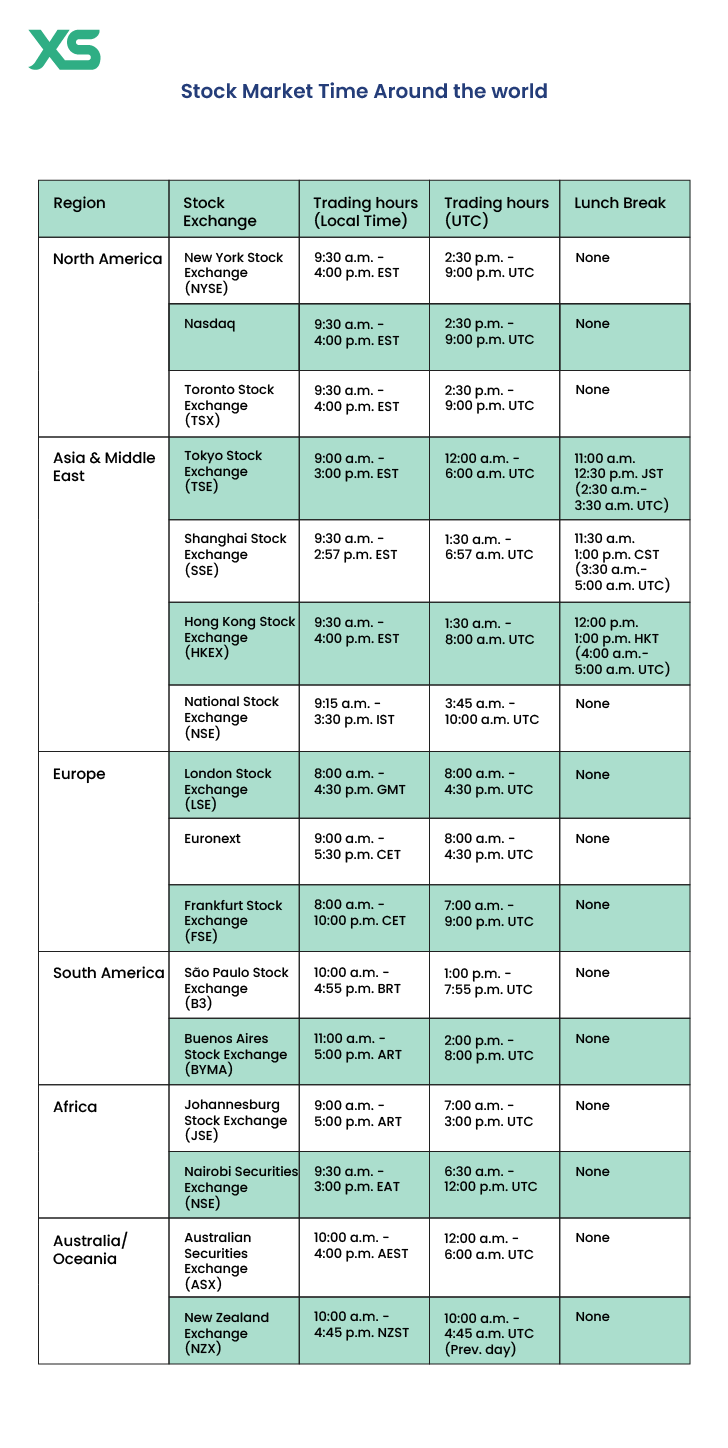
The core trading session represents the period of highest liquidity and most stable price discovery. For the major U.S. exchanges, this window is remarkably consistent, providing a structured environment for institutional and retail investors alike.
The Opening Bell: 9:30 AM ET
The U.S. stock market officially opens at 9:30 AM Eastern Time (ET), Monday through Friday. The “Opening Bell” is more than just a tradition; it signals the beginning of the most active part of the trading day. During the first 30 to 60 minutes of the session, the market often experiences a surge in volume as it reacts to overnight news, international market movements, and morning economic data releases. For many retail investors, this period is characterized by high volatility, which can present both significant risks and lucrative opportunities.
The Mid-Day Lull and the Closing Bell
Between 12:00 PM and 2:00 PM ET, trading volume typically slows down—a phenomenon often referred to as the “lunchtime lull.” During this period, institutional traders may step back, leading to thinner liquidity and tighter price movements. However, as the clock nears 4:00 PM ET, the “Closing Bell” approaches, and activity ramps up significantly. The final hour of trading, often called the “Power Hour,” is frequently the most active part of the day as fund managers rebalance portfolios and day traders close out their positions. The market officially closes at 4:00 PM ET, marking the end of the standard session.
Extended Hours Trading: Pre-Market and After-Hours
In our hyper-connected digital age, the stock market doesn’t truly sleep. Through Electronic Communication Networks (ECNs), investors can trade outside of the traditional 9:30 AM to 4:00 PM window. This is known as extended-hours trading.
Pre-Market Opportunities
Pre-market trading in the U.S. can begin as early as 4:00 AM ET, though the majority of volume begins to pick up around 8:00 AM ET. This session allows investors to react immediately to breaking news that occurs overnight or early in the morning, such as international geopolitical shifts or early-morning earnings announcements. While it offers a head start, pre-market trading is generally reserved for more experienced investors due to the limited number of participants and the resulting wide “bid-ask” spreads.
After-Hours Volatility
After-hours trading begins at 4:00 PM ET and can run as late as 8:00 PM ET. This session is particularly critical during “earnings season.” Most major corporations release their quarterly financial results shortly after the 4:00 PM closing bell to ensure that the news is disseminated fairly to all investors. As a result, the after-hours session often sees massive price swings that can set the tone for the following day’s opening.
Risks and Rewards of Extended Trading
While extended hours offer flexibility, they come with unique financial risks. The primary concern is low liquidity. Because there are fewer buyers and sellers than during the standard session, it can be difficult to execute a trade at a desired price. Furthermore, the lack of a centralized exchange during these hours means that price volatility is magnified. For personal finance management, it is often recommended that retail investors use “limit orders” during these sessions to avoid being caught in a sudden, unfavorable price spike.
Market Holidays and Scheduled Closures

The stock market does not follow the standard 365-day calendar. It observes specific federal holidays and occasionally operates on a modified schedule. Understanding these closures is vital for managing cash flow and ensuring that your investment strategies are not disrupted by unexpected downtime.
Scheduled Market Holidays
The NYSE and Nasdaq are closed on several key holidays throughout the year, including New Year’s Day, Martin Luther King Jr. Day, Washington’s Birthday (Presidents’ Day), Good Friday, Memorial Day, Juneteenth, Independence Day, Labor Day, Thanksgiving Day, and Christmas Day. If a holiday falls on a Saturday, the market typically closes on the preceding Friday. If it falls on a Sunday, the market closes on the following Monday. These closures mean that no trading occurs, and any orders placed during this time will be held until the next business day.
Early Session Closures
In addition to full-day closures, the market occasionally observes “half-days.” The most common early closures occur on the day after Thanksgiving (Black Friday) and on Christmas Eve (if it falls on a weekday). During these sessions, the market typically closes at 1:00 PM ET. Trading volume on these days is usually quite thin, as many institutional players are away, which can lead to unpredictable market behavior. For those managing their own business finance or side-hustle income through the markets, these shortened days are often a good time to step back and focus on long-term strategy rather than active trading.
The Global Perspective: Trading Across Time Zones
For the modern investor, the U.S. market is only one piece of the puzzle. We live in a global economy where a movement in the Nikkei in Tokyo or the FTSE in London can have a ripple effect on the S&P 500 in New York.
European and Asian Market Hours
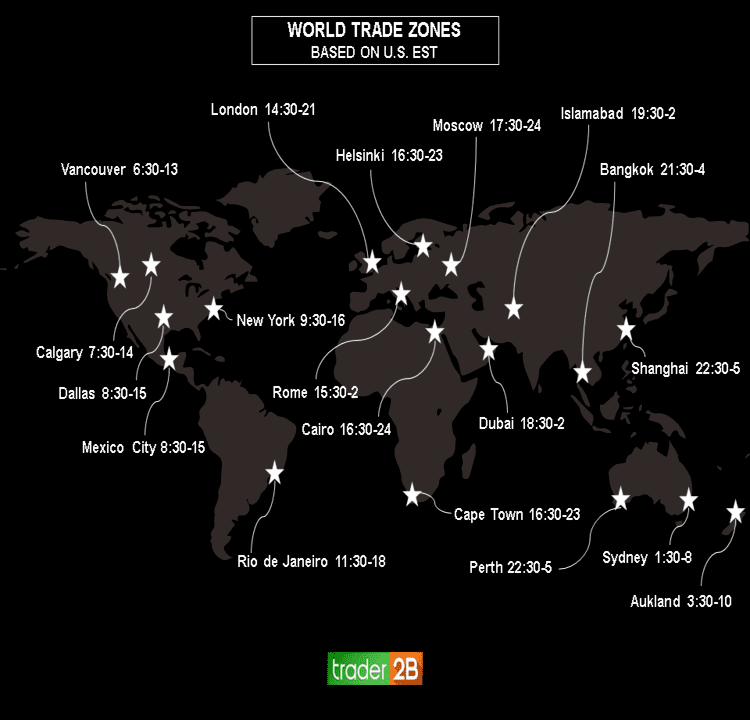
If you are looking to diversify your portfolio internationally, you must be aware of the different time zones. The London Stock Exchange (LSE), for example, operates from 8:00 AM to 4:30 PM GMT (3:00 AM to 11:30 AM ET). This creates a critical overlap with the U.S. market in the morning hours of the New York session. Meanwhile, Asian markets like the Tokyo Stock Exchange (TSE) operate while the U.S. sleeps, typically from 9:00 AM to 3:00 PM JST (which is roughly 7:00 PM to 1:00 AM ET, depending on daylight savings).
The Impact of Global Overlap
The hours when multiple global markets are open simultaneously are often the most liquid and volatile periods for international stocks and currency-related assets. For instance, when the U.S. and European markets are both open (roughly 9:30 AM to 11:30 AM ET), there is a significant increase in the volume of cross-border trades. For investors focusing on global brands or multinational corporations, monitoring these overlaps is essential for understanding price movements that may seem irrational if looking at the U.S. market in isolation.
Strategic Considerations for the Retail Investor
Knowing the hours of the stock market is a technical requirement, but applying that knowledge is a strategic advantage. Your personal finance goals should dictate how you interact with these specific time windows.
Determining the Best Times of Day to Trade
For most long-term investors, the exact hour of the day is less important than the overall trend and the quality of the asset. However, if you are looking to optimize your entry and exit points, the first and last 30 minutes of the standard session (9:30 AM–10:00 AM and 3:30 PM–4:00 PM ET) offer the most liquidity. This ensures that you can move in and out of positions with minimal “slippage”—the difference between the expected price of a trade and the price at which the trade is executed. Conversely, if you prefer a calmer environment with less noise, the mid-day period is often more suitable for executing carefully planned trades.
Leveraging Financial Tools for Time Management
In today’s market, you don’t need to be glued to a monitor to manage your investments. Sophisticated financial tools and brokerage apps allow you to set “standing orders” that execute automatically when certain conditions are met, regardless of whether you are awake or at your desk.
- Limit Orders: These allow you to set a specific price at which you are willing to buy or sell, ensuring you don’t overpay during volatile opening or after-hours sessions.
- Stop-Loss Orders: These are essential for risk management, automatically selling a position if the price drops below a certain level to protect your capital.
- Automated Investing: Many modern fintech platforms allow for “fractional share” investing and automated recurring buys, which execute during standard hours to ensure you are consistently building wealth without having to time the market perfectly.
By understanding the clock that governs the financial world, you move from being a passive participant to an informed strategist. Whether you are building a side hustle through active trading or securing your retirement through disciplined investing, the hours the market is open define the boundaries of your financial playground. Respecting those boundaries—and knowing when to cross them—is a hallmark of financial literacy.
aViewFromTheCave is a participant in the Amazon Services LLC Associates Program, an affiliate advertising program designed to provide a means for sites to earn advertising fees by advertising and linking to Amazon.com. Amazon, the Amazon logo, AmazonSupply, and the AmazonSupply logo are trademarks of Amazon.com, Inc. or its affiliates. As an Amazon Associate we earn affiliate commissions from qualifying purchases.