
Securing a business loan is often perceived as an uphill battle, a gauntlet of red tape and stringent requirements that can leave even the most seasoned entrepreneurs feeling discouraged. However, the “hardness” of obtaining capital is not a fixed metric; rather, it is a variable influenced by the type of lender you approach, the financial health of your enterprise, and the specific economic climate at the time of application. In the current financial landscape, the barrier to entry has shifted. While traditional banks have tightened their belts, the rise of fintech and alternative lending has opened new doors. Understanding the nuances of business finance is the first step in transforming a “hard” process into a manageable strategic move.

Understanding the Difficulty: The Core Pillars of Creditworthiness
The difficulty of securing a business loan is primarily dictated by risk assessment. Lenders are not in the business of losing money; therefore, they utilize a specific set of metrics to determine the likelihood of repayment. If your business falls short in these areas, the process becomes significantly harder.
The Weight of Credit Scores: Personal vs. Business
One of the most common misconceptions is that a business entity stands entirely on its own. For small to medium-sized enterprises (SMEs), personal credit scores remain a pivotal factor. Most lenders look for a personal FICO score of at least 680 for traditional loans, while SBA loans may require slightly higher.
Beyond personal credit, the Business Credit Score (often via Dun & Bradstreet, Experian, or Equifax) measures how the company handles its debts. A low score here indicates a history of late payments or high credit utilization, which signals high risk. If your credit is sub-par, the difficulty of obtaining a loan increases exponentially, often forcing you toward high-interest alternative lenders.
Revenue and Time in Business
Lenders seek stability. Generally, traditional banks require a business to have been operational for at least two years. This “two-year rule” serves as proof of concept and operational resilience. Startups face the hardest road because they lack a historical track record of revenue.
Furthermore, annual revenue requirements are common. Many lenders want to see a minimum of $100,000 to $250,000 in yearly gross receipts. If your business is seasonal or experiencing a temporary dip in sales, proving your ability to service a monthly debt becomes a significant hurdle in the underwriting process.
Collateral and Personal Guarantees
The “hardness” of a loan is often mitigated by what you can offer as security. Secured loans, backed by real estate, inventory, or equipment, are easier to obtain because they lower the lender’s risk. However, for service-based businesses with few physical assets, the requirement for collateral can be a major roadblock. In many cases, lenders will require a personal guarantee, meaning the owner’s personal assets (like a home or savings account) are on the line if the business defaults. The psychological and financial weight of this requirement is often what makes the loan process feel “hard” for many owners.
Traditional vs. Alternative Lending: Choosing Your Path
The difficulty level of your search depends heavily on where you apply. The financial market is no longer a monolith of high-street banks; it is an ecosystem of varying risk tolerances.
The Rigor of Commercial Banks and Credit Unions
Traditional banks offer the most attractive interest rates and terms, but they are also the most difficult to qualify for. Their underwriting process is exhaustive, requiring a mountain of paperwork and a near-flawless financial history. Because banks operate on thin margins, they have a low tolerance for risk. For a business with steady growth and strong assets, this is the gold standard, but for those with any “bruises” on their financial statements, the rejection rate is high.
The SBA Safety Net
The U.S. Small Business Administration (SBA) does not lend money directly but guarantees a portion of the loan provided by partner banks. This guarantee reduces the risk for the lender, making it “easier” for a business that might not meet traditional criteria to get approved.
However, “easier” in terms of approval does not mean “easier” in terms of the process. SBA loans (such as the 7(a) or 504 programs) are notorious for their extensive documentation requirements and long closing times, sometimes taking 60 to 90 days. The difficulty here is administrative rather than purely financial.
Fintech and Online Lenders
In the last decade, online lenders have revolutionized business finance. These platforms use advanced algorithms to assess creditworthiness beyond just a FICO score, often looking at real-time cash flow through bank integrations.
The barrier to entry is significantly lower here; you might get approved with a lower credit score or less time in business. The trade-off is the cost of capital. Online loans often come with higher interest rates and shorter repayment terms. While it is “easier” to get the money, it is “harder” to manage the high cost of debt.
The Documentation Hurdle: What Lenders Really Want to See
A major reason business owners find the loan process difficult is a lack of preparedness. Lending is a data-driven industry. If you cannot prove your financial health through documentation, the answer will almost always be no.
Financial Statements: The P&L and Balance Sheet
Lenders will typically ask for three years of federal income tax returns (both personal and business) and current year-to-date financial statements. The Profit and Loss (P&L) statement tells the story of your operational efficiency, while the Balance Sheet reveals your solvency.
Inconsistencies in these documents are a red flag. For instance, if your tax returns show heavy write-offs to reduce tax liability, your “bottom line” may look too small to support a loan payment. Balancing tax strategy with “bankability” is a common challenge for small business owners.
The Importance of Cash Flow Projections
Lenders don’t just care about what you did yesterday; they care about what you will do tomorrow. A detailed cash flow projection is essential, especially for growth-oriented loans. This document should outline your expected income and expenses for the next 12 to 24 months. If your projections are unrealistic or fail to account for the new debt service, the lender will view the loan as a threat to your business’s survival rather than a tool for its growth.
The Business Plan and Use of Proceeds
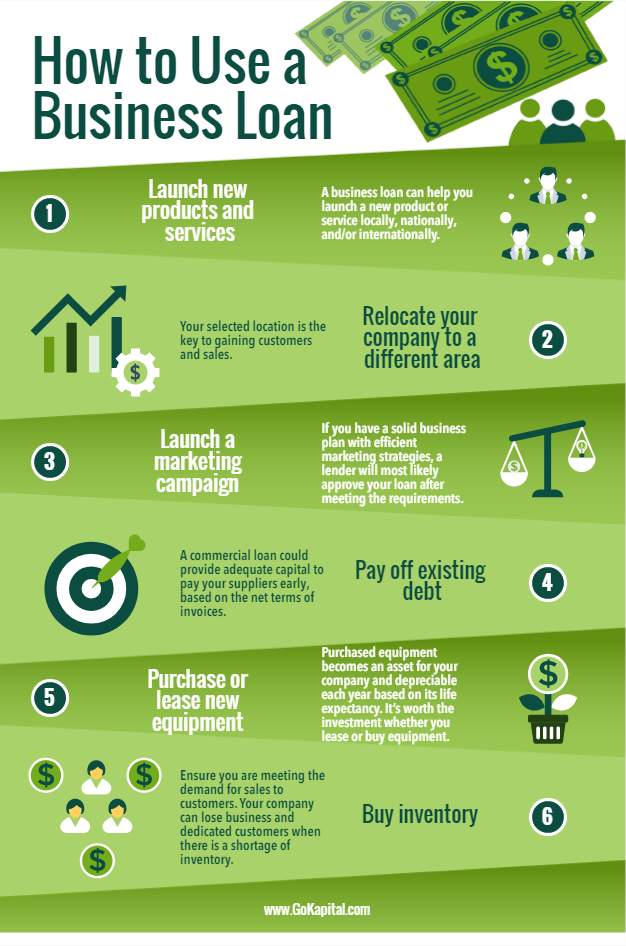
How hard it is to get a loan often depends on what you plan to do with the money. Lenders are more likely to approve a loan for “hard” assets—like a piece of machinery that will increase production—than for “working capital” to cover general expenses. A well-articulated business plan that explains the “Use of Proceeds” shows the lender that the capital will generate a return on investment, making the repayment more certain.
Calculating Your Odds: Financial Ratios That Matter
Before you apply, you can demystify the difficulty by looking at your business through the lens of a bank’s credit analyst. There are specific ratios that act as the “gatekeepers” of business finance.
Debt Service Coverage Ratio (DSCR)
The DSCR is perhaps the most critical metric in business lending. It is calculated by taking your Net Operating Income and dividing it by your total annual debt payments.
- DSCR = Net Operating Income / Total Debt Service
Most lenders look for a DSCR of 1.25 or higher. This means for every dollar of debt you owe, you have $1.25 in income to cover it. If your ratio is 1.0 or lower, you are essentially living “paycheck to paycheck” in a business sense, making it nearly impossible to secure traditional financing.
Debt-to-Equity and Liquidity Ratios
Lenders also look at your Debt-to-Equity ratio to see how much of the business is financed by creditors versus the owners. A high ratio suggests the business is over-leveraged. Additionally, the “Current Ratio” (current assets divided by current liabilities) measures your liquidity. Lenders want to see that you have enough liquid cash to handle short-term obligations without defaulting on the loan. If your capital is tied up entirely in slow-moving inventory or uncollected accounts receivable, the loan process will become significantly more difficult.
Conclusion: Is It Hard? Or Just Rigorous?
The question “how hard is it to get a business loan” is best answered by looking at your level of preparation. For a business with messy books, declining revenue, and poor credit, it is exceptionally hard—and perhaps rightfully so, as more debt could lead to insolvency. However, for a business owner who maintains clean financial records, understands their debt capacity, and chooses the right lending partner, the process is not so much “hard” as it is “rigorous.”
To ease the path, focus on the fundamentals: improve your credit score, maintain a healthy cash cushion, and be transparent with your documentation. By viewing the loan application not as a hurdle to jump, but as a financial stress test for your business, you can position yourself as a low-risk candidate. In the world of finance, lower risk always translates to an easier path to capital. Whether you are looking for an SBA loan to buy a building or a line of credit to manage seasonal shifts, the key to success lies in professional preparation and a clear-eyed understanding of the numbers that drive lending decisions.
aViewFromTheCave is a participant in the Amazon Services LLC Associates Program, an affiliate advertising program designed to provide a means for sites to earn advertising fees by advertising and linking to Amazon.com. Amazon, the Amazon logo, AmazonSupply, and the AmazonSupply logo are trademarks of Amazon.com, Inc. or its affiliates. As an Amazon Associate we earn affiliate commissions from qualifying purchases.