
A business plan is often misunderstood as a mere formality—a document required by banks or a hurdle to be cleared before launching a product. However, from the perspective of the “Money” niche, a business plan is far more than a brochure; it is a sophisticated financial instrument and a strategic roadmap for capital allocation. Whether you are launching a side hustle, scaling a startup, or managing a corporate entity, the ability to articulate your financial logic is what separates a sustainable enterprise from a fleeting idea.
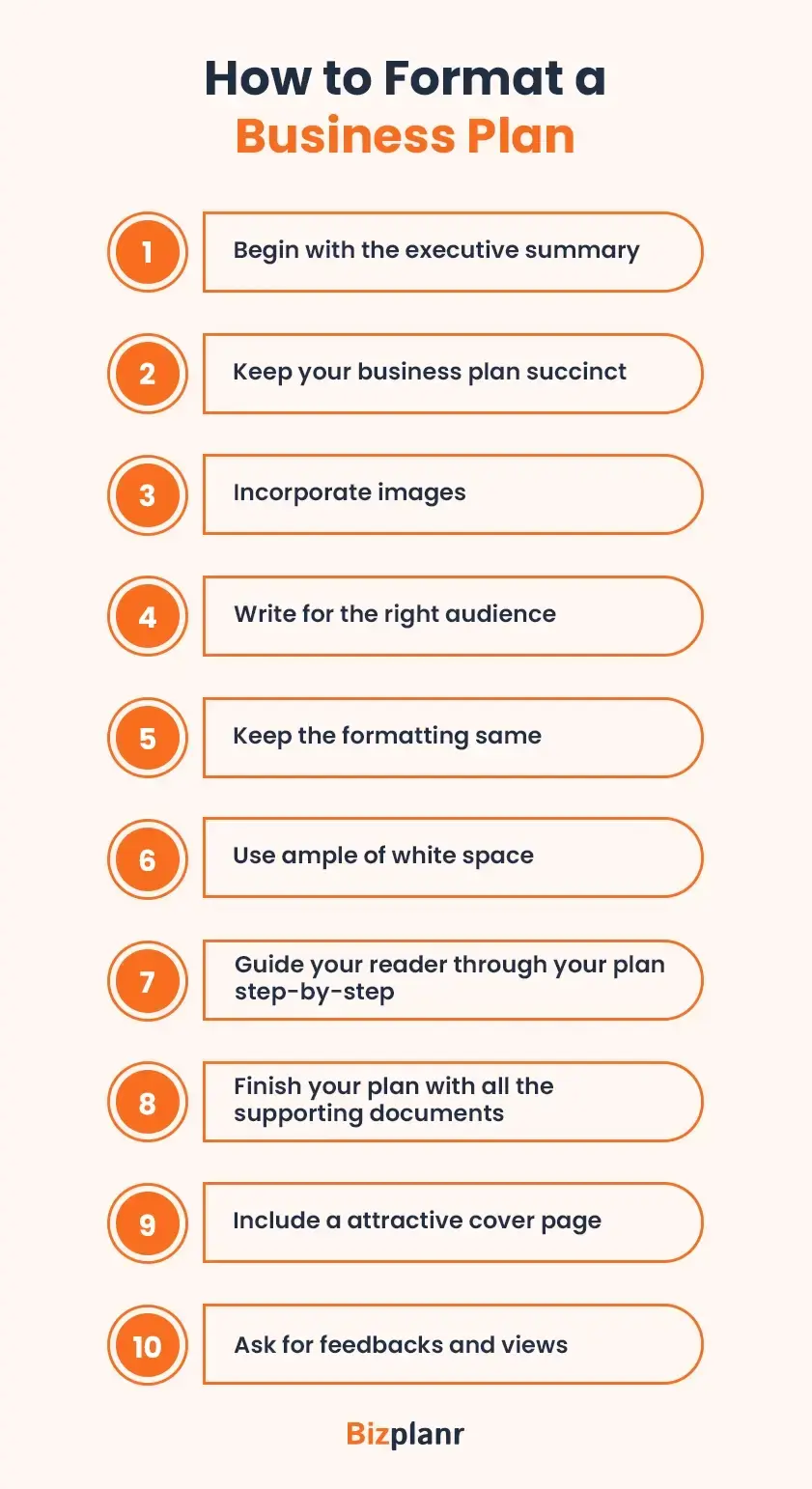
Writing a business plan requires a deep dive into the mechanics of wealth creation. It is about understanding where every dollar comes from, how it is utilized to generate value, and how it eventually returns to the stakeholders with interest. This guide explores the essential components of a business plan, focusing strictly on the financial structures, investment strategies, and fiscal management necessary to build a profitable business.
1. The Financial Foundation: Market Analysis and Revenue Modeling
Before a single dollar is spent on operations, a business plan must establish the economic environment in which it will operate. This section is not about general “marketing” but about identifying the total addressable market (TAM) and the specific revenue streams that will fuel the company’s growth.
Defining Your Revenue Streams
Every business needs a clear engine for generating income. In this section of your plan, you must detail how you intend to make money. Are you relying on high-volume, low-margin transactions, or a premium, high-margin model? Will you utilize recurring subscription revenue, which offers better cash flow predictability, or one-time sales? From a financial standpoint, the stability and scalability of these revenue streams determine your valuation. A business plan that identifies diversified income sources is often viewed as more resilient by potential investors and lenders.
Market Size and Economic Feasibility
Understanding the financial potential of your niche requires a data-driven approach. You must quantify the demand. This involves calculating the Serviceable Obtainable Market (SOM)—the portion of the market you can realistically capture within your first few years. By grounding your projections in realistic market share percentages, you demonstrate fiscal responsibility. This sub-section should also analyze your competitors’ pricing strategies to ensure your own price points allow for healthy gross margins while remaining competitive in the current economic climate.
2. Structuring for Solvency: Operational Costs and Capital Expenditure
Solvency is the lifeblood of any business. In the “Money” category, we focus heavily on the difference between “burn rate” and “sustainability.” Your business plan must meticulously outline your cost structure to ensure that your overhead does not outpace your income.
Managing Operating Expenses (OpEx)
Operating expenses are the day-to-day costs required to keep the business running. These include rent, payroll, utilities, and insurance. In your business plan, you should categorize these into fixed and variable costs. A high proportion of variable costs can be advantageous during economic downturns, as they scale down with your revenue. Conversely, high fixed costs require a higher “break-even point.” Detailing these costs shows lenders that you have a firm grasp on your “runway”—the amount of time your business can survive before it needs to turn a profit or seek more funding.
Understanding Capital Expenditure (CapEx)
While OpEx covers the daily grind, CapEx refers to the major investments in long-term assets, such as equipment, property, or proprietary technology. In this section of the business plan, you must justify these expenditures. How will a $50,000 piece of machinery increase your production capacity? What is the expected Return on Investment (ROI) for these assets? By treating every purchase as a capital investment, you shift the focus from “spending” to “wealth building.”
3. Mastering Financial Projections and Cash Flow Analysis
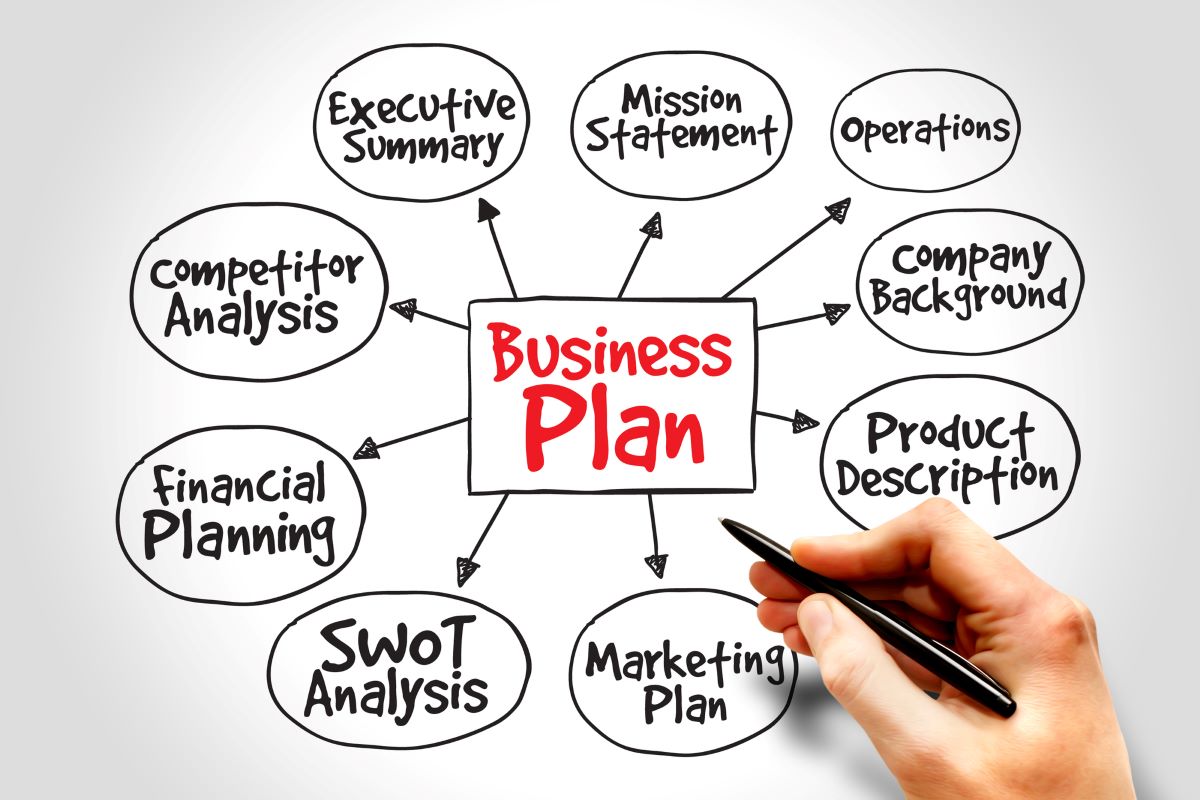
The heart of any professional business plan is the financial appendix. This is where your narrative meets the cold, hard reality of numbers. Sophisticated investors often skip the executive summary and go straight to the cash flow statement.
The Three Pillars: Income, Balance Sheet, and Cash Flow
A comprehensive plan includes three key financial statements.
- The Income Statement (P&L): This tracks your revenue and expenses over a specific period, culminating in your net profit.
- The Balance Sheet: This provides a snapshot of your financial health, listing assets, liabilities, and equity. It proves that the business owns more than it owes.
- The Cash Flow Statement: This is the most critical for new businesses. It tracks the actual movement of cash in and out. A business can be “profitable” on paper (accrual accounting) but still fail because it lacks the liquid cash to pay its bills.
Break-Even and Sensitivity Analysis
When will your business start paying for itself? The break-even analysis identifies the exact point where total revenue equals total costs. Beyond this, your business plan should include a “sensitivity analysis” or “stress test.” What happens to your finances if your supply costs increase by 20%? What if your sales are 30% lower than expected? Demonstrating that your business can survive “worst-case scenarios” builds immense confidence with financial institutions and private investors.
4. Securing Capital: Funding Strategies and Investor ROI
Most business plans are written with the goal of securing capital. Whether you are looking for a small business loan, an angel investor, or venture capital, you must frame your plan as a lucrative opportunity for the provider of that capital.
Debt vs. Equity Financing
Your plan should clearly state what kind of funding you are seeking. Debt financing (loans) allows you to maintain full ownership but requires regular interest payments, which can strain cash flow. Equity financing involves selling a portion of your business to investors. This doesn’t require monthly payments, but it does mean sharing future profits and decision-making power. A strong business plan weighs the Weighted Average Cost of Capital (WACC) to determine which path is most efficient for the company’s long-term financial health.
The Investor’s Perspective: The Exit Strategy
If you are seeking equity investment, the investor wants to know one thing: “How and when do I get my money back?” Your business plan must include an exit strategy. This could be an Initial Public Offering (IPO), an acquisition by a larger company, or a management buyout. By defining the “end game,” you show that you are focused on maximizing shareholder value and generating a significant Internal Rate of Return (IRR).
5. Long-term Wealth Creation and Fiscal Governance
Writing a business plan is not just about the launch; it is about the sustained accumulation of wealth. This final section of the plan should address how the business will manage its profits once it becomes successful.
Reinvestment and Dividend Policy
Once the business is cash-flow positive, how will the surplus be used? Will the profits be reinvested into research and development to spark further growth, or will they be distributed to owners and shareholders as dividends? In a “Money”-focused plan, this decision is dictated by the “hurdle rate”—if the business can generate a higher return by reinvesting the money than the shareholders could get elsewhere, reinvestment is the logical financial choice.
Implementing Internal Controls and Financial Oversight
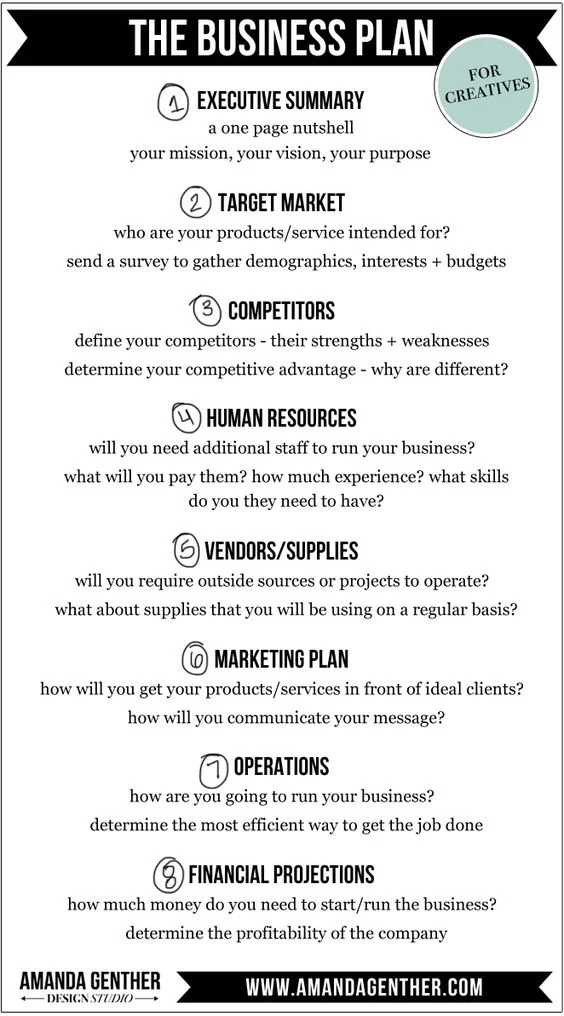
To protect the assets of the business, your plan must outline your methods for financial governance. This includes who has the authority to sign checks, how audits will be conducted, and what software will be used for real-time financial tracking. Good fiscal governance prevents fraud, reduces waste, and ensures that the business remains an “investable” entity for years to come.
Conclusion
A business plan written through the lens of finance is a powerful tool for clarity and conviction. By focusing on revenue models, cost structures, detailed financial projections, and capital efficiency, you transform a creative idea into a viable economic engine. The process of writing the plan forces you to confront the financial realities of your industry, allowing you to mitigate risks before they manifest and capitalize on opportunities as they arise. Ultimately, a well-crafted business plan is the blueprint for turning vision into value and ambition into lasting wealth.
aViewFromTheCave is a participant in the Amazon Services LLC Associates Program, an affiliate advertising program designed to provide a means for sites to earn advertising fees by advertising and linking to Amazon.com. Amazon, the Amazon logo, AmazonSupply, and the AmazonSupply logo are trademarks of Amazon.com, Inc. or its affiliates. As an Amazon Associate we earn affiliate commissions from qualifying purchases.