
In the world of high-stakes finance, few phrases carry as much weight as “What did the Dow close at today?” For the seasoned investor, the casual saver, and the global economist alike, the closing value of the Dow Jones Industrial Average (DJIA) is more than just a numerical figure; it is a vital sign of the world’s largest economy. Whether the ticker flashes green or red at 4:00 PM Eastern Time, the implications ripple through retirement accounts, corporate boardrooms, and international markets.
Understanding the daily movements of the Dow requires more than a glance at a smartphone notification. It necessitates an appreciation for what the index represents, the mechanics of its calculation, and how individual investors can use this information to build long-term wealth.

The Anatomy of the Index: What the Dow Jones Represents in Today’s Economy
The Dow Jones Industrial Average is the oldest and most recognized stock market index in the world. Founded by Charles Dow in 1896, it originally consisted of just 12 industrial companies. Today, it has evolved into a powerhouse of 30 “blue-chip” companies that represent the backbone of the American and global economies.
The Composition of the Index
Unlike the S&P 500, which tracks 500 companies based on market capitalization, the Dow is a price-weighted index. This means that companies with higher stock prices have a greater influence on the index’s daily fluctuations than those with lower prices. The 30 components are selected by the editors of the Wall Street Journal to ensure they accurately reflect the current state of the U.S. economy. While “Industrial” remains in the name, the modern Dow includes giants from technology, healthcare, retail, and financial services, such as Microsoft, Apple, UnitedHealth Group, and Goldman Sachs.
Why 30 Stocks Tell a Global Story
Critics often argue that 30 companies cannot possibly represent the complexity of the modern market. However, because these 30 companies are multinational behemoths with operations in nearly every country on earth, the Dow serves as a proxy for global consumer demand and industrial health. When the Dow closes up, it often signals confidence in corporate earnings and a positive outlook for the broader economic landscape. Conversely, a sharp drop can signal anxiety regarding inflation, interest rates, or geopolitical instability.
Analyzing the Closing Price: More than Just a Number
The “closing price” is the final price at which a security is traded during a regular trading session. In the context of the Dow Jones, the closing number is the definitive benchmark used by fund managers to evaluate performance and by the media to summarize the day’s economic narrative.
The Significance of the “Closing Bell”
The ringing of the bell at the New York Stock Exchange (NYSE) marks the end of the standard trading day. The closing price of the Dow is particularly significant because it reflects the “collective wisdom” of all market participants after they have digested the day’s news. Unlike the volatility seen at the opening of the market—often driven by overnight news and emotional reactions—the closing price represents a period of consolidation. It is the price that institutions use to “mark to market” their portfolios, making it the most scrutinized data point of the day.
Factors That Influenced Today’s Market Movement
When asking what the Dow closed at today, an investor must also ask why. Market movements are generally driven by three primary catalysts:
- Macroeconomic Data: Reports on inflation (CPI), employment numbers, and GDP growth can send the Dow soaring or plunging.
- Monetary Policy: The Federal Reserve’s decisions on interest rates are perhaps the most influential factor. Lower rates generally boost the Dow, while higher rates can temper growth.
- Corporate Earnings: During “earnings season,” the individual performance of the 30 Dow components can cause significant swings in the index. A strong quarterly report from a heavyweight like UnitedHealth can pull the entire index upward, even if other sectors are lagging.

How to Use Dow Jones Data for Personal Investment Strategies
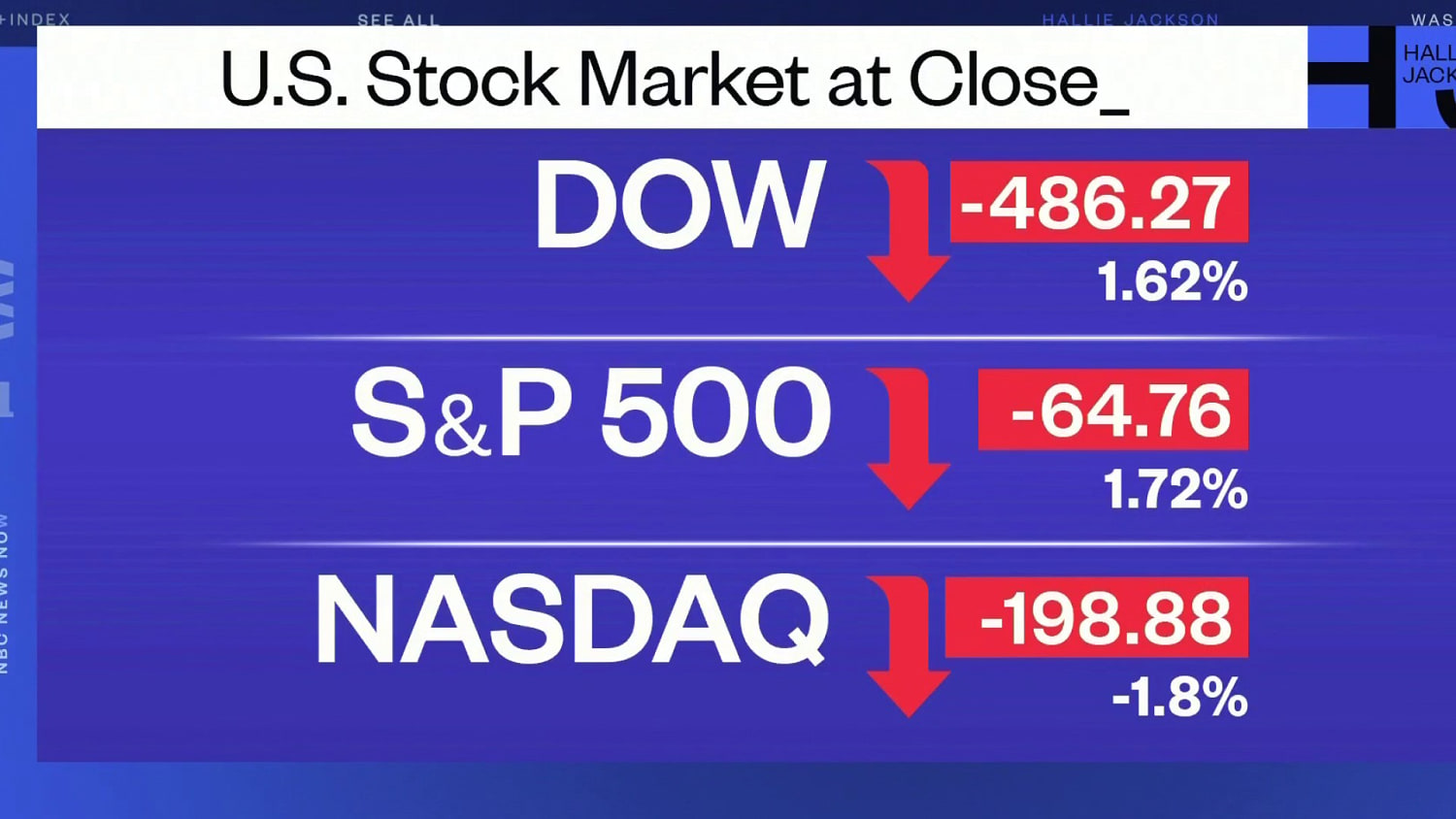
For the individual investor, the daily close of the Dow should be viewed as a single data point in a much larger constellation. While it is tempting to react emotionally to a 500-point drop, professional financial strategy dictates a more measured approach.
Long-Term Trends vs. Daily Volatility
One of the most common mistakes in personal finance is overreacting to daily fluctuations. The Dow Jones is a tool for measuring long-term economic health. Historically, despite wars, recessions, and pandemics, the Dow has trended upward over decades. Investors who focus on the “closing price today” without looking at the 5-year or 10-year chart risk making fear-based decisions. Instead of focusing on daily points, savvy investors look at moving averages—such as the 50-day or 200-day average—to determine the true direction of the market.
Diversification Beyond the Dow
While the Dow is an excellent barometer, it should not be the sole component of a portfolio. Because it is price-weighted and limited to 30 stocks, it lacks exposure to small-cap and mid-cap companies, which often drive innovation and high growth. A balanced financial plan uses the Dow as a reference point but diversifies across the S&P 500, international markets, and bond indices. Understanding where the Dow closes helps an investor gauge the “sentiment” of the market, allowing them to decide when to rebalance their assets or stay the course.
Modern Tools and Technology for Tracking Financial Markets
In the digital age, tracking the Dow Jones has moved far beyond the morning newspaper. Technology has democratized financial data, allowing the average person to access the same information as a Wall Street hedge fund manager in real-time.
Real-Time vs. Lagged Reporting
When you search for “what did the Dow Jones close at today,” it is important to know if the data you are seeing is real-time or delayed. Most free websites provide data that is 15 minutes behind the actual market. For active traders, real-time data feeds are essential. However, for the long-term investor, the official closing price—available immediately after 4:00 PM EST—is the only number that truly matters for record-keeping and performance tracking.
Leveraging Financial Dashboards for Better Decision Making
Modern financial tools allow users to visualize the Dow’s performance through various lenses. Apps and platforms such as Bloomberg, Yahoo Finance, and specialized brokerage dashboards provide “heat maps” showing which of the 30 Dow stocks contributed most to the day’s movement. By using these tools, investors can see if a Dow rally was broad-based (meaning most stocks went up) or if it was skewed by a single high-priced stock. This level of insight is crucial for understanding whether a market “close” is a sign of genuine strength or a temporary anomaly.
The Psychological Impact of the Market Close
Beyond the math and the tickers, the Dow Jones closing number serves a psychological purpose. It provides a sense of closure to the financial day. In a world of 24/7 news cycles and “after-hours” electronic trading, the official closing price of the Dow remains the anchor. It is the benchmark that defines the narrative: “The market was up today” or “The market was down today.”
For the disciplined investor, the daily close is a reminder of the market’s resilience. Every time the Dow hits a new “all-time high” at the close, it validates the strategy of long-term participation in the capitalist economy. Even on days when the close is disappointing, it provides the data necessary to recalibrate expectations and prepare for the next session.
Ultimately, knowing what the Dow Jones closed at today is just the beginning. The real value lies in understanding the forces that moved those 30 companies and how those movements align with your personal financial goals. By looking past the headlines and focusing on the underlying economic drivers, you can transform a simple number into a powerful tool for building financial security.
aViewFromTheCave is a participant in the Amazon Services LLC Associates Program, an affiliate advertising program designed to provide a means for sites to earn advertising fees by advertising and linking to Amazon.com. Amazon, the Amazon logo, AmazonSupply, and the AmazonSupply logo are trademarks of Amazon.com, Inc. or its affiliates. As an Amazon Associate we earn affiliate commissions from qualifying purchases.