
The landscape of equity investment has undergone a radical transformation over the last decade. Gone are the days when purchasing a stock required a high-priced phone call to a floor broker or a physical visit to a mahogany-paneled office. Today, the democratization of finance has placed the power of the global markets into the palm of your hand. However, this abundance of choice brings a new challenge: discernment. Knowing exactly where to purchase stocks is no longer just about finding a gateway to the market; it is about selecting a partner that aligns with your financial goals, risk tolerance, and technological preferences.

In this comprehensive guide, we will explore the primary avenues for purchasing stocks, the criteria for selecting a brokerage, and the specialized programs that allow investors to build wealth outside of traditional trading platforms.
Understanding the Landscape: Traditional vs. Modern Brokerage Platforms
The first step in your investment journey is identifying the type of institution that best suits your needs. The brokerage industry is generally divided into three categories, each serving a different type of investor.
The Rise of Discount Online Brokers
Discount brokers, such as Charles Schwab, E*TRADE, and Fidelity, have become the gold standard for individual investors. These platforms have largely moved to a zero-commission model for domestic stock and ETF trades. They offer a middle ground between “do-it-yourself” simplicity and professional-grade tools. When you choose a discount broker, you are paying for a robust infrastructure that includes extensive research reports, high-level charting software, and reliable customer service. These platforms are ideal for investors who want to manage their own portfolios but require deep data to make informed decisions.
Full-Service Brokerages: When is the Extra Cost Worth It?
Full-service brokers like Morgan Stanley or Merrill Lynch offer a much more hands-on approach. Unlike discount brokers, where you make the trades yourself, full-service firms provide dedicated financial advisors who offer personalized investment advice, estate planning, and tax strategies. While they charge higher fees—often a percentage of assets under management (AUM)—the value lies in the holistic financial relationship. If you have a complex financial situation or a high net worth, purchasing stocks through a full-service broker ensures your equity moves are synchronized with your broader wealth management goals.
Mobile Trading Apps: Investing on the Go
The newest entrants to the market are mobile-first platforms like Robinhood, Webull, and Public. These apps have revolutionized the “Money” niche by making the user interface as intuitive as a social media feed. They are often the first choice for younger investors or those looking to start with small amounts of capital through fractional shares. While they may lack the deep fundamental research tools of a Fidelity or Schwab, they excel in accessibility and community-driven features.
Key Factors to Consider When Choosing a Platform
Choosing where to purchase stocks is a long-term decision. Switching brokers can be a bureaucratic headache involving ACATS (Automated Customer Account Transfer Service) forms and potential fees. Therefore, it is critical to evaluate platforms based on several key pillars.
Commission Fees and Hidden Costs
While “zero-commission” is the industry buzzword, no platform operates entirely for free. Investors must look at the fine print. Does the broker charge an annual maintenance fee? Are there “inactivity fees” if you don’t trade for a few months? More importantly, for those interested in options or international stocks, what are the per-contract or currency conversion fees? Understanding the total cost of ownership is vital for maintaining high net returns over time.
User Interface and Experience (UI/UX)
The “where” of stock purchasing is heavily influenced by the “how.” A professional trader might require a complex “Level II” data feed and a desktop application that supports multiple monitors. Conversely, a passive index investor may only need a clean, simple interface that allows them to set up recurring monthly purchases. Before committing, many investors use “paper trading” accounts—simulated environments offered by brokers like TD Ameritrade (via thinkorswim)—to test whether the platform’s layout feels intuitive.
Educational Resources and Research Tools
For the self-directed investor, information is the most valuable currency. Top-tier platforms provide integrated access to Morningstar ratings, Reuters news feeds, and proprietary analyst reports. When deciding where to buy stocks, evaluate the quality of the “Screeners” available. Can you filter stocks by P/E ratio, dividend yield, or debt-to-equity? A broker that provides high-quality data saves you the cost of subscribing to third-party financial news services.
Specialized Methods for Purchasing Stocks
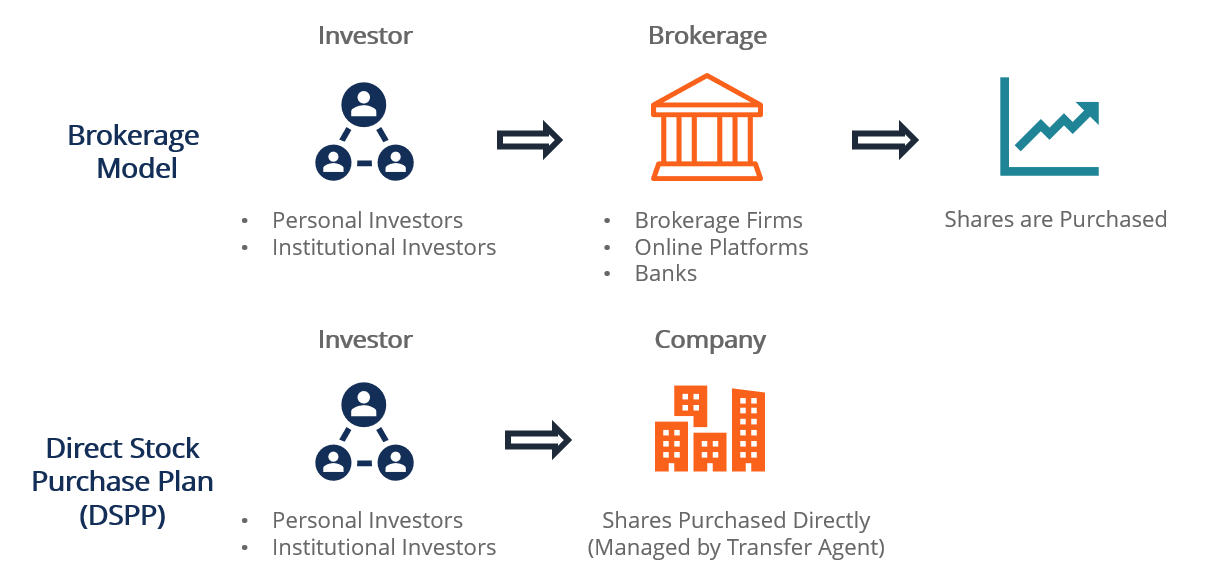
While most people think of a brokerage account as the only way to enter the market, several specialized “Money” niche strategies allow for stock acquisition through different channels.
Direct Stock Purchase Plans (DSPPs)
Some corporations allow investors to bypass brokers entirely and buy shares directly from the company. Major blue-chip entities often offer Direct Stock Purchase Plans. The primary advantage here is the avoidance of brokerage fees and the ability to invest very small dollar amounts. However, the downside is lack of flexibility; you cannot sell your shares instantly as you would on an exchange, and the paperwork can be more cumbersome during tax season.
Dividend Reinvestment Plans (DRIPs)
A DRIP is a powerful tool for long-term wealth accumulation. Instead of receiving your quarterly dividends as cash, the company (or your broker) automatically uses those funds to purchase more shares—often including fractional shares. Many investors choose their purchase platform based on how easily it handles DRIPs. Some brokers offer “Synthetic DRIPs” which allow you to reinvest dividends even for companies that don’t have an official plan, compounding your wealth automatically over decades.
Employee Stock Purchase Plans (ESPPs)
If you work for a publicly traded company, your best place to purchase stocks might be through your own HR department. ESPPs often allow employees to buy company stock at a discount—sometimes as much as 15% below the market price. This represents an immediate return on investment that no traditional brokerage can match. However, from a personal finance perspective, it is important to ensure you aren’t over-concentrated in your employer’s stock, as your income and your investment portfolio would then be tied to the same entity.
Security and Regulatory Oversight
In the world of personal finance and investing, the security of your capital is paramount. Where you purchase stocks must be as secure as the bank where you keep your savings.
Understanding SIPC and FDIC Protections
When evaluating a platform, ensure they are a member of the Securities Investor Protection Corporation (SIPC). If a brokerage firm fails, the SIPC protects the securities and cash in your account up to $500,000 (including a $250,000 limit for cash). It is important to note that SIPC does not protect you against market losses—only against the failure of the institution itself. For the cash sitting in your brokerage account waiting to be invested, many brokers offer “sweep” programs that move that money into FDIC-insured bank accounts.
Two-Factor Authentication and Digital Safety
Since most stock purchasing now happens online, digital security is the first line of defense. Professional-grade platforms offer robust Two-Factor Authentication (2FA), often using hardware keys or biometric data rather than just SMS codes. When choosing a platform, investigate their history of uptime and their insurance policies regarding unauthorized account access.
Regulatory Bodies: SEC and FINRA
In the United States, any legitimate place to purchase stocks must be registered with the Securities and Exchange Commission (SEC) and be a member of the Financial Industry Regulatory Authority (FINRA). These organizations ensure that brokers operate with transparency and adhere to “suitability” and “best execution” rules—meaning they must execute your trades at the best possible market price without conflict of interest.
Step-by-Step Guide to Making Your First Purchase
Once you have selected your platform, the process of moving from a spectator to an owner is straightforward but requires attention to detail.
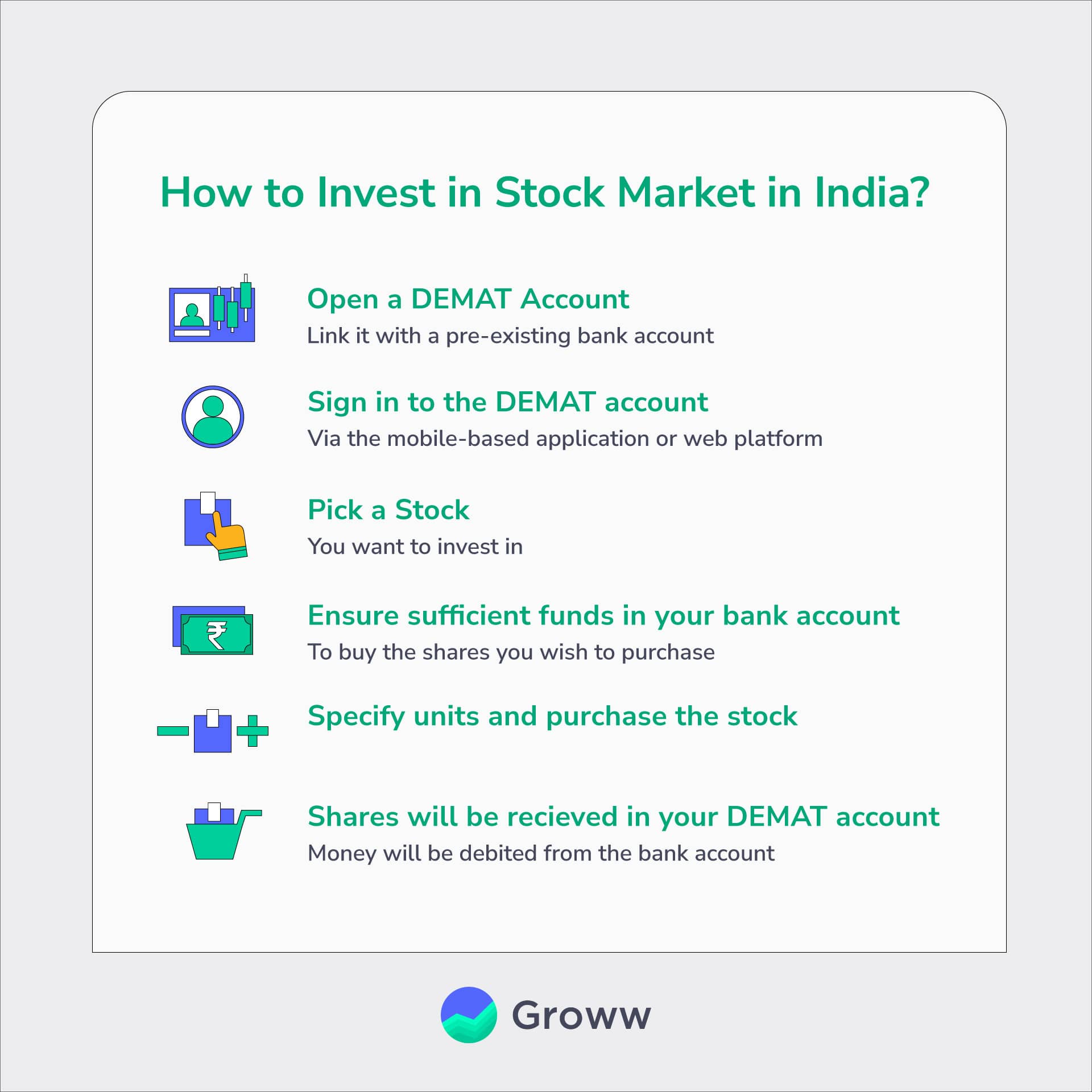
Setting Up Your Brokerage Account
To open an account, you will need to provide personal identification, your Social Security Number (for tax reporting), and employment information. You will also be asked to choose an account type. Individual Brokerage Accounts are the most flexible, but if you are buying stocks for retirement, you may want to open an IRA (Individual Retirement Account) or a Roth IRA to take advantage of significant tax benefits.
Funding the Account and Placing Orders
Most platforms allow for instant funding via ACH transfer from your bank. Once the funds are available, you must decide on an “Order Type.” A Market Order buys the stock immediately at the current price, while a Limit Order allows you to specify the maximum price you are willing to pay. Professional investors typically prefer limit orders to protect themselves from sudden price spikes during the split second it takes to execute a trade.
Monitoring and Rebalancing Your Portfolio
Purchasing the stock is only the beginning. The “Money” niche emphasizes that successful investing is a process of management. You should regularly review your holdings to ensure your portfolio hasn’t become too “top-heavy” in one sector. Most modern platforms offer portfolio tracking tools that show your “Asset Allocation,” helping you see at a glance if you have too much exposure to tech, energy, or consumer goods.
By carefully selecting where to purchase stocks based on fees, security, and toolsets, you set the foundation for a disciplined and profitable investment career. Whether you choose a high-speed mobile app or a venerable full-service firm, the goal remains the same: putting your capital to work in the engines of global commerce.
aViewFromTheCave is a participant in the Amazon Services LLC Associates Program, an affiliate advertising program designed to provide a means for sites to earn advertising fees by advertising and linking to Amazon.com. Amazon, the Amazon logo, AmazonSupply, and the AmazonSupply logo are trademarks of Amazon.com, Inc. or its affiliates. As an Amazon Associate we earn affiliate commissions from qualifying purchases.