
In the annals of American history, the Progressive Movement is typically defined as a period of widespread social activism and political reform spanning from the 1890s to the 1920s. However, in the high-stakes world of corporate identity and brand strategy, the “Progressive Movement” refers to a much more recent and ongoing seismic shift. This modern movement marks the transition of brands from silent providers of goods and services to active participants in social, environmental, and political discourse.
Understanding when this movement began—and how it has redefined the relationship between companies and consumers—is essential for any strategist looking to navigate the complexities of the 21st-century marketplace. This article explores the timeline of this branding evolution, the strategic pillars that support it, and the risks inherent in leading a brand through its own progressive era.
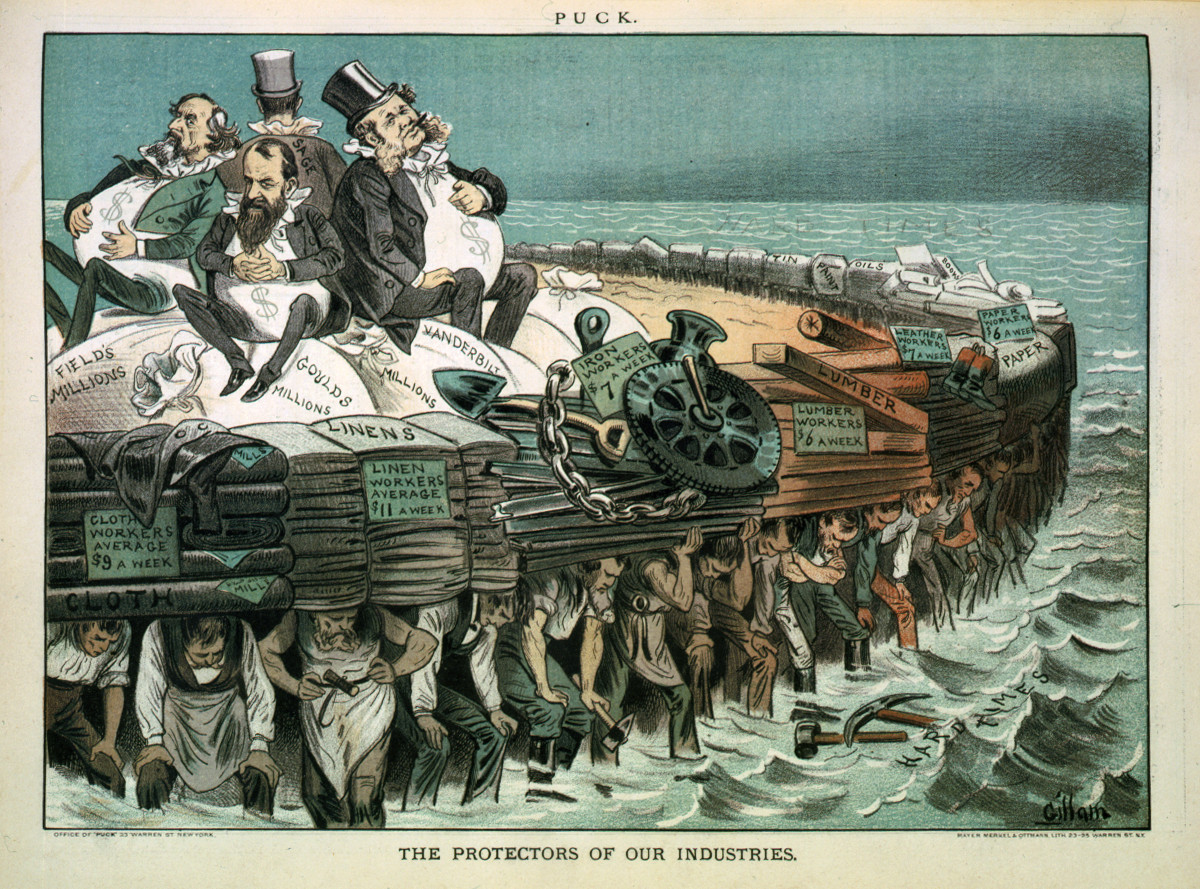
The Historical Context: From Commodity to Identity
To understand the modern progressive movement in branding, we must first look at the landscape that preceded it. For much of the 20th century, branding was transactional. A brand was a promise of quality, a badge of consistency, and a tool for differentiation based on utility.
From Product Features to Emotional Resonance
In the mid-20th century, the “Golden Age” of advertising shifted the focus from what a product did to how it made the consumer feel. However, even during this era, brands remained largely apolitical. A detergent brand sold “whiter whites,” not a vision for social equality. The “movement” toward progressive values began as a slow burn in the late 1980s and 1990s, as companies like Patagonia and Ben & Jerry’s began to bake environmentalism and social justice into their corporate DNA. These outliers proved that a brand could stand for something beyond its bottom line and still thrive.
The Rise of the Value-Driven Consumer
The true catalyst for the branding progressive movement arrived with the maturation of the Millennial and Gen Z cohorts. For these consumers, a purchase is not just a transaction; it is a vote. According to various market research studies, over 70% of modern consumers want brands to take a stand on social issues. This demographic shift forced a realization in boardrooms across the globe: neutrality was no longer the “safe” option; it was a fast track to irrelevance.
The Turning Point: When Branding Became Political
If the seeds of the movement were sown in the 90s, the “Progressive Movement” as a dominant brand strategy officially took hold in the mid-2010s. This was the era when brand activism moved from the fringes of “crunchy” niche companies to the core strategies of the world’s largest corporations.
The 2010s Catalyst: Social Media and Transparency
The explosion of social media platforms like Twitter and Instagram acted as an accelerant. Suddenly, brands had a direct, 24/7 line of communication with their audience. This transparency meant that a company’s internal culture, its supply chain ethics, and its political contributions were now public knowledge. Brands were forced to develop a “soul” because their “skin” was being scrutinized more than ever before.
Case Studies in Early Progressive Positioning
The year 2018 is often cited as a landmark moment in this timeline, marked by Nike’s “Dream Crazy” campaign featuring Colin Kaepernick. By aligning with a polarizing figure to highlight systemic issues, Nike signaled that it was willing to alienate a portion of its customer base to solidify its bond with a more progressive, younger audience. This was a calculated brand strategy that paid off in record-breaking sales and a massive boost in brand equity. It served as a blueprint for the “Progressive Movement” in corporate identity: identify a core value, take a bold stand, and accept the trade-offs.
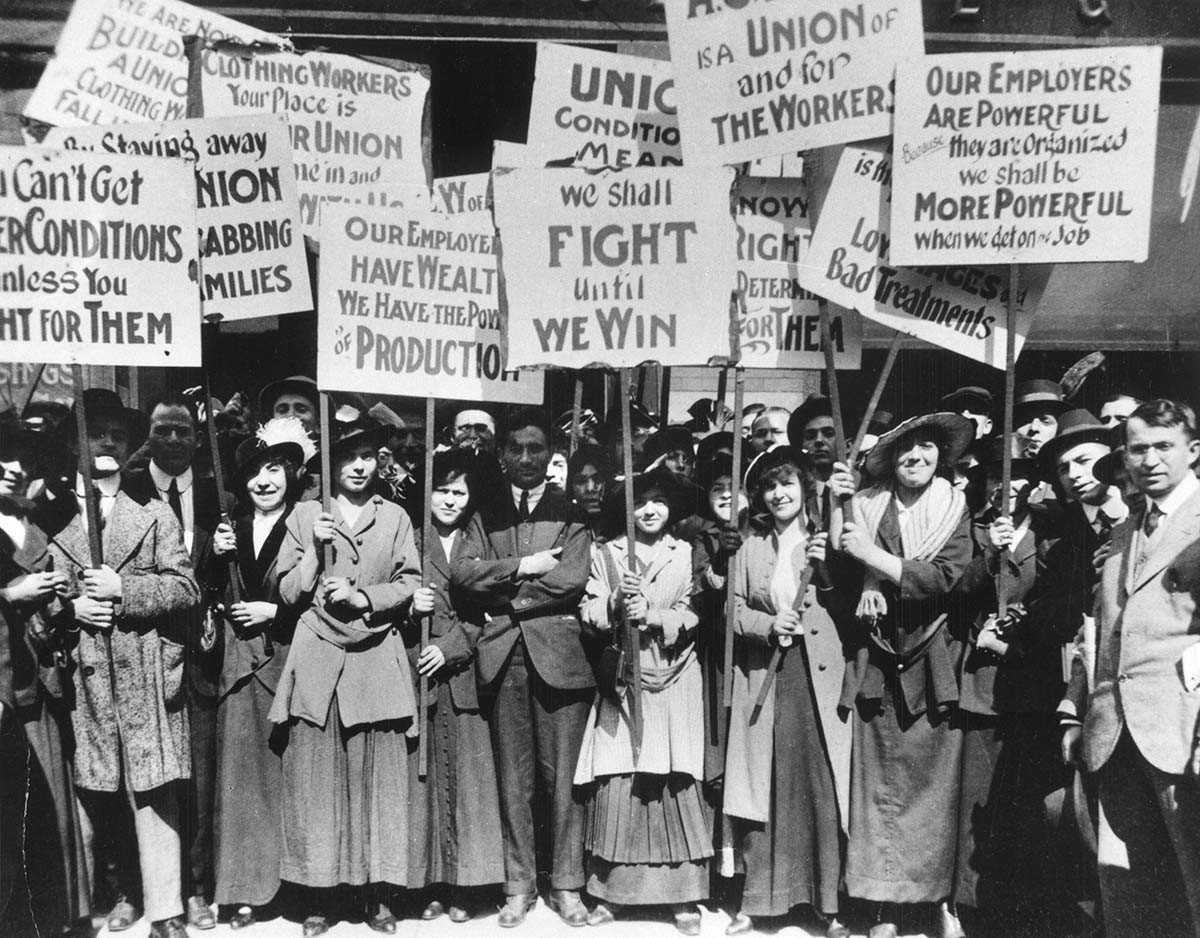
The Mechanics of a Progressive Brand Strategy
Transitioning a brand into the progressive era is not merely a matter of changing a logo to rainbow colors during Pride Month or posting a black square on Instagram. It requires a fundamental restructuring of the brand’s identity and operational philosophy.
Authenticity vs. Virtue Signaling
The greatest threat to a brand during this movement is the perception of “virtue signaling”—expressing support for a cause without taking substantive action. A progressive brand strategy must be “inside-out.” This means that the brand’s external messaging must be reflected in its internal policies, such as diversity in hiring, pay equity, and sustainable sourcing. If there is a gap between a brand’s progressive rhetoric and its business practices, the resulting backlash can be catastrophic to its reputation.
Aligning Corporate Identity with Social Causes
Successful progressive branding requires a logical link between the brand’s industry and the causes it supports. For example, a financial services brand focusing on “Financial Literacy for Underrepresented Communities” feels authentic because it leverages the brand’s core expertise to solve a social problem. When a brand identifies its “North Star”—a purpose that justifies its existence beyond making a profit—it gains a strategic framework that informs every marketing decision, product launch, and partnership.
Navigating the Risks of the Progressive Movement
While the rewards of a successful progressive brand strategy are significant—including increased customer loyalty and a more engaged workforce—the risks are equally daunting. We are currently living in an era of intense polarization, where a brand’s “progressive” stance can quickly become a lightning rod for controversy.
The “Purpose Trap” and Consumer Backlash
Not every brand needs to be a social activist. The “Purpose Trap” occurs when a brand feels pressured to take a stand on every trending social issue, regardless of whether it has the credibility or the “right” to do so. This can lead to accusations of opportunism. Furthermore, brands must be prepared for the “anti-progressive” backlash. As seen in recent years with major beverage and retail brands, taking a stance that is perceived as too “woke” can lead to boycotts and significant loss of market value in specific segments.
Sustaining Long-Term Brand Equity
The key to surviving the volatility of the progressive movement is consistency. A brand cannot be progressive on Mondays and conservative on Fridays. Strategic brand management in this era requires a long-term commitment. Strategists must conduct thorough risk assessments to understand how a progressive shift will affect their various stakeholder groups—from shareholders and employees to the diverse segments of their customer base. The goal is to build “Brand Insulation”—a reservoir of goodwill and a clear, unwavering identity that allows the company to weather temporary storms of criticism.

The Future of the Movement: Beyond Activism to Impact
As we look toward the future, the “Progressive Movement” in branding is evolving again. We are moving past the era of “Brand Activism” (speaking out) and into the era of “Brand Impact” (creating tangible change).
The brands that will win in the coming decade are those that don’t just talk about progress but integrate it into their business model. This includes the move toward a circular economy, the adoption of B-Corp certifications, and the use of technology to provide radical transparency in the supply chain. The question is no longer “When was the progressive movement?” but rather, “How is your brand contributing to the progress of society?”
In conclusion, the progressive movement in the context of brand strategy is not a historical artifact; it is the current operating reality. It began as a niche philosophy for a few mission-driven companies and has matured into a global standard for corporate identity. For brands today, the path forward is clear: define your values, align your actions with those values, and lead with an authentic voice. In a world of infinite choice, the most progressive brands aren’t just selling products—they are architecting a better future, one customer at a time.
aViewFromTheCave is a participant in the Amazon Services LLC Associates Program, an affiliate advertising program designed to provide a means for sites to earn advertising fees by advertising and linking to Amazon.com. Amazon, the Amazon logo, AmazonSupply, and the AmazonSupply logo are trademarks of Amazon.com, Inc. or its affiliates. As an Amazon Associate we earn affiliate commissions from qualifying purchases.