
The question of “what to watch on Paramount+” is often framed through the lens of cinematic preference, but for the modern technophile, the answer lies within the sophisticated software architecture, delivery networks, and algorithmic engines that power the experience. Paramount+ is more than just a repository for legacy media; it is a complex digital ecosystem that utilizes cutting-edge cloud computing and data science to deliver high-fidelity content to millions of concurrent users. Understanding the platform requires looking beyond the titles and into the technological stack that defines the modern streaming landscape.
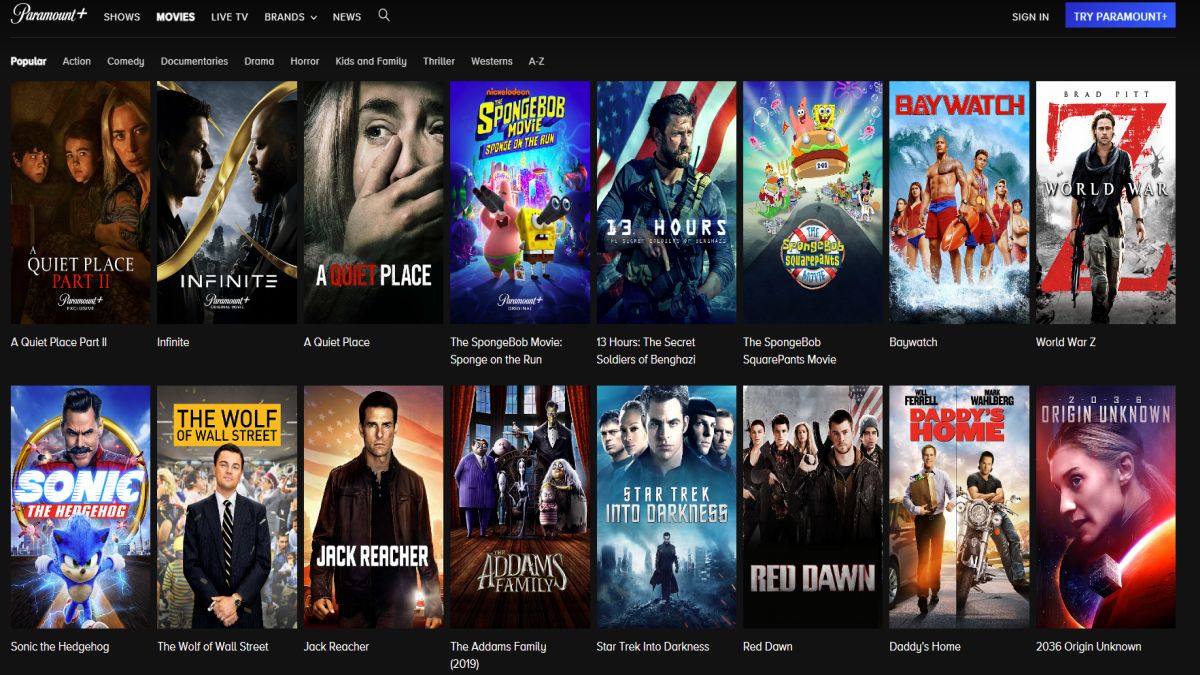
The Evolution of the Paramount+ Ecosystem: From Legacy to Cloud-Native
The transition from CBS All Access to Paramount+ represented more than a rebranding; it was a fundamental shift in the platform’s technical infrastructure. To compete in a crowded market, the service had to move toward a highly scalable, cloud-native architecture capable of handling global traffic spikes during major live events, such as the Super Bowl or UEFA Champions League matches.
Cloud Infrastructure and Scalability
At the core of the Paramount+ experience is a robust cloud infrastructure primarily hosted on Amazon Web Services (AWS) and Google Cloud Platform (GCP). By leveraging a microservices architecture, the platform can scale individual components—such as user authentication, billing, and the recommendation engine—independently. This technical modularity ensures that if the “discovery” service experiences high latency, it does not necessarily crash the video playback engine. The use of containerization through Docker and Kubernetes allows developers to deploy updates and patches seamlessly, ensuring that the software remains resilient across diverse global regions.
Cross-Platform Compatibility and API Integration
One of the greatest technical hurdles for any streaming service is the fragmentation of the hardware market. Paramount+ must maintain parity across a vast array of devices, including smart TVs (Tizen, webOS), gaming consoles (Xbox, PlayStation), streaming sticks (Roku, Fire TV), and mobile operating systems (iOS, Android). This is achieved through a sophisticated API layer that standardizes content delivery. By using a “write once, deploy many” philosophy with frameworks like React Native or specialized C++ engines for lower-level hardware, the platform ensures that the “Continue Watching” feature functions synchronously whether a user is on a smartphone in a subway or a high-end home theater system.
The Science of “What to Watch”: Algorithmic Curation and UX Design
When a user asks what to watch, they are essentially interacting with a complex machine-learning model designed to minimize “choice paralysis.” The interface of Paramount+ is a front-end manifestation of deep data analysis, intended to surface the most relevant content based on a multi-dimensional array of user signals.
Machine Learning in Content Recommendations
The recommendation engine on Paramount+ utilizes a hybrid approach of collaborative filtering and content-based filtering. Collaborative filtering looks at patterns among similar user profiles—if User A and User B both enjoy high-bitrate procedural dramas, the system will suggest a new series to User B based on User A’s recent history.
However, the tech goes deeper with metadata tagging. Every frame of content is indexed with thousands of data points, including genre, mood, cast, and even pacing. Natural Language Processing (NLP) is often used to analyze user search queries to better understand intent. This ensures that the “Trending” section isn’t just a static list, but a dynamic, personalized feed that adjusts in real-time based on temporal data (e.g., suggesting lighter fare on weekend mornings and premium dramas on Sunday nights).
Interface Design and User Experience (UX)
The User Interface (UI) is the bridge between the database and the viewer. Paramount+ utilizes a design language that prioritizes visual hierarchy and low cognitive load. From a technical standpoint, the “Auto-play” and “Content Preview” features are powered by low-latency video fragments that allow for instantaneous playback without full-buffer loading. The UX team employs A/B testing on a massive scale to determine which thumbnail configurations or menu placements lead to higher engagement. This data-driven design ensures that the platform’s interface is constantly evolving to reduce the time between a user opening the app and starting a stream.

High-Fidelity Streaming: Understanding Video and Audio Standards
For users seeking the best technical experience, the choice of what to watch is often dictated by the output quality. Paramount+ has made significant strides in integrating high-dynamic-range (HDR) and object-based audio to provide a cinema-grade experience in the home.
4K UHD, HDR10, and Dolby Vision Integration
The technical pinnacle of the platform is its support for 4K Ultra High Definition (UHD) combined with advanced HDR formats like Dolby Vision and HDR10. High Dynamic Range (HDR) is a breakthrough in display technology that allows for a wider gamut of color and higher contrast ratios. When watching premium titles on Paramount+, the software communicates with the television’s hardware to map “metadata” to the specific brightness capabilities of the screen. This ensures that highlights are bright and shadows retain detail, preventing the “crushed blacks” often seen in lower-quality streams. The platform uses Efficient Video Coding (HEVC/H.265) to compress these massive files without sacrificing visual fidelity, optimizing bandwidth usage for users with varied internet speeds.
Spatial Audio and Dolby Atmos Capabilities
Audio is frequently overlooked in the streaming conversation, but it is a critical component of the platform’s tech stack. Paramount+ supports Dolby Atmos, an object-based audio format that goes beyond traditional 5.1 or 7.1 surround sound. Instead of assigning audio to specific channels, Atmos treats sounds as individual “objects” that can be placed in a three-dimensional space. Technically, this requires the app to bitstream the audio data directly to a compatible AV receiver or soundbar. This immersive technology is particularly prevalent in the platform’s blockbuster film library, where the spatial soundscape is as much a part of the storytelling as the visuals.
Digital Security, DRM, and the Backend Ecosystem
Behind the scenes of every “Play” button is a rigorous security protocol designed to protect intellectual property while ensuring a smooth user experience. Digital Rights Management (DRM) is the invisible layer that facilitates the legal streaming of high-value content.
DRM and Content Protection
To prevent piracy and unauthorized distribution, Paramount+ employs several DRM technologies, including Google’s Widevine, Apple’s FairPlay, and Microsoft’s PlayReady. These systems encrypt the video stream and only provide the decryption key to a verified device with a valid license. For the user, this process is invisible, happening in milliseconds during the initial handshake between the app and the server. However, it requires significant technical coordination to ensure that DRM checks do not introduce “buffering” or authentication errors, especially on older hardware that may have slower processing units for decryption.
Data Privacy and Secure Payment Gateways
In an era of increasing digital vulnerability, the security of the platform’s payment and user data is paramount. The platform utilizes PCI-DSS compliant payment gateways and AES-256 encryption for user data at rest. Furthermore, the implementation of OAuth 2.0 and Multi-Factor Authentication (MFA) options provides a layer of security for user accounts. From a technical perspective, the platform must also adhere to global privacy regulations like GDPR and CCPA, necessitating a data architecture that allows for the “right to be forgotten” and transparent data portability.

The Future of the Platform: AI and Edge Computing
As Paramount+ continues to iterate, the focus is shifting toward even more advanced technologies such as Edge Computing and AI-driven encoding. By moving content closer to the user through a distributed Content Delivery Network (CDN), the platform can reduce latency and eliminate the “jitter” associated with long-distance data transmission.
Furthermore, AI is being used not just for recommendations, but for “Per-Title Encoding.” This technical process involves an AI analyzing each scene of a movie to determine the optimal bitrate. A high-action scene might receive more data to maintain clarity, while a static dialogue scene is compressed more aggressively to save bandwidth. This intelligent resource management represents the next frontier in streaming technology, ensuring that no matter what you choose to watch on Paramount+, the technical execution is as refined as the content itself.
In conclusion, Paramount+ stands as a testament to the intersection of media and high technology. It is a platform defined by its ability to harmonize massive databases, sophisticated machine learning, and high-fidelity output standards into a single, user-friendly interface. Whether it is the seamless scalability of its cloud backend or the immersive potential of Dolby Vision and Atmos, the technology remains the true star of the show.
aViewFromTheCave is a participant in the Amazon Services LLC Associates Program, an affiliate advertising program designed to provide a means for sites to earn advertising fees by advertising and linking to Amazon.com. Amazon, the Amazon logo, AmazonSupply, and the AmazonSupply logo are trademarks of Amazon.com, Inc. or its affiliates. As an Amazon Associate we earn affiliate commissions from qualifying purchases.