
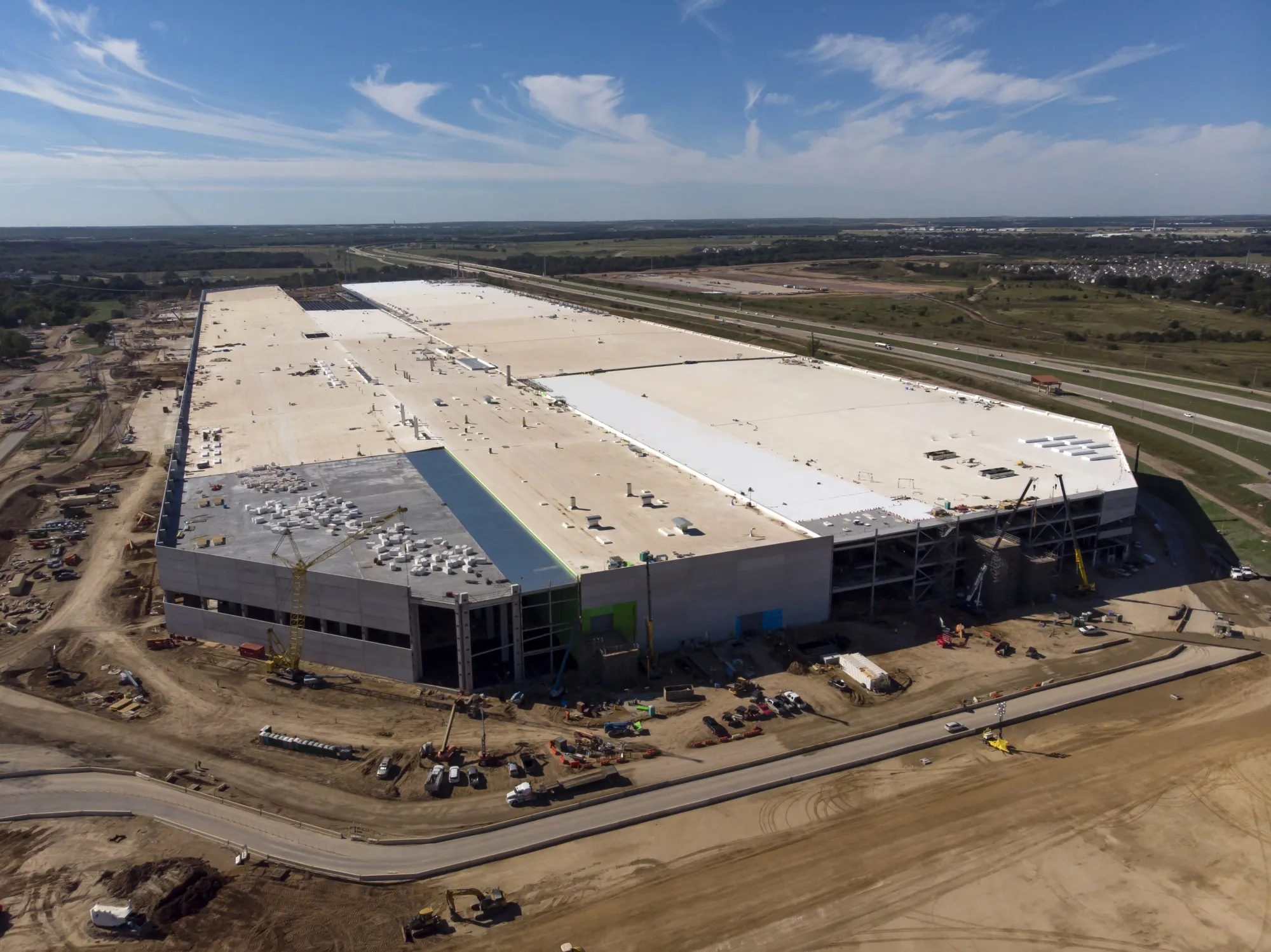
For over a decade, the answer to “where is Tesla Motors’ main headquarters” was synonymous with the heart of Silicon Valley. However, in a move that signaled a paradigm shift in the American technological landscape, Tesla officially relocated its corporate nerves to Austin, Texas. Located at 1 Tesla Road, Austin, Texas, the headquarters is more than just a suite of executive offices; it is a sprawling, high-tech manufacturing and engineering marvel known as Gigafactory Texas.
This relocation represents a fundamental shift in how tech giants approach the fusion of software and hardware. By moving the seat of power to a facility that also houses its most advanced production lines, Tesla has redefined the concept of a “corporate headquarters” into a vertically integrated tech hub.

The Strategic Shift: From Silicon Valley to the Silicon Hills
The journey of Tesla’s headquarters is a story of scaling technology from experimental prototypes to global mass production. For years, Tesla was anchored in Palo Alto, California, utilizing the intellectual density of the Bay Area to perfect its electric vehicle (EV) software and battery management systems.
The Legacy of Palo Alto: Where Software Met Steel
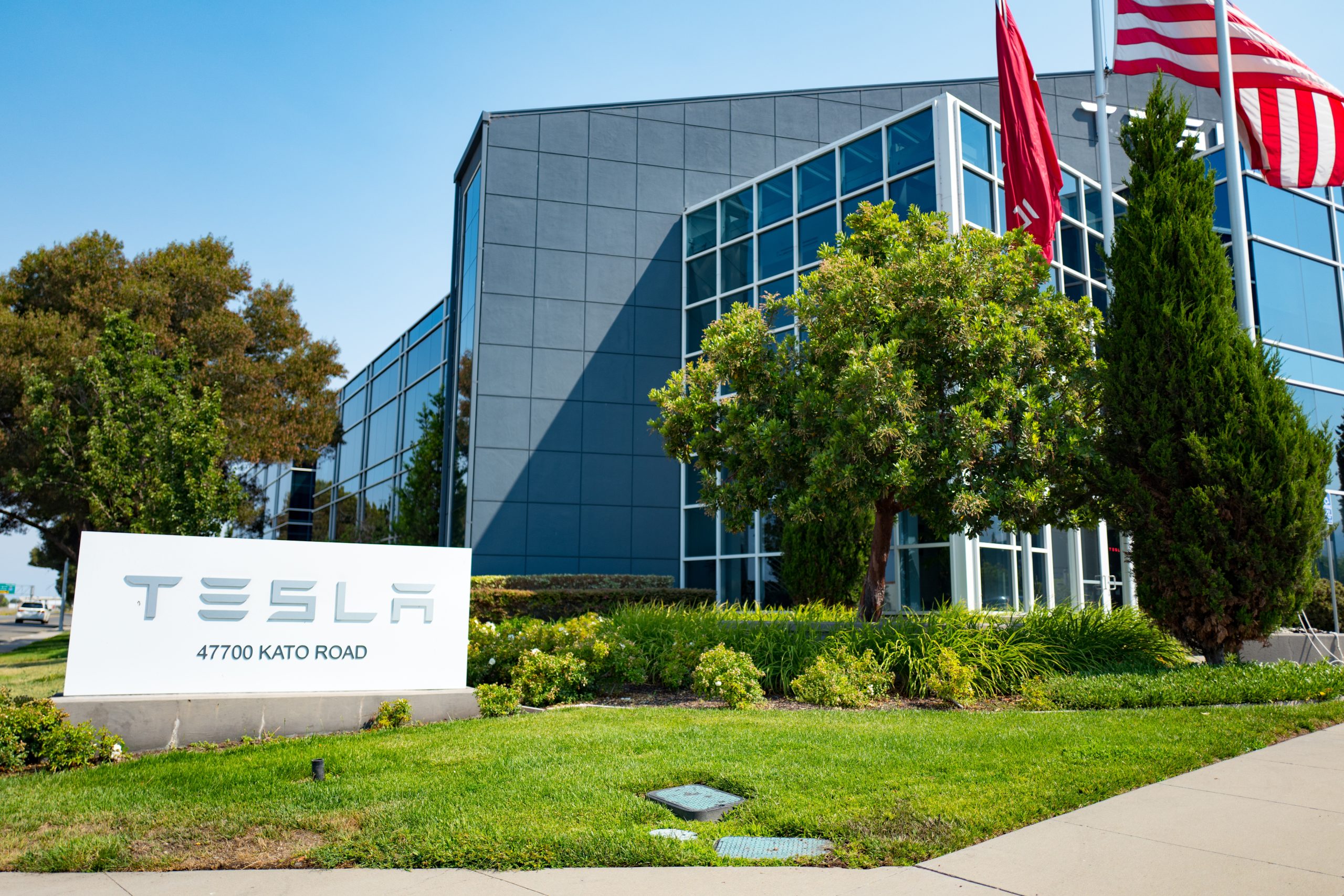
Tesla’s original headquarters at 3500 Deer Creek Road in Palo Alto remains a critical piece of the company’s infrastructure. In early 2023, Tesla announced that while the corporate HQ remains in Texas, its “Engineering HQ” would return to California, occupying the former Hewlett-Packard building. This creates a dual-pillar strategy: California serves as the brain for AI, software development, and advanced engineering, while Texas serves as the heart of operations, manufacturing technology, and global scaling.
The Austin Integration: Gigafactory Texas as the New Nerve Center
In late 2021, Elon Musk officially announced the move to Austin. Gigafactory Texas is a “diamond-shaped” facility that spans over 2,500 acres. From a tech perspective, this location was chosen for its “Giga-scale” potential. Unlike the fragmented offices of traditional automakers, the Austin headquarters places the software engineers’ desks just a few hundred feet away from the robotic assembly lines. This proximity accelerates the “feedback loop” between digital design and physical execution, a core tenet of Tesla’s technological philosophy.
Architectural Engineering: The “Machine That Builds the Machine”
Tesla’s headquarters is not merely a building; it is a product in its own right. Musk frequently refers to the factory as “the machine that builds the machine.” The technological sophistication of the Austin headquarters lies in its structural efficiency and the automation density within its walls.
Vertical Integration and In-House Software Development
At the Austin headquarters, Tesla develops its own proprietary Enterprise Resource Planning (ERP) software, known as “Warp.” While most companies rely on third-party software like SAP or Oracle to manage their logistics, Tesla’s tech team in Austin manages a custom stack that controls everything from raw material procurement to the firmware updates on finished vehicles. This vertical integration of software allows the headquarters to pivot production strategies in real-time, an impossibility for legacy manufacturers.
Sustainability by Design: The Tech Behind the Structure
The Austin facility is designed to be one of the most sustainable buildings in the world. The roof is slated to host a massive solar array, intended to power the facility’s high-consumption tasks, such as the high-pressure die-casting machines (Giga Presses). The cooling systems and energy recovery loops within the factory are managed by Tesla’s industrial-grade “Autobidder” AI, which optimizes energy consumption across the entire campus, treating the headquarters itself as a giant, smart IoT (Internet of Things) device.
The Role of AI and Robotics at the Austin Headquarters
Tesla’s identity is rapidly transitioning from a car manufacturer to an AI and robotics powerhouse. The headquarters in Texas serves as the primary testing ground and deployment center for these frontier technologies.
Dojo and the Autopilot Training Hub
While much of the theoretical research happens in the California Engineering HQ, the Austin headquarters is where the data from millions of vehicles is processed and integrated into the manufacturing flow. Tesla’s Dojo supercomputer—designed to train neural networks for Full Self-Driving (FSD)—requires massive infrastructure. The headquarters manages the hardware-software handshake that allows the fleet’s “collective intelligence” to improve. Austin is the site where the “FSD computer” hardware is integrated into the vehicle’s central nervous system, ensuring that every car leaving the line is a mobile AI unit.
Optimus: Developing Humanoid Robotics in Texas
The Texas headquarters is also the nursery for Optimus, Tesla’s humanoid robot. The tech goal here is to use the same AI “brain” found in the cars to navigate the physical space of the factory. By developing Optimus within the headquarters, Tesla engineers can test the robot’s ability to handle logistics, move components, and perform repetitive tasks on the actual production line. This represents the ultimate tech synergy: robots building cars, overseen by AI, all under one roof.
Future-Proofing the Supply Chain: A Tech-First Approach
A major reason for the headquarters being situated within a Gigafactory is the tech-driven revolution of the supply chain. Tesla is moving away from just “assembling” parts to “creating” them from the molecular level.
4680 Battery Cell Production and Chemistry
The Austin headquarters is home to some of the most advanced battery chemistry labs in the world. The 4680 battery cell—a larger, more energy-dense form factor—is produced right on site. The technology involves a “dry-electrode” manufacturing process, which removes the need for massive, energy-intensive drying ovens used in traditional battery manufacturing. This is a significant leap in chemical engineering and manufacturing tech, reducing the footprint of the battery line and increasing the speed of production.
The Cyber-Production Line: Innovations in Casting and Assembly
The Austin facility was the first to implement the “Unboxed” process for the Cybertruck and the Model Y. Traditionally, car bodies are made by stamping dozens of small parts and welding them together. Tesla’s tech approach uses the “Giga Press” to cast the front and rear underbodies as single pieces of aluminum. This reduces the robot count, simplifies the software required to manage the assembly, and results in a lighter, safer vehicle. The technology required to manage the thermal cooling of such large castings without warping is a closely guarded trade secret managed within the Austin HQ.
The Global Network: How the Headquarters Coordinates Regional Gigafactories
Though the main headquarters is in Texas, it functions as the “CPU” of a global distributed network. From Austin, Tesla’s leadership and tech teams oversee operations in Nevada, New York, Shanghai, and Berlin.
Over-the-Air (OTA) Infrastructure: The Digital Headquarters
One of Tesla’s most significant technological contributions is the robust Over-the-Air (OTA) update system. The infrastructure for these updates is managed through a global network of servers, with the core command center located at the headquarters. When a Tesla in Norway receives a performance boost or a safety patch, the code was likely finalized and deployed from the central hubs in the US. This “Digital HQ” ensures that the physical location of the company is secondary to its digital presence in every vehicle it has ever sold.
Real-Time Telemetry and Quality Control
The Austin headquarters houses a “War Room” of sorts, where engineers monitor real-time telemetry from every Gigafactory. If a robotic arm in Berlin experiences a micro-stutter, the data is analyzed in Austin to determine if it’s a software bug that could affect the global fleet. This level of interconnectedness defines Tesla’s tech-centric corporate identity. The headquarters is not just where the executives sit; it is the central node of a living, breathing, global machine.
In conclusion, when asking “where is Tesla Motors’ main headquarters,” one must look beyond the physical address in Austin, Texas. While 1 Tesla Road is the official site of governance and Giga-scale production, the headquarters is effectively a decentralized technological ecosystem. It is a fusion of AI research, robotic precision, and sustainable energy engineering that seeks to accelerate the world’s transition to sustainable energy through relentless technical innovation. Whether it is through the development of the 4680 battery or the training of the Dojo supercomputer, Tesla’s headquarters remains the most important laboratory of the 21st century.
aViewFromTheCave is a participant in the Amazon Services LLC Associates Program, an affiliate advertising program designed to provide a means for sites to earn advertising fees by advertising and linking to Amazon.com. Amazon, the Amazon logo, AmazonSupply, and the AmazonSupply logo are trademarks of Amazon.com, Inc. or its affiliates. As an Amazon Associate we earn affiliate commissions from qualifying purchases.