
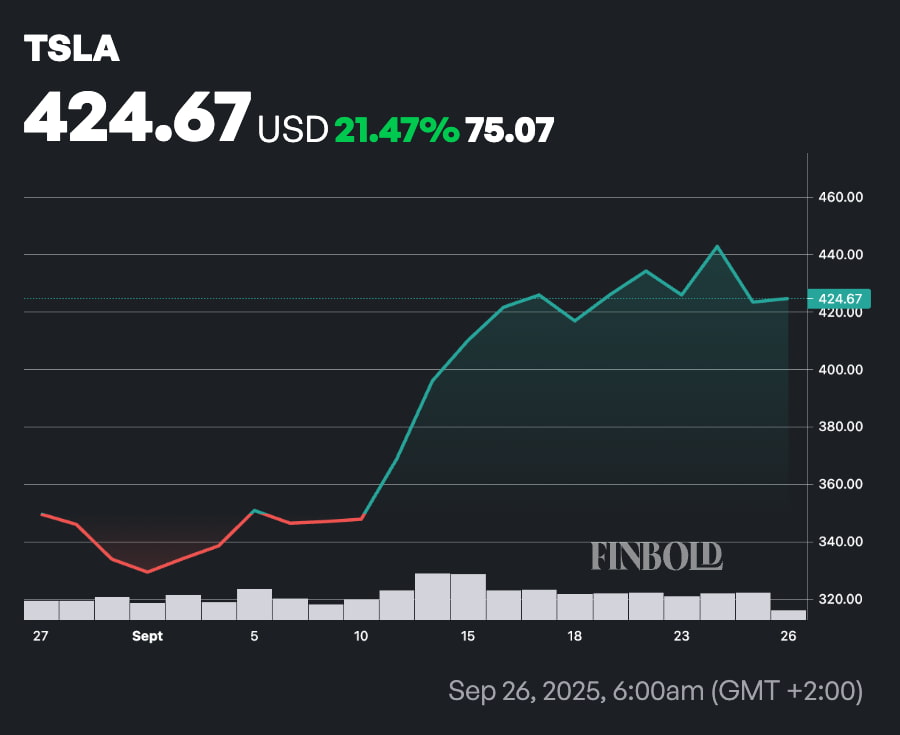
In the world of modern retail and institutional investing, few tickers command as much attention as TSLA. When an investor asks, “What is the price of Tesla stock today?” they are rarely asking for a simple numerical value. Instead, they are inquiring about the pulse of the electric vehicle (EV) market, the sentiment surrounding high-growth tech-adjacent equities, and the current valuation of one of the most polarizing companies in history.
Tesla’s stock price is notoriously volatile, often moving more on a single tweet or a quarterly delivery report than established blue-chip companies move in a year. To understand the price today, one must look beyond the ticker and delve into the fundamental financial metrics, macroeconomic pressures, and growth projections that dictate its market cap. This guide explores the financial landscape of Tesla, providing investors with the tools to analyze its valuation from a professional perspective.
The Mechanics of Tesla’s Market Valuation
Tesla does not trade like a traditional automotive company. While Ford or General Motors are often valued on modest price-to-earnings (P/E) ratios and steady dividends, Tesla is valued as a high-growth technology entity. This distinction is crucial for any investor monitoring the stock price.
Market Capitalization vs. Stock Price
The price of a single share of Tesla is a reflection of its market capitalization—the total dollar market value of the company’s outstanding shares. Because Tesla has undergone several stock splits (most recently a 3-for-1 split in 2022), the nominal price of a share is less important than the total valuation. When analyzing whether the “price today” is fair, investors must ask if the total market cap—which has historically fluctuated between $500 billion and over $1 trillion—is justified by the company’s cash flow and revenue growth.
The Role of P/E Ratios and Growth Multiples
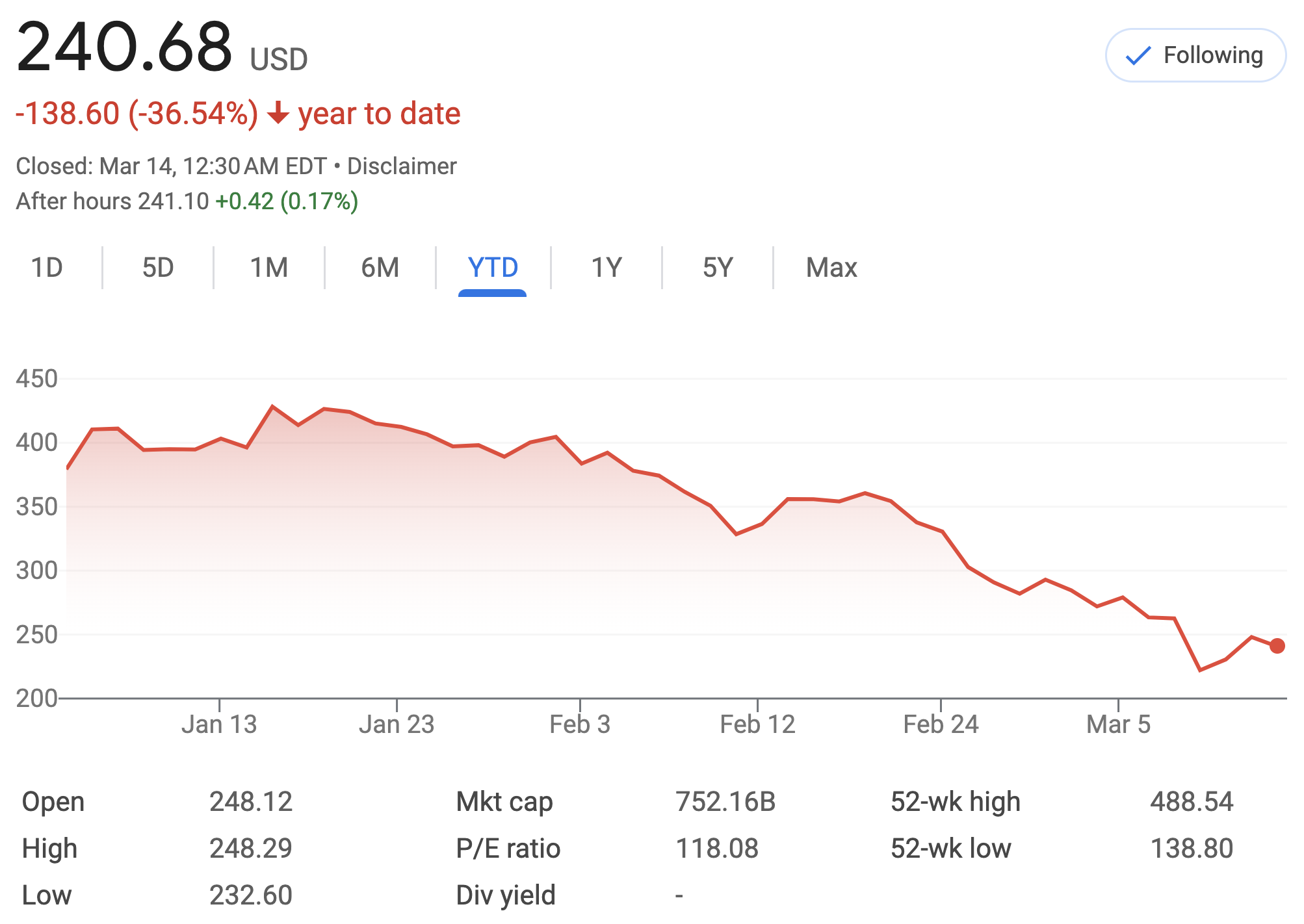
Tesla’s P/E ratio is often significantly higher than its peers. This “growth premium” suggests that investors are paying a high price today because they expect massive earnings in the future. If the stock price drops, it may be because the market is re-evaluating these growth expectations. Conversely, a rising price often indicates that Tesla is successfully expanding its margins, particularly in software services like Full Self-Driving (FSD) and its energy storage division.
Key Drivers Influencing Tesla’s Daily Price Fluctuations
If you are looking at the Tesla ticker and seeing significant intraday movement, several specific financial catalysts are likely at play. Understanding these drivers allows an investor to separate market “noise” from actual value shifts.
Macroeconomic Factors and Interest Rates
As a growth stock, Tesla is highly sensitive to interest rates set by the Federal Reserve. When interest rates rise, the “discount rate” applied to future earnings increases, which typically lowers the present value of the stock. Furthermore, higher rates make auto loans more expensive for consumers, potentially cooling demand for Tesla’s vehicles. Consequently, the price of Tesla today is often as much a reflection of bond yields and inflation data as it is of the company’s internal performance.
Production Numbers and Delivery Targets
Tesla is unique in that it reports quarterly delivery and production numbers shortly after a quarter ends, often weeks before its full earnings report. These numbers are the primary metric the market uses to gauge the company’s health. A “beat” or a “miss” on delivery targets can cause the stock price to swing by double digits. Analysts look closely at the “delivery-to-production” ratio to see if Tesla is facing inventory build-up or if demand remains robust.
Regulatory Credits and Government Subsidies
A significant portion of Tesla’s historical profitability has come from selling regulatory credits to other automakers who cannot meet emissions standards. Additionally, government incentives, such as the Inflation Reduction Act (IRA) in the United States, provide tax credits for EV buyers. Any change in government policy—either domestic or international—tends to have an immediate and profound impact on the stock price.
Technical and Fundamental Analysis: How to Evaluate TSLA
To determine if the current price of Tesla represents a buying opportunity or a “value trap,” professional investors employ two distinct types of analysis: fundamental and technical.
Assessing the Balance Sheet
A fundamental analysis of Tesla focuses on its financial health. Unlike many of its EV competitors, Tesla boasts a fortress balance sheet with significant cash reserves and relatively low debt. Investors should monitor the “Free Cash Flow” (FCF), which represents the cash a company generates after accounting for cash outflows to support operations and maintain its capital assets. Rising FCF is a bullish signal that the stock price has long-term support.
Chart Patterns and Support/Resistance Levels
For short-term traders, the price of Tesla is often dictated by technical levels. Tesla tends to respect certain “psychological” price points. For instance, if the stock has historically struggled to break above a certain price, that level becomes “resistance.” Conversely, a price point where the stock consistently stops falling is called “support.” Monitoring the 50-day and 200-day moving averages can help an investor understand if the current price is part of a broader bullish trend or a bearish retreat.
The Future Outlook: Risks and Opportunities
Investing in Tesla is essentially a bet on the future of transportation and energy. The stock price today incorporates the market’s collective “guess” about where the company will be in five to ten years.
The Full Self-Driving (FSD) and Robotaxi Potential
Many institutional bulls argue that Tesla should not be valued as a car company, but as an AI and robotics company. The price of the stock often fluctuates based on progress in FSD technology. If Tesla successfully launches a functional “Robotaxi” network, analysts predict a massive expansion in profit margins, as software-as-a-service (SaaS) margins are significantly higher than hardware manufacturing margins. Any news regarding autonomous vehicle regulation can cause immediate price volatility.
Competition in the Global EV Market
While Tesla was once the undisputed leader in EVs, the landscape has changed. In China, manufacturers like BYD are producing high-quality EVs at lower price points. In Europe and the US, legacy automakers are finally scaling their electric offerings. Tesla’s ability to maintain its market share while preserving its high margins is a primary concern for investors. If Tesla is forced to continue cutting prices to maintain volume, the stock price may suffer as investors recalibrate their earnings expectations.
Practical Steps for Investing in Tesla
For those monitoring the price of Tesla with an intent to buy, it is essential to have a disciplined financial strategy. The stock’s volatility can lead to emotional decision-making, which is often detrimental to long-term returns.
Dollar-Cost Averaging vs. Lump Sum
Because Tesla is so volatile, many financial advisors suggest “Dollar-Cost Averaging” (DCA). This involves investing a fixed amount of money at regular intervals, regardless of the price. If the price is high, you buy fewer shares; if the price is low, you buy more. This strategy mitigates the risk of “buying the top” and reduces the stress of trying to time the market’s daily fluctuations.
Risk Management and Portfolio Diversification
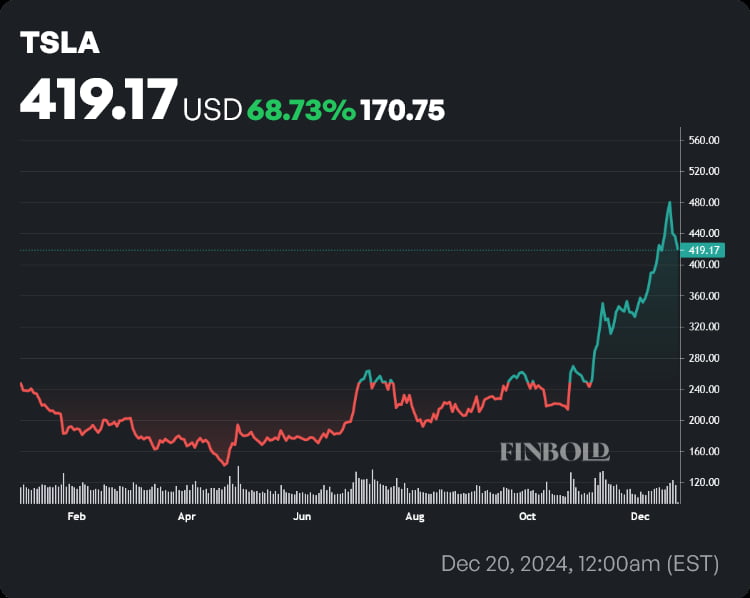
Given Tesla’s high beta (a measure of volatility relative to the broader market), it should rarely be the sole component of an investment portfolio. Professional wealth management involves balancing high-growth assets like Tesla with more stable investments, such as index funds, bonds, or value stocks. Understanding your own risk tolerance is vital before engaging with a stock that can drop 5% or rise 10% in a single trading session.
In conclusion, “the price of Tesla stock today” is a multifaceted figure. It is a synthesis of current interest rates, manufacturing efficiency, geopolitical stability in markets like China, and the visionary—yet sometimes controversial—leadership of Elon Musk. By focusing on the financial fundamentals and maintaining a long-term perspective, investors can navigate the volatility of TSLA and make informed decisions that align with their broader financial goals. Whether you view Tesla as a car company, an energy provider, or an AI powerhouse, its stock remains one of the most critical barometers of the modern financial age.
aViewFromTheCave is a participant in the Amazon Services LLC Associates Program, an affiliate advertising program designed to provide a means for sites to earn advertising fees by advertising and linking to Amazon.com. Amazon, the Amazon logo, AmazonSupply, and the AmazonSupply logo are trademarks of Amazon.com, Inc. or its affiliates. As an Amazon Associate we earn affiliate commissions from qualifying purchases.