
In the modern financial landscape, the ability to move capital quickly is a cornerstone of personal liquidity management. While debit cards and direct bank transfers remain the standard for peer-to-peer (P2P) payments, there are numerous scenarios where using a credit card to send money becomes a necessary or strategic choice. Whether you are covering an emergency expense, managing a temporary cash flow gap, or attempting to meet a minimum spend requirement for a sign-up bonus, understanding the mechanics of credit-based transfers is essential.
However, sending money via a credit card is not as straightforward as a standard retail purchase. It involves a complex web of transaction fees, interest rate adjustments, and potential impacts on your credit score. This guide explores the professional nuances of sending money with a credit card, the platforms that facilitate these transfers, and the financial “fine print” every cardholder must understand.
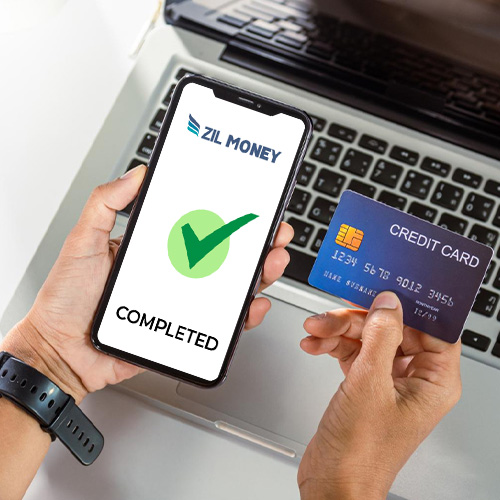
Understanding the Mechanism: Purchase vs. Cash Advance
Before initiating a transfer, it is critical to distinguish how credit card issuers categorize these transactions. Not all transfers are created equal, and the classification of your transfer will determine the ultimate cost of the capital.
The Distinction Between P2P Payments and Cash Advances
When you use a credit card through a third-party app like Venmo or PayPal, the transaction is often processed as a “purchase,” albeit one that carries a specific convenience fee (typically around 3%). However, some issuers may categorize these transfers as “cash equivalents.” If a transfer is labeled as a cash advance, the financial consequences shift dramatically. A cash advance usually incurs a higher interest rate than standard purchases and lacks the typical 21-to-30-day grace period, meaning interest begins accruing the moment the funds are sent.
The Role of Merchant Category Codes (MCC)
Financial institutions use Merchant Category Codes to identify the type of business a cardholder is interacting with. When sending money, the MCC tells your bank whether you are buying a service or simply moving money. If the code signals a “financial service” or “money transfer,” your bank might trigger automated systems that limit the transaction amount or apply cash-advance terms. Understanding your card issuer’s policy on these codes is the first step in avoiding unexpected high-interest charges.
Primary Platforms for Credit-Based Transfers
Several digital ecosystems allow for credit card integration, each with its own fee structure and institutional alignment. Selecting the right platform depends on the recipient’s location and the urgency of the transfer.
Peer-to-Peer (P2P) Apps: Venmo, Cash App, and PayPal
These platforms are the most common vehicles for sending money via credit card.
- Venmo and Cash App: Both platforms allow you to link a credit card, but they charge a standard 3% fee for the privilege. This fee is designed to cover the processing costs that the app must pay to the credit card networks (Visa, Mastercard, etc.).
- PayPal: PayPal offers more versatility but higher complexity. Sending money to “Friends and Family” via a credit card incurs a fee (2.9% plus a fixed fee), whereas “Goods and Services” payments shift the fee burden to the recipient. For personal finance management, the “Friends and Family” option is the standard route for sending money to individuals.
International Transfer Services: Wise and Remitly
For those needing to send money across borders, specialized services like Wise (formerly TransferWise) or Remitly offer credit card options. While these services provide superior exchange rates compared to traditional banks, using a credit card for an international transfer often attracts “funding fees.” These fees are cumulative; you will pay the service’s transfer fee plus a credit card processing fee, making this one of the more expensive ways to move money internationally.
Digital Wallets and Bank-Led Solutions
Apple Cash and Google Pay also facilitate money movement, though they have stricter regulations regarding credit cards. Apple Cash, for instance, primarily utilizes debit cards to avoid the high costs associated with credit processing. In contrast, some traditional banks are beginning to integrate “Send Money” features within their proprietary apps that allow for credit-to-account transfers, though these are often rebranded versions of cash advances.
The Financial Cost: Fees, Interest, and Credit Impacts
The convenience of using credit to send money comes at a steep price. To maintain fiscal health, one must calculate the “effective cost” of the transfer, which includes both immediate fees and long-term interest.

The 3% Convenience Fee Trap
Most platforms charge a flat 3% fee for credit card transfers. While 3% may seem negligible on a $100 transfer ($3), it becomes significant on larger sums. If you are sending $5,000 to cover a business expense or a family emergency, the $150 fee is an immediate loss of capital. In the world of personal finance, a 3% hit on principal is a high price to pay for liquidity, especially when compared to the 0% cost of a standard ACH bank transfer.
The Absence of the Grace Period
As previously mentioned, if your transfer is coded as a cash advance, you lose the “grace period.” In standard credit card usage, if you pay your balance in full every month, you pay 0% interest. With a cash advance, the interest (often at a premium rate of 25% or higher) starts the day the money leaves your account. This can lead to a “debt spiral” if the balance is not settled immediately, as the interest compounds daily.
Impact on Credit Utilization and Scores
Sending a large sum of money via credit card increases your credit utilization ratio—the amount of credit you are using compared to your total limit. High utilization (typically over 30%) can negatively impact your credit score. If you send $3,000 on a card with a $5,000 limit, your utilization for that card hits 60%, which may signal “credit stress” to credit bureaus, potentially lowering your score and affecting your ability to secure loans or favorable interest rates in the future.
Strategic Use Cases: When Does It Make Sense?
Despite the costs, there are specific financial strategies where sending money via credit card is a calculated and logical move.
Meeting Minimum Spend for Sign-Up Bonuses
Credit card “churning” or rewards optimization often requires spending a specific amount (e.g., $4,000 in three months) to trigger a massive points bonus. If a cardholder is short of that goal, paying the 3% fee to send money to a trusted friend or family member (who then returns the funds via check or ACH) can be a way to “buy” the bonus. If the bonus is worth $800 in travel and the fees cost $120, the net gain of $680 justifies the transaction.
Emergency Liquidity Management
In a genuine financial emergency—such as preventing an eviction, paying for an urgent medical procedure, or repairing a vehicle needed for work—the 3% fee and high interest are secondary to the need for immediate solvency. In these cases, the credit card acts as a high-interest bridge loan. The goal should always be to refinance this debt into a lower-interest personal loan or pay it off as quickly as possible.
Utilizing 0% APR Introductory Offers
If you possess a credit card with a 0% introductory APR on purchases, and your P2P app codes the transfer as a purchase, you can effectively send yourself or others a “free” loan for the duration of the introductory period. This requires disciplined tracking to ensure the balance is paid before the promotional period ends and the standard high interest rate kicks in.
Security, Fraud Prevention, and Best Practices
When sending money through credit-linked platforms, the legal protections differ from those of traditional credit card purchases.
The Loss of Chargeback Rights
One of the greatest advantages of using a credit card for shopping is the ability to dispute a charge (a chargeback) if the goods are not delivered. However, most P2P platforms explicitly state in their terms of service that “Friends and Family” payments are non-refundable. Once you send money via credit card to an individual, the credit card issuer will rarely intervene if you were scammed. You are effectively sending cash, and the same risks apply.
Verifying Recipient Identity
To mitigate the risk of fraud, always verify the recipient’s identity through a secondary channel (a phone call or encrypted text) before hitting “send.” Scammers often hijack social media profiles to ask for “urgent help” via Venmo or Cash App. Using a credit card in these instances adds the sting of interest and fees to the pain of the initial loss.

Maintaining a Paper Trail for Tax Purposes
If you are sending money via credit card for business-related side hustles or reimbursements, maintain meticulous records. The IRS has updated reporting requirements (Form 1099-K) for third-party payment networks. While personal gifts are generally not taxable, large or frequent transfers can trigger audits if they appear to be undeclared income. Professionalism in your personal finances requires treating these digital transfers with the same rigor as a corporate ledger.
In conclusion, while sending money with a credit card offers unparalleled convenience and a potential tool for rewards optimization, it is a high-cost financial maneuver. By understanding the distinction between purchases and cash advances, monitoring the impact on credit utilization, and strictly calculating the associated fees, you can utilize this tool effectively without falling into a trap of high-interest debt. Credit, when used strategically, is a powerful bridge to liquidity; when used carelessly, it is an expensive burden.
aViewFromTheCave is a participant in the Amazon Services LLC Associates Program, an affiliate advertising program designed to provide a means for sites to earn advertising fees by advertising and linking to Amazon.com. Amazon, the Amazon logo, AmazonSupply, and the AmazonSupply logo are trademarks of Amazon.com, Inc. or its affiliates. As an Amazon Associate we earn affiliate commissions from qualifying purchases.