
The history of computing is often divided into two eras: before and after the founding of Microsoft. When we ask “who made Microsoft,” the immediate answers are Bill Gates and Paul Allen. However, the story of Microsoft’s creation is not merely a biography of two men; it is a technical odyssey that transformed the computer from a hobbyist’s curiosity into an essential tool for human civilization. By understanding the technical foresight and the software-first philosophy of its founders, we can trace the lineage of the digital tools we use today, from the Windows operating system to the advanced AI models currently reshaping our world.

The Foundations: Bill Gates, Paul Allen, and the Altair 8800
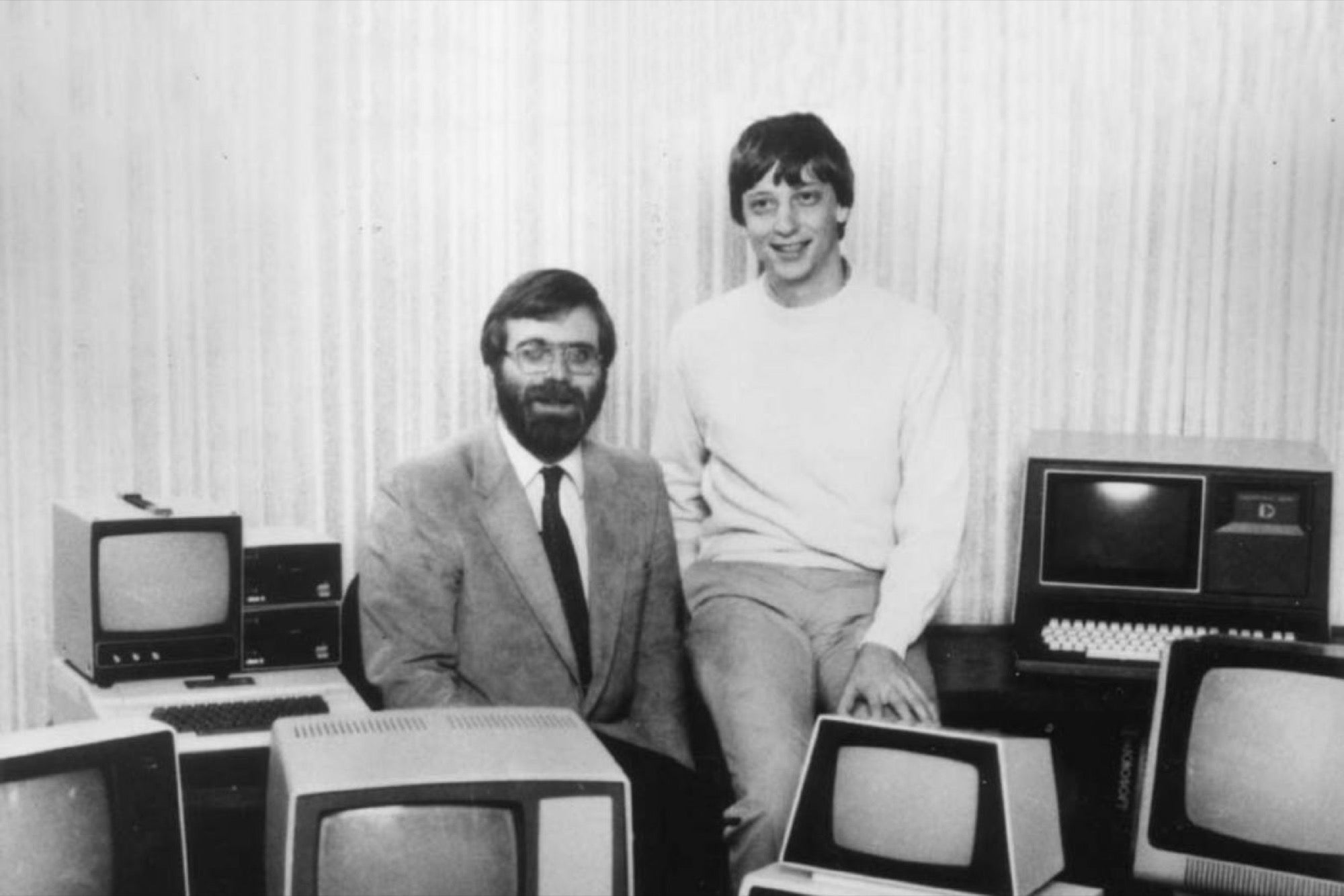
In 1975, the “microcomputer” was a concept reserved for electrical engineers and garage-based enthusiasts. The catalyst for Microsoft’s birth was the January issue of Popular Electronics, which featured the MITS Altair 8800. Seeing this machine, Paul Allen and Bill Gates realized that the hardware revolution had begun, but it lacked a critical component: a high-level programming language that would make it functional for users.
Bill Gates: The Visionary Coder
Bill Gates brought a unique blend of technical rigor and competitive intensity to the founding of Microsoft. From his early days at Lakeside School, Gates was obsessed with the logic of code. His contribution was not just in writing software, but in envisioning software as a standalone product. At a time when hardware was the primary focus of the industry, Gates understood that the “intelligence” of the machine—the code—would eventually become more valuable than the silicon it ran on.
Paul Allen: The Idea Man and Technical Polymath
While Gates was the engine of the company’s early growth, Paul Allen was its creative spark. It was Allen who first recognized the potential of the microprocessor to disrupt the mainframe industry. He was the one who pushed Gates to drop out of Harvard to seize the “software opportunity.” Allen’s technical breadth allowed Microsoft to diversify early on, exploring everything from programming languages to the early concepts of a mouse-driven interface. Together, in Albuquerque, New Mexico, they formed “Micro-Soft” (later dropping the hyphen) to develop a version of the BASIC programming language for the Altair.
The OS Revolution: From MS-DOS to the Windows Standard
The most significant technical milestone in Microsoft’s early history was not the invention of a new technology from scratch, but the architectural standardization of personal computing. This began with the development of MS-DOS (Microsoft Disk Operating System) and culminated in the global dominance of the Windows ecosystem.
The IBM Partnership and the Birth of MS-DOS
In 1980, IBM approached Microsoft to provide an operating system for their upcoming Personal Computer (PC). Since Microsoft did not yet have an OS, they purchased 86-DOS from Seattle Computer Products and refined it into MS-DOS. The genius of this technical move was not in the code itself, but in the licensing agreement. Gates and Allen insisted on the right to license MS-DOS to other manufacturers. This created the “PC Clone” market, ensuring that Microsoft’s software would run on almost every piece of hardware in the world, establishing a technical monopoly through sheer interoperability.
The Graphical User Interface (GUI) Shift
As hardware capabilities evolved, Microsoft shifted from command-line interfaces to the Graphical User Interface (GUI). Windows 1.0, released in 1985, was initially a shell running on top of MS-DOS. Over the next decade, Microsoft’s engineers transitioned the platform into a robust, standalone operating system. The release of Windows 3.1 and subsequently Windows 95 represented a massive technical leap, introducing the “Plug and Play” standard and integrated networking, which simplified how hardware and software communicated.
The NT Kernel: Engineering Stability
One of Microsoft’s most underrated technical achievements was the development of the Windows NT (New Technology) kernel. Led by legendary engineer Dave Cutler, this project aimed to create a 32-bit, multi-processing operating system that was more stable and secure than the consumer-grade Windows 9x versions. Eventually, the NT kernel became the foundation for Windows XP, Windows 10, and Windows 11, providing the professional-grade stability required for modern enterprise computing and high-performance software.
The Productivity Suite: Defining How the World Works
While the operating system provided the foundation, the development of the Microsoft Office suite changed the nature of digital productivity. Microsoft didn’t just make the computer run; they gave people a reason to use it.
The Evolution of Word and Excel
In the early 1980s, the market was dominated by applications like WordPerfect and Lotus 1-2-3. Microsoft’s technical strategy was to build a cohesive suite of tools—Word, Excel, and PowerPoint—that shared a common user interface and could exchange data seamlessly. This integration was a technical challenge that required standardized file formats and shared libraries. By the time Windows became the dominant OS, Office was the default environment for business, creating a feedback loop where the software and the hardware platform reinforced each other.
The Transition to Software as a Service (SaaS)
In the 2010s, Microsoft underwent a massive technical pivot under the leadership of Satya Nadella. The company transitioned from selling boxed software with perpetual licenses to “Microsoft 365,” a cloud-based subscription model. This required a total overhaul of their deployment pipelines, moving from multi-year development cycles to continuous integration and continuous delivery (CI/CD). This shift ensured that users always had the most secure and up-to-date versions of the software, significantly reducing the fragmentation that had plagued earlier versions of the tech stack.
The Modern Frontier: Azure, Cloud, and the AI Inflection Point
Microsoft’s journey from 1975 to the present is characterized by its ability to pivot toward the next great technical frontier. Today, that frontier is defined by Cloud Computing and Artificial Intelligence.
Microsoft Azure: The World’s Supercomputer
The creation of Microsoft Azure represented a shift from local computing to distributed systems. Azure is a massive global network of data centers that allows developers to build, manage, and deploy applications without worrying about physical hardware. This “Cloud-First” approach has turned Microsoft into a leader in infrastructure-as-a-service (IaaS) and platform-as-a-service (PaaS). Technically, Azure relies on sophisticated virtualization, massive-scale networking, and the ability to manage millions of virtual machines simultaneously, providing the backbone for much of the modern internet.
Engineering the AI Future: OpenAI and Copilot
Perhaps the most exciting chapter in the “who made Microsoft” saga is the current era of Generative AI. By forming a strategic partnership with OpenAI, Microsoft has integrated Large Language Models (LLMs) into every layer of its tech stack. The “Microsoft Copilot” is the spiritual successor to the original BASIC interpreter; it is a tool designed to make human-computer interaction more natural.
From a technical perspective, this involves massive investments in specialized AI hardware (like NVIDIA GPUs) and the development of “AI supercomputers” within Azure. Microsoft is no longer just writing code; they are building the systems that write and interpret code. This marks a full circle for the company: from making software for computers to making software that thinks.
The Legacy of Innovation
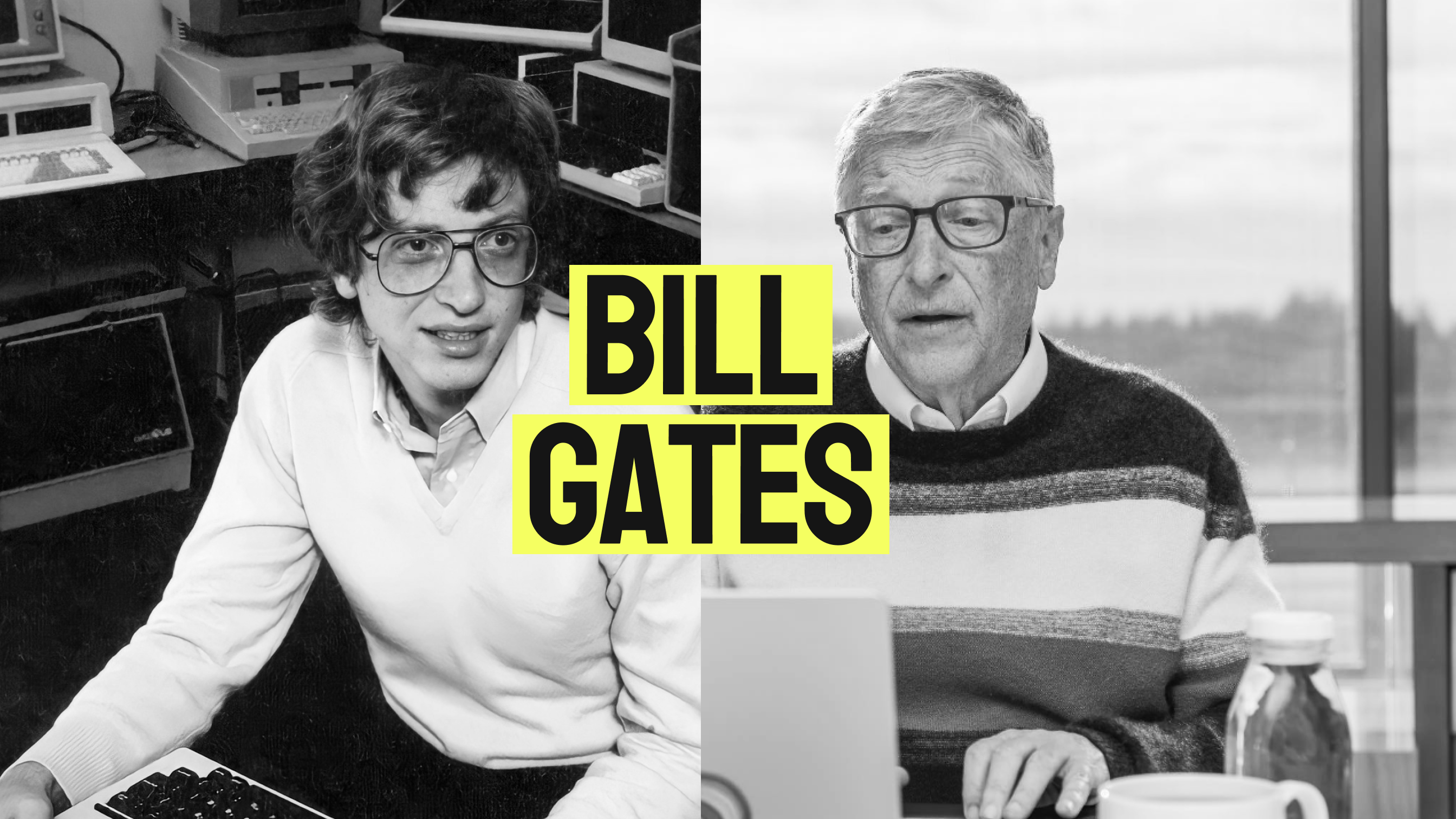
When we look back at “who made Microsoft,” we see more than just two founders. We see an organization that successfully navigated the transitions from the 8-bit era to the 64-bit era, from command-line prompts to touchscreens, and from local servers to the global cloud.
Bill Gates and Paul Allen built the foundation, but the “Microsoft” of today is a living ecosystem of engineers, data scientists, and visionary leaders who have maintained a consistent focus on the power of software. Their legacy is the democratizing of technology—taking complex, high-level computing power and putting it into the hands of billions of people. As we move further into the age of AI and quantum computing, the technical architecture established by Microsoft decades ago continues to serve as the bedrock upon which the future of technology is being built. Microsoft was made by visionaries, but it is sustained by a relentless drive to engineer the next great leap in human productivity.
aViewFromTheCave is a participant in the Amazon Services LLC Associates Program, an affiliate advertising program designed to provide a means for sites to earn advertising fees by advertising and linking to Amazon.com. Amazon, the Amazon logo, AmazonSupply, and the AmazonSupply logo are trademarks of Amazon.com, Inc. or its affiliates. As an Amazon Associate we earn affiliate commissions from qualifying purchases.