
The Nasdaq Composite is often viewed as the heartbeat of the modern global economy. Home to the world’s most influential technology giants and high-growth innovators, its performance serves as a primary barometer for investor appetite for risk. When the Nasdaq turns red, it sends ripples through portfolios worldwide, prompting a singular question from seasoned investors and retail traders alike: Why is the Nasdaq down today?
Market fluctuations are rarely the result of a single isolated event. Instead, they are the culmination of macroeconomic shifts, corporate performance metrics, and the nuanced psychology of the investing public. To understand why the Nasdaq is retreating, one must peel back the layers of the financial ecosystem to see how interest rates, earnings reports, and global stability intersect.
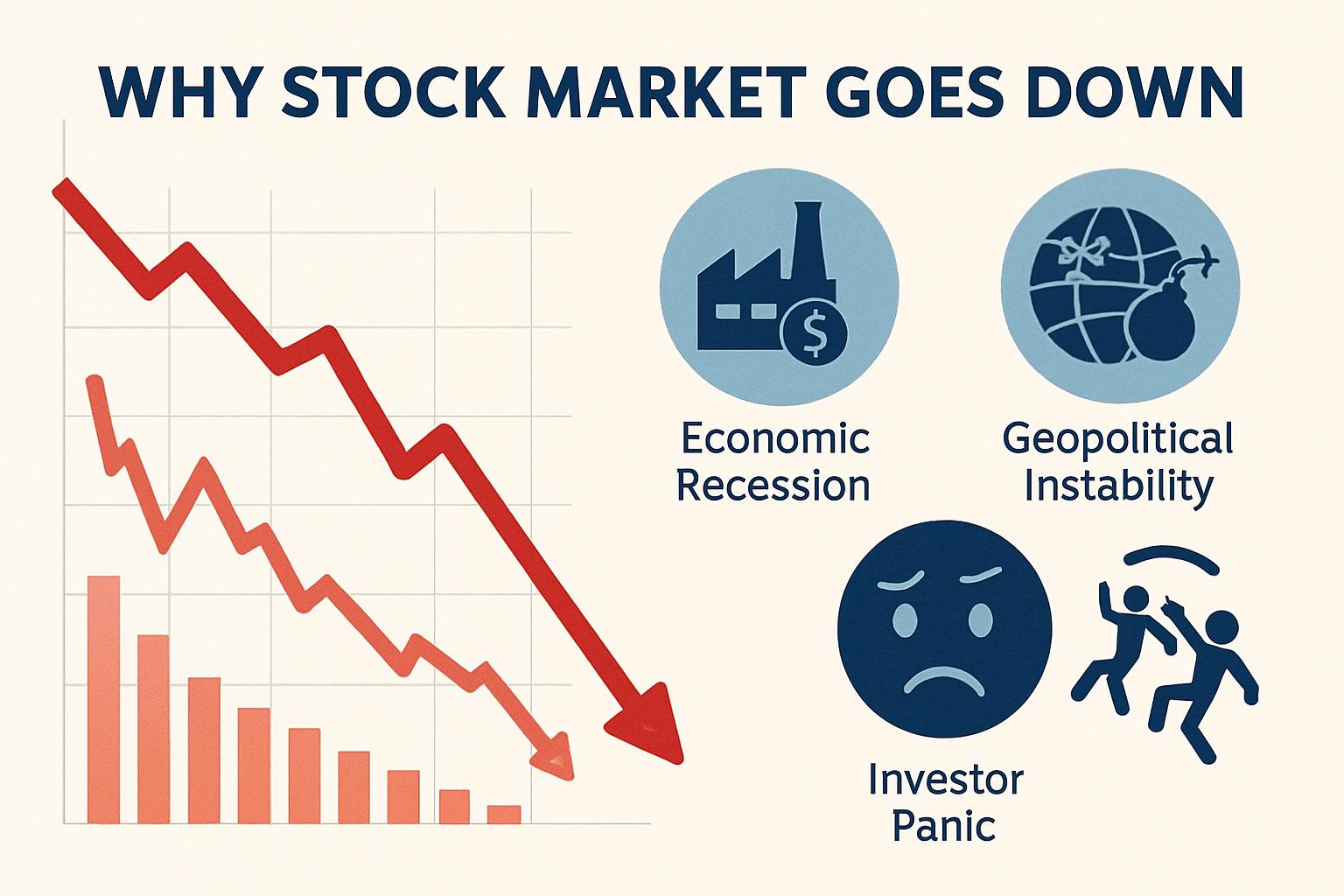
Macroeconomic Pressures: The Role of Interest Rates and Inflation
The most potent driver of Nasdaq volatility is the prevailing interest rate environment. Because the Nasdaq is heavily weighted toward growth stocks—companies expected to deliver the bulk of their profits in the distant future—it is uniquely sensitive to changes in the cost of borrowing.
The Yield Curve and Tech Valuations
In the world of finance, the value of a stock is theoretically the present value of its future cash flows. When interest rates rise, the “discount rate” used to calculate that present value also increases. For high-growth companies that are currently reinvesting every dollar into R&D rather than paying dividends, a higher discount rate significantly slashes their current valuation. When Treasury yields climb, investors often rotate out of “expensive” tech stocks and into “safer” fixed-income assets that offer guaranteed returns, leading to a sell-off in the Nasdaq.
Fed Policy and Quantitative Tightening
The Federal Reserve’s stance on monetary policy is the North Star for market direction. If the Fed signals a “hawkish” tone—suggesting that inflation is too high and higher rates are necessary to cool the economy—the Nasdaq typically reacts negatively. Beyond just interest rates, the process of quantitative tightening (reducing the central bank’s balance sheet) removes liquidity from the financial system. Less liquidity often translates to lower trading volumes and increased downward pressure on asset prices, particularly in the speculative tech sector.
Corporate Performance and the “Magnificent Seven” Impact
The Nasdaq is a market-capitalization-weighted index. This means that a handful of massive companies—often referred to as the “Magnificent Seven” (Apple, Microsoft, Alphabet, Amazon, Nvidia, Meta, and Tesla)—exert a disproportionate influence on the index’s daily movement.
Earnings Season Volatility
During quarterly earnings seasons, the Nasdaq becomes hyper-sensitive to corporate health. It isn’t just about whether a company made a profit; it’s about whether they exceeded the market’s high expectations. Even if a tech giant reports record-breaking revenue, its stock price (and the Nasdaq index) may drop if its “beat” wasn’t large enough or if its internal margins showed signs of compression. Investors scrutinize these reports for “cracks in the armor,” such as rising operational costs or slowing user growth.
Revenue Guidance and Growth Deceleration
Stock prices are forward-looking. When management teams provide “guidance” for the upcoming quarter or fiscal year, the market listens intently. If a leading semiconductor firm or software-as-a-service (SaaS) provider suggests that enterprise spending is slowing down, it triggers a chain reaction. A downward revision in guidance suggests that the “growth story” that justified a high Price-to-Earnings (P/E) ratio is weakening. When the heavyweights of the index provide cautious outlooks, the Nasdaq finds it nearly impossible to maintain upward momentum.
Investor Sentiment and Market Psychology
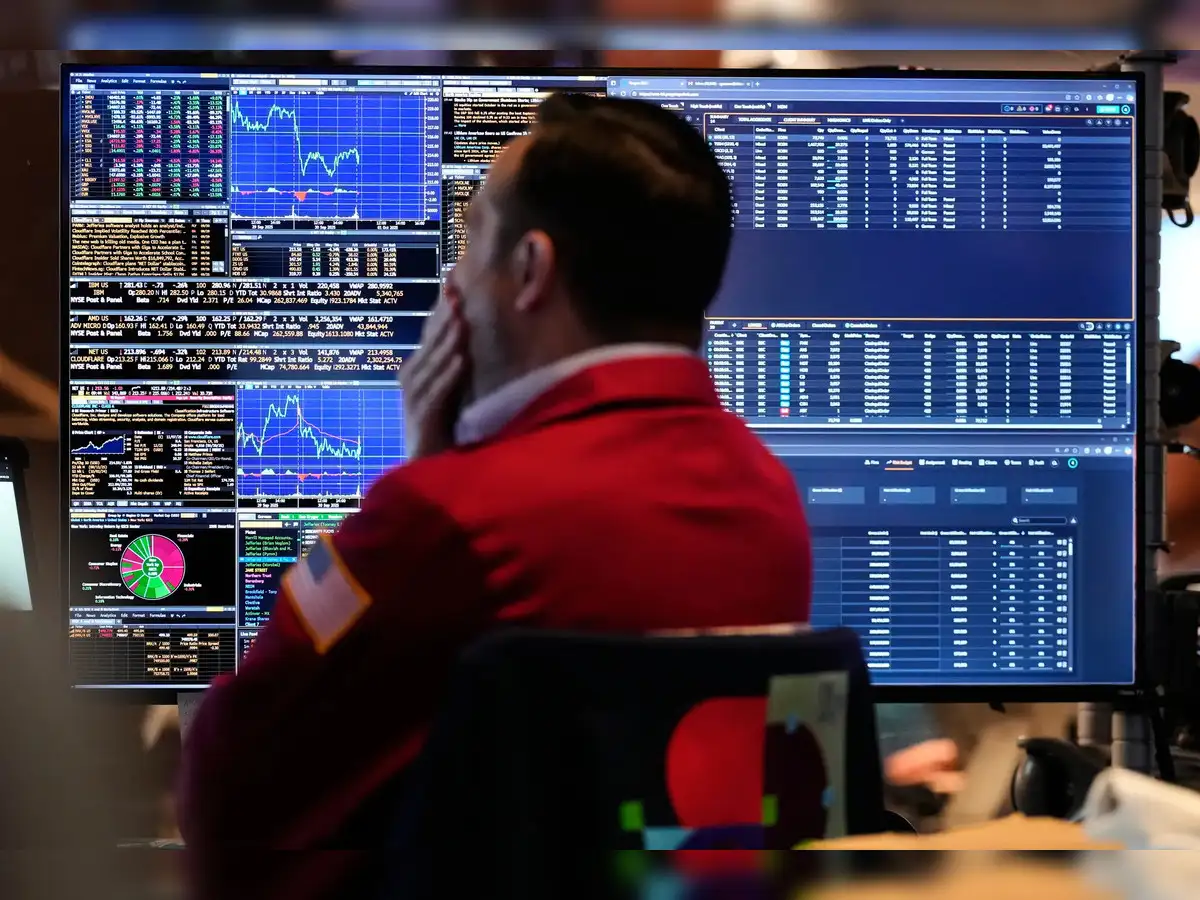
While data and spreadsheets drive much of the market, human emotion and institutional behavior play a critical role in daily price action. The Nasdaq is often the playground for momentum traders and institutional algorithms, both of which can amplify downward moves.
Profit-Taking and Sector Rotation
Markets do not move in a straight line. Following a period of significant gains, institutional investors often engage in “profit-taking.” They sell their winners to lock in gains, which naturally creates selling pressure. Furthermore, “sector rotation” occurs when big money moves out of growth and technology (Nasdaq) and into “value” sectors like energy, utilities, or consumer staples. If the broader economic outlook suggests a recession, investors may flee the volatile Nasdaq in favor of defensive stocks that offer stability and dividends.
The Impact of Algorithmic Trading
In the modern era, a vast majority of market trades are executed by high-frequency algorithms. These programs are designed to trigger sell orders when certain technical levels are breached. If the Nasdaq falls below a key psychological level—such as its 50-day or 200-day moving average—it can trigger a cascade of automated selling. This “technical breakdown” can turn a modest dip into a significant intraday rout, as machines react to price action faster than human investors can process the news.
Global Geopolitics and Regulatory Headwinds
The companies within the Nasdaq are truly global entities. Consequently, they are exposed to risks that transcend domestic borders, ranging from international trade disputes to aggressive regulatory oversight.
Supply Chain Disruptions and Trade Policy
Many Nasdaq-listed companies rely on complex global supply chains, particularly in the hardware and semiconductor industries. Geopolitical tensions in Eastern Europe or East Asia can threaten the flow of essential components. Additionally, changes in trade policy, such as tariffs on imported electronics or export bans on high-end AI chips, directly impact the bottom line of tech firms. When the geopolitical temperature rises, the Nasdaq often cools down as investors price in the risk of disrupted operations and increased costs.
Antitrust Actions and Legislative Scrutiny
Big Tech is under constant surveillance by regulators in the United States and the European Union. News of a fresh antitrust investigation or a new digital privacy law can wipe billions off the market caps of Nasdaq leaders in minutes. Investors fear that regulatory crackdowns will lead to forced divestitures, massive fines, or changes to business models that have historically generated high margins. These “regulatory headwinds” create a cloud of uncertainty that discourages aggressive buying.
Strategic Takeaways for the Long-Term Investor
For the individual focused on personal finance and long-term wealth building, a red day on the Nasdaq should be viewed through a lens of strategy rather than panic. Understanding the why behind the drop is the first step in maintaining a disciplined investment approach.
Diversification in a Volatile Market
The volatility of the Nasdaq serves as a stark reminder of the importance of asset allocation. While the tech sector offers unparalleled growth potential, its propensity for sharp drawdowns means that a portfolio should ideally be balanced with other asset classes. Diversifying into bonds, real estate, or value-oriented equities can provide a cushion when the tech-heavy Nasdaq faces a downturn.

Distinguishing Between Noise and Fundamentals
Market “noise” refers to the daily fluctuations caused by headlines, rumors, and short-term sentiment. Fundamental analysis, however, looks at the underlying health of businesses. If the Nasdaq is down because of a temporary spike in bond yields, but the underlying companies are still growing their earnings and innovating, the decline might be a buying opportunity rather than a reason to sell. Successful investors train themselves to distinguish between a “broken stock” (a company losing its competitive edge) and a “broken chart” (a temporary price drop in a healthy company).
In conclusion, the Nasdaq’s decline is rarely the result of a single factor. It is a complex interplay of the Federal Reserve’s monetary stance, the quarterly performance of tech titans, the automated responses of trading algorithms, and the shifting landscape of global politics. By understanding these dynamics, investors can move away from emotional reacting and toward informed decision-making, recognizing that in the world of finance, today’s downturn is often the precursor to tomorrow’s opportunity.
aViewFromTheCave is a participant in the Amazon Services LLC Associates Program, an affiliate advertising program designed to provide a means for sites to earn advertising fees by advertising and linking to Amazon.com. Amazon, the Amazon logo, AmazonSupply, and the AmazonSupply logo are trademarks of Amazon.com, Inc. or its affiliates. As an Amazon Associate we earn affiliate commissions from qualifying purchases.