
The global financial ecosystem has undergone a radical transformation over the last decade. Gone are the days when a local bank manager was the sole gatekeeper of credit. Today, the democratization of finance, fueled by technological integration and regulatory shifts, has created a diverse marketplace for borrowers. Whether you are looking to consolidate high-interest debt, fund a major life milestone, or inject capital into a burgeoning business, the question of “where to get a loan” now yields a multitude of answers.
Navigating this landscape requires a strategic understanding of the various lending archetypes. Each source of capital comes with its own set of advantages, risk profiles, and eligibility requirements. Choosing the right lender is not just about securing the lowest interest rate; it is about finding a financial partner whose terms align with your long-term fiscal health.
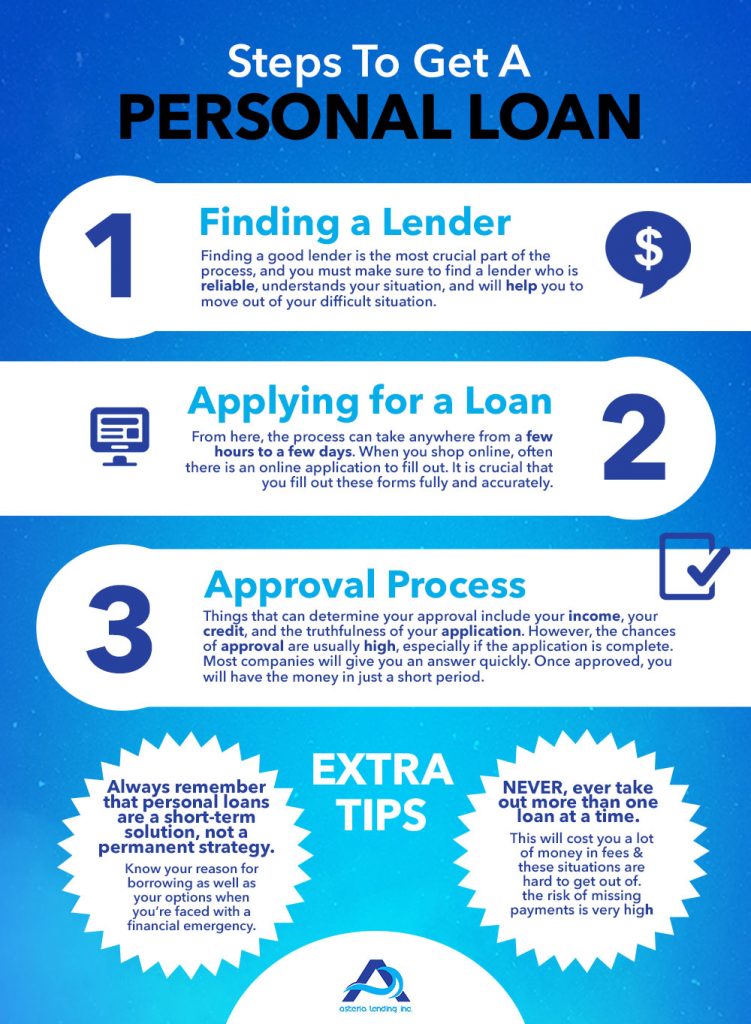
Traditional Banking Institutions: The Bedrock of Personal and Business Credit
Traditional banks remain the most recognizable source of credit. These institutions, ranging from global financial conglomerates to community-focused banks, offer a sense of security and a wide array of standardized financial products. Because they are highly regulated, they often provide some of the most competitive interest rates in the market for borrowers with strong credit profiles.
Commercial Banks and National Lenders
National banks are often the first stop for individuals seeking personal loans, mortgages, or auto financing. The primary advantage of a large commercial bank is its infrastructure. Borrowers benefit from sophisticated mobile apps, physical branches for face-to-face consultations, and bundled services—such as discounts on loan rates if you already hold a checking or savings account with them. However, these institutions are known for having stringent “underwriting” standards. If your credit score is less than stellar or your debt-to-income ratio is high, you may find the application process challenging or face outright rejection.
Credit Unions: The Member-Centric Alternative
Credit unions operate as non-profit cooperatives owned by their members. Because they do not have to answer to external shareholders, they often return their “profits” to members in the form of lower interest rates on loans and higher yields on savings. Credit unions are particularly effective for personal loans and small-scale business financing. They tend to offer a more personalized approach to lending, sometimes looking beyond a simple credit score to consider a member’s overall history with the institution. To get a loan here, you must first meet membership eligibility requirements, which are often based on your location, employer, or association affiliations.
The Digital Frontier: Online Lenders and Fintech Platforms
The rise of Financial Technology (Fintech) has disrupted the traditional lending model by prioritizing speed, accessibility, and user experience. Online lenders have filled a critical gap in the market, providing credit to those who may be underserved by traditional banks or those who simply value a streamlined, paperless application process.
Direct Online Lenders and Aggregators
Direct online lenders use proprietary algorithms to assess risk, often moving much faster than traditional banks. In many cases, a borrower can apply for a loan and receive funding within 24 to 48 hours. These lenders are ideal for “unsecured” personal loans, where no collateral is required. Additionally, “aggregator” sites allow borrowers to compare dozens of loan offers simultaneously, providing a transparent look at different APRs (Annual Percentage Rates) and repayment terms. While the convenience is unparalleled, it is important to watch for “origination fees”—upfront charges that some online lenders deduct from the total loan amount.
Peer-to-Peer (P2P) Lending Networks
Peer-to-peer lending platforms act as intermediaries that connect individual borrowers directly with individual or institutional investors. Instead of borrowing from a bank, you are essentially borrowing from a group of people who are looking to earn interest on their capital. P2P platforms often cater to a wide spectrum of credit scores. For borrowers with average credit, P2P lending can offer more competitive rates than a traditional credit card. For investors, it provides an opportunity to diversify their portfolio into the consumer debt asset class.
Specialized Lending for Businesses and Entrepreneurs
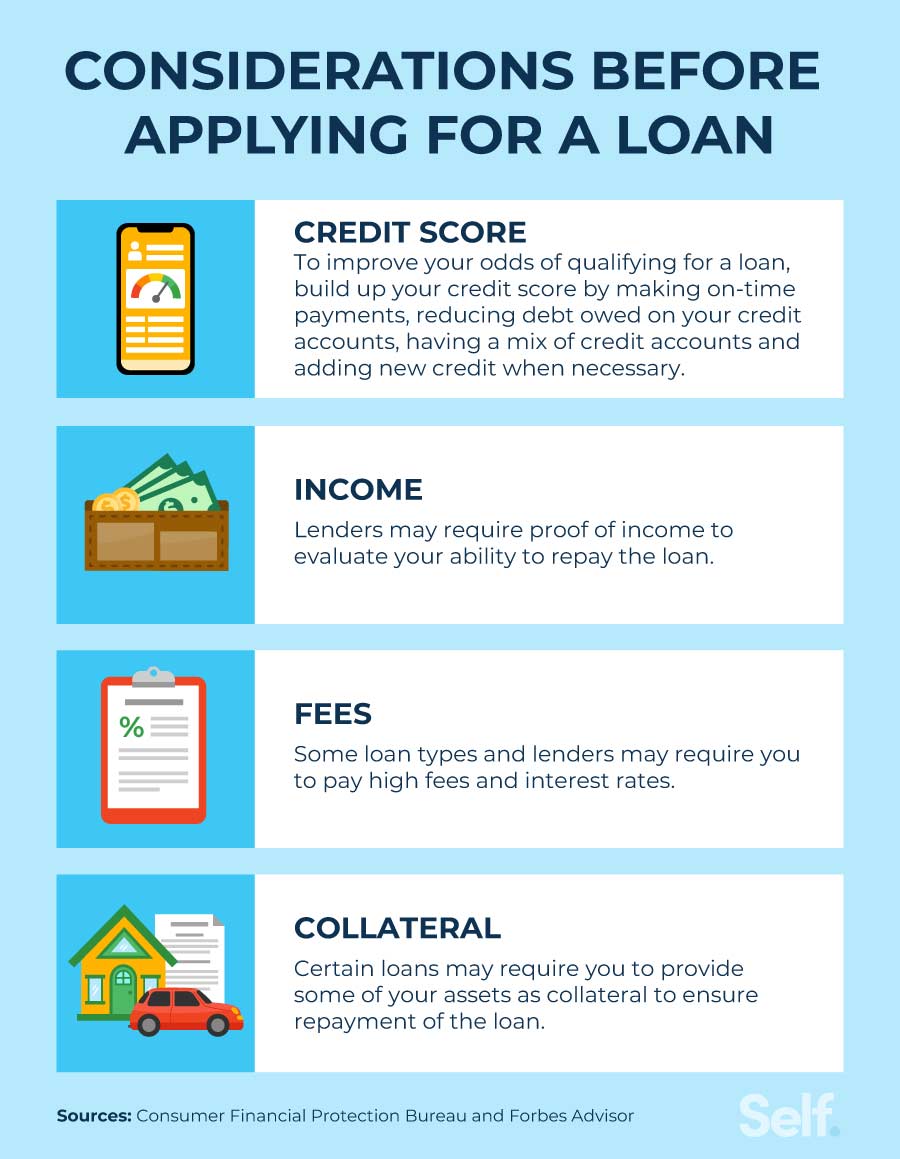
For business owners, the search for capital is often more complex than personal borrowing. The “where” depends heavily on the stage of the business, its cash flow, and its intended use of the funds. Business loans are typically structured to help with working capital, equipment purchases, or real estate expansion.
Small Business Administration (SBA) Loans
The SBA does not lend money directly to small business owners. Instead, it sets guidelines for loans made by its partnering lenders (banks and community development organizations). Because the SBA guarantees a portion of the loan, it reduces the risk for the lender, allowing them to offer favorable terms and lower down payments. The SBA 7(a) and 504 programs are gold standards for long-term financing. However, the application process for an SBA loan is notoriously rigorous and time-consuming, often requiring extensive documentation, business plans, and financial projections.
Merchant Cash Advances and Revenue-Based Financing
When a business needs capital immediately and may not qualify for a traditional term loan, alternative financing options like Merchant Cash Advances (MCAs) come into play. These are not technically “loans” in the legal sense but rather a sale of future credit card receipts. The provider gives the business a lump sum in exchange for a percentage of daily sales. While this offers incredible speed and requires no collateral, it is often the most expensive way to borrow money, with “factor rates” that can translate into very high effective APRs. This should generally be a last-resort option for businesses with high-frequency transactions and urgent needs.
Alternative and Asset-Backed Financing Options
Sometimes, the best place to get a loan is by looking at what you already own. Asset-backed lending allows you to use your existing wealth as leverage, often resulting in lower interest rates because the lender’s risk is mitigated by collateral.
Home Equity Lines of Credit (HELOC) and Home Equity Loans
For homeowners, the equity built up in a property is a powerful financial tool. A Home Equity Loan provides a lump sum with a fixed interest rate, while a HELOC functions more like a credit card, allowing you to draw funds as needed against the value of your home. Because the home serves as collateral, the interest rates are typically much lower than those of unsecured personal loans. The significant risk here, however, is that failure to repay the loan can result in the loss of your home through foreclosure.
401(k) Loans and Securities-Based Lending
If you have a significant retirement balance or a robust brokerage account, you may be able to borrow against your own investments. A 401(k) loan allows you to borrow from your retirement account and pay the interest back to yourself. There is no credit check, as you are essentially borrowing your own money. The downside is the “opportunity cost”—the money you borrow is no longer invested in the market, potentially missing out on growth. Securities-based lines of credit allow you to borrow against a non-retirement brokerage account, providing liquidity without the need to sell your stocks and trigger capital gains taxes.
Strategic Considerations Before Selecting a Lender
Identifying where to get a loan is only half the battle; understanding how to choose between them is what ensures financial success. Before signing any loan agreement, a borrower must conduct a clinical analysis of the total cost and the impact on their financial future.
Understanding the Total Cost of Capital
Many borrowers make the mistake of looking only at the monthly payment. To truly understand the cost of a loan, you must look at the Annual Percentage Rate (APR). The APR includes the interest rate plus any additional fees, such as origination fees, processing fees, or mandatory insurance. A loan with a lower interest rate but high upfront fees might actually be more expensive than a loan with a slightly higher rate and no fees. Always ask for a “Truth in Lending” disclosure, which outlines the total amount you will pay over the life of the loan.
Improving Your Credit Profile for Better Terms
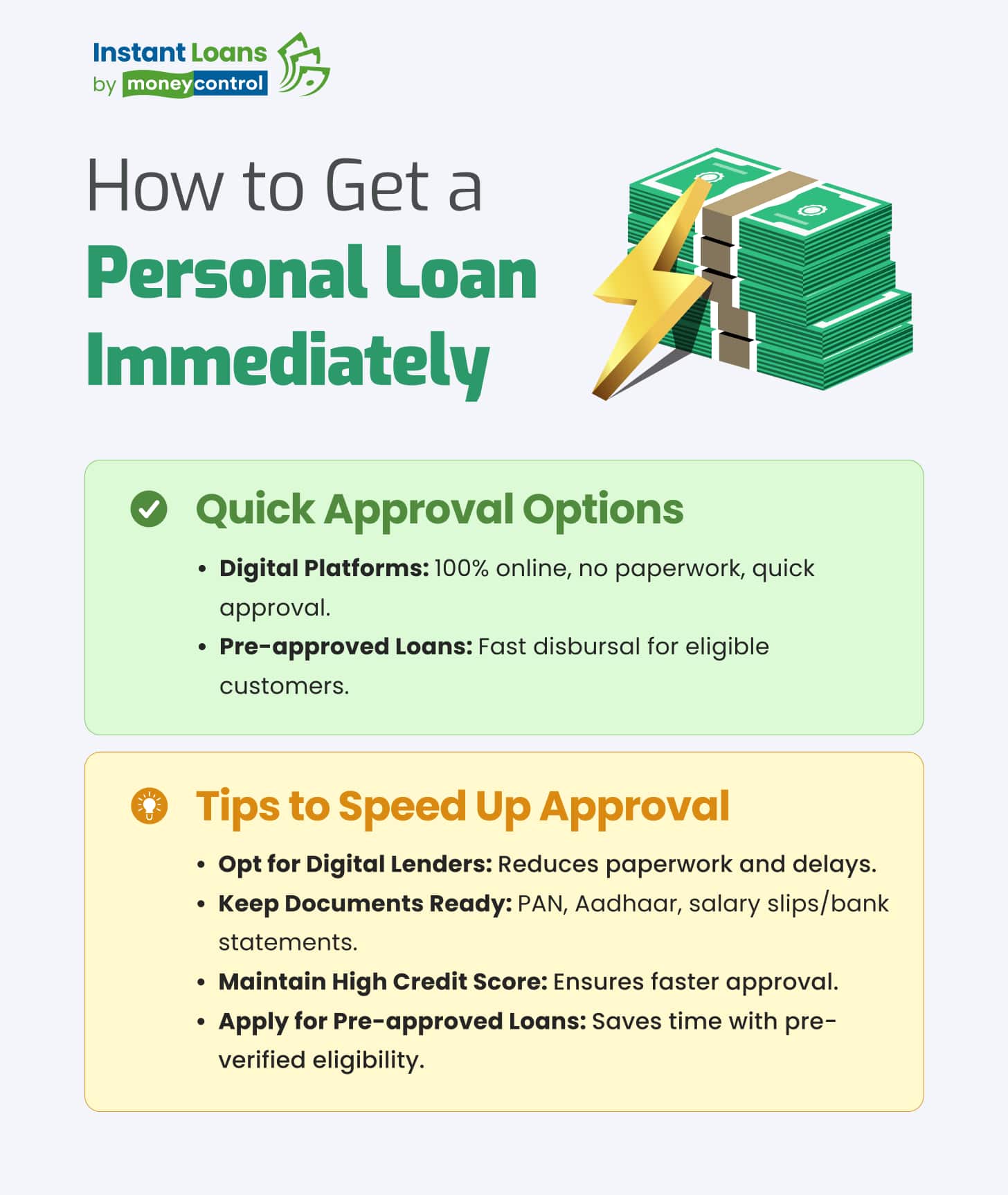
The “where” is often dictated by your credit score. If you do not need the funds immediately, taking six months to improve your credit profile can save you thousands of dollars in interest. This involves paying down existing revolving debt to lower your credit utilization ratio and ensuring there are no errors on your credit report. A jump of 50 points in a credit score can move a borrower from “subprime” to “prime” categories, opening doors to traditional banks and credit unions that offer the most attractive terms in the market.
In conclusion, the modern borrower is no longer restricted to a single path. From the institutional stability of traditional banks and the community focus of credit unions to the rapid innovation of fintech and the strategic use of personal assets, the options are vast. By matching your specific financial needs with the appropriate lending category, you can secure the capital necessary to achieve your goals while maintaining a foundation of fiscal responsibility.
aViewFromTheCave is a participant in the Amazon Services LLC Associates Program, an affiliate advertising program designed to provide a means for sites to earn advertising fees by advertising and linking to Amazon.com. Amazon, the Amazon logo, AmazonSupply, and the AmazonSupply logo are trademarks of Amazon.com, Inc. or its affiliates. As an Amazon Associate we earn affiliate commissions from qualifying purchases.