
Buying a home is often the single largest financial commitment an individual will make in their lifetime. For many, the journey begins not with a walk-through of a suburban kitchen or a downtown loft, but with a spreadsheet. The fundamental question—”How much will I get approved for a house loan?”—is the pivot point upon which your entire real estate search turns.
However, mortgage approval is not a singular number pulled from thin air. It is a complex calculation derived from your financial history, current obligations, and the economic climate at large. Understanding the mechanics of how lenders evaluate your “borrowing power” is essential for any prospective homeowner looking to navigate the market with confidence and precision.
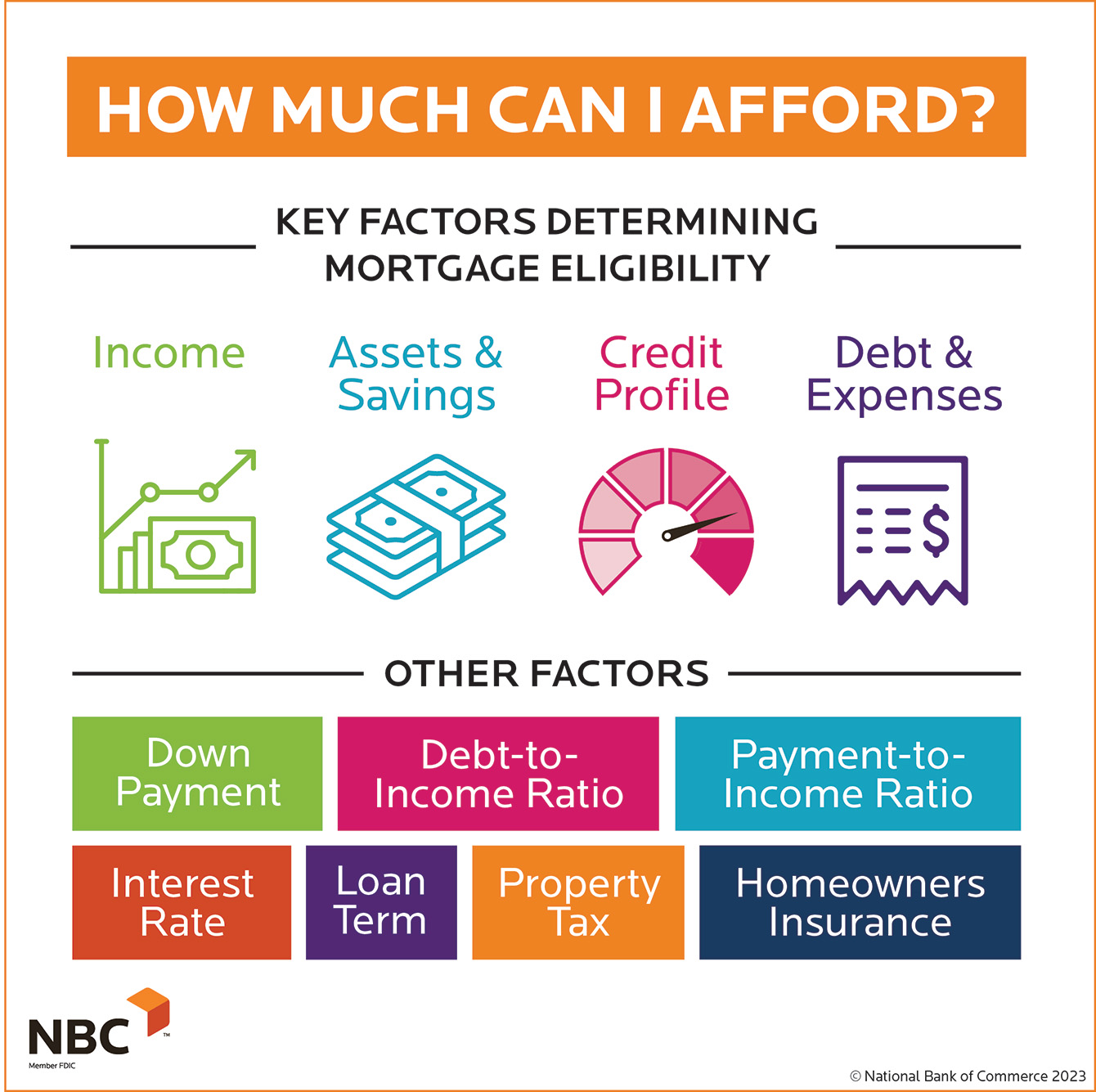
The Foundations of Loan Approval: How Lenders View Your Income
When you sit down with a loan officer, their primary objective is to assess risk. Specifically, they are looking for the statistical probability that you will repay the loan on time. The most significant indicator of this capacity is your income.
Understanding the Debt-to-Income (DTI) Ratio
The Debt-to-Income (DTI) ratio is perhaps the most critical metric in the mortgage industry. Lenders use this to determine how much of your monthly gross income is already committed to debt payments. Generally, there are two types of DTI:
- Front-End Ratio: This represents the percentage of your monthly gross income that would go toward your future housing expenses (including principal, interest, taxes, and insurance). Most traditional lenders prefer this to stay below 28%.
- Back-End Ratio: This includes your future housing payment plus all other recurring monthly debts, such as car loans, student loans, and credit card minimums.
While many conventional loans allow for a back-end DTI of up to 43%, some government-backed programs (like FHA loans) may allow for higher ratios under specific circumstances. The lower your DTI, the more “room” the lender has to approve a higher loan amount.
Gross vs. Net Income in Mortgage Calculus
It is a common point of confusion for borrowers that lenders calculate affordability based on gross monthly income (before taxes) rather than net income (take-home pay). While this might make your approval limit seem higher than what you feel comfortable spending, lenders use gross income to standardize calculations across different tax brackets and retirement contribution levels. For self-employed individuals or those with fluctuating commissions, lenders typically look at a two-year average of tax returns to establish a reliable income baseline.
The Credit Factor: Why Your Score Dictates Your Purchasing Power
Your credit score is essentially your financial reputation translated into a three-digit number. In the world of personal finance, a high credit score is a form of currency that can save you tens of thousands of dollars over the life of a house loan.
The Correlation Between Credit Tiers and Interest Rates
Your credit score directly influences the interest rate you are offered. Because your monthly mortgage payment is comprised of both principal and interest, a higher interest rate significantly reduces the total amount you can borrow.
For example, a borrower with a 760 credit score might qualify for a 6.5% interest rate, while a borrower with a 620 score might be offered 7.8%. On a $400,000 loan, that 1.3% difference can translate to hundreds of dollars more in monthly interest. Since lenders approve you based on a maximum monthly payment, the borrower with the higher interest rate will be approved for a significantly lower total loan amount.
How to Optimize Your Credit Before Applying
To maximize your approval amount, it is often wise to audit your credit report six to twelve months before applying for a loan. This includes:
- Reducing Credit Utilization: Keeping your credit card balances below 30% of their limits.
- Avoiding New Debt: Taking out a new car loan or opening several credit cards right before a mortgage application can lower your score and increase your DTI, both of which shrink your loan approval limit.
- Correcting Errors: Disputing inaccuracies on your credit report can provide a quick boost to your score.
The Role of Assets and Down Payments
While income and credit determine if you can pay, your assets prove that you have “skin in the game.” The amount of cash you have on hand for a down payment serves as a buffer for the lender and a primary lever in your approval limit.

The 20% Standard vs. Low-Down-Payment Programs
The traditional 20% down payment is the gold standard because it eliminates the need for Private Mortgage Insurance (PMI) and immediately provides 20% equity in the home. However, it is not a requirement for approval.
Many first-time homebuyers qualify for programs requiring as little as 3% or 3.5% down. It is important to realize, however, that a smaller down payment usually means a larger loan amount and the added cost of PMI. If you are approved for a maximum monthly payment of $2,500, and $300 of that must go toward PMI because your down payment was low, your “buying power” for the house itself is effectively reduced.
Proving Liquidity and Reserve Funds
Lenders also look at “reserves”—the amount of money you have left in the bank after the down payment and closing costs are paid. Having two to six months of mortgage payments in a liquid account (like savings or a brokerage account) acts as a compensating factor. If your DTI is slightly high or your credit is average, strong reserves can sometimes tip the scales in favor of a higher approval amount.
External Variables: Interest Rates and Market Dynamics
You could have the same income, credit score, and down payment as someone from three years ago and be approved for a significantly different amount today. This is due to the external economic environment.
The Impact of the Federal Reserve and Economic Trends
Mortgage rates are influenced by the yield on the 10-year Treasury note, which in turn reacts to the Federal Reserve’s monetary policy and inflation data. When interest rates rise, the cost of borrowing increases.
In a high-rate environment, your monthly payment covers more interest and less principal. Consequently, to keep your monthly payment within the lender’s DTI requirements, the total principal (the loan amount) must decrease. This is why many buyers find their “approval ceiling” dropping during periods of economic tightening.
Fixed-Rate vs. Adjustable-Rate Mortgages (ARMs)
The type of loan product you choose also impacts your approval. Adjustable-Rate Mortgages often start with a lower “teaser” rate than a standard 30-year fixed mortgage. Because the initial payment is lower, you might technically qualify for a larger loan amount. However, this comes with the risk of payments increasing in the future. Lenders often use a “qualified rate” (a higher rate than the initial start rate) to ensure you can still afford the loan if the interest rate adjustments hit their cap.
Calculating Your “Real” Limit: Beyond the Bank’s Approval
There is a significant difference between what a bank will lend you and what you should borrow. Financial literacy involves looking beyond the pre-approval letter to ensure the mortgage fits within a healthy personal finance framework.
The 28/36 Rule of Thumb
A classic guideline in personal finance is the 28/36 rule. It suggests that your mortgage payment should not exceed 28% of your gross monthly income, and your total debt should not exceed 36%. While lenders may allow you to go up to 43% or even 50% in some cases, doing so can leave you “house poor”—having a beautiful home but no discretionary income for travel, retirement savings, or emergency repairs.
Accounting for Taxes, Insurance, and Maintenance
When a lender gives you an approval amount, they are often estimating property taxes and homeowners insurance. However, these costs vary wildly by location. A $500,000 home in a high-tax state like New Jersey will have a much higher monthly carrying cost than a $500,000 home in a lower-tax state.
Furthermore, banks do not factor in the “hidden” costs of homeownership:
- Maintenance: A general rule is to set aside 1% of the home’s value annually for repairs.
- Utilities: Moving from a 1,000-square-foot apartment to a 2,500-square-foot house can triple your heating and cooling costs.
- HOA Fees: Homeowners Association fees can range from $20 to over $1,000 a month and are included in your DTI calculation.

Conclusion: Empowering Your Homebuying Journey
Determining how much you will get approved for a house loan is the first step toward building generational wealth through real estate. By mastering your Debt-to-Income ratio, optimizing your credit score, and understanding the impact of interest rates, you can position yourself as a prime candidate for lenders.
However, the most successful homeowners are those who treat the bank’s approval as a maximum limit rather than a target. By aligning your loan amount with your broader financial goals—such as investing in the stock market, building an emergency fund, and maintaining a high quality of life—you ensure that your new home is a foundation for financial freedom rather than a source of financial stress. Strategy, preparation, and a clear understanding of the numbers are your best tools in the quest for the right home loan.
aViewFromTheCave is a participant in the Amazon Services LLC Associates Program, an affiliate advertising program designed to provide a means for sites to earn advertising fees by advertising and linking to Amazon.com. Amazon, the Amazon logo, AmazonSupply, and the AmazonSupply logo are trademarks of Amazon.com, Inc. or its affiliates. As an Amazon Associate we earn affiliate commissions from qualifying purchases.