
The financial landscape has undergone a seismic shift over the last decade. Since its inception in 2009, Bitcoin has evolved from an experimental cryptographic project into a globally recognized asset class, often referred to as “digital gold.” For the modern investor, the question is no longer “what is Bitcoin?” but rather “how can I acquire it safely and effectively?” This guide examines the multifaceted ways individuals can incorporate Bitcoin into their financial portfolios, focusing on the mechanics of acquisition, the nuances of different platforms, and the strategic considerations of long-term wealth preservation in the digital age.
The Gateway to Digital Wealth: Understanding Bitcoin Acquisition
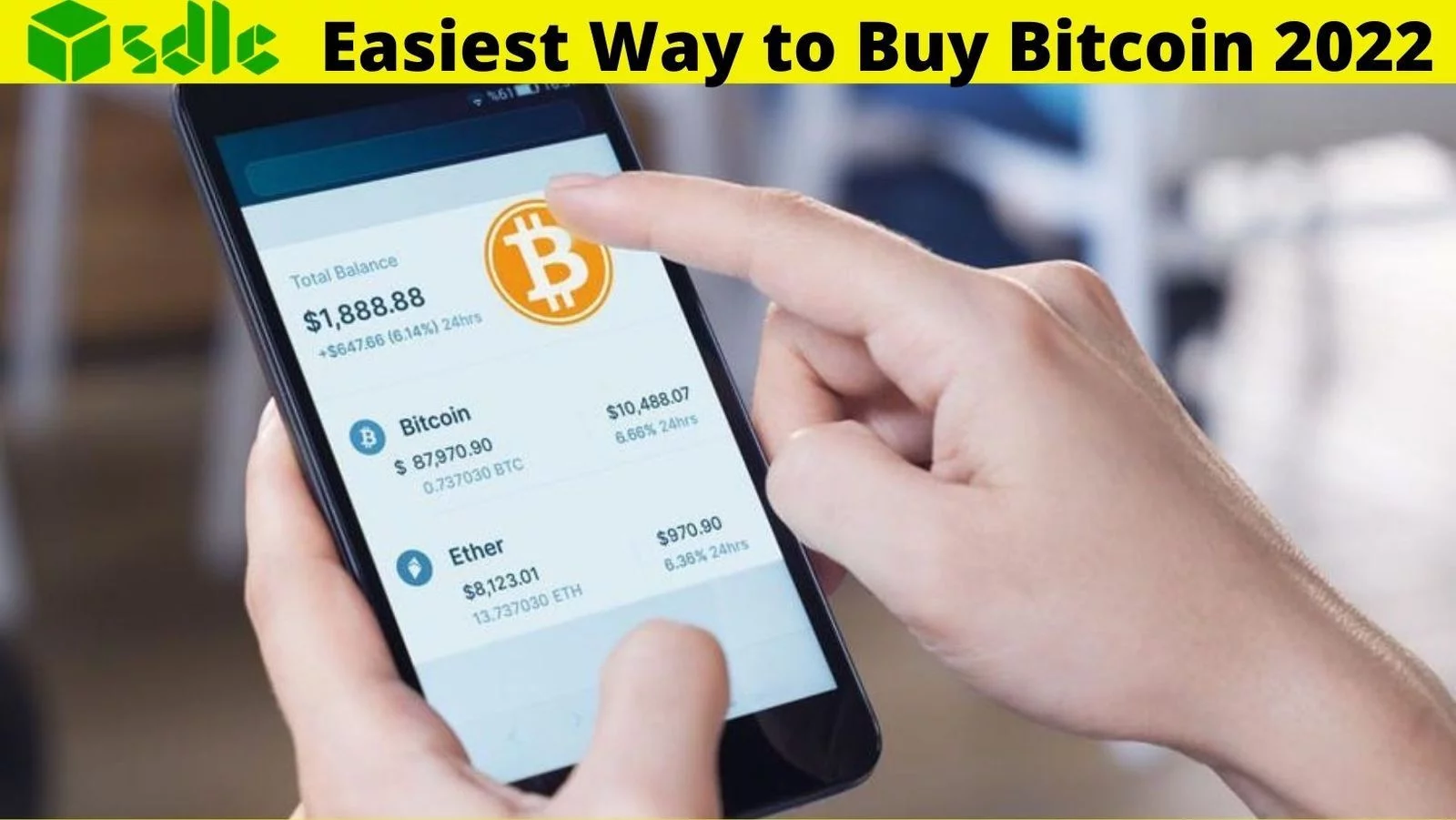
Before diving into the technical steps of purchasing, it is essential to frame Bitcoin acquisition within the context of a broader financial strategy. Unlike traditional equities or bonds, Bitcoin operates on a decentralized network, meaning the responsibility for its management and security rests primarily with the owner.
The Shift from Traditional to Digital Finance
Traditional finance relies on intermediaries—banks, brokers, and clearinghouses—to facilitate transactions and verify ownership. Bitcoin removes these intermediaries, allowing for peer-to-peer value transfer. Acquiring Bitcoin is the first step in participating in this parallel financial system. For the personal finance enthusiast, this represents a move toward “sovereign wealth,” where you have total control over your assets without the risk of third-party censorship or inflationary dilution by central banks.
Determining Your Investment Objectives
Why are you acquiring Bitcoin? Your answer will dictate your method. A long-term investor seeking a hedge against inflation will approach acquisition differently than a swing trader looking for short-term gains. Those seeking “sound money” often prioritize security and self-custody, while those looking for convenience might prioritize ease of use via mobile apps. Defining your risk tolerance and time horizon is a prerequisite to making your first purchase.
Centralized Exchanges: The Entry Point for Most Investors
For the vast majority of people, the most straightforward way to acquire Bitcoin is through a Centralized Exchange (CEX). These platforms act as a bridge between the traditional banking system (fiat) and the world of digital assets.
Selecting a Reputable Trading Platform
In the realm of personal finance, the choice of a brokerage is critical. When selecting an exchange, investors must weigh several factors: security history, fee structures, liquidity, and regulatory compliance. Platforms like Coinbase, Kraken, and Gemini have established themselves by adhering to strict regulatory standards in various jurisdictions. These platforms provide a user-friendly interface that feels similar to online banking, making them the preferred starting point for beginners.
Navigating the Onboarding and KYC Process
To comply with global financial regulations, reputable exchanges require users to undergo “Know Your Customer” (KYC) procedures. This involves providing government-issued identification and, in some cases, proof of residence. While this may seem contrary to the “anonymous” reputation of Bitcoin, it is a standard requirement for moving fiat currency (like USD, EUR, or GBP) into the crypto ecosystem. This step ensures that your acquisition is documented and legal, which is vital for future tax reporting and financial transparency.
Executing Your First Purchase
Once your account is funded via bank transfer or credit card, you can execute a “market order” or a “limit order.” A market order buys Bitcoin at the current prevailing price, ensuring immediate acquisition. A limit order allows you to set a specific price at which you are willing to buy, offering more control over your entry point. For most individual investors, the simplicity of a market order is sufficient for their initial foray into the market.
Alternative Acquisition Methods: Beyond the Standard Exchange
While centralized exchanges are the most popular, they are not the only way to acquire Bitcoin. Depending on your privacy needs or local availability, other avenues may be more appropriate.
Peer-to-Peer (P2P) Marketplaces
P2P platforms, such as Paxful or Bisq, facilitate direct trades between individuals. These marketplaces act as an escrow service, holding the Bitcoin until the seller confirms they have received payment from the buyer through a mutually agreed-upon method (such as a bank transfer, PayPal, or even gift cards). The primary advantage here is the diversity of payment methods and, in some cases, enhanced privacy. However, P2P trading requires a higher level of vigilance to avoid bad actors and scams.
Bitcoin ATMs and Physical Vending
For those who prefer a more physical transaction or need to acquire Bitcoin using cash, Bitcoin ATMs (BTMs) are an increasingly common sight in urban centers. These machines allow you to insert cash and receive Bitcoin directly to your digital wallet. While convenient and often requiring less documentation for small amounts, BTMs typically charge significantly higher fees—ranging from 5% to 15%—compared to online exchanges. They serve as a vital tool for immediate liquidity but are rarely the most cost-effective method for large-scale investment.
Earning Bitcoin through Services and Micro-tasks
In the spirit of the “side hustle” economy, one of the most sustainable ways to acquire Bitcoin is to earn it. A growing number of freelancers and companies are opting to pay or be paid in Bitcoin. Additionally, “stacking sats” (accumulating small fractions of a Bitcoin called Satoshis) can be done through cash-back apps like Lolli or Fold, which reward users in Bitcoin for their everyday shopping. This method allows for a low-risk accumulation of the asset without the need for an initial capital outlay.
Security and Custody: Protecting Your Financial Assets
In personal finance, the goal is not just to acquire wealth but to protect it. With Bitcoin, the mantra “Not your keys, not your coins” is foundational. If you leave your Bitcoin on an exchange, you do not technically own it; the exchange does, and you have a claim against them.
The Importance of Self-Custody
True financial sovereignty is achieved through self-custody. This involves moving your Bitcoin from the exchange to a wallet where you control the private keys (the digital “password” that allows you to move the funds). This eliminates “exchange risk”—the possibility that an exchange might go bankrupt, be hacked, or freeze your account.
Hot Wallets vs. Cold Storage
There are two primary types of wallets:
- Hot Wallets: These are software applications on your phone or computer. They are connected to the internet, making them convenient for frequent transactions but more vulnerable to malware or hacking.
- Cold Storage (Hardware Wallets): These are physical devices (like Ledger or Trezor) that keep your private keys offline. Cold storage is widely considered the gold standard for securing significant amounts of Bitcoin, as it provides an air-gap between your assets and the internet.
Best Practices for Private Key Management
When you set up a self-custody wallet, you are given a “seed phrase” (usually 12 to 24 random words). This phrase is the ultimate key to your funds. If you lose your device, you can use this phrase to recover your Bitcoin. In the world of finance, this phrase should be treated with more care than a physical gold bar. It should never be stored digitally (no photos, no emails, no cloud storage). Writing it down on paper or engraving it in metal and storing it in a secure, fireproof location is the professional standard for asset protection.
Long-Term Financial Management and Strategy
Acquiring Bitcoin is only half the battle; managing the investment over time is where real wealth is built. The volatility of the crypto market requires a disciplined psychological and strategic approach.
Dollar-Cost Averaging (DCA) vs. Lump Sum Investing
Market timing is notoriously difficult. Many successful investors utilize Dollar-Cost Averaging (DCA), which involves buying a fixed dollar amount of Bitcoin at regular intervals (e.g., $100 every Monday), regardless of the price. This strategy reduces the impact of volatility and removes the emotional stress of trying to “buy the dip.” Conversely, lump sum investing—putting a large amount in all at once—can be more profitable if the market is at the start of a bull run, but it carries a higher psychological risk if the market immediately corrects.
Tax Implications and Regulatory Compliance
As Bitcoin becomes more integrated into the global economy, tax authorities have stepped up their oversight. In many jurisdictions, Bitcoin is treated as property, meaning every time you sell it or trade it for another asset, you may trigger a capital gains tax event. Keeping meticulous records of your acquisition dates, costs (the “cost basis”), and sale prices is essential for professional financial management. Utilizing crypto-specific tax software can help automate this process and ensure compliance with local laws.

Portfolio Diversification in the Crypto Era
While Bitcoin offers high growth potential, it remains a volatile asset. A sound financial plan usually treats Bitcoin as a component of a diversified portfolio. Depending on an individual’s risk profile, a common strategy is to allocate 1% to 10% of total investable assets to Bitcoin. This provides exposure to the “upside” of the digital economy while ensuring that the overall portfolio remains resilient against the inherent fluctuations of the cryptocurrency market.
In conclusion, acquiring Bitcoin is no longer the technical hurdle it once was. Between user-friendly exchanges, P2P marketplaces, and the ability to earn digital currency through labor, the entry points are numerous. However, the transition from a casual buyer to a sophisticated investor requires a commitment to security, an understanding of custody, and a disciplined long-term strategy. By approaching Bitcoin with the same rigor one would apply to any other high-value financial asset, individuals can successfully navigate this new frontier of wealth.
aViewFromTheCave is a participant in the Amazon Services LLC Associates Program, an affiliate advertising program designed to provide a means for sites to earn advertising fees by advertising and linking to Amazon.com. Amazon, the Amazon logo, AmazonSupply, and the AmazonSupply logo are trademarks of Amazon.com, Inc. or its affiliates. As an Amazon Associate we earn affiliate commissions from qualifying purchases.