
Amazon Prime Day has transcended its origins as a mere sales event, evolving into a colossal global retail phenomenon. For many, it signifies an opportunity for unparalleled discounts; for Amazon, it represents a strategic cornerstone of its brand identity and market dominance. To truly grasp “what Prime Day means” requires a deeper dive into its multifaceted impact through a brand lens, revealing not just a transactional spree but a sophisticated exercise in brand building, customer loyalty, and market influence. It is a testament to Amazon’s ability to create a tentpole event that reshapes consumer expectations, dictates competitive responses, and reinforces its unique position in the digital economy.
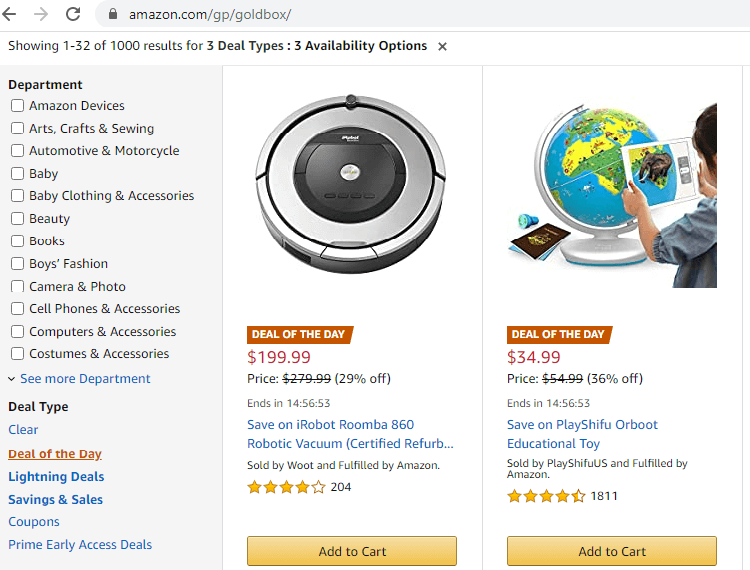
Prime Day: A Masterclass in Brand Activation
At its core, Prime Day is Amazon’s most audacious and successful brand activation strategy. Launched in 2015 to celebrate the company’s 20th anniversary, it rapidly transformed from a one-off event into an annual, eagerly anticipated retail holiday. Its “meaning” for Amazon is profoundly strategic: to celebrate and reward its most valuable customers – Prime members – while simultaneously enticing new subscribers.
Reinforcing the Amazon Prime Value Proposition
The genius of Prime Day lies in its exclusive nature. By restricting the best deals to Prime members, Amazon ingeniously reinforces the value proposition of its subscription service. It’s not just about free shipping or streaming; it’s about access to an exclusive club, privileged information, and special opportunities. This exclusivity elevates Prime membership from a utility to a status symbol, fostering a sense of belonging and advantage. The event serves as a powerful reminder of the tangible and intangible benefits of being a Prime member, driving both retention and acquisition at scale. For millions, Prime Day becomes the definitive reason to renew or subscribe, proving Amazon’s ability to bundle perceived value far beyond the initial services.
Strategic Timing and Market Dominance
The timing of Prime Day, typically in mid-summer, is no accident. It cleverly fills a retail void between major holiday seasons, establishing its own peak buying period. This strategic placement allows Amazon to dominate consumer mindshare and wallet share during an otherwise quieter retail quarter. By creating its own “holiday,” Amazon asserts its control over the retail calendar, dictating the pace and focus for both consumers and competitors. This proactive market shaping reinforces Amazon’s brand as an innovator and leader, capable of generating its own demand rather than merely responding to existing trends. It demonstrates Amazon’s unparalleled logistical and marketing prowess, allowing it to execute a global sale of this magnitude with seamless efficiency.
Cultivating Customer Loyalty and the Prime Ecosystem
Beyond initial sales, Prime Day is a sophisticated mechanism for deepening customer relationships and embedding the Amazon brand more firmly into daily life. It’s an investment in long-term loyalty, encouraging engagement with the broader Amazon ecosystem.
Data-Driven Personalization and Engagement
Prime Day provides Amazon with an invaluable opportunity to collect and analyze vast quantities of customer data. Every click, every purchase, every product viewed during the event feeds into Amazon’s sophisticated recommendation engines, allowing for increasingly personalized shopping experiences throughout the year. This data-driven personalization is a key pillar of Amazon’s brand strategy, making customers feel understood and catered to. The event leverages Amazon’s technological infrastructure to showcase its ability to anticipate needs and preferences, thereby enhancing customer satisfaction and reinforcing the convenience and relevance of the Amazon platform. This continuous feedback loop cultivates loyalty by making the Amazon experience feel indispensable.
Strengthening the Amazon Brand Identity
Prime Day is a direct reflection of Amazon’s core brand identity: customer-centricity, convenience, and unparalleled selection. The event embodies these principles by offering a vast array of products at competitive prices, delivered with Amazon’s signature efficiency. It reinforces the perception of Amazon as the “everything store” where customers can find virtually anything they need or want. Furthermore, the sheer scale and global reach of Prime Day cement Amazon’s image as a dominant, indispensable force in global commerce. This reinforces not just a functional benefit but an emotional one, positioning Amazon as a reliable partner in a customer’s consumption journey. The “Prime Day” name itself has become synonymous with Amazon, further strengthening brand recognition and recall.
Driving Cross-Category Adoption
While often associated with electronics, Prime Day extends across virtually every product category Amazon offers. This broad appeal encourages customers to explore and purchase items they might not typically consider buying from Amazon, thereby expanding their engagement with the platform. For example, a customer buying a new smart home device might also pick up groceries or apparel, exposed to these categories through Prime Day deals. This cross-category adoption is critical for Amazon’s brand strategy, transforming the platform from a specialized retailer into a comprehensive lifestyle destination. It showcases the depth and breadth of Amazon’s offerings, fostering a holistic relationship with its customer base and increasing the “stickiness” of the entire Prime ecosystem.
The Ripple Effect: Prime Day’s Influence on Competing Brands
Prime Day’s success casts a long shadow, compelling other brands and retailers to respond with their own promotional strategies. It’s not just an Amazon event; it’s a catalyst that reshapes the competitive landscape for weeks leading up to and following the event.
“Black Friday in July” and Competitive Responses
The sheer volume of sales generated by Prime Day has forced competitors to create their own “anti-Prime Day” sales, often dubbed “Black Friday in July.” Major retailers like Walmart, Target, and Best Buy now launch parallel sales events to capture consumer attention and prevent market share erosion. This competitive reaction underscores Amazon’s powerful influence on the broader retail brand ecosystem. It demonstrates that Amazon’s brand activation has become so significant that it can effectively dictate the promotional calendar for its rivals, forcing them to adapt their own brand messaging and discount strategies. This creates a highly competitive environment where all brands are pressured to offer compelling value.

Opportunities for Third-Party Sellers and Partner Brands
While a challenge for some, Prime Day also presents immense opportunities for third-party sellers and partner brands on the Amazon platform. For many small and medium-sized businesses (SMBs), Prime Day can be their biggest sales day of the year. It provides unparalleled exposure and access to Amazon’s vast customer base, allowing these brands to significantly boost sales, gain new customers, and build their own brand recognition under the Amazon umbrella. Amazon actively promotes these sellers, showcasing its commitment to supporting a diverse ecosystem of brands. This symbiotic relationship enhances Amazon’s brand image as a platform that empowers businesses, not just a retailer that competes with them. For these partner brands, Prime Day offers a valuable, albeit competitive, pathway to growth and market penetration.
Brand Perception and Consumer Expectations
Prime Day has fundamentally shifted consumer expectations around discounting. Shoppers now anticipate major mid-year sales events, creating a demand that other brands must meet. This influences how brands plan their marketing calendars, inventory management, and pricing strategies. Brands that fail to participate or offer competitive deals risk appearing out of touch or less customer-friendly, potentially damaging their brand perception. Amazon has effectively raised the bar for promotional activity, forcing all brands to reconsider their approach to seasonal sales and value propositions. This impact extends beyond direct competitors, influencing brand strategies across various sectors that rely on consumer purchasing cycles.
Beyond Discounts: Prime Day as a Marketing Phenomenon
Prime Day is far more than a flash sale; it’s a sophisticated, multi-channel marketing campaign that showcases Amazon’s advertising prowess and media integration. It leverages storytelling, digital engagement, and celebrity endorsements to build hype and sustain interest.
Storytelling and Brand Narrative
Amazon often uses Prime Day to tell stories about innovation, convenience, and the unique capabilities of its products and services. From highlighting new Alexa devices to showcasing sustainability initiatives, the event becomes a platform for Amazon to articulate aspects of its broader brand narrative. Through engaging content, live streams, and editorial features, Amazon crafts a compelling story around the event, moving beyond transactional details to evoke aspiration and excitement. This narrative approach transforms Prime Day from a simple selling spree into a branded experience, where consumers feel connected to Amazon’s vision and values. It allows Amazon to position itself as a lifestyle enabler, not just a retailer.
Integrated Marketing Campaigns
The marketing surrounding Prime Day is a masterclass in integrated campaign execution. It spans all digital touchpoints – email, social media, display advertising, search engine marketing – and often includes traditional media, celebrity endorsements, and interactive experiences. The scale and coordination of these campaigns build massive anticipation and reach. This extensive marketing effort reinforces Amazon’s brand as a pervasive and inescapable presence in the digital landscape. It also showcases Amazon’s own advertising tools and capabilities, effectively marketing its services to other brands by demonstrating their potential. The cohesive branding and consistent messaging across all channels amplify the event’s impact, making Prime Day feel like a truly global cultural moment.
Influencer Engagement and Social Buzz
Prime Day heavily relies on influencer marketing and user-generated content to amplify its reach and authenticity. Amazon collaborates with a wide array of influencers, from tech reviewers to lifestyle bloggers, who share their favorite deals and create unboxing videos. This strategy generates significant social buzz, making Prime Day a trending topic across platforms. This organic and semi-organic content creation strategy not only drives traffic but also builds trust and relatability, as consumers are more likely to be influenced by authentic recommendations from personalities they follow. By leveraging these voices, Amazon further decentralizes its marketing, allowing the Prime Day brand message to resonate through diverse and credible channels.
Evolving Perceptions: The Future of the Prime Day Brand
As Prime Day matures, its meaning continues to evolve, reflecting shifts in consumer behavior, market dynamics, and Amazon’s own strategic priorities. The brand identity of Prime Day is not static; it is a dynamic entity shaped by past successes and future ambitions.
Sustainability and Ethical Brand Positioning
In an increasingly environmentally conscious world, the “meaning” of Prime Day must also address sustainability. Amazon faces growing pressure to demonstrate its commitment to ethical practices, from packaging waste to carbon emissions from expedited shipping. Future Prime Days will likely integrate more sustainability messaging and feature eco-friendly products, aligning the event with Amazon’s broader corporate social responsibility initiatives. This strategic pivot is crucial for maintaining a positive brand image and appealing to a new generation of consumers who prioritize ethical consumption. By showcasing responsible practices, Amazon can ensure that Prime Day continues to resonate as a forward-thinking and responsible brand event.
Global Expansion and Cultural Adaptation
Prime Day’s global footprint is ever-expanding, requiring Amazon to adapt its brand messaging and product offerings to diverse cultural contexts. What “Prime Day means” in the US might differ subtly from its interpretation in India or Japan. Tailoring deals, marketing campaigns, and even the timing of the event to local customs and preferences is essential for continued success and brand relevance. This global adaptation demonstrates Amazon’s agility and its commitment to serving a worldwide customer base, further solidifying its brand as a truly international phenomenon. The challenge lies in maintaining a consistent global brand identity while embracing local nuances, ensuring the Prime Day brand resonates universally.

The Role of Prime Day in Amazon’s Future Growth
Ultimately, Prime Day means continued growth and strategic relevance for Amazon. It’s a core driver of Prime membership, a powerful sales accelerator, and a significant data generator. As Amazon expands into new sectors like healthcare, groceries, and entertainment, Prime Day will increasingly serve as a vehicle to promote these integrated services, further cementing the all-encompassing nature of the Amazon brand. It is a recurring brand event that continually reaffirms Amazon’s dominance, innovation, and unwavering focus on the customer. Its enduring success ensures that Prime Day will remain a critical touchpoint in Amazon’s brand narrative, shaping its trajectory and solidifying its unparalleled position in the global market for years to come.
aViewFromTheCave is a participant in the Amazon Services LLC Associates Program, an affiliate advertising program designed to provide a means for sites to earn advertising fees by advertising and linking to Amazon.com. Amazon, the Amazon logo, AmazonSupply, and the AmazonSupply logo are trademarks of Amazon.com, Inc. or its affiliates. As an Amazon Associate we earn affiliate commissions from qualifying purchases.