
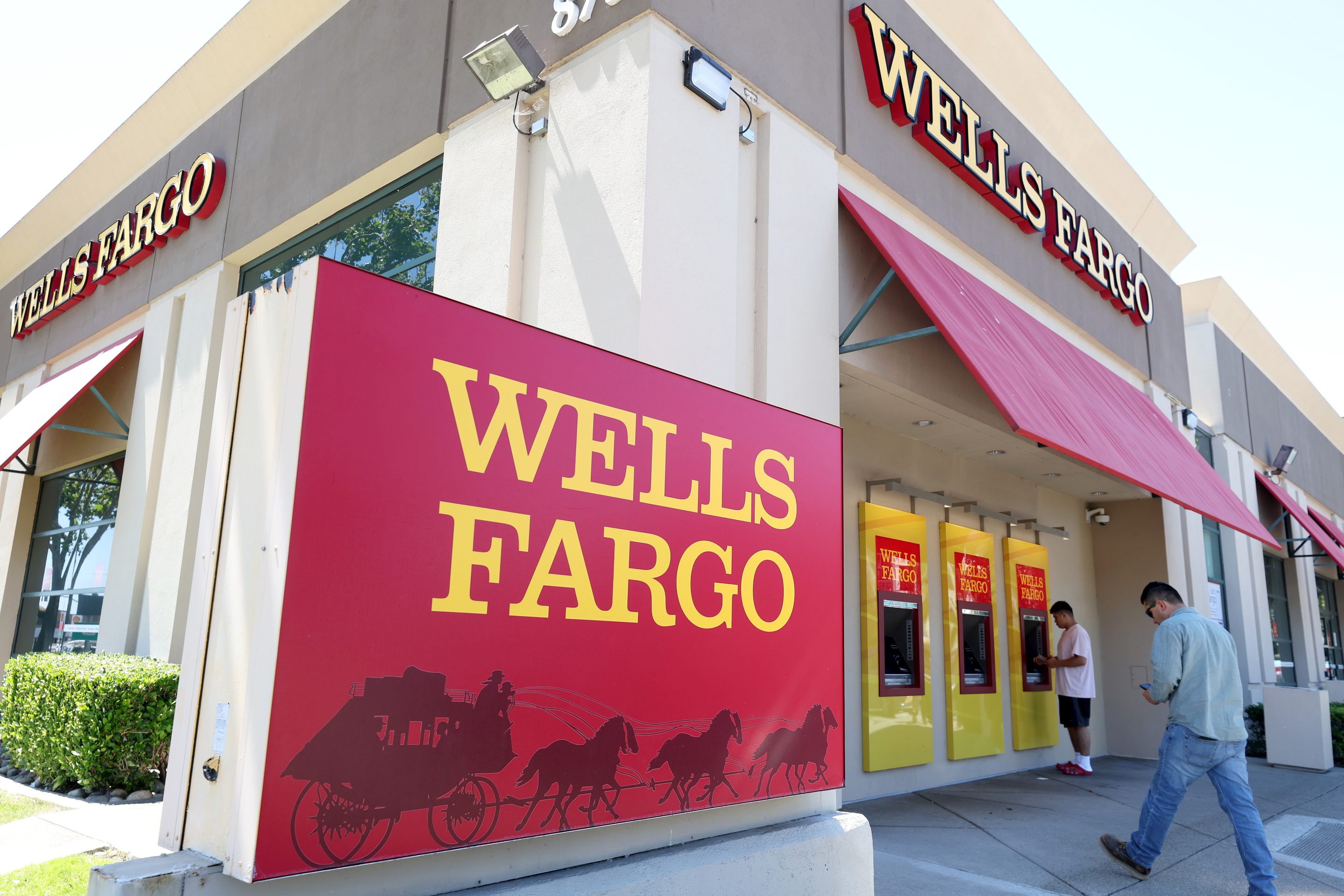
Wells Fargo & Company is a diversified, community-based financial services company that stands as one of the “Big Four” banks in the United States. Founded in 1852 by Henry Wells and William G. Fargo, the institution originally gained fame for its stagecoach express service, delivering gold and mail across the burgeoning American West. Today, Wells Fargo has transitioned from those frontier roots into a global powerhouse, managing trillions of dollars in assets and serving one in three households in the United States.
For the modern consumer, investor, or business owner, understanding what Wells Fargo is requires looking beyond its iconic stagecoach logo. It is a multifaceted financial engine that provides a spectrum of services including personal banking, investment management, and corporate financing. This guide explores the structure of Wells Fargo through the lens of personal and business finance, evaluating how its tools and services shape the financial lives of millions.
Personal Finance: Banking Solutions for Individuals
At its core, Wells Fargo operates as a retail banking titan. For the average consumer, the bank serves as the primary repository for income and the facilitator of daily transactions. Its personal finance division is designed to provide a “one-stop-shop” experience, covering everything from basic liquidity needs to long-term debt management.
Everyday Banking and Liquidity Management
The foundation of the Wells Fargo experience is its suite of checking and savings accounts. The “Way2Save” savings account, for example, is built with automated features to help consumers build emergency funds—a critical pillar of personal finance. By offering various tiers of checking accounts, such as the Everyday Checking and the more robust Prime Checking, the bank caters to different demographic needs, from students to high-balance depositors. These accounts are more than just holding pens for cash; they are the gateways through which individuals manage their cash flow, pay bills, and establish a financial footprint.
Credit and Borrowing Strategies
Wells Fargo is a major player in the consumer credit market. Its credit card portfolio, featuring products like the Wells Fargo Active Cash® Card and the Autograph℠ Card, offers consumers ways to earn rewards while managing expenses. From a financial planning perspective, these tools are essential for building credit scores, which in turn lowers the cost of future borrowing. Furthermore, the bank provides personal loans and lines of credit, offering fixed-rate solutions for debt consolidation or major life events, allowing customers to navigate liquidity crunches without turning to high-interest predatory lenders.
The Path to Homeownership
Perhaps no area of personal finance is as significant as real estate. Wells Fargo remains one of the largest mortgage originators in the country. By providing fixed-rate and adjustable-rate mortgages, as well as specialized programs for first-time homebuyers, the bank facilitates the transition from renting to asset building. Home equity lines of credit (HELOCs) also allow established homeowners to leverage their property’s value to fund renovations or education, effectively turning a static asset into a flexible financial tool.
Investing and Wealth Management
Beyond standard banking, Wells Fargo serves as a massive conduit for wealth creation and capital preservation. Through its wealth and investment management division, the bank provides the infrastructure necessary for individuals to participate in the global markets, shifting from savers to investors.
Wells Fargo Advisors and Brokerage Services
For those looking to grow their net worth, Wells Fargo Advisors provides a range of brokerage services. This includes traditional full-service advisory, where human advisors craft bespoke investment strategies, and WellsTrade®, a self-directed platform for the more hands-on investor. These services provide access to stocks, bonds, mutual funds, and exchange-traded funds (ETFs). By integrating these investment accounts with standard banking, Wells Fargo allows for seamless capital allocation, making it easier for users to move money from their paycheck directly into income-producing assets.
Retirement Planning and Long-Term Security
A central component of the bank’s investment philosophy is retirement readiness. Wells Fargo offers Traditional and Roth IRAs, as well as specialized guidance on 401(k) rollovers. Financial security in old age is a primary concern for most Americans, and Wells Fargo utilizes its vast analytical resources to provide retirement calculators and goal-tracking tools. These resources help users understand the “magic of compounding” and the necessity of tax-advantaged growth, ensuring that their current income translates into future stability.
Private Wealth Management for High-Net-Worth Individuals
For the affluent, Wells Fargo offers “The Private Bank.” This niche focuses on complex financial needs, including estate planning, philanthropic giving, and sophisticated tax strategies. When wealth reaches a certain threshold, the focus often shifts from simple accumulation to “wealth transfer” and “asset protection.” Wells Fargo’s specialists work with families to ensure that wealth is preserved across generations, utilizing trusts and diverse alternative investments that are often inaccessible to the general public.
Empowering Business Finance and Commercial Growth
Wells Fargo is not just a consumer bank; it is a vital partner for the American business community. From “mom-and-pop” shops to multinational corporations, the bank provides the liquidity and credit essential for economic expansion.
Small Business Banking and Entrepreneurship
The lifeblood of the economy is the small business sector, and Wells Fargo is one of the nation’s leading lenders in this category. It offers specialized business checking accounts, payroll services, and merchant services that allow entrepreneurs to accept payments efficiently. More importantly, it provides access to Small Business Administration (SBA) loans and business lines of credit. For a startup or a growing local business, these funds are often the difference between stagnation and scaling, providing the capital necessary for inventory, equipment, and hiring.
Commercial and Corporate Banking
On a larger scale, Wells Fargo’s Commercial Banking division services middle-market companies and large corporations. This includes treasury management services, which help businesses optimize their cash flow and manage operational risks. For corporations looking to expand through acquisitions or capital expenditures, Wells Fargo provides syndicated loans and structured finance. This level of banking is less about individual transactions and more about “capital structure”—ensuring a company has the right balance of debt and equity to maximize shareholder value.
Specialized Industry Financing
Wells Fargo distinguishes itself by offering specialized financial services tailored to specific industries. This includes agribusiness, healthcare, and commercial real estate. By employing experts who understand the unique cycles of these industries—such as the seasonal nature of farming or the regulatory hurdles of healthcare—the bank can offer more nuanced credit products and risk management strategies. This specialized knowledge helps businesses navigate industry-specific downturns while capitalizing on growth opportunities.
Financial Tools: Navigating the Digital Ecosystem
In the modern era, a bank is only as good as its interface. Wells Fargo has invested heavily in financial technology to provide users with tools that promote transparency and fiscal responsibility. These tools are the bridge between the bank’s institutional power and the user’s daily financial decisions.
The Wells Fargo Mobile® App and LifeSync®
The mobile app serves as a digital command center for a user’s money. A standout feature is “LifeSync,” a tool designed to align a user’s financial habits with their personal goals. It allows users to track their progress toward milestones—like buying a house or retiring—and provides real-time data on how their spending and investment performance affect those goals. This shift toward “goal-based banking” helps users move away from reactive spending toward proactive financial planning.
Security, Monitoring, and Credit Health
Security is a fundamental aspect of financial management. Wells Fargo provides integrated tools like the “Security Center,” where users can monitor their FICO® Score for free. In the world of personal finance, your credit score is your reputation; by providing monthly updates and education on what influences these scores, Wells Fargo empowers users to take control of their borrowing potential. Additionally, automated alerts for unusual activity and the ability to “turn off” a misplaced debit card via the app provide a layer of protection that is essential in a digital-first economy.
Seamless Money Movement with Zelle®
Through its partnership with Zelle®, Wells Fargo facilitates the instant movement of money. While this is often seen as a convenience, from a financial management perspective, it is a tool for “velocity of money.” It allows for the immediate settlement of debts between peers and instant payments to small businesses, reducing the reliance on cash and the delays associated with traditional checks.

Evaluating Wells Fargo in the Modern Economy
Understanding what Wells Fargo is requires a balanced view of its place in the financial ecosystem. As a “systemically important financial institution,” its health is often a reflection of the broader economy. For the individual, the bank offers an unparalleled breadth of services, but it also demands a level of financial literacy to navigate.
The primary advantage of a bank like Wells Fargo is the “ecosystem effect.” When your checking, savings, mortgage, and brokerage accounts are all under one roof, you gain a holistic view of your net worth. This integration simplifies financial reporting and can often lead to reduced fees or better interest rates through relationship banking programs.
However, in the landscape of modern finance, Wells Fargo faces competition from nimble fintech startups and high-yield online banks. To stay relevant, Wells Fargo continues to evolve its digital tools and customer service models. Whether you are a student opening your first account, an entrepreneur seeking a line of credit, or an investor planning for a multi-decade retirement, Wells Fargo represents a massive infrastructure of opportunity. It is more than just a place to store money; it is a complex, integrated system designed to facilitate the flow of capital and the creation of wealth in the 21st century.
aViewFromTheCave is a participant in the Amazon Services LLC Associates Program, an affiliate advertising program designed to provide a means for sites to earn advertising fees by advertising and linking to Amazon.com. Amazon, the Amazon logo, AmazonSupply, and the AmazonSupply logo are trademarks of Amazon.com, Inc. or its affiliates. As an Amazon Associate we earn affiliate commissions from qualifying purchases.