
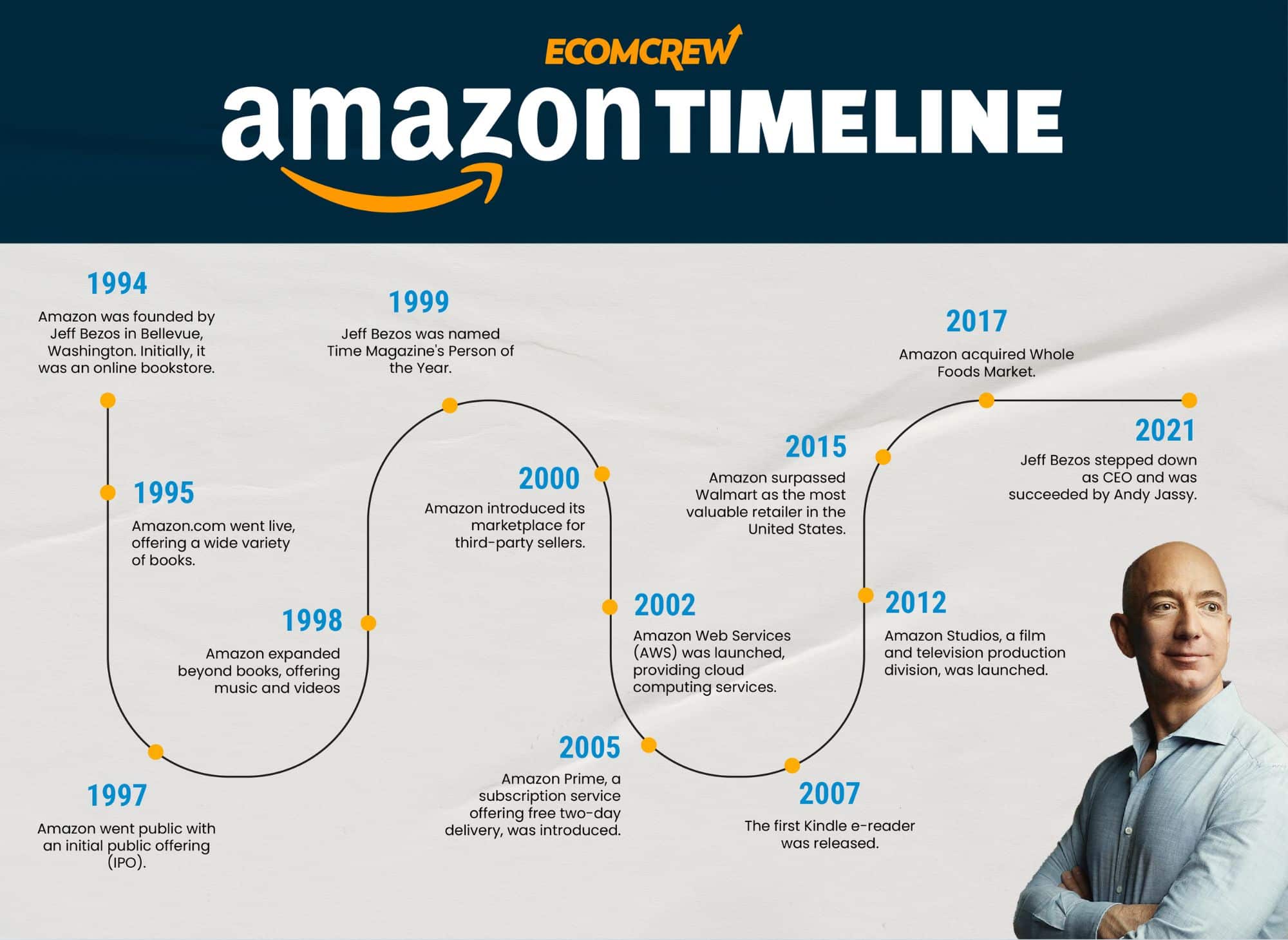
When we look at the landscape of global commerce today, the name “Amazon” is synonymous with efficiency, scale, and relentless innovation. However, to understand the trajectory of this corporate titan, one must look back to its humble origins. When was Amazon established? The company was officially incorporated on July 5, 1994, in Bellevue, Washington. While it began in a garage with a focus on selling books, its establishment marked the birth of a brand strategy that would eventually rewrite the rules of corporate identity and customer engagement.
1. The Strategic Architecture of a Brand: From Cadabra to Amazon
The birth of Amazon provides a masterclass in brand naming and strategic positioning. When Jeff Bezos first conceptualized the business, he didn’t initially settle on the name we know today.
The Significance of a Name
In 1994, Bezos originally incorporated the company as “Cadabra, Inc.,” derived from the magical incantation “abracadabra.” However, the name was short-lived. A lawyer misheard the name as “cadaver,” which was an immediate red flag for a brand identity intended to evoke life, speed, and magic. This pivotal moment led Bezos to browse the “A” section of the dictionary, looking for a name that would appear at the top of alphabetical lists.
He settled on “Amazon” for two primary reasons. First, the Amazon River is the largest in the world, and Bezos intended to build the largest bookstore in the world. Second, the name carried an exotic, “different” quality that stood out in a sea of generic corporate titles. This early focus on brand linguistics set the stage for a company that would prioritize scale and variety above all else.
Early Visual Identity and the Evolution of the Smile
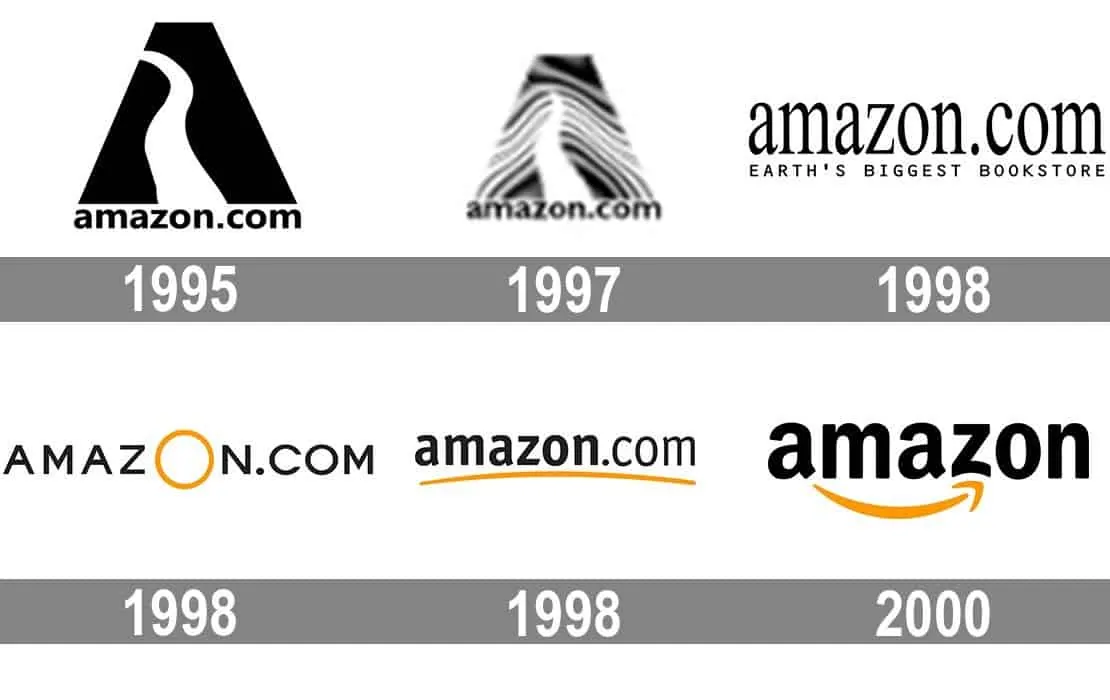
A brand is more than a name; it is a visual promise. The original Amazon logo featured a stylized letter “A” with a river shape flowing through it. As the brand evolved from a niche bookstore to a retail powerhouse, the visual identity needed to reflect its expanding ambitions.
In 2000, the company introduced the iconic “smile” logo—an arrow connecting the letter ‘a’ to ‘z’. This was a brilliant move in corporate design. It subtly signaled that Amazon carries everything from A to Z, while the curved line mimics a satisfied customer’s smile. This design choice solidified the brand’s identity as a customer-centric “Everything Store.”
2. Customer Obsession: The Core Pillar of Amazon’s Brand Strategy
Since its establishment in 1994, Amazon has adhered to a brand philosophy that separates it from traditional retailers: Customer Obsession over Competitor Focus. This pillar is not just a marketing slogan; it is the bedrock of their corporate identity.
Defining the Value Proposition
From the outset, Bezos understood that in the digital age, the brand that offers the most convenience and the lowest friction wins. This led to the development of several brand-defining features, such as “1-Click” ordering. By patenting and prioritizing a seamless checkout process, Amazon branded itself as the ultimate time-saver.
The brand strategy here was clear: remove every possible barrier between the customer and the product. While competitors were focusing on store layouts and physical merchandising, Amazon was branding the “experience” of ease.
The “Empty Chair” and Data-Driven Branding
In the early days of Amazon’s boardroom meetings, Bezos famously left one chair empty. He informed his executives that the chair was occupied by the most important person in the room: the customer. This symbolic gesture became a part of the Amazon brand lore.
By utilizing data to personalize recommendations, Amazon redefined what it meant to have a relationship with a brand. They moved away from “mass marketing” toward “individual marketing.” This shift established Amazon as an intuitive brand—one that knows what you want even before you do.
3. Brand Extension: Transitioning from Books to the “Everything Store”

A critical challenge for any brand is expansion. When Amazon was established, it was a “bookstore.” Moving into electronics, toys, and eventually cloud computing required a sophisticated brand extension strategy that didn’t alienate its core audience.
Breaking the Niche
The transition began in 1998 when Amazon expanded into music and movies. The brand message shifted from “The World’s Largest Bookstore” to “The World’s Largest Selection.” This was a bold move. To maintain brand equity, Amazon ensured that the user interface remained consistent. The “look and feel” of buying a book was the same as buying a CD. This consistency allowed the brand to migrate its trust from one category to another.
The Kindle and Hardware Branding
The launch of the Kindle in 2007 was a watershed moment for Amazon’s brand identity. It transitioned Amazon from a distributor of others’ products to a creator of its own. The Kindle was branded as a tool for the “modern reader,” emphasizing portability and instant gratification. This successfully positioned Amazon at the intersection of technology and lifestyle, paving the way for further hardware successes like the Echo and Fire TV.
4. The Power of Ecosystem Branding: Prime and AWS
As Amazon matured, its brand strategy moved toward creating an ecosystem. This is where the company stopped being just a destination and started being an infrastructure.
Amazon Prime: The Ultimate Loyalty Brand
Introduced in 2005, Amazon Prime is perhaps the most successful loyalty program in history. From a branding perspective, Prime changed the customer’s psychology. By paying an upfront fee, customers felt a “sunk cost” incentive to shop exclusively at Amazon.
Prime transformed the brand from a utility into a subscription-based lifestyle service. It wasn’t just about shipping anymore; it became about video streaming, music, and exclusive deals. The “Prime” sub-brand represents a premium, frictionless life, further cementing customer loyalty to the parent brand.
AWS: Transforming a Retail Brand into a Tech Powerhouse
The establishment of Amazon Web Services (AWS) in 2006 is a fascinating case study in brand diversification. How does a company known for selling diapers and books become the world leader in cloud infrastructure?
The answer lies in the brand’s association with “Scale.” Because the public already perceived Amazon as a company that managed massive, complex logistics and data, the transition to selling that infrastructure to other businesses was credible. AWS allowed Amazon to brand itself as the “backbone of the internet,” a shift that significantly boosted the brand’s valuation and corporate prestige in the B2B sector.
5. The “Day 1” Mentality: Sustaining a Global Identity
Even decades after its 1994 founding, Amazon maintains a unique corporate culture that is integral to its brand. This is summarized in Jeff Bezos’s “Day 1” philosophy, which he detailed in his 1997 letter to shareholders.
Corporate Identity and Longevity
The “Day 1” brand mantra signifies that the company should always act like a startup—staying nimble, making decisions quickly, and remaining obsessed with the customer. According to Bezos, “Day 2” is stasis, followed by irrelevance, followed by a painful decline and death.
By branding their internal culture this way, Amazon attracts a specific type of talent and maintains a reputation for being an innovator rather than a legacy corporation. This internal branding ensures that the company remains relevant in an era where digital disruption can bankrupt established giants overnight.
Ethical Branding and Future Outlook
As Amazon moves further into the 21st century, its brand identity faces new challenges regarding labor practices, environmental impact, and market dominance. The company’s “Climate Pledge” and recent branding efforts around sustainability represent a strategic shift to align with modern consumer values.
The brand is no longer just about the “A to Z” of products; it is about the “A to Z” of global impact. How Amazon navigates these societal expectations will determine the next chapter of the brand story that began in a small garage in 1994.
In conclusion, when Amazon was established, it was more than just the launch of a website; it was the birth of a new philosophy in brand building. Through strategic naming, relentless customer focus, and successful brand extensions, Amazon has transformed from a fledgling online bookstore into a global infrastructure that touches almost every aspect of modern life. Its journey serves as a definitive case study for any brand looking to scale, adapt, and dominate in the digital age.
aViewFromTheCave is a participant in the Amazon Services LLC Associates Program, an affiliate advertising program designed to provide a means for sites to earn advertising fees by advertising and linking to Amazon.com. Amazon, the Amazon logo, AmazonSupply, and the AmazonSupply logo are trademarks of Amazon.com, Inc. or its affiliates. As an Amazon Associate we earn affiliate commissions from qualifying purchases.