
The question “What is Amazon’s share price?” is one of the most frequently asked queries in the financial world. However, for the astute investor, the answer is far more complex than a simple numerical figure quoted on the NASDAQ. Amazon (ticker: AMZN) represents one of the most significant success stories in modern corporate history, evolving from a niche online bookseller into a global conglomerate spanning e-commerce, cloud computing, digital advertising, and artificial intelligence. To truly understand Amazon’s share price, one must look beyond the daily fluctuations and analyze the fundamental drivers, financial metrics, and strategic shifts that dictate its market valuation.

Decoding Amazon’s Valuation: Beyond the Current Quote
When an investor looks at the Amazon share price, they are seeing a real-time reflection of the market’s collective expectation for the company’s future cash flows. Unlike many traditional retailers, Amazon has historically been valued on its growth potential and its ability to dominate new markets, rather than its immediate net income.
The Fundamental Drivers of AMZN Stock
The primary driver of Amazon’s share price is its diversified revenue model. While retail remains the most visible part of the business, the stock’s valuation is heavily influenced by its higher-margin segments. Investors pay close attention to the “flywheel effect”—a concept popularized by founder Jeff Bezos—where each part of the business strengthens the others. For example, Prime subscriptions drive retail loyalty, which in turn generates data for the advertising business, while the massive infrastructure required for retail paved the way for the creation of Amazon Web Services (AWS).
Understanding Market Capitalization and Share Dilution
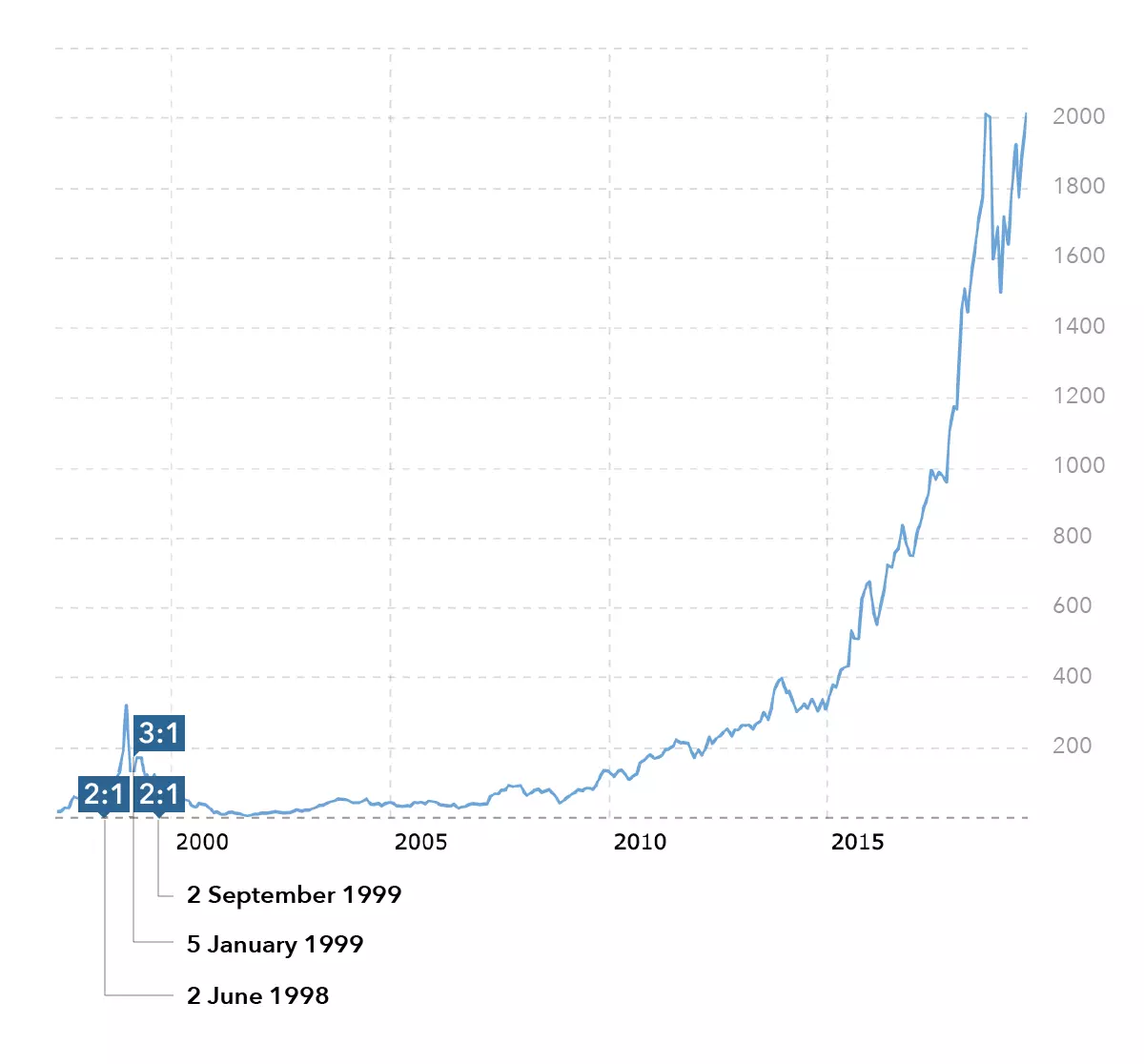
Amazon’s share price must always be viewed in the context of its market capitalization. Because Amazon has undergone several stock splits—most recently a 20-for-1 split in 2022—the price of a single share is now more accessible to retail investors. However, the share price alone doesn’t tell the whole story. Investors must also consider share-based compensation, which can dilute the value of existing shares. A rising share price accompanied by a massive increase in the number of outstanding shares might mean the company isn’t actually becoming more valuable on a per-share basis.
Key Financial Metrics Influencing the Share Price
To evaluate whether the current Amazon share price represents a “buy,” “hold,” or “sell” opportunity, professional investors look at specific financial indicators. These metrics provide a window into the company’s operational efficiency and long-term viability.
Revenue Growth vs. Profitability Margins
For decades, Amazon prioritized top-line revenue growth over bottom-line profit, reinvesting almost every dollar back into the business. This strategy often led to a high Price-to-Earnings (P/E) ratio, which can make the share price look “expensive” by traditional standards. However, as the company matures under CEO Andy Jassy, there has been a notable shift toward optimizing margins. When Amazon reports an expansion in operating margins—particularly in its international and North American retail segments—the share price typically responds positively, as it signals that the company can finally harvest the fruits of its massive logistical investments.
The Role of Amazon Web Services (AWS) in Stock Valuation
AWS is arguably the most critical component of Amazon’s valuation. As the global leader in cloud infrastructure, AWS provides the lion’s share of the company’s operating income. Because cloud services have much higher margins than retail, the growth rate of AWS often dictates the trajectory of the share price. If AWS growth slows due to competition from Microsoft Azure or Google Cloud, the share price may face downward pressure, even if the retail side is performing well. Conversely, breakthroughs in AI-integrated cloud services can lead to a surge in investor confidence.
Free Cash Flow: The Metric That Matters Most to Amazon Investors
Amazon has long championed “Free Cash Flow per Share” as its primary financial metric. This represents the cash a company generates after accounting for cash outflows to support operations and maintain its capital assets. Because Amazon is incredibly capital-intensive—building warehouses, data centers, and delivery fleets—its net income can be distorted by accounting rules like depreciation. High free cash flow indicates that the company has the liquidity to pay down debt, fund new acquisitions, or eventually return capital to shareholders through buybacks.
Macro and Micro Factors Impacting Amazon’s Market Performance
Amazon does not exist in a vacuum. Its share price is susceptible to broader economic trends and specific industry challenges that can cause significant volatility.
Interest Rates and the Cost of Capital
As a growth-oriented tech stock, Amazon is sensitive to changes in interest rates set by the Federal Reserve. When interest rates rise, the “discount rate” applied to future earnings also rises, which typically lowers the current valuation of growth stocks. Furthermore, higher interest rates can dampen consumer spending, directly impacting Amazon’s retail sales. Investors monitoring the share price must stay informed about inflationary trends and central bank policies, as these often trigger broad sell-offs or rallies in the tech sector.
E-commerce Saturation and Regulatory Scrutiny
While Amazon is a dominant force, it faces the challenge of “law of large numbers”—it becomes increasingly difficult to maintain high percentage growth rates as the company becomes a larger part of the total economy. Additionally, antitrust scrutiny from regulators in the U.S. and the European Union remains a constant “overhang” on the share price. Potential lawsuits or regulations regarding third-party seller practices or data usage can create uncertainty, leading institutional investors to price in a “regulatory discount.”
Strategic Shifts: From Retail to Advertising and AI
The evolution of Amazon’s business model is a major catalyst for share price movements. In recent years, Amazon has become a powerhouse in digital advertising, offering brands the ability to advertise directly at the point of purchase. This high-margin revenue stream has become a vital contributor to the company’s valuation. Furthermore, the “AI arms race” is the latest frontier. Amazon’s investments in generative AI—both for internal efficiency and as a service for AWS customers—are currently a significant factor in how the market prices the stock for the next decade.
Investment Strategies for Amazon Shareholders
Investing in Amazon requires a strategic approach that aligns with an individual’s financial goals and risk tolerance. Because the share price can be volatile, a disciplined methodology is essential.
Long-term Growth vs. Short-term Volatility
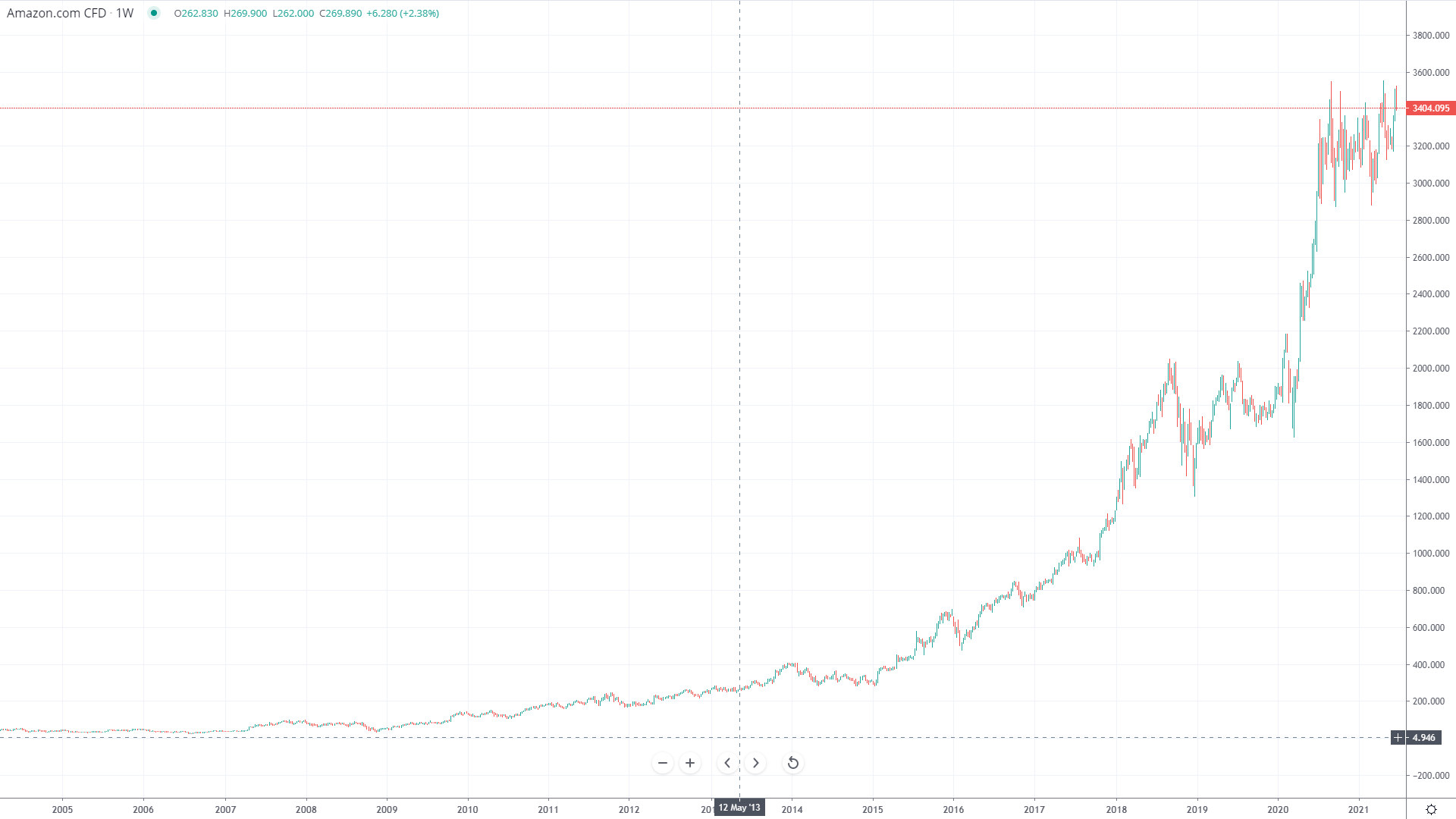
Amazon is widely considered a “blue-chip” tech stock, suitable for long-term growth portfolios. Historically, the share price has rewarded patient investors who looked past quarterly misses and focused on the company’s 10-year trajectory. However, short-term traders often find Amazon challenging due to its sensitivity to earnings guidance and macroeconomic data. For most individual investors, the “buy and hold” strategy has been the most effective way to capture the value created by Amazon’s relentless innovation.
Dollar-Cost Averaging into Big Tech
Given that the Amazon share price can swing by 5% or 10% following an earnings report, many financial advisors recommend Dollar-Cost Averaging (DCA). By investing a fixed dollar amount at regular intervals, an investor buys more shares when the price is low and fewer when it is high. This reduces the risk of “timing the market” poorly and helps build a significant position in the stock over time without the emotional stress of daily price watching.
Risks and Diversification in a Tech-Heavy Portfolio
While Amazon is a formidable company, it is not without risk. Competition in the cloud space is intensifying, and the retail business remains thin-margined and labor-intensive. Furthermore, many investors are already heavily exposed to Amazon through S&P 500 index funds, where Amazon is a top holding. When considering a direct investment in AMZN, it is crucial to assess your total exposure to the technology sector. Diversifying across different asset classes and industries can protect your capital if the “Big Tech” trade faces a prolonged downturn.
In conclusion, understanding the Amazon share price requires a multi-faceted approach. It is not merely a number on a screen, but a complex valuation of global logistics, cloud dominance, advertising prowess, and future AI potential. By focusing on free cash flow, monitoring the health of AWS, and staying mindful of macroeconomic shifts, investors can make informed decisions about how this retail and tech giant fits into their personal financial journey.
aViewFromTheCave is a participant in the Amazon Services LLC Associates Program, an affiliate advertising program designed to provide a means for sites to earn advertising fees by advertising and linking to Amazon.com. Amazon, the Amazon logo, AmazonSupply, and the AmazonSupply logo are trademarks of Amazon.com, Inc. or its affiliates. As an Amazon Associate we earn affiliate commissions from qualifying purchases.