
The evolution of currency has reached a pivotal juncture where the traditional banking system and the burgeoning world of digital assets intersect. At the heart of this financial revolution is Coinbase, a name that has become synonymous with cryptocurrency for millions of individuals globally. Whether you are a seasoned investor or a newcomer curious about the potential of blockchain technology, understanding Coinbase is essential to navigating the modern financial landscape. This platform serves as more than just a marketplace; it is a comprehensive financial ecosystem designed to bring the benefits of decentralized finance to a centralized, user-friendly interface.
The Financial Infrastructure of Coinbase: A Bridge to Digital Wealth
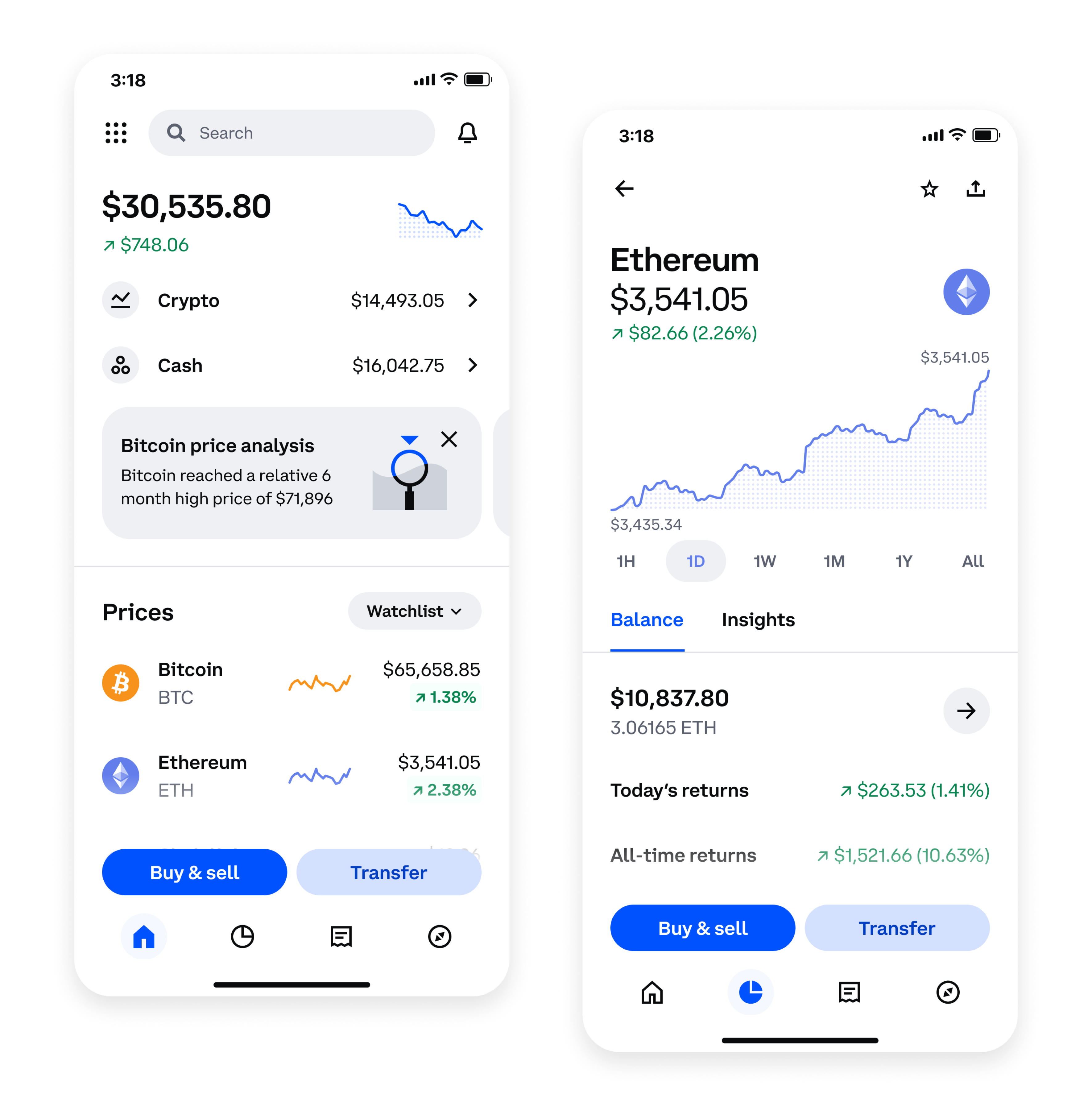
Coinbase is primarily recognized as a centralized cryptocurrency exchange (CEX), functioning as a secure bridge between traditional “fiat” money—such as the U.S. Dollar or the Euro—and digital assets like Bitcoin and Ethereum. For most investors, it acts as the primary on-ramp into the crypto economy. Unlike decentralized exchanges that require technical proficiency in managing private keys and liquidity pools, Coinbase offers a regulated, streamlined environment that mirrors the experience of online banking or stock trading.
The Brokerage Model vs. The Exchange
At its core, Coinbase operates through two primary lenses. The standard Coinbase platform acts as a broker. When you buy Bitcoin, you are buying it directly from Coinbase at a predetermined price. This model is designed for simplicity, catering to personal finance enthusiasts who prioritize ease of use over complex technical indicators. On the other hand, the platform also offers “Coinbase Advanced,” which functions as a high-liquidity exchange where buyers and sellers set their own prices via limit orders. This distinction is crucial for managing your investment overhead, as the brokerage model carries higher convenience fees compared to the market-driven exchange model.
Institutional Financial Services
Beyond the retail investor, Coinbase has carved out a significant niche in institutional finance. Through “Coinbase Prime,” the company provides the infrastructure for hedge funds, corporations, and high-net-worth individuals to execute large-scale trades and store massive amounts of capital. This institutional adoption is a cornerstone of the platform’s stability; by providing the custody services for several Bitcoin ETFs (Exchange-Traded Funds), Coinbase has integrated itself into the very fabric of Wall Street, legitimizing digital assets as a standard component of a diversified portfolio.
Navigating the Investment Landscape: Assets and Yield Generation
To view Coinbase merely as a place to “buy and sell” is to overlook its broader utility as a financial tool. The platform enables a variety of wealth-building strategies that extend beyond speculative trading. In the realm of personal finance, asset allocation and yield generation are the primary drivers of long-term growth, and Coinbase provides several avenues to achieve these goals.
Diversification Across Digital Assets
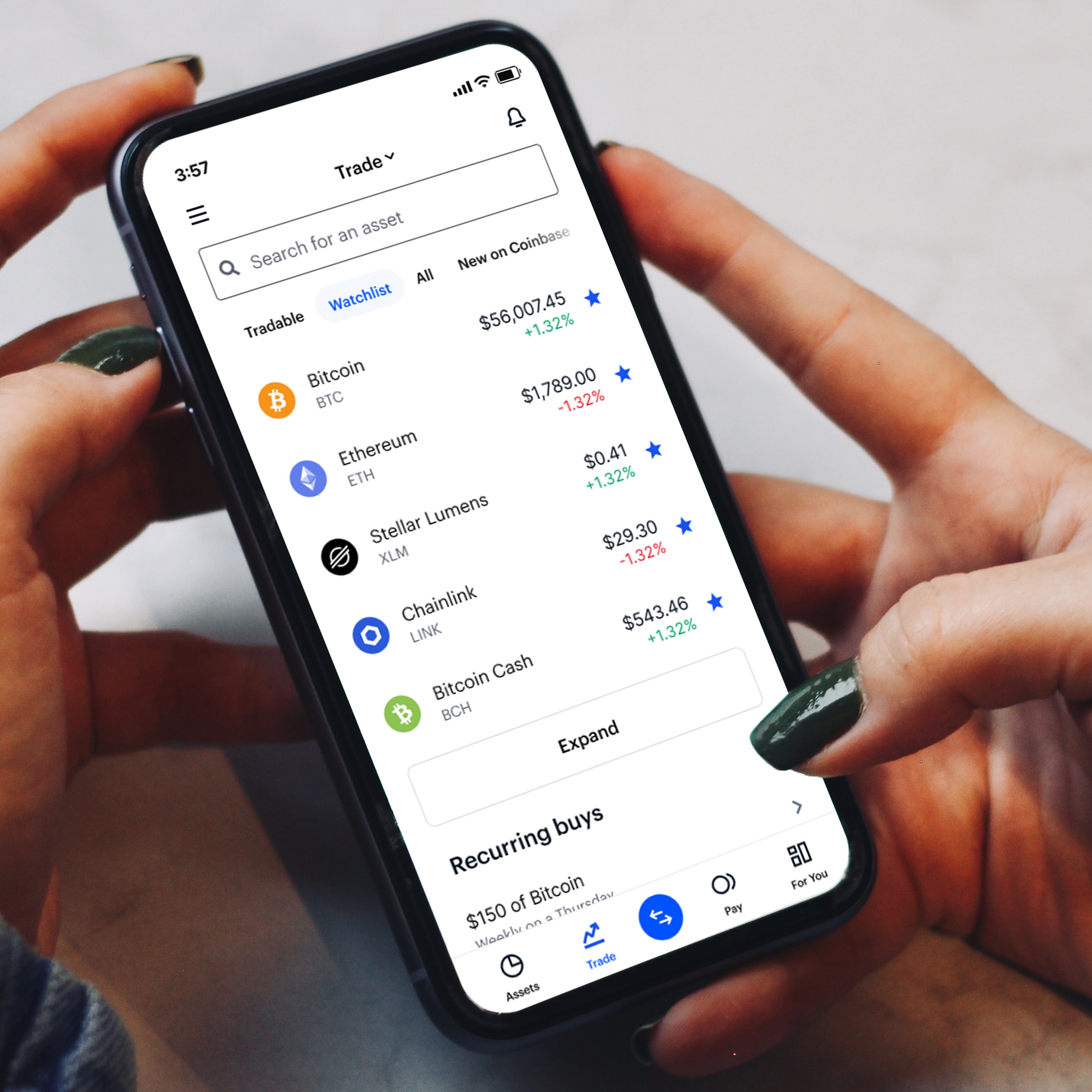
The platform supports hundreds of different cryptocurrencies, ranging from “Blue Chip” assets like Bitcoin and Ethereum to “Altcoins” and “Stablecoins.” For a modern investor, Coinbase provides the tools to build a balanced digital portfolio. Stablecoins, such as USDC (USD Coin), play a particularly vital role. These are assets pegged 1:1 to the U.S. Dollar, allowing investors to move their capital out of volatile markets without having to withdraw funds back to a traditional bank account, thus maintaining liquidity within the digital ecosystem.
Staking and Passive Income
One of the most compelling features for the finance-focused user is “Staking.” In the world of blockchain, staking is the process of participating in a network’s security and operations in exchange for rewards. Coinbase simplifies this complex technical process. By holding certain assets like Ethereum, Solana, or Cardano on the platform, users can earn an annual percentage yield (APY) on their holdings. This effectively turns a static investment into a dividend-paying asset, allowing your digital capital to compound over time without requiring active trading.
Coinbase Earn: Education as an Asset
The platform also incentivizes financial literacy through its “Earn” program. By completing short educational modules about different blockchain projects, users receive small amounts of cryptocurrency as a reward. While the dollar amounts are modest, this feature underscores the platform’s role as an educational gateway, helping investors understand the underlying value propositions of the assets they are adding to their portfolios.
Risk Management and Asset Protection: The Security of Your Capital
In any discussion regarding personal finance and investing, security is the paramount concern. The cryptocurrency industry has historically been plagued by volatility and security breaches, making the choice of a platform a high-stakes decision. Coinbase has built its reputation on being one of the most secure and compliant entities in the space.
Regulatory Oversight and Compliance
Unlike many of its offshore competitors, Coinbase is a publicly traded company on the NASDAQ (ticker: COIN). This status subjects the company to rigorous financial auditing and transparency requirements. From a financial perspective, this provides a layer of trust that is often missing in the crypto world. They are registered as a Money Services Business and comply with “Know Your Customer” (KYC) and “Anti-Money Laundering” (AML) regulations, ensuring that the platform operates within the legal frameworks of the jurisdictions it serves.
Cold Storage and Insurance Policies
A critical aspect of Coinbase’s security architecture is its use of “Cold Storage.” This means that the vast majority of user assets (roughly 98%) are stored in offline vaults that are disconnected from the internet, making them immune to cyber-attacks. For the small percentage of assets kept in “Hot Wallets” (online) to facilitate liquidity, Coinbase maintains an insurance policy to protect against losses resulting from a breach of their physical security or cybersecurity. It is important to note, however, that this insurance does not cover losses resulting from unauthorized access to individual user accounts; therefore, personal security measures like hardware security keys remain vital for the investor.
FDIC Protections for Cash Balances
While cryptocurrency itself is not covered by the FDIC (Federal Deposit Insurance Corporation), Coinbase keeps U.S. Dollar balances in custodial accounts at U.S. banks. These cash balances are eligible for FDIC insurance up to $250,000 per individual. This distinction is vital for personal finance planning: your cash “dry powder” waiting to be invested is protected by the same standards as a traditional bank account, even if the crypto assets themselves are subject to market risk.
Transaction Dynamics and Cost Management
For any savvy investor, the cost of doing business is a primary variable in calculating total returns. Coinbase’s fee structure is often a point of contention and requires a nuanced understanding to navigate effectively. If you are using Coinbase as a financial tool, minimizing these costs is essential for maintaining your margins.
Understanding the Fee Structure
Coinbase utilizes a tiered fee system that varies based on the transaction size, payment method, and market volatility. Transactions made via a debit card or “instant buy” features typically carry higher fees (often around 3.99%) compared to funds transferred via ACH bank transfer. Furthermore, the spread—the difference between the buy and sell price—can act as a hidden cost. For those looking to maximize their investment, moving to the “Advanced” trading interface is often the best strategy, as it utilizes a maker-taker fee model that is significantly lower than the standard retail interface.
Tax Reporting and Financial Planning
One of the most daunting aspects of investing in digital assets is the tax implication. Every trade, swap, or sale is a taxable event in many jurisdictions. Coinbase addresses this pain point by providing integrated tax reporting tools. The platform tracks your cost basis and provides downloadable reports that can be integrated into software like TurboTax or shared with an accountant. This level of financial organization is a major benefit for those who treat their crypto holdings with the same professional rigor as their 401(k) or brokerage accounts.
The Coinbase Card: Bridging Spending and Investing
To further integrate digital assets into daily financial life, the platform offers the Coinbase Card, a Visa debit card. This allows users to spend their crypto or stablecoin balances anywhere Visa is accepted. From a money management perspective, this provides instant liquidity to an otherwise illiquid asset class. Many users use this card to earn “crypto back” rewards on their daily spending, effectively redirecting their consumption habits into further investment capital.

The Future of Digital Finance and the Role of Coinbase
As we look toward the future of personal and corporate finance, the role of platforms like Coinbase continues to expand. We are moving toward a world where the distinction between “digital assets” and “money” is increasingly blurred. Coinbase is no longer just a place to buy Bitcoin; it is a comprehensive suite of financial services that includes custody, lending, spending, and earning.
For the investor, Coinbase represents a controlled environment to explore the high-growth potential of the crypto market while maintaining the safety nets of a regulated, publicly traded institution. While the market remains volatile and risks are inherent, the tools provided by Coinbase offer a level of sophistication and security that was once available only to institutional players. By understanding the platform’s ecosystem—from its fee structures to its staking rewards and security protocols—individuals can effectively leverage Coinbase to build a more resilient and forward-looking financial future.
aViewFromTheCave is a participant in the Amazon Services LLC Associates Program, an affiliate advertising program designed to provide a means for sites to earn advertising fees by advertising and linking to Amazon.com. Amazon, the Amazon logo, AmazonSupply, and the AmazonSupply logo are trademarks of Amazon.com, Inc. or its affiliates. As an Amazon Associate we earn affiliate commissions from qualifying purchases.